


Zhonggu Orders Its First 14,000 TEU Ships as Annual Newbuilding Tally Reaches 20
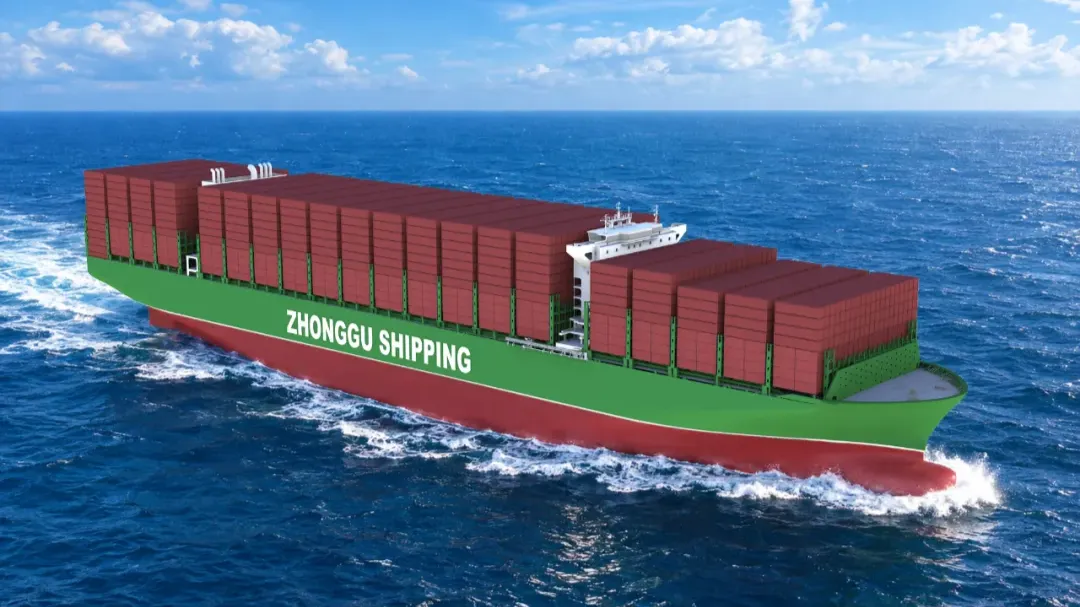

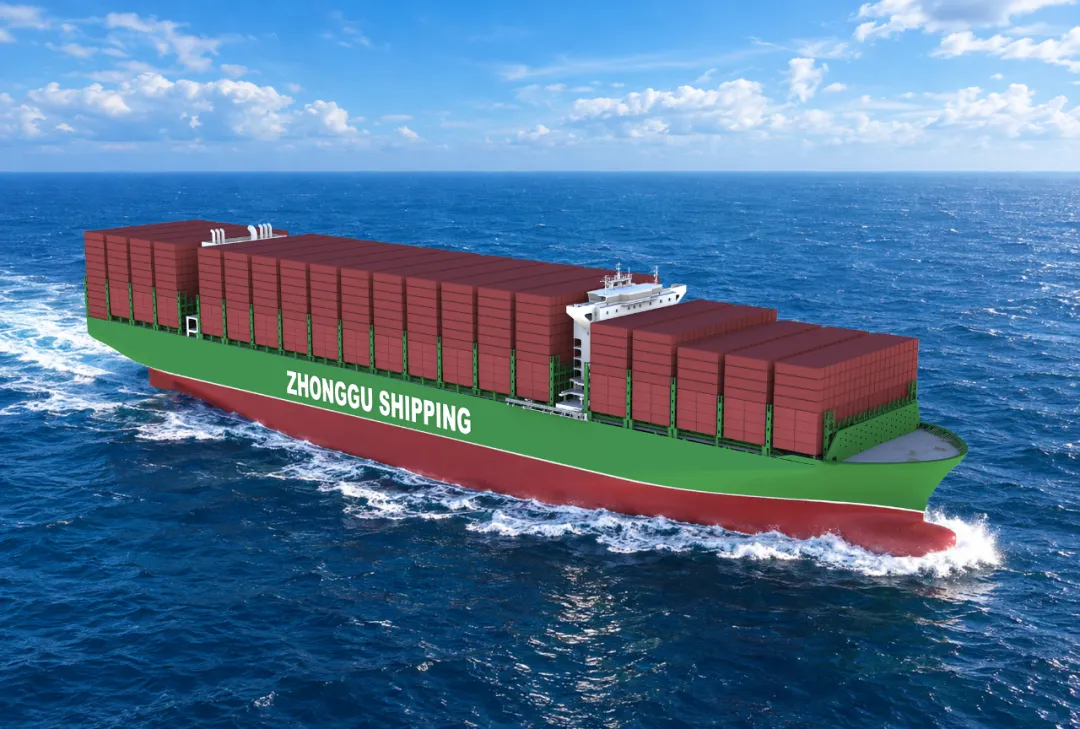
Shanghai-based Zhonggu Shipping Group has ordered its first 14,000 TEU containerships, taking newbuilding contracts announced across the group in 2026 to 20 vessels and opening a new chapter in its fleet development.
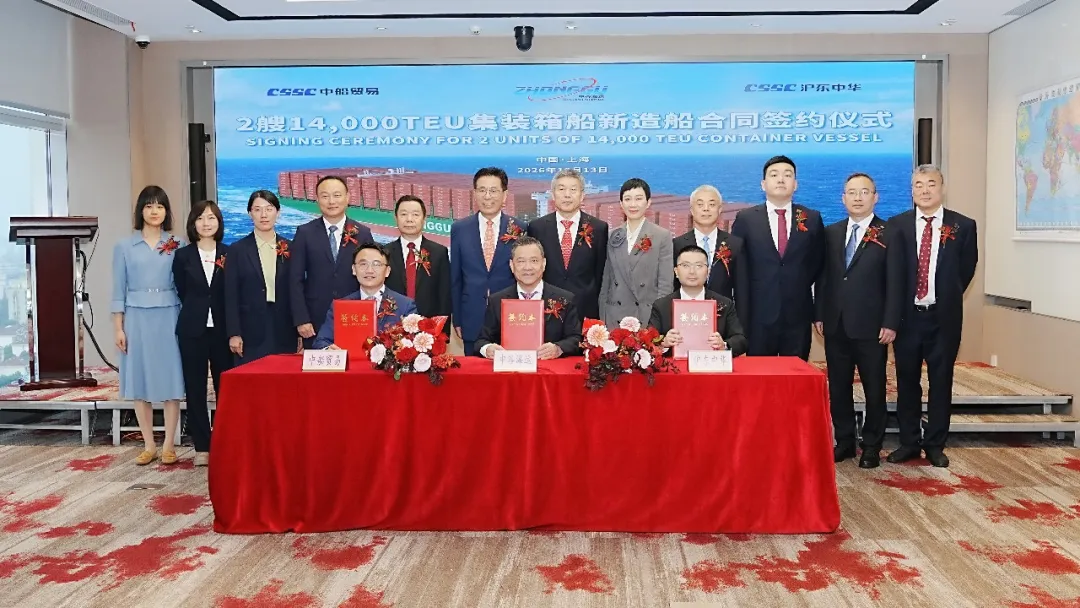
The contract for two ships was signed with Hudong-Zhonghua Shipbuilding on 13 October, marking the first newbuilding partnership between the two companies. Combined with 18 ships contracted in the first half by its listed subsidiary, Shanghai Zhonggu Logistics, the latest order gives Zhonggu a newbuilding programme spanning three sizes: 1,800 TEU, 6,300 TEU and 14,000 TEU. For a group whose business has long centred on domestic container transport in China, the programme provides a broader range of vessels to support international expansion.
Zhonggu Logistics had previously outlined deployment plans for much of this capacity: ten 1,800 TEU ships are intended for Southeast Asian services, while eight 6,300 TEU vessels are earmarked for Red Sea routes. The two 14,000 TEU ships add a further option for services requiring substantially greater capacity per sailing.
A New Upper Limit for the Fleet
Developed by Hudong-Zhonghua, the 14,000 TEU design measures 336 metres in length, 51 metres in beam and 30.2 metres in moulded depth, with a design speed of 21 knots and conventional low-speed propulsion. Efficiency features include a twisted rudder with a bulb, an energy-saving duct, and variable-frequency drives for engine-room fans and seawater cooling pumps.
The increase in vessel size is substantial. Zhonggu’s major 2021 newbuilding programme comprised 4,600 TEU ships, while its orders earlier this year moved into the approximately 6,300 TEU segment. The latest design carries roughly three times the nominal container capacity of a 4,600 TEU ship and more than twice that of a 6,300 TEU vessel.
Founded in 2003, Zhonggu has built its business around container logistics. Hudong-Zhonghua now joins a group of shipbuilding partners that includes the Jinling yards, Yangzijiang Shipbuilding and Hengli Heavy Industry. Prices, delivery dates and intended routes for the two 14,000 TEU ships have not been disclosed.
Twenty Ships Across Three Capacity Segments
The current ordering programme began early in 2026. On 29 January, Zhonggu Logistics disclosed plans to order four firm 6,000 TEU-class containerships, plus options for two more, from Hengli Shipbuilding (Dalian). On 5 February, it disclosed a further proposal for two ships of the same class at China Merchants Jinling Shipyard (Jiangsu). By the end of the first half, the company’s interim results summary confirmed that contracts had been signed for eight 6,300 TEU containerships.
Zhonggu also added smaller vessels. On 2 April, Zhonggu Logistics and China Merchants’ Qingshan shipyard signed contracts in Shenzhen for ten 1,800 TEU containerships. The company had previously disclosed a total contract value of no more than RMB2.7 billion, with deliveries expected in 2028 and 2029. The order also became an important project in the resumption of shipbuilding at the Wuhan yard.
Together with the two ships ordered in October, the programme comprises 20 vessels with a combined nominal capacity of approximately 96,400 TEU. The 14,000 TEU pair accounts for just 10% of the ships by number but around 29% of their aggregate capacity.
This mix expands both the scale of the fleet and Zhonggu’s deployment options. The 1,800 TEU vessels can serve regional trades requiring frequent calls at multiple ports, while the 6,300 TEU ships support longer routes already under development. The largest ships offer considerably more capacity per voyage. As deliveries progress, Zhonggu will have greater scope to match vessel size to sailing distances, port conditions and cargo volumes.
An Earlier Expansion Built Around Domestic Trades
Zhonggu has placed several batches of newbuilding orders over the past decade. In 2016, it contracted four 2,500 TEU containerships at Jinling, followed by six 1,900 TEU vessels in October 2017. The relationship subsequently expanded as Zhonggu moved into larger ship sizes.
Its 2021 programme of eighteen 4,600 TEU containerships represented a major step in that development. Ten ships were allocated to Yangzijiang Shipbuilding and eight to Nanjing Jinling. Xinde Marine previously covered the start of construction of the eight-ship Jinling series and the entry of related vessels into service. Yangzijiang completed its part of the programme in July 2023 with delivery of Zhong Gu Chang Sha, the last of its ten ships.
The 4,600 TEU design was developed primarily for China’s north–south coastal trades and the shift of suitable bulk commodities into containers. According to Yangzijiang, the ships measure 228 metres in length and 40 metres in beam, with deadweight of approximately 89,000 tonnes. Shaft generators, vortex-reducing fins and pre-propeller energy-saving ducts support operating efficiency. Their deadweight and heavy-cargo capability suit cargoes such as grain, coal and construction materials.
Those earlier investments strengthened a fleet built around domestic logistics, coastal trunk routes and connections with road and rail transport. The deployment plans for this year’s newbuildings show a more explicit commitment to overseas services.
Southeast Asia and the Red Sea Anchor International Growth
Zhonggu participates in international shipping through both chartering out vessels and operating its own liner services. Its 2025 annual report described the development of services to India and Pakistan, the Red Sea and Haiphong, alongside its wider presence in Southeast Asian markets. Its 2026 interim results summary called for more capacity on its own international routes and faster development of its overseas operating network, while maintaining its international time-charter business.
The two activities require different commercial capabilities. Chartering out ships generates income under charter agreements. Operating liner services under its own brand requires Zhonggu to secure cargo, maintain schedules and develop overseas agency and customer-service networks. As that business grows, investment decisions increasingly involve matching ships to sustained service commitments.
Disclosures responding to regulatory questions on a proposed convertible bond issue set out the planned deployment of the new ships. The ten 1,800 TEU vessels are intended for Southeast Asian routes connecting Chinese ports with markets including Thailand, Vietnam and Indonesia. All eight 6,300 TEU ships are planned for Red Sea services. Zhonggu’s Red Sea route, launched in October 2025, connects Shanghai, Ningbo and Nansha with ports including Jeddah, Aqaba and Sokhna. By the end of June 2026, six owned containerships were operating on the service.
The smaller and midsized orders therefore have identified roles within Zhonggu’s developing network. Southeast Asian services require regular sailings between numerous ports, while Red Sea operations need sufficient ships to maintain schedules over longer distances. Deploying new vessels into trades where the company already has customers and operating experience provides a basis for increasing service capacity.
Zhonggu’s domestic customer base remains central to this effort. Its 2026 interim report described plans to identify existing customers with overseas container logistics requirements while strengthening international operating teams, agency coverage and customer service. As manufacturers extend sourcing, production and sales across borders, Zhonggu aims to carry more of their cargo beyond the domestic transport leg.
The 14,000 TEU Segment Attracts a Broader Range of Buyers
Zhonggu’s order forms part of a wider series of investments in this capacity range. Recent buyers include major global liner companies, regional carriers and independent tonnage providers, with ships being ordered for fleet renewal, service expansion and charter employment.
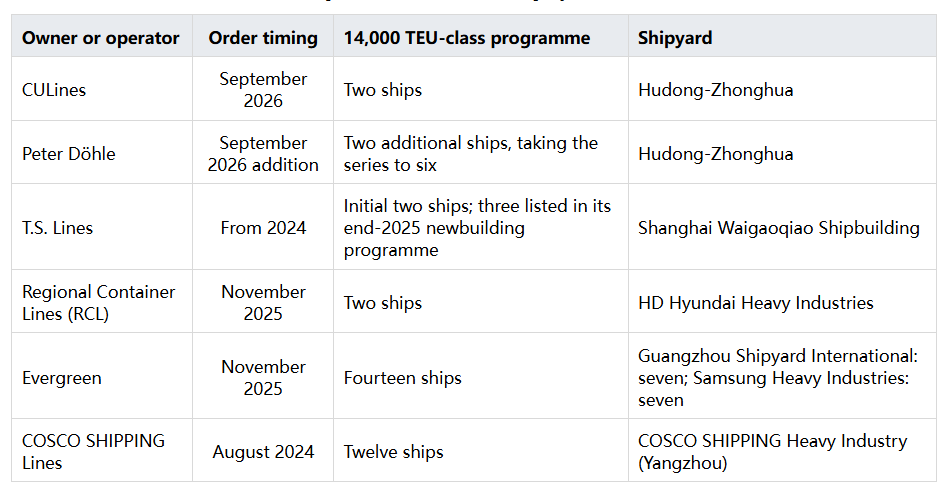
Chinese liner operator CULines provides a close comparison. On 16 September, it signed for two ships with Hudong-Zhonghua and China Shipbuilding Trading, its first newbuildings above 10,000 TEU. Its network already covers Southeast Asia, South Asia, the Middle East, the Red Sea, the eastern Mediterranean and parts of Africa. The order will increase its owned capacity as it develops those services.
Hamburg-based independent shipowner Peter Döhle has expanded an existing series. Its order for two further ships on 1 September brought its total at Hudong-Zhonghua in this segment to six. Including the CULines and Zhonggu contracts, the yard announced six new 14,000 TEU orders from three customers between 1 September and 13 October.
The investments by Asian regional carrier T.S. Lines and Thailand’s Regional Container Lines illustrate how operators with regional networks are moving into larger vessel sizes as their service coverage and cargo volumes grow. The larger batches ordered by Evergreen and COSCO SHIPPING Lines reflect continued fleet investment in the same capacity range by global operators.
In the adjacent 13,600 TEU segment, OOCL ordered twelve LNG dual-fuel containerships at Hudong-Zhonghua in April 2026. The company said the new capacity would support greater deployment in emerging, regional and third-country markets. Such orders demonstrate the range of networks in which carriers expect large containerships to find employment.
Commercial Networks Will Determine the Returns
For routes with sufficient cargo, larger vessels provide more slots per sailing and can reduce some unit costs when well utilised. They also give expanding carriers greater scope to replace smaller ships and reorganise trunk services. The financial outcome depends on cargo availability, utilisation, terminal performance and the design of the service network.
Zhonggu’s newbuilding mix creates several possibilities. Its 1,800 TEU and 6,300 TEU ships already have planned roles in Southeast Asia and the Red Sea, while the 14,000 TEU vessels extend the range of cargo volumes it can accommodate. If the company develops transshipment connections around hub ports, different ship sizes could support a combination of trunk and feeder services, with larger vessels carrying concentrated flows and smaller ships serving additional ports. That structure would need to develop alongside cargo demand and coordinated schedules.
Owners are also taking different approaches to fuel investment within this capacity range. The latest Zhonggu and CULines designs use conventional propulsion, while Peter Döhle and T.S. Lines have selected designs incorporating provisions for future alternative-fuel use. Evergreen and OOCL are investing in LNG dual-fuel ships, and COSCO SHIPPING Lines is pursuing methanol dual-fuel capacity. Route requirements, fuel availability and capital commitments continue to shape these choices.
For Zhonggu, operating more international services will place greater demands on overseas cargo sales, empty-container repositioning, port arrangements and cost management. The additional slots offered by the two 14,000 TEU ships will need consistent cargo support. Its ability to convert established domestic customer relationships into international bookings will be an important factor in fleet utilisation.
The eighteen 4,600 TEU ships ordered in 2021 strengthened Zhonggu’s domestic coastal transport capacity. Its 20-ship programme in 2026 ties fleet development more closely to international expansion. As a wider range of carriers moves into larger containerships, the commercial test will be their ability to connect new capacity with reliable cargo flows, competitive schedules and effective port networks.


READ MORE
 Containers
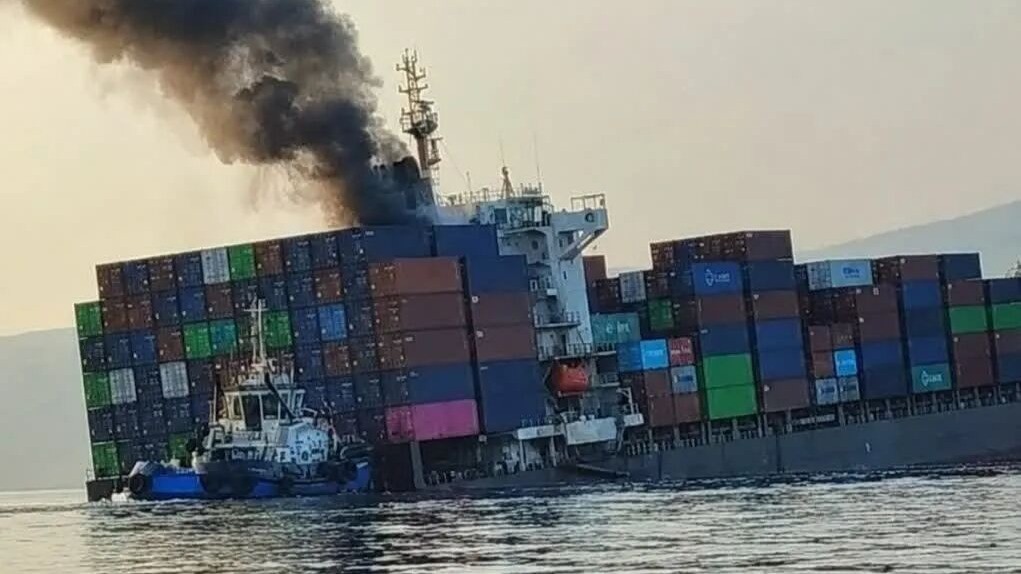
2,824-TEU GFS PRIDE Sinks in Hormuz; All 21 Crew Safe
 Containers
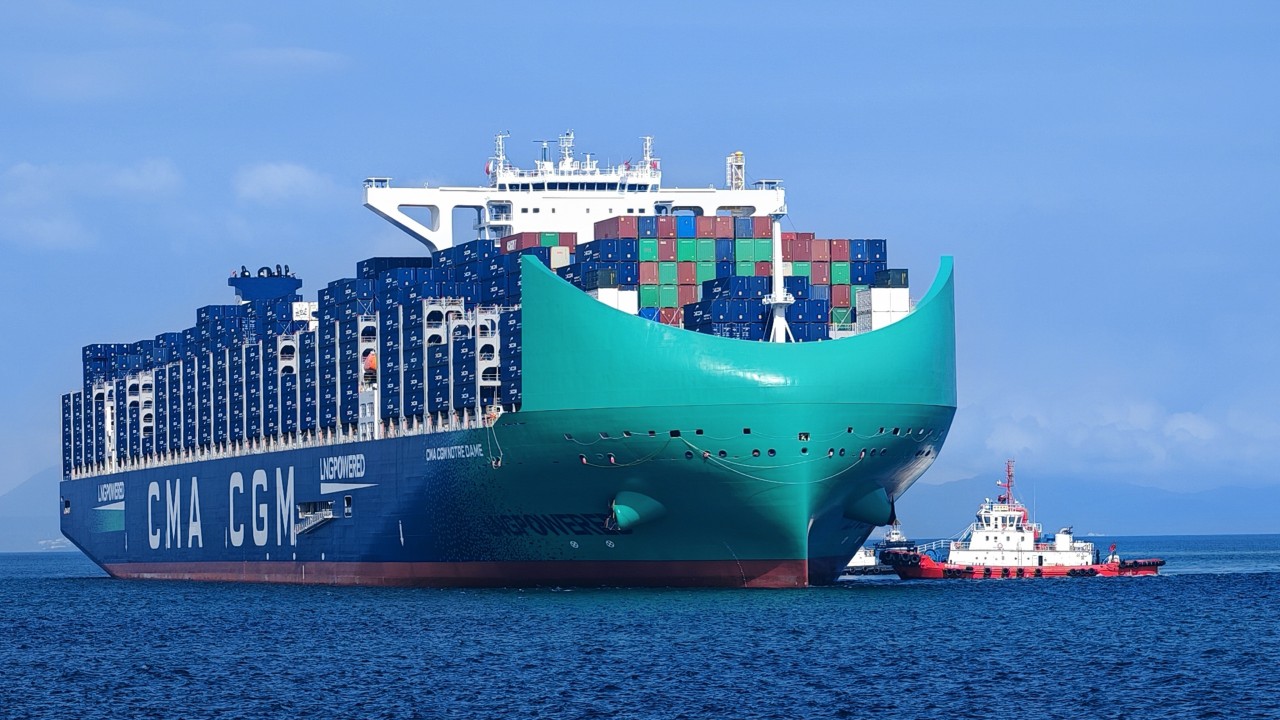
CMA CGM Expands Biomethane Push with Singapore Supply Partnership
 Containers
sakos Returns to Containership Ordering After Four Years with Hengli Deal
 Containers
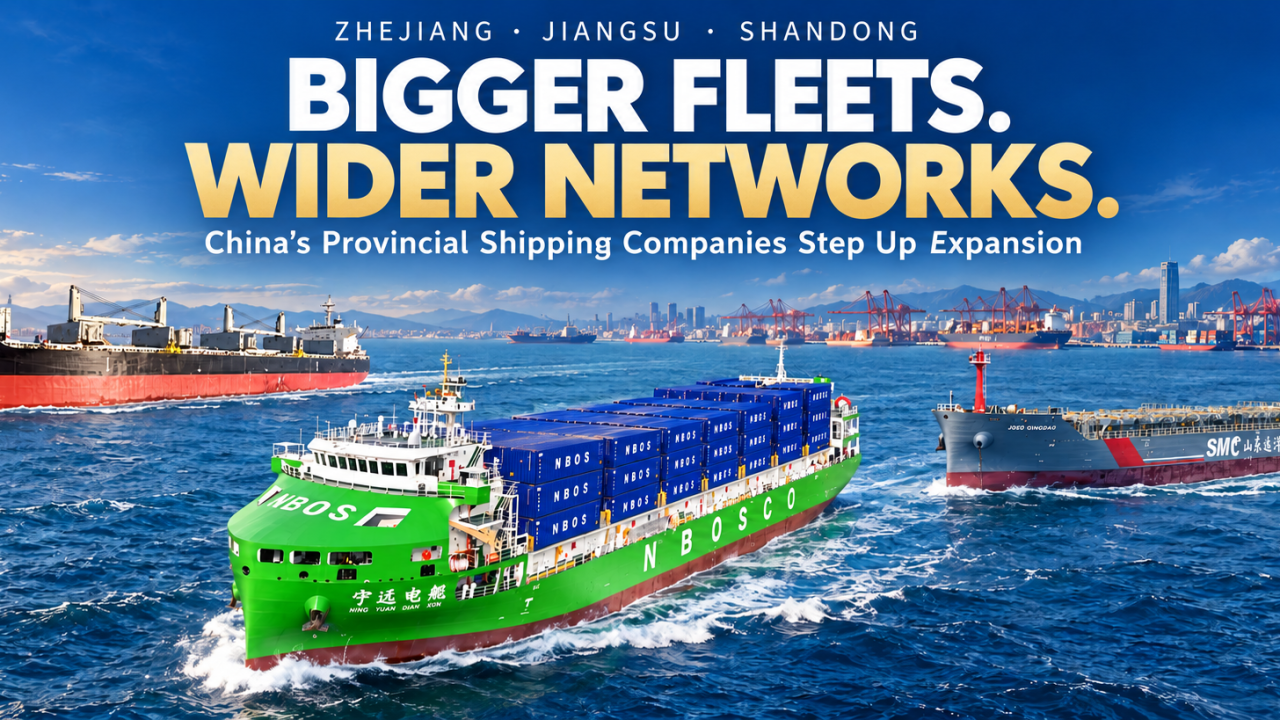
Bigger Fleets, Wider Networks: China’s Provincial Shipping Companies Step Up Expansion
 Containers
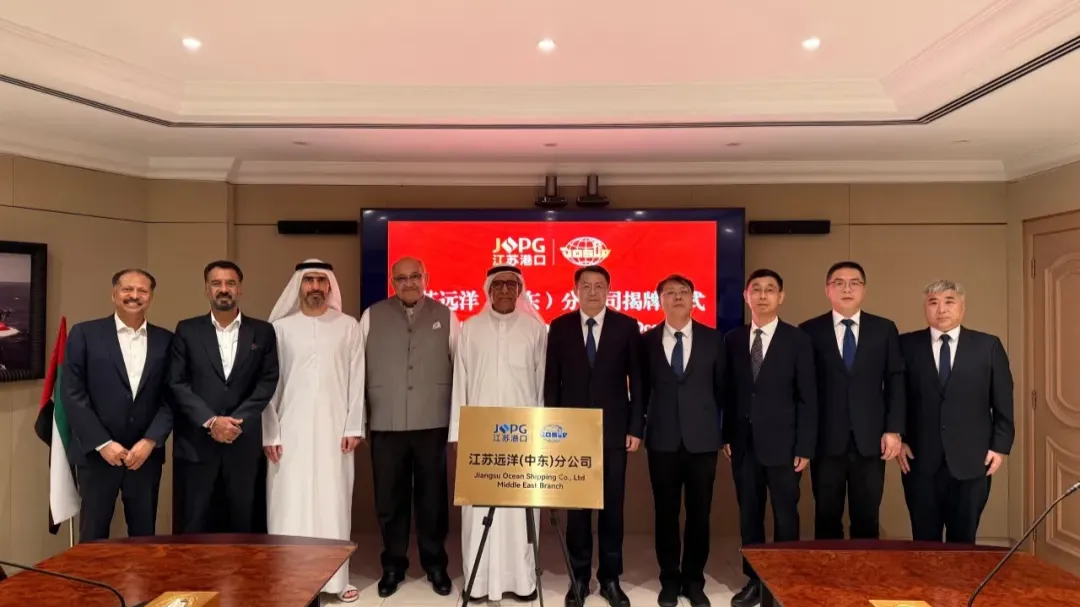
Global Ambitions, Provincial Roots: China’s State-Owned JOSCO Expands Overseas
 Containers
China Merchants links container and bulker businesses in Australia trial
 Containers
Ningbo Containerized Freight Index Weekly Commentary North America Freight Rates Remained Elevated; Composite Index Decline Narrowed
 Containers
CMA CGM’s $1.4bn FedEx Supply Chain Deal: How Its Global Logistics Network Is Taking Shape
 Containers
CMA CGM vs Maersk: A New Arms Race Begins!
 Containers