


China Merchants links container and bulker businesses in Australia trial


Sinolines and Shanghai Ming Wah carried 17 containers from Taicang to Brisbane, pairing a container sales network with existing bulk and breakbulk shipping capacity.
China Merchants Energy Shipping (CMES) has completed a joint transport trial between its container and breakbulk businesses, carrying 17 forty-foot containers from China’s Taicang port to Brisbane aboard the bulk carrier Great Cosmos.
The shipment brought together Sinotrans Container Lines, known as Sinolines, and Shanghai Ming Wah Shipping. According to the company’s account, the direct voyage took approximately 15 days and required no investment in additional vessels.
The cargo comprised six forty-foot open-top containers and 11 forty-foot high-cube containers, equivalent to 34 TEU. CMES said the voyage was about 11 days shorter than the conventional liner arrangement used for comparison, although it did not identify the service or explain the calculation.
The pilot marks a practical step in connecting customer demand across CMES’s different shipping businesses, with specialised container cargo a priority for further development.
Connecting sales and vessel capacity
Under the arrangement, Sinolines sourced cargo through its sales channels and managed customer communications. Shanghai Ming Wah provided vessel capacity and route support, coordinating stowage, lashing and cargo-handling operations.
The China Classification Society lists Great Cosmos, IMO 9792917, as a 38,649-dwt bulk carrier delivered in September 2018 and registered in Hong Kong, China.
Shanghai Ming Wah specialises in general cargo, heavy-lift and other specialised shipping. Its cargo portfolio includes wind-power equipment, railway rolling stock and major engineering project components, according to CMES’s corporate website.
That operating experience provides a foundation for matching containerised shipments with suitable vessel space and port arrangements. Sinolines contributes access to customers whose transport requirements may be served by another part of the group’s fleet.
The commercial opportunity lies in coordinating those capabilities around a specific shipment. A suitable vessel and destination must align with cargo readiness, loading requirements and the customer’s delivery schedule.
Building on an established strategy
The cooperation follows several years of business integration.
CMES completed its acquisition of 100% of Sinolines in 2021, bringing the container carrier into its shipping portfolio and creating an organisational basis for closer cooperation with other fleet businesses.
Its 2025 annual report subsequently set out a 2026 plan to strengthen links between bulk, breakbulk and container operations. The strategy included developing pulp and higher-value breakbulk cargoes, building a multipurpose fleet suited to heavy project cargo and commodities, and expanding liner services.
The Taicang–Brisbane shipment gives that strategy a concrete operating example: cargo generated by the container business moved on capacity organised by the breakbulk business.
For CMES, the approach could widen the customer base accessible to its existing ships and give its sales teams more transport options. Its value will depend on whether suitable cargo and vessel schedules can be matched repeatedly.
Specialised cargo offers room to develop
The partners have identified open-top and other specialised container types as priorities.
Open-top containers permit loading from above, making them useful for some equipment and cargoes that are difficult to load through conventional container doors. Their transport requires attention to cargo dimensions, stowage and handling arrangements.
CMES has not disclosed the contents of the pilot shipment. Engineering equipment and building materials are among the sectors the companies intend to target as they develop the service.
Direct sailings may appeal to customers with defined project deadlines, but the practical benefit depends on the complete transport schedule. Cargo readiness, the available sailing date and destination handling all influence when a shipment can be delivered.
The partners said they discussed sailing arrangements, port conditions and routing with customers during the booking process. They also plan to explore container products with flexible sailing schedules, drawing on the availability of their bulk and breakbulk services.
From a pilot to repeat business
Turning the trial into a recurring product will require a reliable flow of suitable cargo and clear commitments on booking, handling and delivery.
The financial case will also depend on whether additional freight revenue adequately covers handling, securing and container-management costs. Freight rates, costs and earnings from the initial shipment have not been disclosed.
The companies plan to review the pilot before extending the cooperation. Further sailings will test whether the combination of Sinolines’ customer network and Shanghai Ming Wah’s operating capacity can support a repeatable service for specialised cargo.


READ MORE
 Containers
CMA CGM’s $1.4bn FedEx Supply Chain Deal: How Its Global Logistics Network Is Taking Shape
 Containers
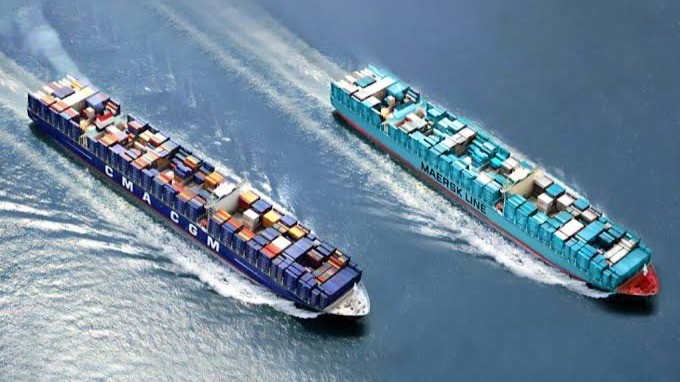
CMA CGM vs Maersk: A New Arms Race Begins!
 Containers
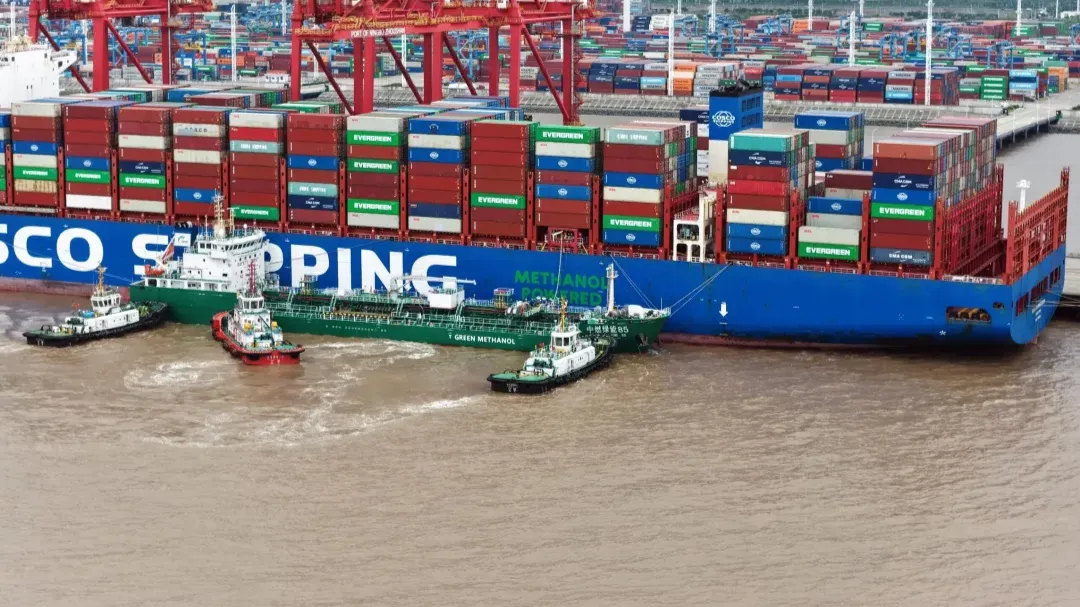
COSCO SHIPPING Sets Group Methanol Bunkering Record with 7,500-Tonne Delivery
 Containers
Ningbo Containerized Freight Index Weekly Commentary North America Freight Rates Remained Elevated; Composite Index Decline Narrowed
 Containers
Up to 30 New Feeders: Inside Contships’ Fleet Renewal Strategy
 Containers
COSCO SHIPPING Holdings to Launch Third Far East–ECSA Service in December
 Containers
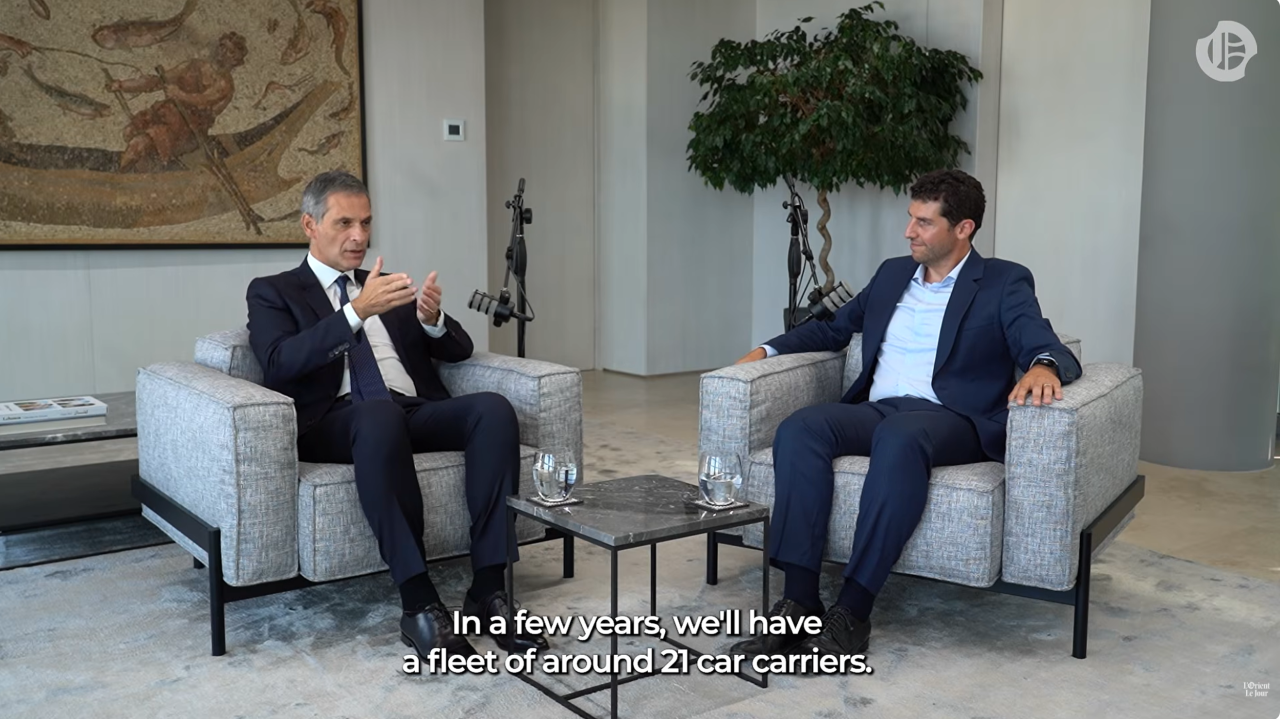
CMA CGM Expects Car Carrier Fleet to Reach Around 21 Vessels
 Containers
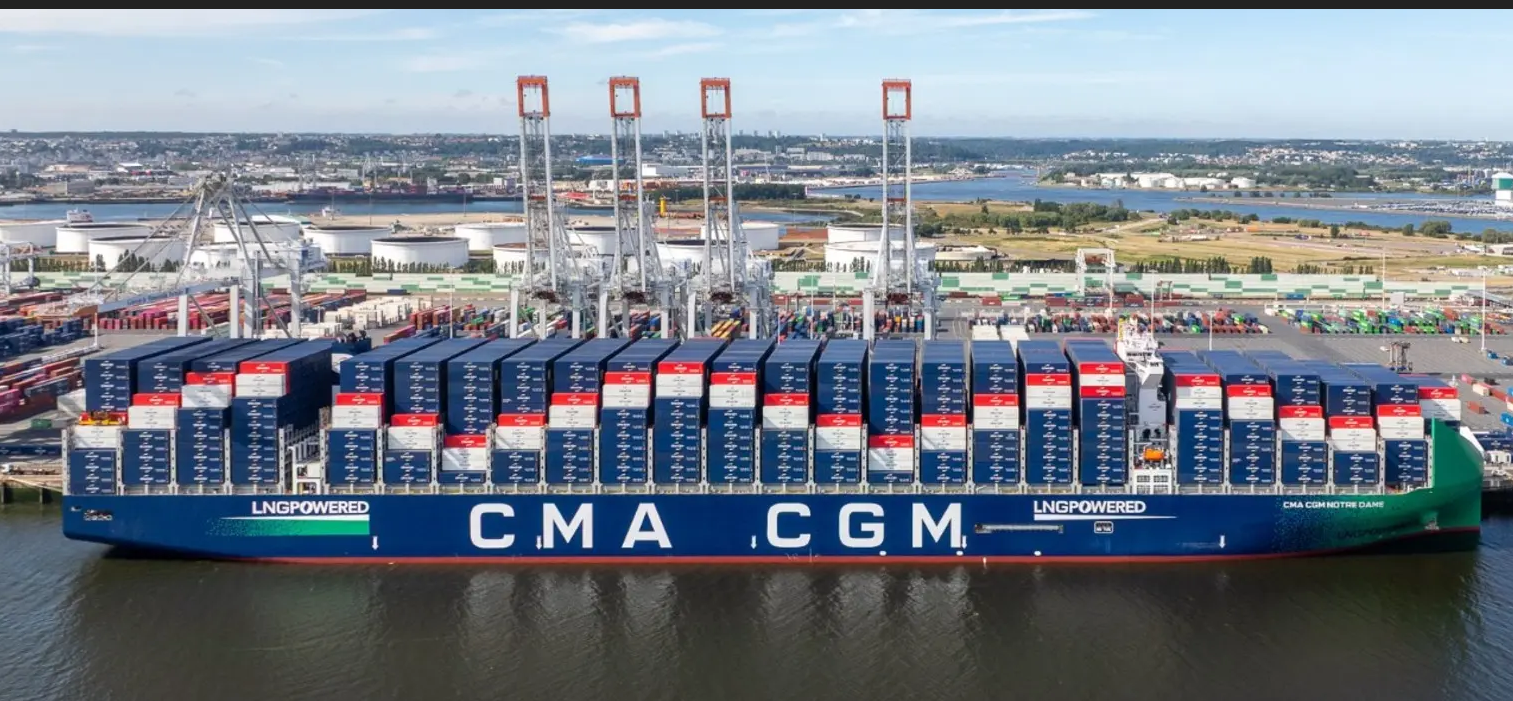
CMA CGM’s Reported French Flag Retreat Puts Shipping Taxes in Focus
 Containers
CMA CGM Chief Says Zero Carbon by 2050 May Take a Miracle
 Containers