


CMA CGM Expands Biomethane Push with Singapore Supply Partnership
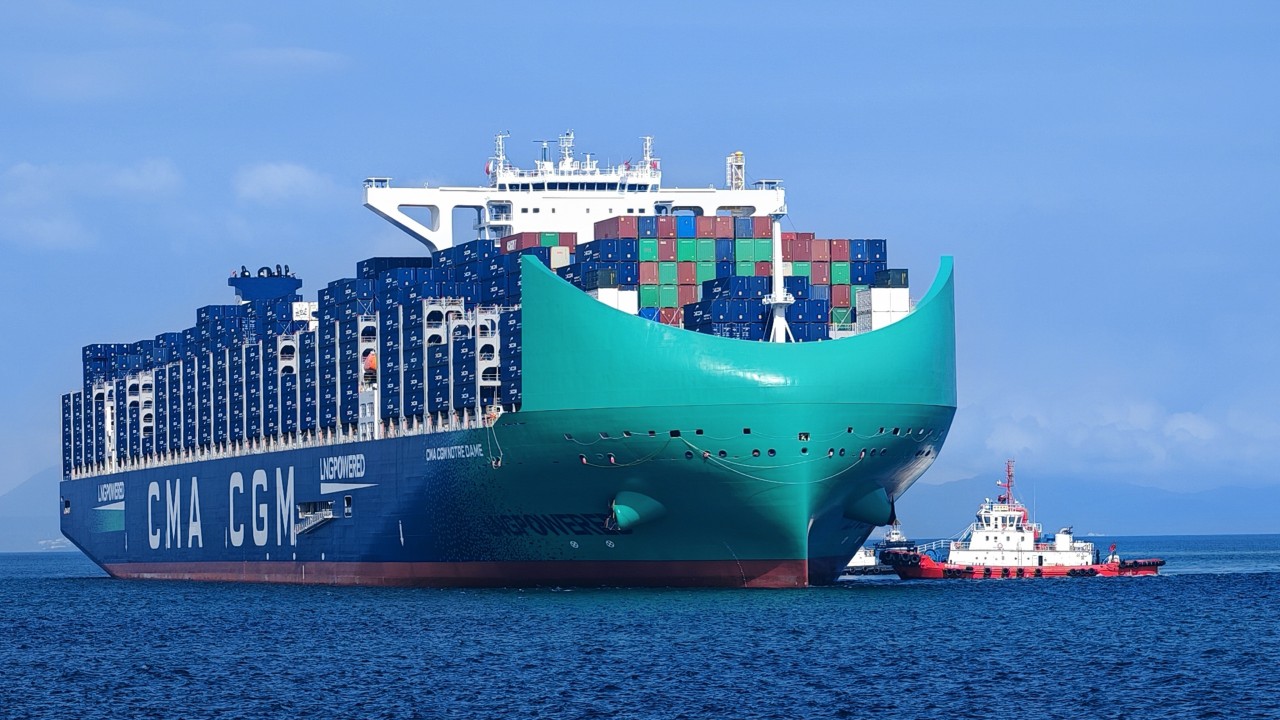

@The Maritime and Port Authority of Singapore (MPA), French shipping and logistics group CMA CGM, and Singapore LNG Corporation (SLNG) signed a memorandum of understanding on 14 October 2026 to explore the supply and use of liquefied biomethane as a marine fuel in Singapore.
The partnership will examine how existing gas infrastructure can support the fuel, commonly known as bio-LNG, and how its sustainability credentials and greenhouse gas savings should be accounted for when it is mixed with conventional natural gas. Pilots and operational trials will help test the proposed approaches.
The announcement follows a separate agreement unveiled a day earlier by CMA CGM and French energy group ENGIE to develop biomethane production in Le Havre. Together, the initiatives suggest that CMA CGM is extending its decarbonisation efforts across the fuel supply chain, from upstream production in Europe to potential supply and bunkering arrangements in Asia.

For owners investing in LNG dual-fuel ships, these developments address a practical question: how can vessels built today secure progressively cleaner fuels throughout their operating lives?
Existing LNG assets provide a starting point. Under the Singapore agreement, MPA will contribute regulatory and industry-development experience, CMA CGM will bring shipping and logistics expertise, and SLNG will provide terminal infrastructure and technical capabilities.
MPA Chief Executive Ang Wee Keong said Singapore would explore how lower-emission fuels could build on its established LNG bunkering capabilities. Bo Wegener, CMA CGM’s Chief Executive Officer for Asia Pacific, emphasised the need for cooperation across the maritime industry and credible energy pathways capable of deployment at scale.
Their involvement reflects the different requirements that must be met simultaneously. Shipowners need fuel they can procure and use; terminal operators need workable handling procedures; and regulators and certification bodies need reliable evidence of origin and emissions performance.
Biomethane is generally produced by upgrading biogas derived from organic material, removing carbon dioxide, water and impurities. Its principal constituent is the same methane molecule found in natural gas. The differences that determine its climate impact lie in the feedstock, production process and emissions across the supply
Once liquefied to the required specification, biomethane can use existing LNG systems. DNV’s April 2026 research highlighted its compatibility with LNG engines, tanks and bunkering infrastructure. This gives owners a route to further emissions reductions while retaining the principal fuel systems already installed aboard their
CMA CGM has already demonstrated its use on a large containership. In July 2026, the group reported an 11,125-cubic-metre bio-LNG bunkering operation for the 24,212-TEU CMA CGM NOTRE DAME in Rotterdam. The fuel was produced from European agricultural and organic waste and supplied using mass-balance accounting. CMA CGM stated that the fuel delivered at least a 67% reduction in lifecycle greenhouse gas emissions compared with conventional marine fuels.
That figure reflects the company’s stated performance for the fuel concerned. It should not be treated as a universal reduction applicable to every biomethane production and delivery pathway.
Access to production is becoming part of the fleet strategy. In Le Havre, the framework agreement announced by ENGIE on 13 October envisages a plant supplying approximately 7,000 tonnes of biomethane annually to CMA CGM, equivalent to about 100 GWh of energy, with supply planned to begin around 2029–2030.
CMA CGM intends to participate as a minority shareholder through its PULSE energy fund. The plant would process livestock waste, household biowaste and agricultural residues, with fuel supplied through the European gas network under a certified mass-balance system. ENGIE will lead development, while construction and operation remain subject to a final investment decision.
The commercial logic is clear: investment in production can help a shipping company secure future fuel access, while demand from an established fleet can support the producer’s business case. The eventual benefit will depend on the project reaching investment approval, entering service and delivering the planned volumes.
Viewed alongside the Rotterdam bunkering operation and the Singapore MOU, the Le Havre plan suggests an effort to connect production, certification, delivery and consumption. Each serves a different part of the same operating requirement.
Certification becomes especially important when fuels share infrastructure. Gas networks, liquefaction plants, LNG carriers and receiving terminals handle supplies from multiple sources. Once biomethane enters these systems, its molecules may mix with fossil gas. A credible accounting framework must therefore connect certified inputs with the sustainability attributes assigned to deliveries.
Mass balance provides such a framework. Under relevant ISCC requirements, the sustainable quantity passed onward cannot exceed the quantity available within the applicable accounting period and system boundary. Emissions data, conversion factors and sustainability documentation must remain traceable and auditable. The same biomethane batch or unit of energy cannot be claimed twice.
For shipowners, this makes documentation an integral part of the fuel purchase. Contracts need to establish the certified quantity, the scope of certification and the emissions information attached to the supply. Suppliers, in turn, must preserve those records through the delivery chain.
The Singapore MOU directly addresses this issue by proposing to test how sustainability attributes and emissions savings can be accounted for when biomethane and natural gas use shared infrastructure.
Singapore is already developing the import and terminal capabilities needed to support this approach. On 9 October, Shell and SLNG announced Singapore’s first import of an ISCC EU-certified bio-LNG cargo following the arrival of the LNG carrier Macoma at the SLNG terminal.
According to Shell, the certified biomethane originated in the United States and was accounted for through a pipeline mass-balance arrangement into a liquefaction plant and a conventional LNG cargo delivered to Singapore.
The transaction demonstrated a route for connecting overseas renewable gas production with Singapore through existing infrastructure. Its significance lies in the certified supply chain and associated accounting. It does not establish that the entire LNG cargo consisted of physically segregated biomethane.
SLNG also announced on 9 October that construction had begun on a third jetty at its Jurong Island terminal. Scheduled for completion in the second half of 2028, the jetty is expected to support approximately 2 million tonnes a year of LNG bunker reload demand. Together with existing facilities, SLNG could potentially support up to 3 million tonnes annually, depending on demand.
The company also obtained ISCC EU certification covering bio-LNG handling through services including storage, regasification and send-out, bunkering and trucking.
The capacity figures refer to LNG bunker reload capability. They do not represent secured biomethane production or committed bio-LNG supply. Terminal expansion provides logistics capacity; the availability of certified renewable fuel will depend on upstream output and commercial procurement.
Taken together, these developments suggest that Singapore is building the connections between imported supply, terminal services, certification and vessel demand. For an international bunkering hub, the ability to provide reliable emissions information is becoming an increasingly important part of the service offered alongside fuel delivery.
Several hurdles remain before these initiatives can support routine supply at scale.
Lifecycle performance will depend on the whole chain. Renewable feedstock alone does not establish zero emissions. The International Energy Agency has highlighted that biogas and biomethane pathways can both avoid and generate emissions, with methane leakage during production requiring particular attention. On board, unburned methane escaping from engines can also reduce the climate benefit. DNV has stressed that methane-slip reduction remains important when using bio-LNG.
A credible assessment therefore needs to consider feedstock, production, transport and onboard use. The Singapore partners have not disclosed a specific lifecycle emissions value for the proposed supply pathway, so the MOU cannot yet be assigned a fixed reduction percentage.
Cost and availability present further challenges. DNV’s April research identified fuel costs, supply constraints, competition from other sectors and uncertainty over accepted chain-of-custody arrangements as barriers to wider adoption.
Shipowners will need predictable availability, commercially workable prices and assurance that the fuel’s sustainability attributes can be recognised under the rules applicable to their operations. Technical compatibility creates an option; these commercial and regulatory conditions determine whether owners can use it consistently.
The maturity of the Singapore project also needs to remain clear. The announcement concerns an exploratory MOU. It provides no supply volume, fuel price, investment commitment or commercial start date. Operational trials and subsequent agreements will be needed to establish a scalable service.Joint Media Release - MOU to Ad…
For Chinese shipowners and the wider maritime industry, the developments offer a useful reference when planning LNG dual-fuel fleets. Fuel sourcing, bunkering availability along intended trading routes and certification requirements deserve attention alongside vessel specifications.
From Rotterdam bunkering to planned production in Le Havre and supply development in Singapore, CMA CGM is assembling more of the infrastructure and commercial relationships needed to support biomethane use. The practical value of these initiatives will be measured by the reliable fuel volumes, verifiable emissions reductions and sustainable purchasing arrangements they eventually deliver.


READ MORE
 Containers
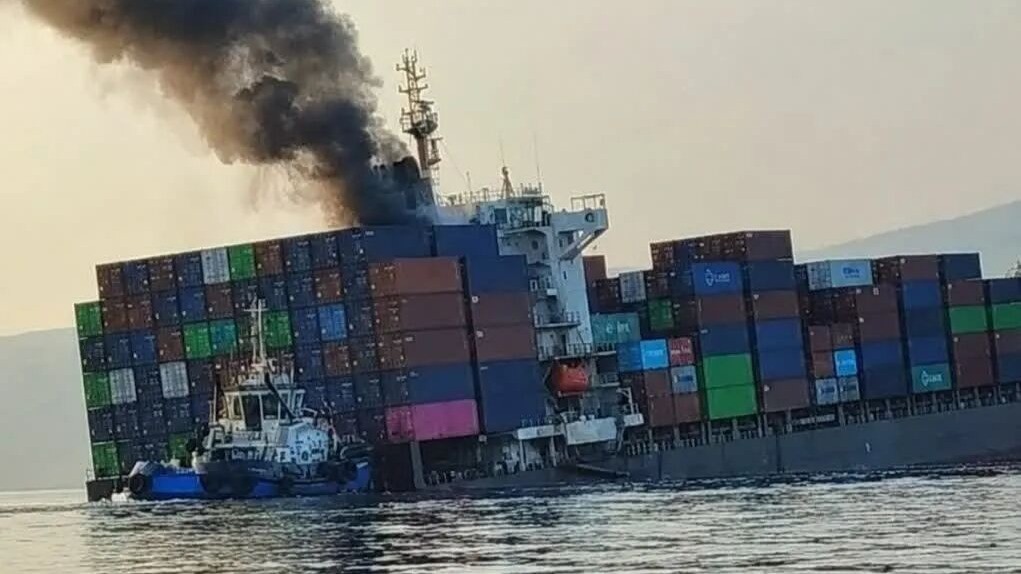
2,824-TEU GFS PRIDE Sinks in Hormuz; All 21 Crew Safe
 Containers
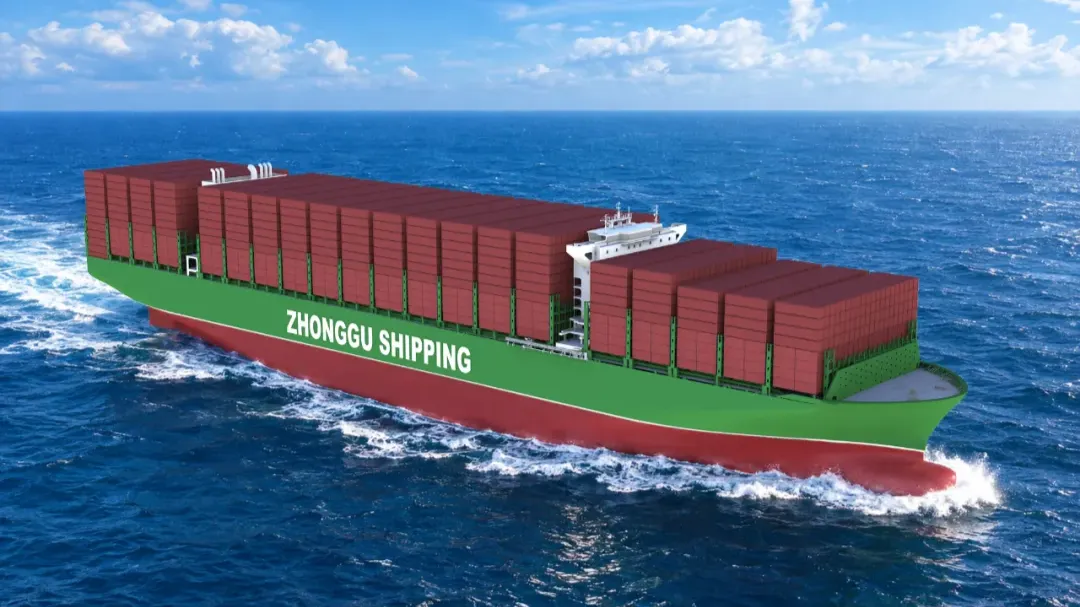
Zhonggu Orders Its First 14,000 TEU Ships as Annual Newbuilding Tally Reaches 20
 Containers
sakos Returns to Containership Ordering After Four Years with Hengli Deal
 Containers
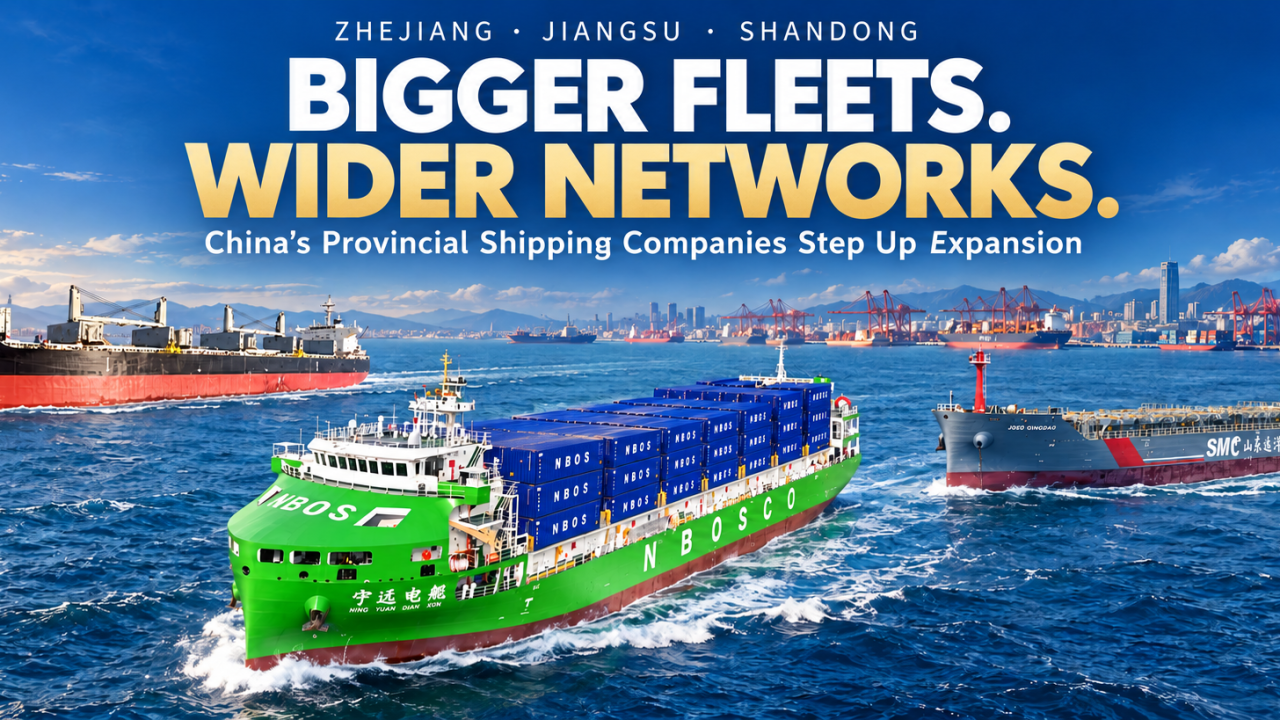
Bigger Fleets, Wider Networks: China’s Provincial Shipping Companies Step Up Expansion
 Containers
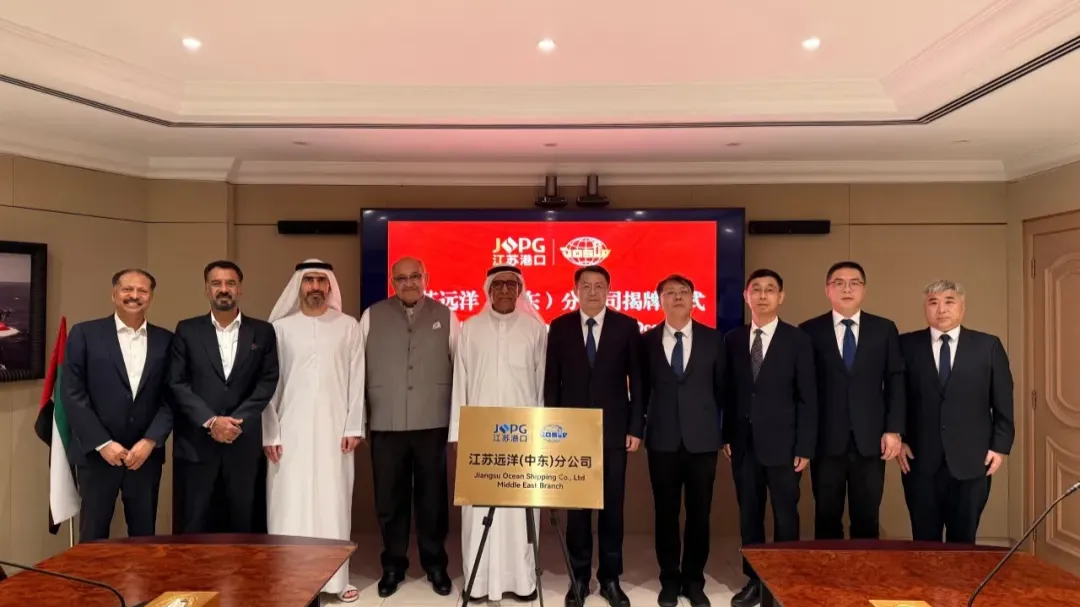
Global Ambitions, Provincial Roots: China’s State-Owned JOSCO Expands Overseas
 Containers
China Merchants links container and bulker businesses in Australia trial
 Containers
Ningbo Containerized Freight Index Weekly Commentary North America Freight Rates Remained Elevated; Composite Index Decline Narrowed
 Containers
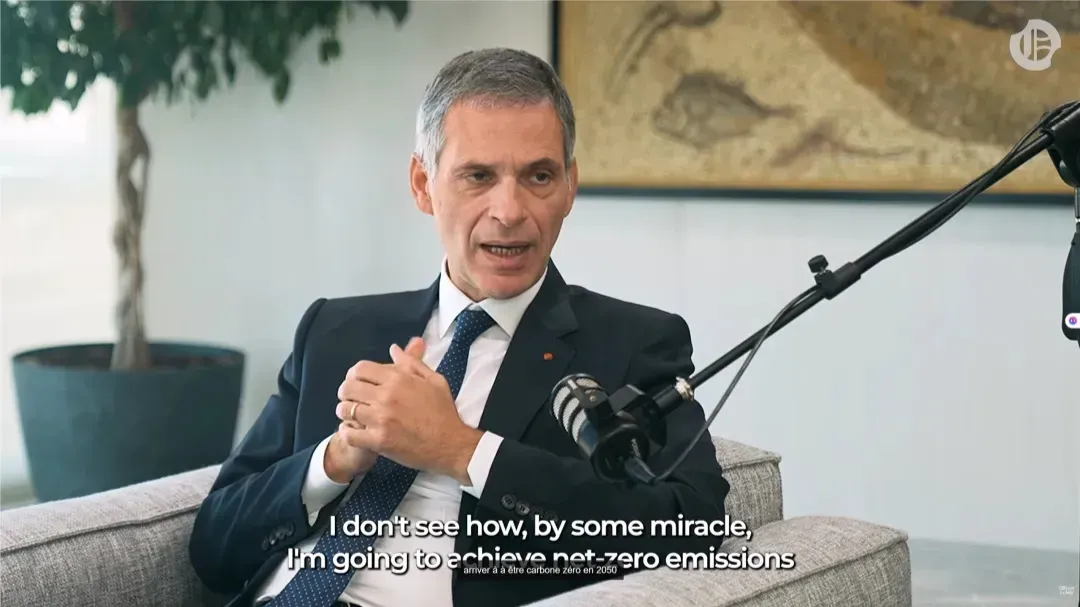
CMA CGM’s $1.4bn FedEx Supply Chain Deal: How Its Global Logistics Network Is Taking Shape
 Containers
CMA CGM vs Maersk: A New Arms Race Begins!
 Containers