


“We Are Buying Ships”: Why Dry Bulk Is Beating Expectations
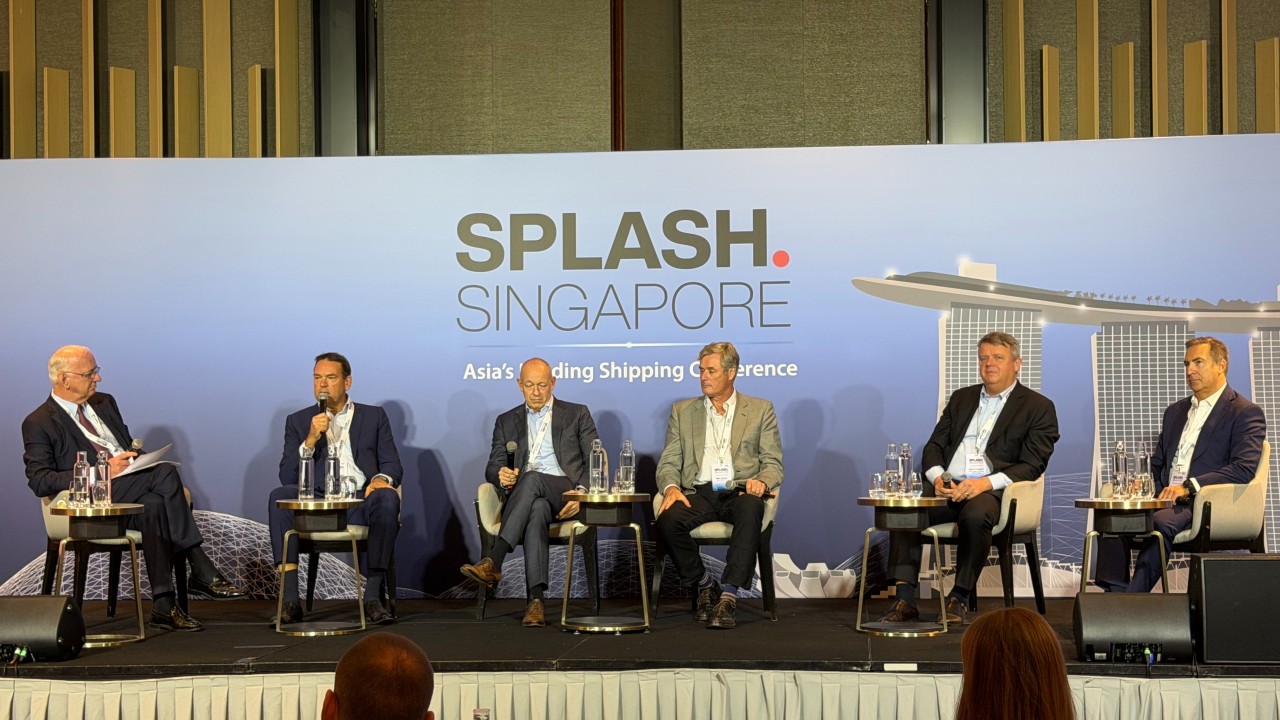

“We are buying ships.” That was DS NORDEN CEO Jan Rindbo ’s response when asked whether he saw greater upside or downside ahead for dry bulk. The company is shifting part of its capital exposure from tankers into dry cargo, buying younger secondhand vessels while also using long-term charters and purchase options to secure access to tonnage.
His remarks at Splash Singapore 2026 on 24 September reflected a positive assessment of the market’s medium-term prospects. Across the closing dry bulk discussion, executives pointed to a widening range of factors supporting freight demand: changing commodity origins, longer voyages, less flexible vessel deployment and the time required to replace an ageing fleet.
Their observations suggest that cargo volumes alone provide an incomplete explanation of the market’s strength. Understanding freight rates also requires examining how far cargo travels, how long vessels remain occupied and how much suitable capacity can reach a particular market when it is needed.
More Vessel Time for the Same Cargo
For G2 Ocean CEO Arthur English , one of this year’s surprises has been the strength of the market despite limited growth in minor bulk cargo volumes. Geopolitical disruption, port delays and declining supply-chain efficiency have helped sustain vessel demand. The same quantity of cargo can occupy more shipping capacity if voyages become longer, waiting times increase or deployment becomes more complicated.

Rindbo similarly said that dry bulk had performed better than NORDEN previously expected. Despite tariffs, sanctions and trade tensions, demand across several commodities handled by the company had remained resilient. At the same time, the global fleet was becoming less interchangeable. Trade restrictions, corporate compliance policies and differences in regional operating costs increasingly influence where individual vessels can trade competitively.
This fragmentation matters because fleet growth does not translate into equally available capacity everywhere. When some ships remain committed to particular trades and others cannot enter certain markets for commercial or compliance reasons, the industry’s ability to rebalance capacity weakens. For a charterer, the practical question is whether a suitable vessel can reach the right location within the required loading window.
Pacific Basin Shipping Limited CEO Martin Fruergaard added a trade perspective. Growth in parts of Africa and Southeast Asia, alongside changes in Chinese exports of steel and other industrial products, is creating and reshaping cargo flows. Economic pressure remains, but its effects vary considerably between regions and commodities. Those differences complicate operations while opening opportunities to connect cargoes and reposition ships.

The market’s resilience therefore reflects several forces operating together. Cargo demand, voyage distance, port turnaround and deployment flexibility all influence the balance between transport requirements and available ships. A change in any one of them can tighten a regional market even when the broader cargo picture appears relatively subdued.
West Africa Broadens the Capesize Demand Story
For Seanergy Maritime Holdings Corp. chairman and CEO Stamatis Tsantanis , Guinea’s Simandou iron ore project is an important variable in the outlook for large bulk carriers. He sees considerable potential in the shipping demand created as West African iron ore enters international markets, particularly through long-haul exports to China.
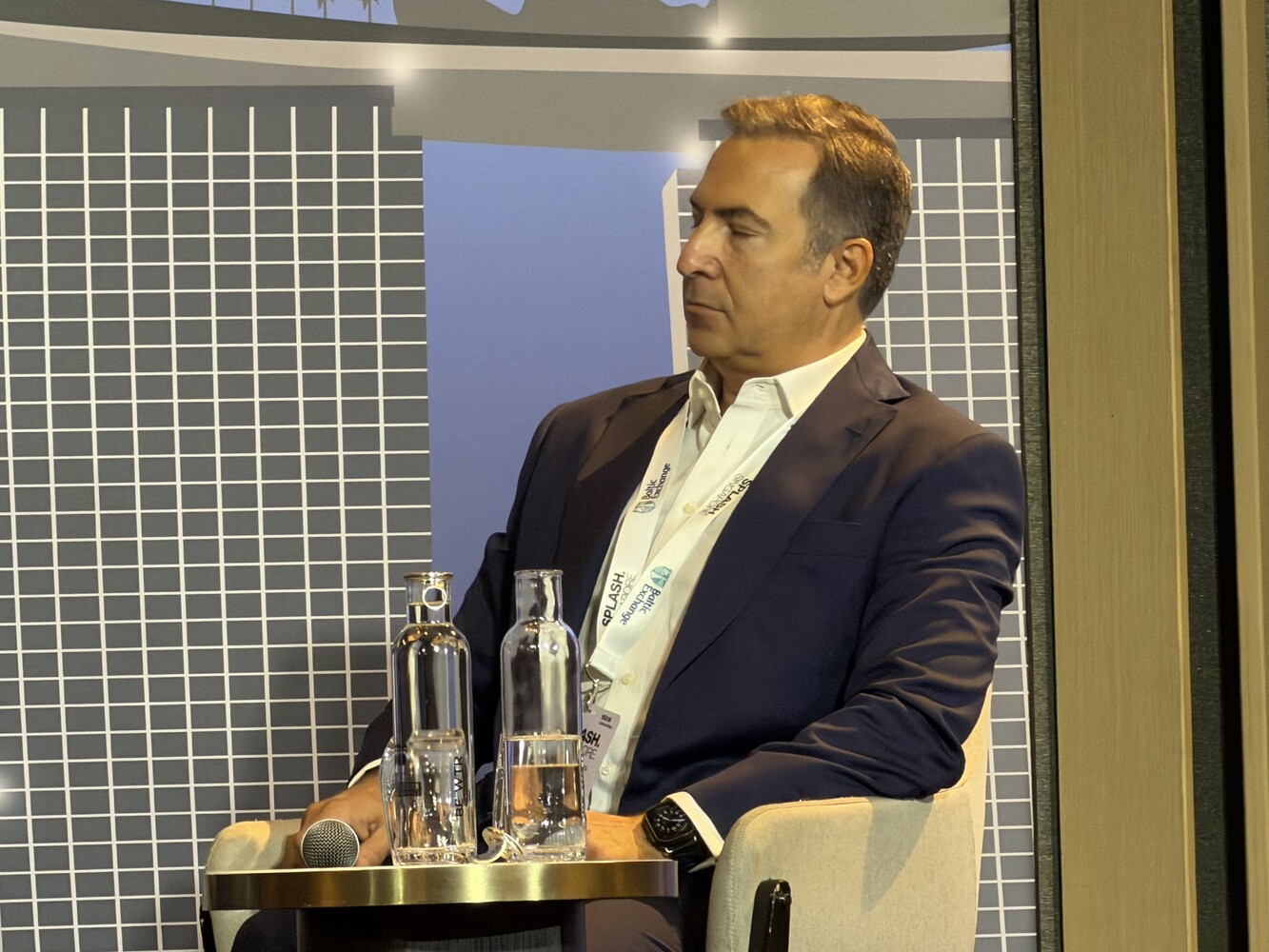
The effect depends heavily on changing supply origins. Even without a substantial increase in China’s total iron ore imports, shifting some purchases from a closer supplier to West Africa can increase the vessel time required to transport the same tonnage.
The substitution pattern remains critical, however. West African ore replacing Australian supply would have a different effect on tonne-mile demand from West African ore replacing another long-haul source. Production ramp-up, export schedules and final destinations will determine both the scale and timing of the additional shipping requirement.
Tsantanis also argued that China’s iron ore demand should be assessed across the steel industry rather than through property alone. Steel exports and changes in end-use demand influence production, raw-material procurement and shipping arrangements. Weakness in property remains a pressure, but its impact on seaborne iron ore demand depends on how the wider steel sector adjusts.
Rindbo highlighted another increasingly important Capesize cargo: bauxite. West African exports to China provide a long-haul employment base alongside iron ore. As both trades develop, mine output, port performance and the reliability of associated infrastructure will become increasingly relevant to shipping-market analysis.
Baltic Exchange CEO Mark Jackson’s observations reflected this geographical shift. He noted growing interest in routes and freight benchmarks connected with India and West Africa. As trading patterns evolve, owners, charterers and traders need benchmarks that reflect the business they conduct. Demand for new freight references is itself an indication of where commercial attention is moving.

Energy Transition and AI Investment Create Physical Cargo Flows
Rindbo also identified opportunities for smaller bulk carriers arising from the energy transition, industrial electrification and AI infrastructure investment. Copper concentrates, nickel, manganese and other industrial materials could support demand across Handysize, Supramax and related multipurpose shipping activities.
For shipping, AI therefore has implications beyond the use of digital tools in chartering and operations. Data centres, electricity generation and supporting infrastructure require physical materials and equipment. How much of that investment becomes seaborne cargo will depend on where those inputs are produced, where they are consumed and how supply chains are organised.
Rindbo said NORDEN already transports cargoes including wind-energy equipment and industrial batteries. Their shipping requirements differ from those of conventional bulk commodities. Some cargoes can occupy substantial hold or deck space relative to their weight, while also requiring particular handling arrangements.
Transported tonnes consequently tell only part of the commercial story. Vessel employment can also be shaped by cargo volume, stowage requirements, port capabilities and loading or discharge time. These factors matter particularly to operators combining conventional bulk cargoes with more specialised shipments.
New cargo streams can create opportunities, but converting them into returns requires suitable vessels, operating expertise and effective voyage planning. For companies with established customer relationships and cargo-handling capabilities, changes in the cargo mix may become an important source of growth.
Ageing Supports Renewal Demand, but Retirement Remains an Economic Decision
Fleet age was another important element of the executives’ medium-term outlook. Fruergaard pointed to the significant number of Handysize vessels approaching or exceeding 20 years of age, alongside the continued ageing of ships delivered during the previous shipbuilding boom.
That creates a requirement for renewal, but it does not establish a fixed timetable for vessels to leave the market. Strong freight earnings can justify further maintenance, surveys and continued operation. When earnings weaken, drydocking costs rise or customer requirements become more restrictive, the economics of keeping an older vessel trading can deteriorate.
Tsantanis similarly emphasised the effect of ageing on vessel selection in the large-bulker market. Some charterers restrict the employment of older ships. A vessel may remain operational while becoming ineligible for certain cargoes, meaning that the total fleet and the fleet acceptable to a particular customer group can develop differently.
That distinction is important when assessing effective supply. Older ships losing access to one segment may move into another trade, where they continue to influence the local capacity balance. The outcome could be a wider earnings gap between vessels of different ages and specifications, rather than an immediate reduction in global carrying capacity.
Assessing whether supply is tightening therefore requires looking at deliveries, actual recycling and the redistribution of ships between trades. Ageing provides potential retirement pressure; market conditions determine how quickly that pressure becomes a physical withdrawal of capacity.
Newbuilding Decisions Carry a Growing Waiting Cost
Owners seeking replacement tonnage face constraints of their own. Tsantanis described a market in which securing Capesize or Newcastlemax newbuilding slots increasingly means considering delivery around late 2029 or 2030. Large containerships, tankers and other vessel types are competing for shipyard capacity and equipment production.
Longer lead times change the investment calculation. Owners take on funding commitments, scheduled instalments and future delivery obligations well before a vessel starts earning. During that interval, freight markets, financing costs, fuel choices and regulatory requirements can all change. A price that appears reasonable at signing must ultimately be justified by operating conditions several years later.
Rindbo said this was an important reason NORDEN was not rushing to place large volumes of additional direct newbuilding orders. The company already has arrangements for new tonnage and continues to use long-term charters with purchase options. These structures provide access to vessels while preserving an opportunity to acquire ownership under agreed terms.
Younger secondhand vessels offer a different timing profile. They can enter service much sooner and can be matched more directly with current cargo requirements and market opportunities. NORDEN’s purchases reflect both its assessment of dry bulk’s risk-reward balance and its choice of how to gain exposure.
Fruergaard also questioned the assumption that newbuilding prices would fall quickly if shipyard order intake slowed. With delivery several years away, yards must account for future changes in labour, material and equipment costs when negotiating contracts.
Technology adds another consideration. English noted that different batches within the same series of new vessels could use different main-engine configurations. Owners therefore need to assess price, delivery timing and technical specifications together. Waiting for a lower headline price may leave other uncertainties unresolved.
More Complex Trade Strengthens the Role of Shipping Partners
Changing trade patterns are also reshaping the relationship between shipping companies and cargo owners. Rindbo said customers were increasingly diversifying procurement, adjusting supply chains and seeking alternative sources of supply. Shipping companies are participating in those discussions more closely than they did five or ten years ago.
When sourcing patterns are stable, customers can compare freight costs across familiar routes. When suppliers and origins change, the transport plan becomes part of the procurement decision itself. Vessel suitability, port access, shipment timing and the availability of capacity all affect whether an alternative source is commercially workable.
Fruergaard argued that this complexity can create opportunities for companies with scale, operating data and a global network. Tariffs, regional restrictions and shifting cargo flows make deployment harder, but they also increase the value of information and coordination. An operator able to connect cargoes across regions may reduce ballast time, improve utilisation and offer customers a more dependable service.
The same environment increases the burden of risk management. English pointed to the expanding range of issues companies must address, including sanctions, cybersecurity, carbon emissions and supply-chain disruption. These risks can interact: a regional conflict may simultaneously affect routing, vessel security, insurance costs and contractual performance.
Jackson emphasised the importance of recognising changes early. Companies cannot ensure that every assumption will hold, but they can monitor developments, identify departures from expectations and respond. For operators managing ships and cargoes across multiple markets, that capacity to detect and act on change is increasingly important to commercial performance.
Confidence Still Requires Supply Discipline
Despite his positive medium-term assessment, Tsantanis remained alert to renewed shipbuilding expansion. He likened some returning shipyards to “zombies” coming back to life, recalling the capacity growth associated with the previous shipbuilding boom. High vessel prices and attractive shipping earnings can once again encourage capital to enter the sector.
This concern is compatible with today’s tight delivery schedules. Limited near-term availability can support the market while capacity expansion creates a different supply picture several years later. Yard output, equipment availability, skilled labour and production efficiency all need to be monitored alongside the orderbook.
Demand-side support also has different levels of durability. West African mineral exports must progress through production ramp-up. Supply-chain changes generate additional shipping demand only to the extent that they alter actual trade flows and distances. Port congestion and diversions, meanwhile, can release vessel capacity when conditions improve.
These distinctions matter when committing capital. A growing long-haul cargo base and a temporary loss of fleet efficiency may both support freight rates, but they carry different implications for an investment expected to earn over many years.
Rindbo’s statement—“We are buying ships”—was a description of a commercial decision under current conditions. NORDEN’s use of secondhand purchases, long-term charters and purchase options shows how a positive market view can be expressed through different investment structures. For dry bulk owners, the opportunity lies in matching changing trade requirements with the right vessels, at a price and delivery date that leave room for the market to evolve.


READ MORE
 Dry Cargo
Can Dry Bulk Match Tankers’ Earnings?
 Dry Cargo
How Much Longer Can Dry Bulk Stay Strong?
 Dry Cargo
Yangzijiang Maritime Orders 4+2 Kamsarmaxes as Watts Energy Expands into Merchant Shipbuilding
 Dry Cargo
Paliou Urges Fleet Discipline as Dry Bulk Faces Rising Supply and Changing Demand
 Dry Cargo
Yangzijiang Maritime linked to 4+2 Kamsarmax order
 Dry Cargo
Black Sea Wheat Loadings Plunge 78% as Grain Trade Reroutes
 Dry Cargo
China Merchants Signs $2.8 Billion-Plus Simandou Shipping Deal
 Dry Cargo
Seaspan Enters Newcastlemax Market, with Yangzijiang Set to Build Two Tri-Fuel Ore Carriers
 Dry Cargo
Shipowners Bet on Ultramaxes: 42 Ships for Chinese Yards, Deliveries Stretch into 203
 Dry Cargo