


Global Dockworker Strike Reaches 113 Ports: Greek Ferry Services Disrupted as Unions Mobilise Worldwide


More than 25 trade unions are backing coordinated strikes and demonstrations across 22 countries on October 30, opposing the use of ports for arms shipments. Ferry services in Greece have been disrupted, while the scale of cargo-handling interruptions at other major ports remains unclear.
Dockworkers and maritime unions across 22 countries are taking part in coordinated industrial action on Friday, October 30, with organisers reporting support from more than 25 trade unions across 113 ports.
The international mobilisation, organised under the banner of opposition to war and the use of commercial ports for arms shipments, covers major shipping hubs in Europe, the Mediterranean, Asia and the Americas.
The action has prompted concerns over potential disruption to cargo handling, vessel schedules and inland logistics. However, participation varies between locations, with some unions calling full-day strikes and others organising shorter stoppages or demonstrations.
Greece has emerged as one of the locations where disruption to maritime services has been clearly identified, with ferry operations affected at seven ports.
113 ports across 22 countries
The mobilisation was initially launched by dockworkers' unions in Italy, France, Greece, the Basque Country in Spain, Türkiye and Morocco. It subsequently gained support from more than 25 unions, expanding to 113 ports in 22 countries, according to figures cited by Reuters.
Among the major ports named in connection with the action are:
-
Germany: Hamburg
-
Spain: Valencia and Algeciras
-
France: Le Havre and Marseille
-
Italy: Genoa, Livorno, Trieste, Civitavecchia, Ancona, Ravenna and Gioia Tauro
-
Greece: Piraeus and other major ports
-
Morocco: Tanger Med
-
Türkiye: Mersin
-
India: Nhava Sheva
-
United States: San Francisco and Oakland
-
Mexico: Veracruz

The participating labour organisations include Italy's Unione Sindacale di Base (USB) and ORSA Porti, France's CGT Ports et Docks, Greece's ENEDEP, the Basque union LAB, Türkiye's Liman-İş, Morocco's ODT, Germany's ver.di port section and the International Longshore and Warehouse Union (ILWU) Local 10 in the United States.
The European Dockworkers Council has also been reported as supporting the mobilisation.
The unions are calling on port workers to oppose the handling and movement of weapons, ammunition and military equipment destined for conflict zones. They have also raised concerns about the militarisation of port infrastructure and the impact of automation on port employment.
The initiative follows coordination among European and Mediterranean dockworkers' organisations, including discussions held in Istanbul in May.
Greek ferry services disrupted as separate labour actions converge
Greece is among the countries facing clearly identified disruption to maritime services on October 30.
Three seafarers' unions have called a 24-hour strike affecting ferry services at seven ports and crossings: Piraeus, Rafina, Lavrio, Patras, Igoumenitsa, Elefsina and Rio–Antirrio.
The unions involved include the Panhellenic Marine Engineers' Union (PEMEN), the Panhellenic Union of Merchant Marine Sailors (PENEN) and the engine crew union O Stefenson.
Their demands include improved collective labour agreements, a 12% pay increase, stronger safety protections for crews operating in conflict zones, adequate staffing levels and better working conditions.
The unions have also called for a seven-hour working day, a five-day working week and improved medical provision on board vessels.
Separately, Greece's Federation of Permanent Port Employees (OMYLE) has announced a three-hour work stoppage in Piraeus, from 10:00 am to 1:00 pm, local time.
The Piraeus Labour Centre has also called a wider 24-hour strike.
These actions overlap with the international dockworkers' mobilisation but are not all part of the same industrial dispute. In particular, the seafarers' strike is based on employment conditions and crew safety demands, alongside the broader international protest against arms shipments.
The result is a combination of industrial actions affecting both port workers and maritime transport personnel.
Italy registers nationwide port-sector strike
Italy is another important centre of the mobilisation.
The country's transport ministry has registered a nationwide 24-hour strike involving port-sector workers on October 30. Ports named in connection with the action include Genoa, Livorno, Trieste, Civitavecchia, Ancona, Ravenna and Gioia Tauro.
However, the expected impact is not uniform.
A spokesman for the Port of Genoa told Reuters that only limited disruption was expected there, illustrating the difference between union participation and the actual operational consequences at individual terminals.
For France, Germany, Spain and India, ports including Le Havre, Marseille, Hamburg, Valencia, Algeciras and Nhava Sheva have been identified as locations connected with the mobilisation.
At the time of reporting, independently confirmed information on the extent of cargo-handling stoppages, terminal closures and vessel delays at these locations remained limited.
The presence of a port on the organisers' list should therefore not be interpreted as confirmation that its entire operation has stopped.
Potential implications for shipping and supply chains
The main operational concern is the possibility of interruptions to cargo-handling activities at several ports within the same period.
Even a temporary stoppage at an individual terminal can affect vessel turnaround times, berth availability and the movement of cargo between ships, terminals and inland transport networks.
If industrial action occurs simultaneously at multiple ports, shipping companies and logistics operators may also face difficulties coordinating alternative berthing arrangements, cargo connections and delivery schedules.
For container shipping, delays in loading and discharge could affect terminal productivity and subsequent vessel rotations. The extent of any knock-on effects will depend on the duration of stoppages, the number of workers participating and whether terminal operations can recover quickly after the action.
For vehicle carriers, bulk carriers and other specialised shipping segments, the impact will depend on whether the affected terminals handle the relevant cargoes and whether loading or discharge operations are directly interrupted.
The action also draws attention to the role of commercial ports in military logistics.
Organisers are seeking to challenge the use of port infrastructure for the movement of weapons and military equipment. This places the relationship between commercial port operations, international trade and military supply chains at the centre of the protest.
However, there is currently no verified evidence that the action has resulted in a widespread suspension of military cargo movements across the participating ports.
Organisers' estimates yet to be independently verified
The scale of the potential disruption has attracted considerable attention.
Organisers estimate that the action could affect more than 40% of Mediterranean cargo flows and involve goods worth over US$2 billion.
These figures are estimates released by the unions, rather than confirmed measurements of cargo already delayed or disrupted.
The actual impact will depend on participation rates at individual ports, the duration of work stoppages and the ability of terminal operators to maintain or restore operations.
For shipping companies, cargo owners and freight forwarders, the immediate priority is to monitor individual port and terminal notices, confirm vessel schedules and check whether cargo operations are proceeding as planned.
The October 30 mobilisation represents a coordinated international labour action spanning multiple regions. Its significance for the shipping industry will ultimately be determined not by the number of ports listed by organisers, but by the extent to which cargo handling and vessel operations are actually affected.


READ MORE
 Ports & Terminals
HONG KONG MARITIME WEEK 2026 10TH ANNIVERSARY 15-21 NOVEMBER
 Ports & Terminals
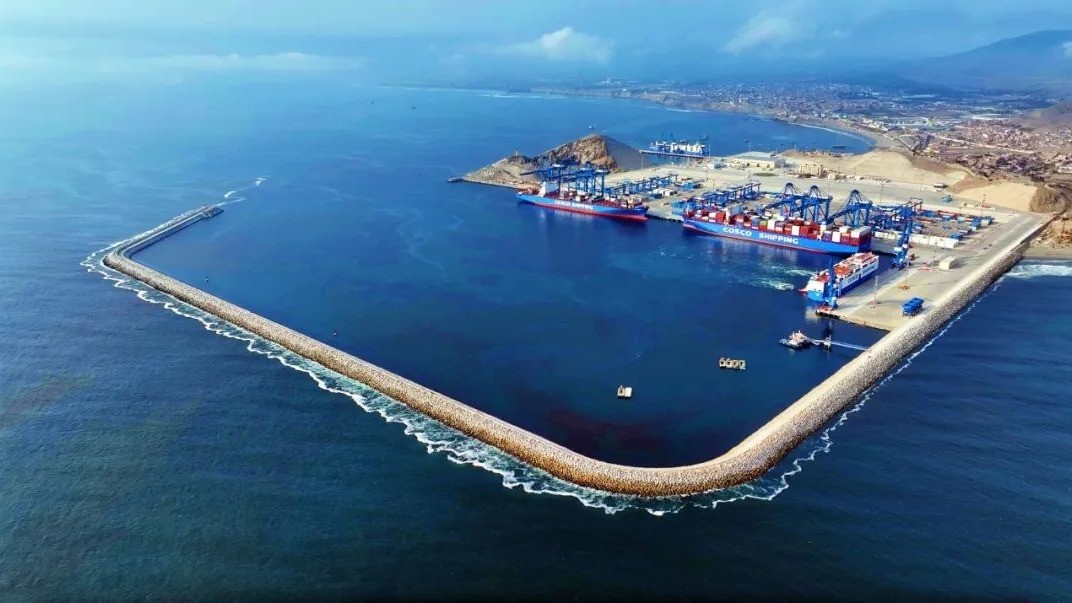
Chancay Port: Defending Legitimate Investment Through the Rule of Law
 Ports & Terminals
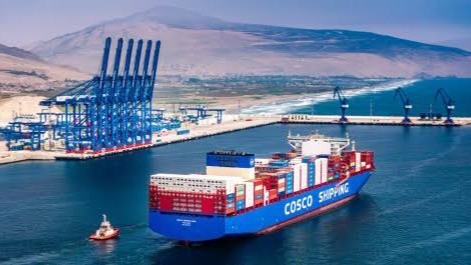
Chancay Port: A Gateway for Trade, Competition and Shared Prosperity
 Ports & Terminals
US Proposes Extending Port Fee Relief for Chinese-Owned and Chinese-Built Ships
 Ports & Terminals
Can a 134-Kilometre Canal Redraw China’s Shipping Map?
 Ports & Terminals
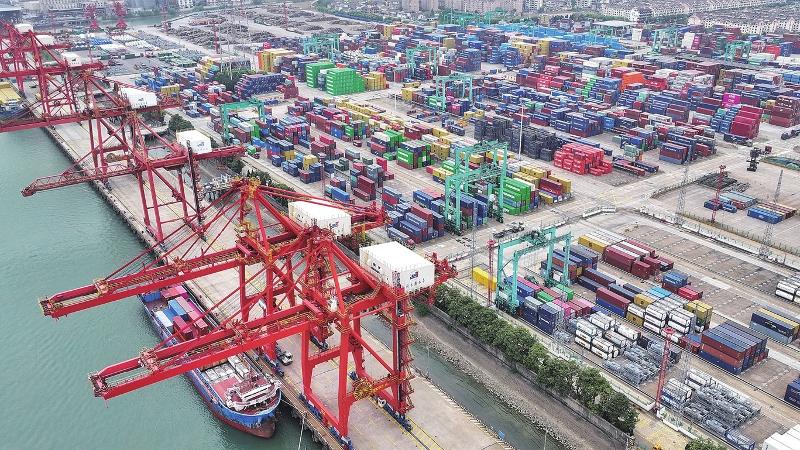
Yantian Port plans RMB3.79bn Zhangjiagang terminal
 Ports & Terminals
Vietnam’s Cai Mep Terminals Open 1,200-Metre Shared Berth
 Ports & Terminals
Ningbo Port’s September Box Volumes Rebound 9.3%
 Ports & Terminals
Germany Blocks COSCO’s Zippel Deal, Testing Inland Logistics Expansion
 Ports & Terminals