


China and US Extend Suspension of Maritime Measures Until January 2027: Implications for Global Shipping


The latest decisions keep US port fees on Chinese-linked shipping and China's special charges on US vessels on hold for another two months. For international carriers, the extension removes an immediate source of cost uncertainty, but the longer-term implications for shipbuilding and maritime supply chains remain unresolved.
China and the United States have extended the suspension of maritime measures affecting their respective shipping industries until January 2027, maintaining a temporary pause in a dispute that has involved port charges, shipbuilding policies and maritime supply chains.
On November 9, China's Ministry of Transport announced that it would continue suspending the collection of special port fees on US vessels, together with an investigation into the impact of US measures on China's shipping, shipbuilding and related industrial supply chains. The suspension will remain in place until January 10, 2027.
Separately, the Office of the United States Trade Representative (USTR) announced a further two-month suspension of its Section 301 actions targeting China's maritime, logistics and shipbuilding sectors. The suspension covers maritime transport service fees and certain duties on Chinese-made ship-to-shore cranes and other cargo-handling equipment. It will run through 11:59 p.m. Eastern Time on January 9, 2027.
The two decisions follow the eighth round of China-US economic and trade consultations. They provide temporary continuity for international shipping operations, although neither announcement represents a permanent settlement of the underlying dispute.
How the maritime dispute developed
The dispute began with a Section 301 investigation launched by USTR in April 2024, following a petition filed by five major US labour unions.
The petition called for an investigation into China's policies and practices in the maritime, logistics and shipbuilding sectors. USTR subsequently determined that the practices identified in its investigation were actionable under Section 301 of the US Trade Act of 1974.
In April 2025, the US announced measures including fees on certain maritime transport services involving Chinese vessel operators and Chinese-built ships calling at US ports. It also introduced duties targeting Chinese-made ship-to-shore cranes and other port-handling equipment.
The measures were subsequently modified in October 2025, including changes to the fee structure and applicable exemptions.
China responded with its own measures in October 2025, introducing special port fees on US-linked vessels calling at Chinese ports and launching an investigation into the effects of US actions on China's shipping, shipbuilding and related supply chains.
In November 2025, both countries suspended their respective measures for one year as part of a broader trade understanding. The latest announcements extend that suspension for a further two months.
Why international container shipping companies are exposed
One of the most important commercial aspects of the dispute is the international liner industry's reliance on Chinese shipbuilding.
According to UNCTAD's Review of Maritime Transport 2025, based on fleet data as of May 2025, Chinese-built vessels account for substantial portions of the fleets operated by major international container carriers.

The figures demonstrate the extent to which Chinese shipyards are integrated into the global container shipping industry.
For international carriers, the potential impact of the US measures extended beyond Chinese shipping companies. Foreign operators using Chinese-built vessels could also fall within the scope of the US fee framework, depending on vessel characteristics and applicable exemptions.
This created an additional consideration for fleet deployment, port-call planning and newbuilding decisions.
The suspension means that the relevant fees will not accrue during the extended period. It therefore removes an immediate potential cost for affected operators, although the actual financial benefit will vary according to individual fleet composition and trading patterns.
The commercial considerations behind the suspension
The US measures were introduced as part of a broader effort to address what Washington identified as China's industrial policies and competitive position in maritime manufacturing.
However, the measures also generated concerns among some industry participants about their potential impact on shipping costs and US trade.
In its November 9 notice, USTR reported receiving approximately 60 unique comments on the proposed extension. Some supported further suspension, citing the potential to avoid higher shipping costs and commercial disruption while negotiations continued.
Other submissions opposed the extension, arguing that maintaining the measures would create incentives for investment in US shipbuilding and related industries.
Some respondents also called for permanent suspension of certain maritime service fees, while views on duties affecting port equipment differed.
These responses illustrate the range of commercial interests involved. Shipping companies, port operators, equipment suppliers, shipbuilders and cargo interests do not necessarily have the same priorities.
For international carriers, the immediate concern is operational cost and predictability. For US shipbuilders and equipment manufacturers, the longer-term issue is whether domestic industrial capacity can expand sufficiently to compete in a market where Chinese shipyards have a substantial established position.
What happens after January 2027?
The next key milestone is January 10, 2027, when the current suspension periods are scheduled to end.
Three areas deserve attention.
Further trade negotiations
USTR has stated that discussions with China remain ongoing and that it will continue monitoring the issues raised in its Section 301 investigation. Whether another extension or a more permanent arrangement emerges will be important for shipping companies making medium- and long-term investment decisions.
US commercial shipbuilding capacity
The suspension does not mean that the US has abandoned its efforts to expand domestic shipbuilding. USTR has explicitly stated that it will continue working to increase domestic commercial shipbuilding capacity, develop the maritime workforce and cooperate with key international partners.
The pace of investment, shipyard expansion and newbuilding orders will therefore remain relevant developments.
Fleet deployment and newbuilding decisions
For international carriers, the dispute raises a broader question about the relationship between shipbuilding location and access to major trading markets.
Chinese shipyards remain important suppliers to the global merchant fleet. Any future changes to port charges based on vessel construction, ownership or operation could influence the commercial considerations behind fleet procurement and deployment.
For now, the extension allows shipping companies to continue operating without the suspended charges and duties taking effect. However, the underlying policy questions surrounding maritime manufacturing, international competition and supply-chain resilience remain open.
The key issue for the shipping industry is no longer simply whether the current suspension will be extended. It is how future US and Chinese maritime policies will affect the cost, deployment and sourcing of the world's merchant fleet.


READ MORE
 Ports & Terminals
Qingdao Port and Singapore MPA Sign Green and Digital Shipping Work Plan
 Ports & Terminals
Global Dockworker Strike Reaches 113 Ports: Greek Ferry Services Disrupted as Unions Mobilise Worldwide
 Ports & Terminals
US Proposes Extending Port Fee Relief for Chinese-Owned and Chinese-Built Ships
 Ports & Terminals
China Extends Suspension of Special Port Fees on US Ships Until January 2027
 Ports & Terminals
HONG KONG MARITIME WEEK 2026 10TH ANNIVERSARY 15-21 NOVEMBER
 Ports & Terminals
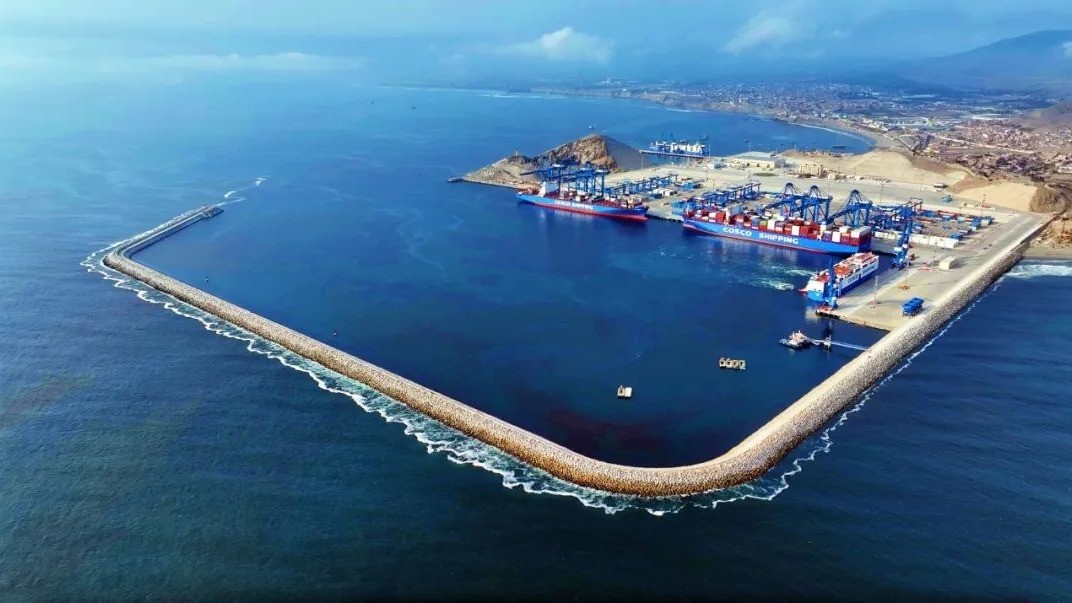
Chancay Port: Defending Legitimate Investment Through the Rule of Law
 Ports & Terminals
Chancay Port: A Gateway for Trade, Competition and Shared Prosperity
 Ports & Terminals
Can a 134-Kilometre Canal Redraw China’s Shipping Map?
 Ports & Terminals
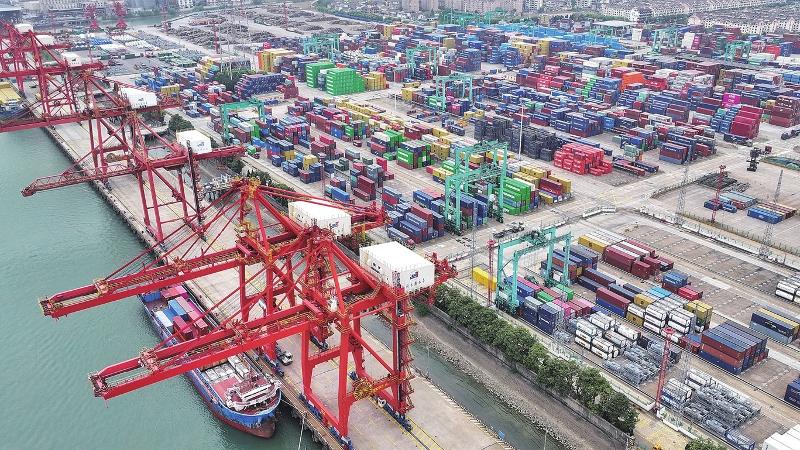
Yantian Port plans RMB3.79bn Zhangjiagang terminal
 Ports & Terminals