


US Fees on Chinese-Built Ships May Be Delayed Until January, Pending USTR Action
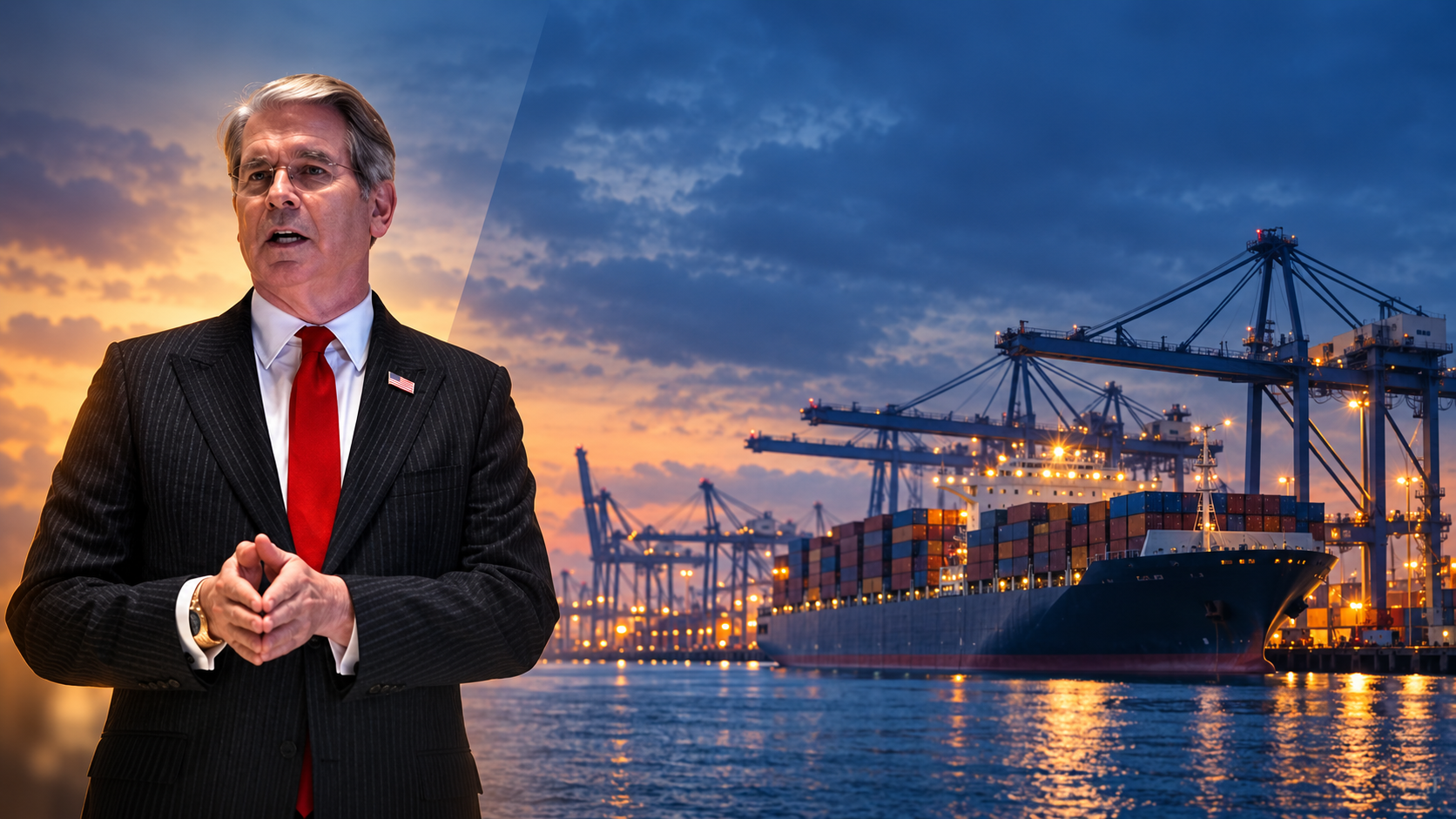

An extension of the wider US–China trade understanding could give carriers more time to plan vessel deployments. The existing legal notice, however, still puts the end of the fee suspension in November.
US fees targeting Chinese-built and China-linked ships could remain suspended until January 2027 following an extension of a broader trade understanding with Beijing. But the Office of the United States Trade Representative (USTR) has yet to confirm a change to the vessel-fee timetable, leaving carriers and cargo owners planning against a November 9, 2026 expiry.
Treasury Secretary Scott Bessent said on September 23 that the two countries had agreed to extend what he called the “Busan agreement” until January 10, 2027. The Journal of Commerce subsequently reported that the ship fees were likely to remain off the table until January. Bessent’s statement did not, by itself, amend the USTR measure.
The November deadline remains in force
USTR’s published notice suspends the maritime measures from November 10, 2025, through 11:59 p.m. Eastern Standard Time on November 9, 2026. During that period, operators do not accrue liability for the covered vessel service fees. A further delay—and its precise scope—requires a new official decision.
The rules distinguish between Chinese-owned or Chinese-operated vessels and Chinese-built vessels operated by other companies. They do not impose one uniform charge on every ship with a connection to China. Fees are assessed by voyage rather than at every US port call, are not stacked on the same voyage, and are capped at five assessments per vessel per year. Exemptions and vessel-size thresholds also matter.
The potential cost is substantial enough to affect deployment decisions. Under USTR’s existing rate schedule, the charge for a Chinese-owned or Chinese-operated vessel would be $80 per net ton at the rate dated April 17, 2026. For a qualifying Chinese-built vessel operated by a non-Chinese company, the schedule specifies the higher of $23 per net ton or $153 per container discharged. These are rates in the suspended measure, not fees currently being collected. Whether they take effect after November depends on USTR’s next action.
Cargo owners face uncertainty over costs
A September 23 letter from more than 200 trade and transport associations urged USTR to extend the suspension. Its signatories—including shipping, retail, manufacturing, agriculture and logistics groups—argued that renewed fees could influence vessel deployment and feed through to transport surcharges and cargo costs. Those are concerns raised by the coalition, not evidence that carriers have announced new charges.
For an importer, a surcharge would raise the landed cost of goods. For an exporter, it could make a shipment less competitive. The effect would vary by vessel, service and contract: a cargo owner generally does not choose where the ship carrying its goods was built, while a carrier may have some ability to change ships assigned to a US service. A brief postponement would give both parties more time to plan, but would leave the longer-term policy question unresolved.
China’s corresponding measure has its own timetable
Beijing introduced a special port fee for certain US-linked vessels in 2025, then suspended the measure for one year from November 10, 2025, alongside the US suspension. China’s Ministry of Transport rules cover several connections to the United States, including ownership, operation, flag and place of construction; they also provide exemptions in specified circumstances.
An extension of the wider bilateral trade arrangement does not automatically change either country’s published vessel-fee rules. If Washington delays its charges, operators will also need to know whether Beijing formally extends its corresponding suspension. Different restart dates or coverage on the two sides would complicate cost estimates for ships serving both US and Chinese ports.
For Chinese shipowners, a confirmed extension would postpone a potential cost on affected US voyages. For shipbuilders, it would temporarily ease one concern facing customers assessing Chinese-built tonnage for US trades. Neither outcome can yet be treated as a lasting change in fleet purchasing or newbuilding demand.
The immediate test is documentary: whether USTR issues a revised notice, what it covers and when it takes effect. Until then, January remains a reported possibility for the ship fees, while November 9 remains the expiry date in the published US measure.


READ MORE
 Ports & Terminals
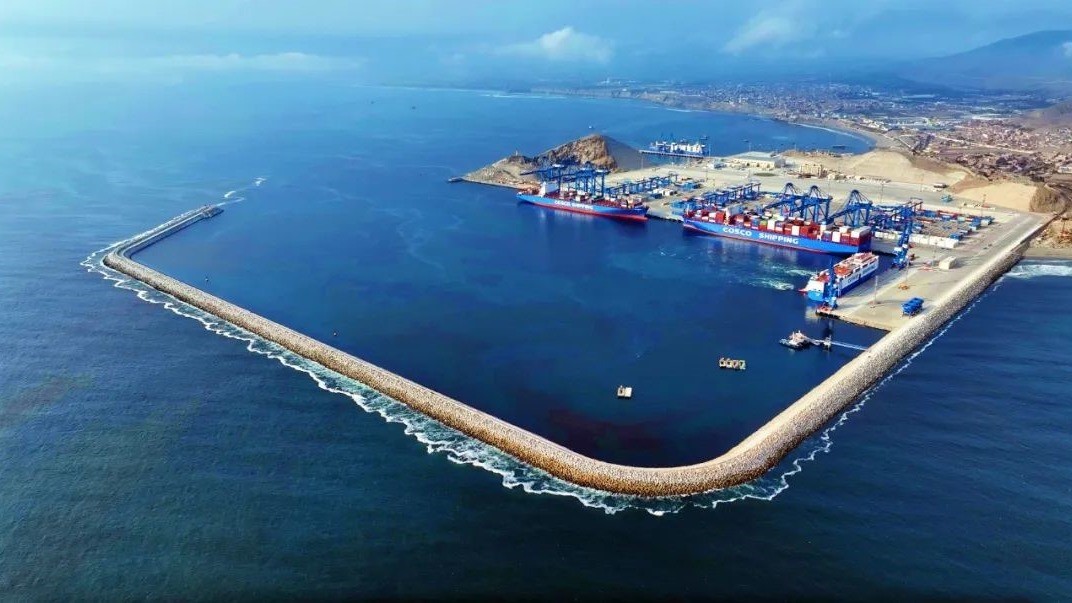
Chancay Port: Defending Legitimate Investment Through the Rule of Law
 Ports & Terminals
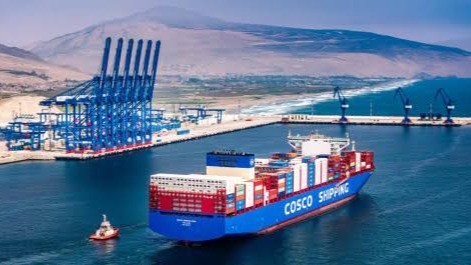
Chancay Port: A Gateway for Trade, Competition and Shared Prosperity
 Ports & Terminals
Can a 134-Kilometre Canal Redraw China’s Shipping Map?
 Ports & Terminals
HONG KONG MARITIME WEEK 2026 10TH ANNIVERSARY 15-21 NOVEMBER
 Ports & Terminals
Yantian Port plans RMB3.79bn Zhangjiagang terminal
 Ports & Terminals
Vietnam’s Cai Mep Terminals Open 1,200-Metre Shared Berth
 Ports & Terminals
Ningbo Port’s September Box Volumes Rebound 9.3%
 Ports & Terminals
Germany Blocks COSCO’s Zippel Deal, Testing Inland Logistics Expansion
 Ports & Terminals
Keep buying!Inside the Maersk Family’s Infrastructure Buying Spree——From 70-Plus Ships to 50-Plus Terminals
 Ports & Terminals