

Trump angin. US Shadow Fleet Law Raises New Risks for China’s Russian Oil Trade
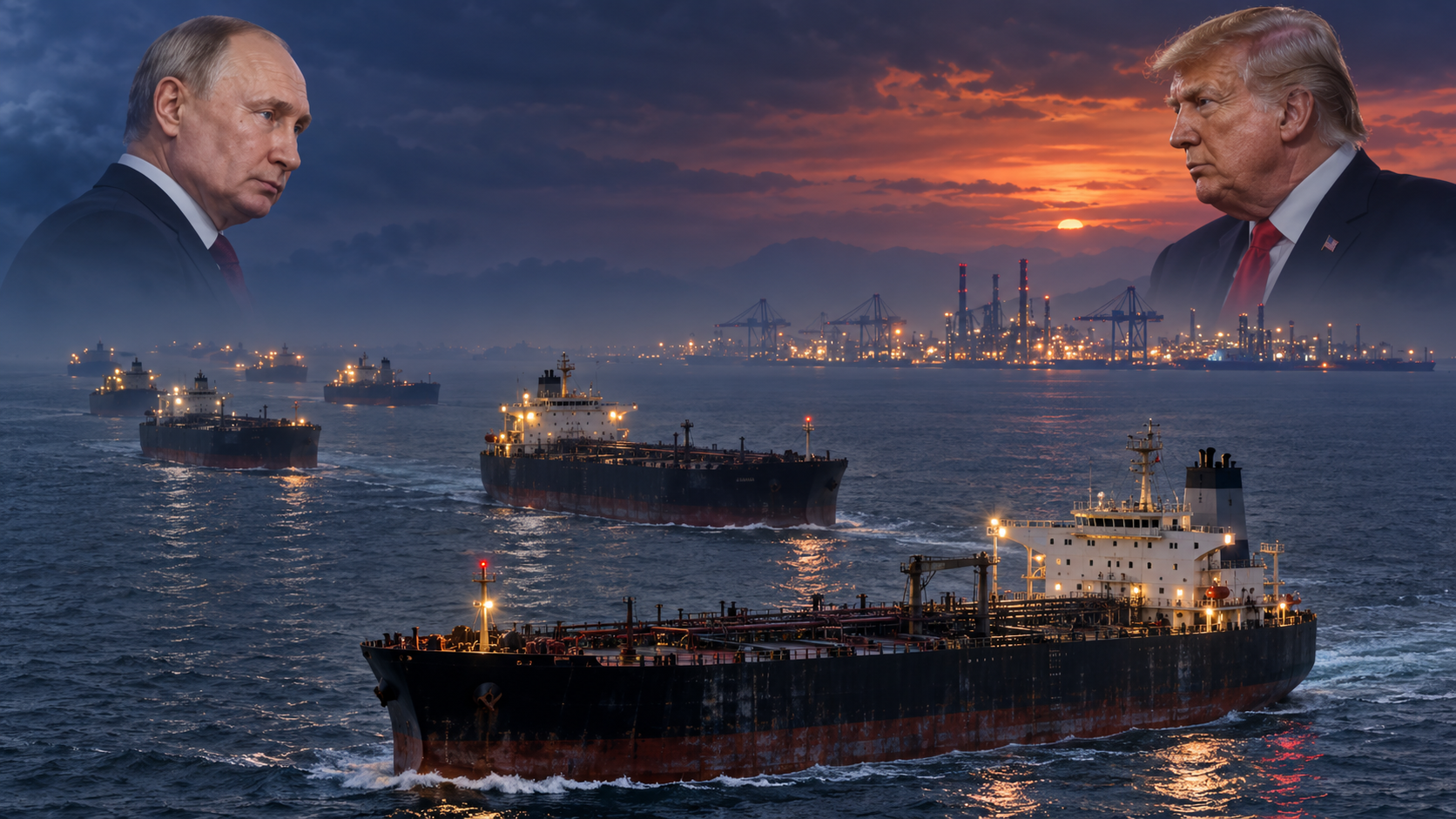

Washington’s latest sanctions law targets the shipping networks supporting Russian energy exports and authorises tariffs of up to 100% against major buyers. The tariff threat is significant, but its application will depend on decisions still to be taken by the Trump administration.
US President Donald Trump has signed legislation expanding sanctions against Russia’s energy and defence sectors, bringing the vessels, companies and service providers behind Moscow’s oil exports under renewed scrutiny.
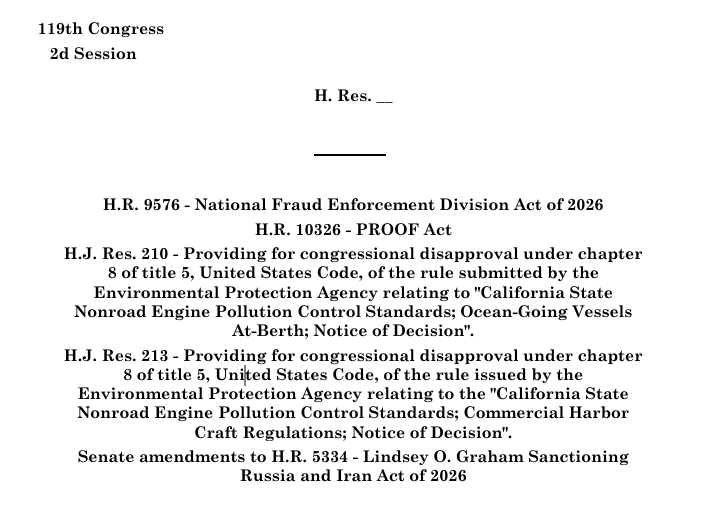
The Lindsey O. Graham Sanctioning Russia and Iran Act of 2026, signed on September 18, targets sanctions-evasion networks and Russia’s so-called shadow fleet. It also authorises the president to impose tariffs of up to 100% on countries that continue buying Russian energy or assist Moscow in circumventing restrictions, potentially exposing major customers including China and India.
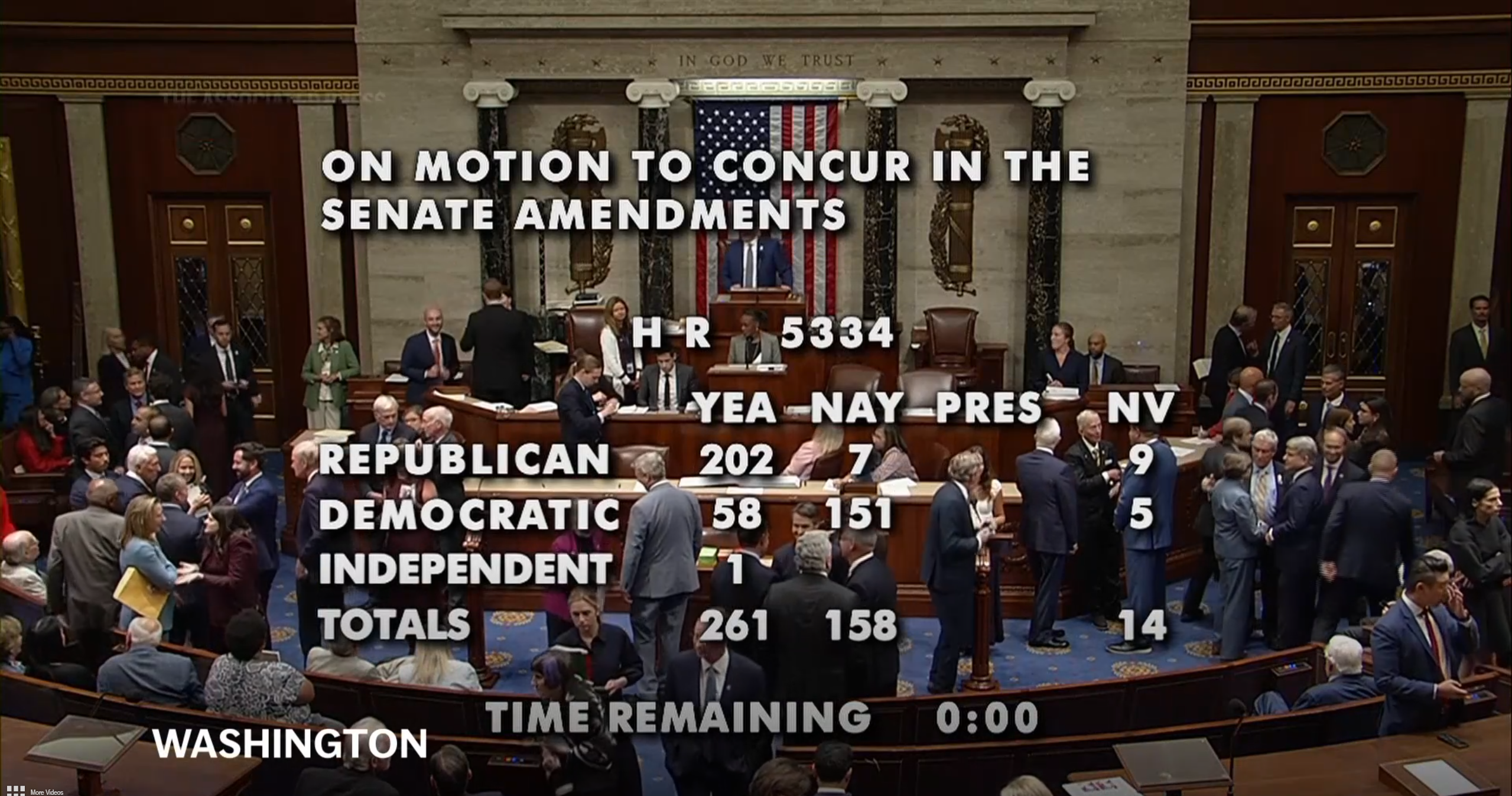
The legislation cleared the House of Representatives by 262 votes to 159 on September 16 after passing the Senate in August. It also extends measures relating to Iran, although its most immediate shipping implications concern the transport and sale of Russian oil.
A tariff power, not an automatic 100% levy
The distinction between authorisation and implementation is central to understanding the law.
Trump now has statutory authority to impose tariffs reaching 100%, but the legislation does not mean that every country importing Russian oil immediately faces a blanket levy at that rate. The administration retains discretion over which countries are targeted, the tariff level applied and whether exemptions are granted to governments judged to be reducing their dependence on Russian energy.
That makes the next steps by the White House, the US Treasury and the Office of Foreign Assets Control more important to shipping companies than the headline tariff figure alone. Implementing guidance will determine which vessels, owners, traders, banks and maritime service providers fall within the enforcement perimeter.
The direct sanctions and the tariff provisions also operate differently. A tanker or owning company placed on an OFAC list may lose access to dollar transactions, insurance, finance, ports and counterparties regardless of whether Washington imposes a country-level tariff. The tariff power, by contrast, is intended to place economic pressure on governments and major energy buyers that continue trading with Russia.
China sits at the centre of the enforcement question
China’s position as a leading buyer of Russian crude makes it the clearest test of how aggressively Washington intends to use its new powers.
Chinese imports of Russian oil were provisionally estimated by Kpler at a record 2.083 million barrels per day in February 2026, up from 1.718 million bpd in January. The increase included cargoes carried by sanctioned vessels linked to the shadow trade, according to data reported by Reuters.
The commercial exposure is nevertheless uneven. Older tankers operating through opaque ownership structures, frequently changing flags or relying on lesser-known insurers face a different risk profile from mainstream Chinese shipowners, banks and refiners that maintain access to Western financial and insurance markets.
For the latter group, the law could reinforce an existing tendency to screen vessels, beneficial owners, insurers and payment chains more closely. Even without immediate tariffs against China, additional vessel designations could narrow the pool of available tonnage, complicate settlement and increase the cost of transporting Russian crude.
Ports and cargo receivers could also face more difficult decisions over whether to accept a tanker whose ownership, flag or insurance arrangements have recently changed. A vessel does not need to be Chinese-owned for its designation to disrupt a China-bound cargo.
Enforcement will determine the market impact
The new law strengthens Washington’s ability to move beyond individual ships and pursue the wider commercial network supporting Russian exports. Its practical effect, however, will depend on how quickly the administration issues guidance, names additional vessels and counterparties, and invokes its tariff authority.
For tanker markets, the immediate consequence is therefore not the automatic removal of Russian barrels or China-bound cargoes. It is a wider compliance divide between ships capable of operating within mainstream finance and insurance systems and those dependent on the increasingly segregated shadow trade.
The 100% figure may dominate the political headlines. For shipowners, charterers and oil buyers, the first OFAC designations and implementing decisions will matter more.

READ MORE
 Tankers
Seven Months, $78 Million: George Procopiou Reaps Windfall on Hengli-Built VLCC
 Tankers
VLCCs top $1m a day — but what price is TD3C actually discovering?
 Tankers
Nearly $1 Billion: Dynacom Orders 8More Ships as Hengli Tops Global 2026 VLAC Orders
 Tankers
$64,569 !!! Record ClarkSea Index Masks a Shipping Boom Built on Different Forces
 Tankers
$862,150 a Day: VLCC Rates Set Another Record as Global Composite Nears $500,000
 Tankers