

Contracts Signed for 10 Methanol Single-Fuel Coastal Bulk Carriers

A project for 10 methanol single-fuel electric-propulsion coastal bulk carriers has made new progress in China. The vessel type is in the 23,500–23,600 dwt range. The design approval agreement and the propulsion system supply contract have both been signed, marking the project’s move into the implementation stage.
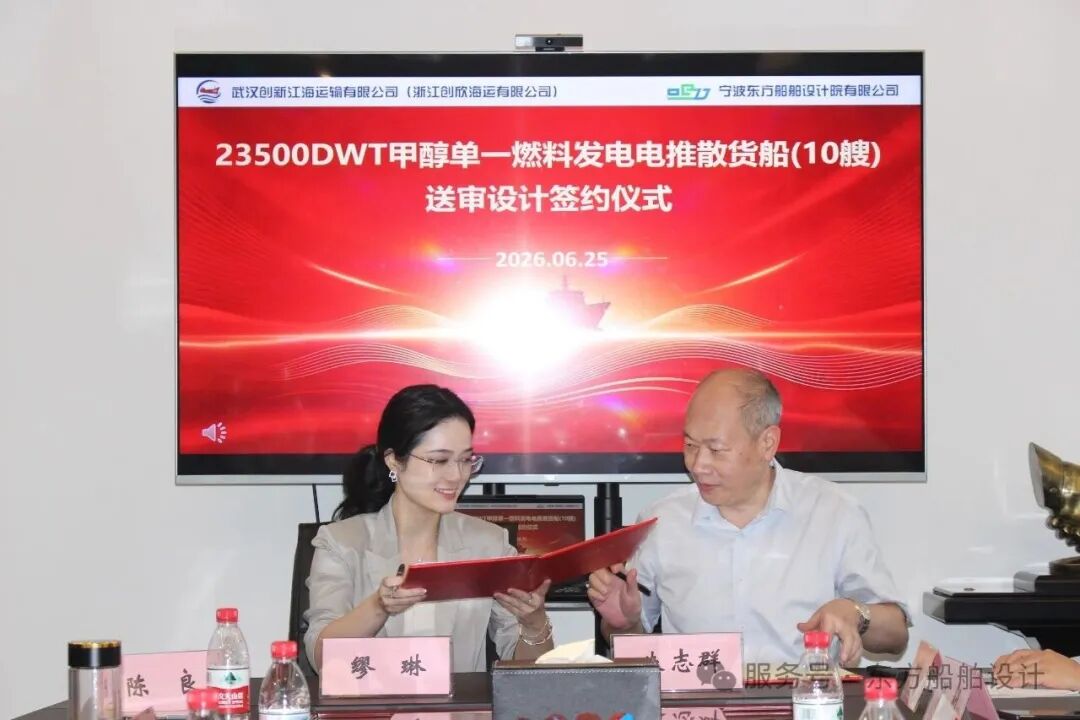
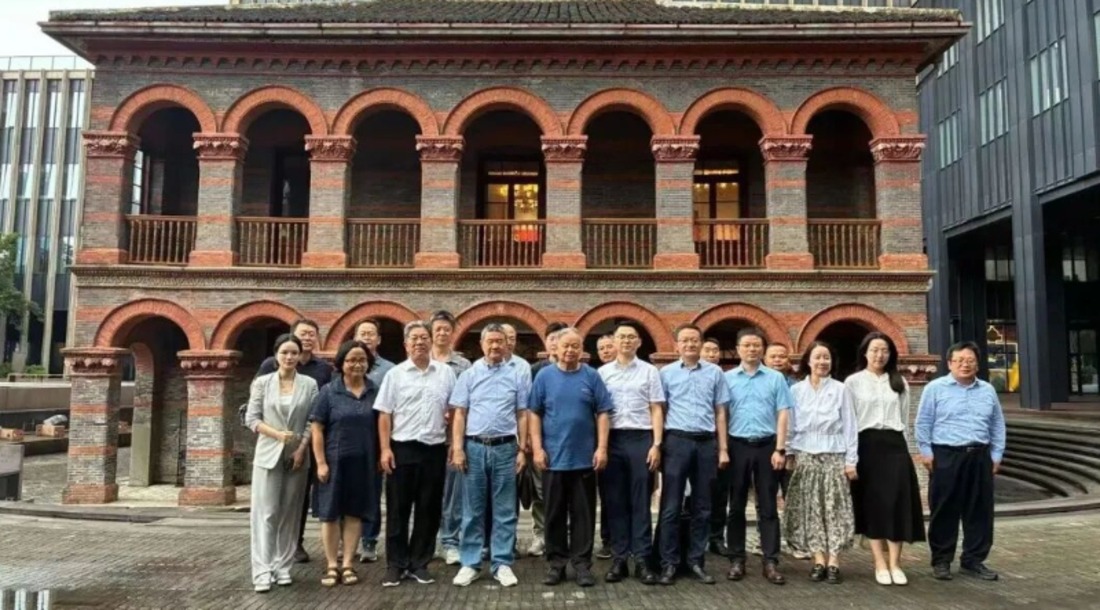
According to information released by Ningbo Oriental Ship Design Institute Co., Ltd., the design signing ceremony for the 23,500 dwt methanol single-fuel electric-propulsion coastal bulk carrier was recently held in Ningbo. During the ceremony, Zhu Zhiqun, General Manager of Zhejiang Chuangxin Shipping Co., Ltd., and Miao Lin, General Manager of Ningbo Oriental Ship Design Institute Co., Ltd., signed the design approval agreement. The signing marked the start of design work for the first batch of 10 methanol single-fuel electric-propulsion coastal bulk carriers.
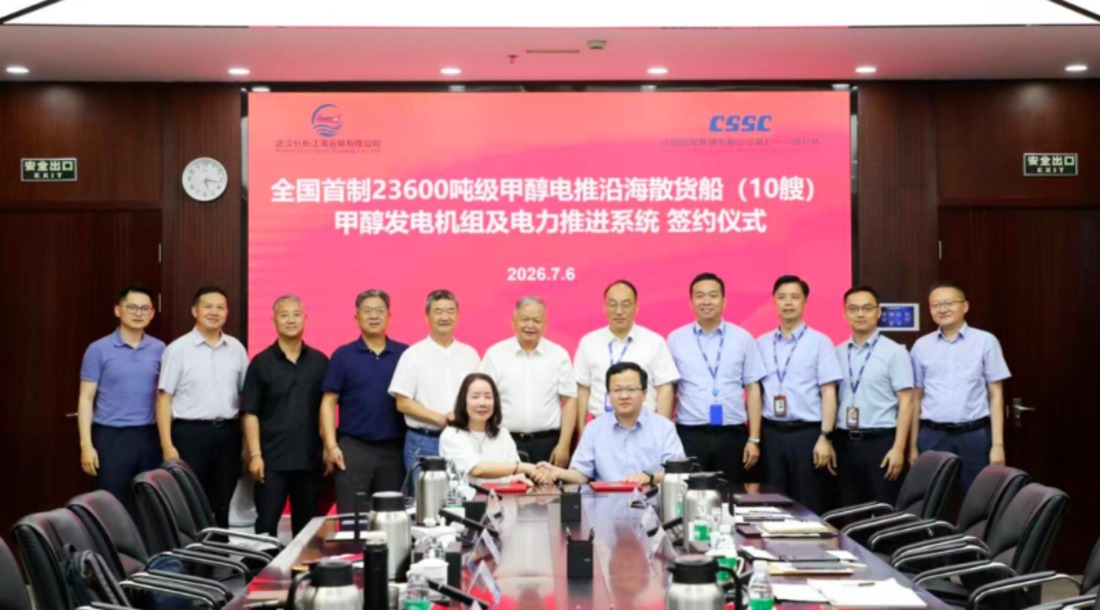
On 6 July 2026, Wuhan Innovation Jianghai Transportation Co., Ltd. and CSSC 711 Research Institute, also known as Shanghai Marine Diesel Engine Research Institute, signed a propulsion system supply contract for the 23,600-tonne-class methanol power-generation electric-propulsion coastal bulk carrier at the institute’s Xinzhuang campus in Shanghai. Under the agreement, CSSC 711 Research Institute will provide the vessel type with methanol-fuelled generator sets and a DC-grid electric propulsion system.
The vessel type has been developed for coastal bulk cargo transportation. Its design is tailored to the Yangtze River Delta and China’s regular coastal commercial shipping routes, with an endurance of about 3,000 nautical miles. Compared with the 15,000-tonne-class methanol single-fuel vessel series previously developed by Wuhan Innovation Jianghai Transportation Co., Ltd., the 23,600-tonne-class vessel extends the operating range from river-sea direct shipping to coastal shipping.
In terms of its power system, the vessel will be equipped with four six-cylinder CS21M methanol single-fuel generator sets, each rated at 1,130 kW. The vessel will adopt a power configuration combining methanol power generation with a DC-grid electric propulsion system. According to the project parties, compared with conventional diesel-mechanical propulsion, the methanol generator sets can operate steadily under more optimal working conditions, while the DC-grid system enables intelligent distribution and efficient management of the vessel’s power. This can improve dynamic response and manoeuvrability.
The CS21M methanol single-fuel generator set was independently developed by CSSC 711 Research Institute and adopts high-pressure in-cylinder methanol direct-injection technology. According to the institute, the engine can achieve a methanol substitution rate of up to 90%, with two tonnes of methanol replacing one tonne of diesel. It also features near-zero methanol slip. Its emissions meet IMO Tier II requirements and China’s Phase II domestic environmental regulations. If green methanol is used, the project parties estimate that carbon dioxide emissions can be reduced by more than 90%, nitrogen oxides by 60%, and sulphur oxides by 99%.
This project also represents continued cooperation between Wuhan Innovation Jianghai Transportation Co., Ltd. and CSSC 711 Research Institute in the field of methanol single-fuel vessels. Previously, methanol engines developed by the institute had already been applied to Wuhan Innovation’s 15,000-tonne-class vessel series. According to the release, all 12 main engines for that series have been delivered and installed, and Chuangxin 19 has already entered operation.
CSSC 711 Research Institute said that the CS21M series methanol engines have so far received orders for nearly 100 units and have been applied to various vessel types operating on the Yangtze River and coastal routes. The use of the CS21M engine as a generator set on the 23,600-tonne-class electric-propulsion vessel marks a further expansion of the engine’s application from main propulsion to shipboard power generation.
In addition to the methanol engines, CSSC 711 Research Institute will also provide the DC-grid electric propulsion system for the project. According to the institute, it began research into key DC-grid technologies in 2014. The technology has since been applied to ferries, engineering vessels, public service vessels, cruise vessels, chemical tankers and other vessel types. The institute has provided customised DC-grid electric propulsion system solutions for more than 70 large vessels.
In terms of supporting conditions, Ningbo Zhoushan Port already has methanol bunkering facilities in place, providing a fuel supply basis for the future operation of the fleet. Zhejiang Seaport Financial Leasing Co., Ltd., Donghai Marine Insurance Company Limited, port and shipping authorities, industry associations and research institutions also participated in activities related to the project.
Based on currently disclosed information, once the 10 methanol single-fuel electric-propulsion coastal bulk carriers are completed and put into operation, they will form scaled methanol-powered coastal bulk shipping capacity. The project is also another step by Wuhan Innovation Jianghai Transportation Co., Ltd. after its 15,000-tonne-class methanol single-fuel fleet, as the company moves toward larger vessel sizes, longer operating ranges and electric propulsion technology.

READ MORE
 Shipbuilding
Pan Ocean Orders Two More VLCCs at Beihai Shipbuilding
 Shipbuilding
XIANGYU SHIPBUILDING DELIVERS 100TH ULTRAMAX, 2 MONTHS EARLY
 Shipbuilding
New Orders for Methanol Dual-fuel Vessels Almost Stall in First Half of 2026
 Shipbuilding
CATL’s Electric Ship Arm Takes Stake in Jiangsu Kaiyang Shipbuilding
 Shipbuilding
Another 2+2+2 multipurpose vessel project has taken effect.
 Shipbuilding
Wagenborg and Carisbrooke Line Up Up to 10 Ice-Class Newbuilds in China
 Shipbuilding
Kuok Singapore and Samsung Heavy Industries Sign Strategic Cooperation Agreement
 Shipbuilding
Tianjin Revives Long-Idle Waterfront Site with RMB 1.05 Billion Offshore and Specialised Vessel Project
 Shipbuilding
World’s First Ammonia-Fuelled Oceangoing Vessel Loads First Ammonia Cargo in Nanjing, Bound for India
 Shipbuilding