


Tianjin Revives Long-Idle Waterfront Site with RMB 1.05 Billion Offshore and Specialised Vessel Project
Xinde Marine News — Tianjin’s offshore engineering and shipbuilding sector has gained another important project.
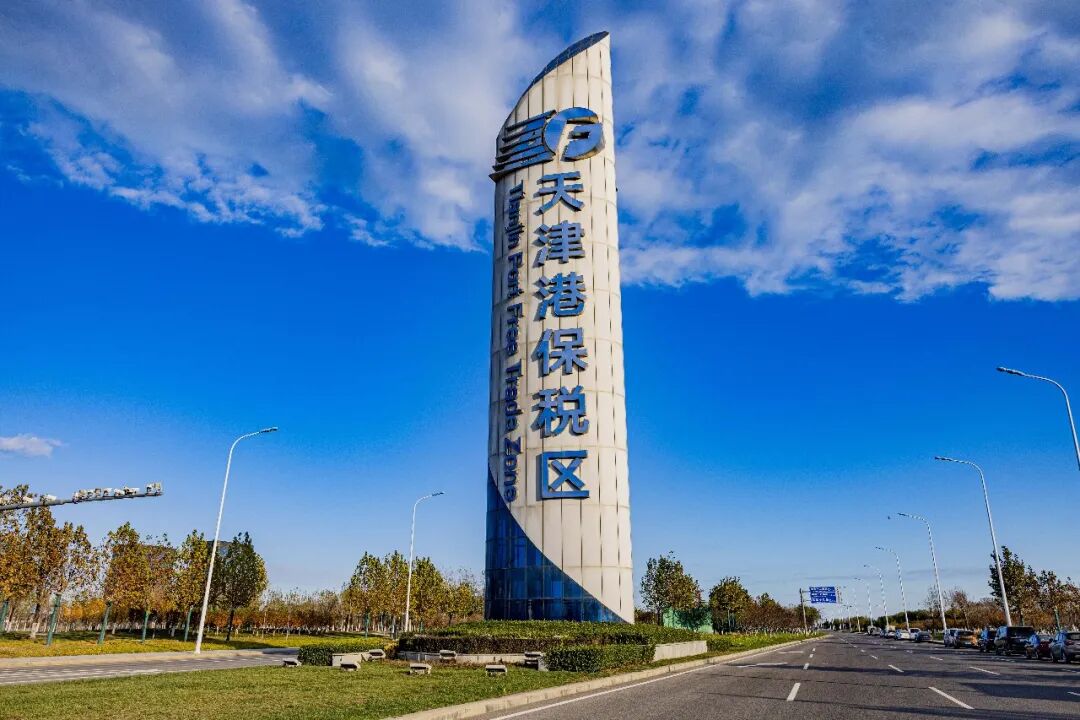

Tianjin Xinneng Offshore Engineering Vessel Manufacturing Project completes land acquisition, paving the way for a modern shipbuilding, repair and circular economy base
On June 30, the Tianjin Xinneng Offshore Engineering Vessel Manufacturing Project successfully completed its land acquisition process in the Tianjin Port Free Trade Zone. The move marks the formal revival of a waterfront site in Tianjin’s Lingang area that had remained idle for more than a decade.
According to public information, the operating entity of the project is Tianjin Xinneng Ship Engineering Co., Ltd. The company was established in September 2025, with its registered address in Lingang Economic Area, Binhai New Area, Tianjin. It has a registered capital of RMB 10 million, with Wang Zhanxiong as its legal representative. Its business scope includes metal shipbuilding, ship design, ship construction, ship repair, offshore engineering equipment R&D, offshore engineering equipment manufacturing and offshore engineering equipment sales.
The project’s predecessor was the second-phase ship recycling base of Fangtong Zhonggang, a project under Tianjin TEDA Investment Holding. The base began operations in June 2012, but was fully suspended in 2014 following major changes in the ship recycling market. Since then, more than 160,000 square metres of waterfront and backshore land had remained idle, becoming a “sleeping asset” awaiting revitalisation in the Lingang industrial area.
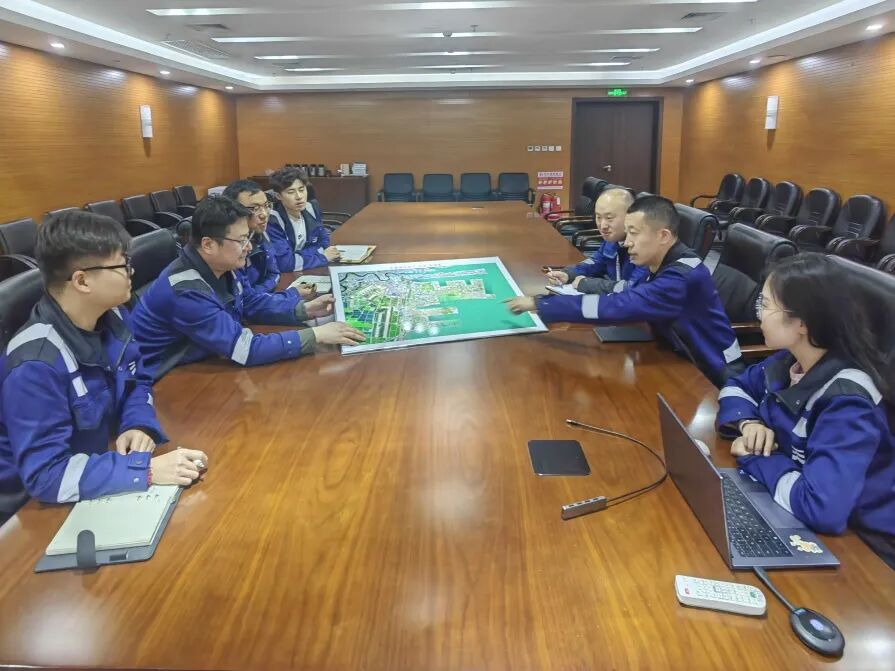
In February 2025, the Tianjin Port Free Trade Zone signed an Investment Cooperation Framework Agreement for the Tianjin Xinneng Offshore Engineering Vessel Manufacturing Project in Tokyo, Japan. The project is planned as a modern ship circular economy demonstration base integrating ship construction, repair and recycling.
The project is located along the southern shoreline of the North Harbour Basin in the central Lingang area, together with the corresponding backshore land. It covers an area of around 160,000 square metres, with a total planned investment of approximately RMB 1.05 billion.
The project will mainly focus on the repair and construction of vessels below 100,000 dwt. Its target vessel types are mainly specialised vessels, including floating crane vessels, crane engineering vessels, semi-submersible vessels, deck carriers, heavy-lift vessels and multipurpose vessels. Once completed, the project is expected to achieve an annual shipbuilding capacity of 150,000 tonnes. After reaching full capacity, it is expected to generate annual revenue of around RMB 1.2 billion.
This means the project is not positioned as a conventional mass-production commercial shipbuilding facility. Instead, it is targeting specialised vessels, engineering vessels, offshore support vessels and multipurpose transport equipment. These vessel types usually require a higher degree of customisation, stronger engineering integration capabilities and closer coordination between design and construction. They also have strong potential synergies with Tianjin’s existing offshore engineering, energy engineering, shipbuilding and port resources.
From an industrial chain perspective, the Tianjin Xinneng project will not only bring long-idle waterfront and land resources back into productive use, but also strengthen Tianjin Port Free Trade Zone’s capabilities in specialised vessel construction, ship repair and offshore engineering equipment manufacturing.
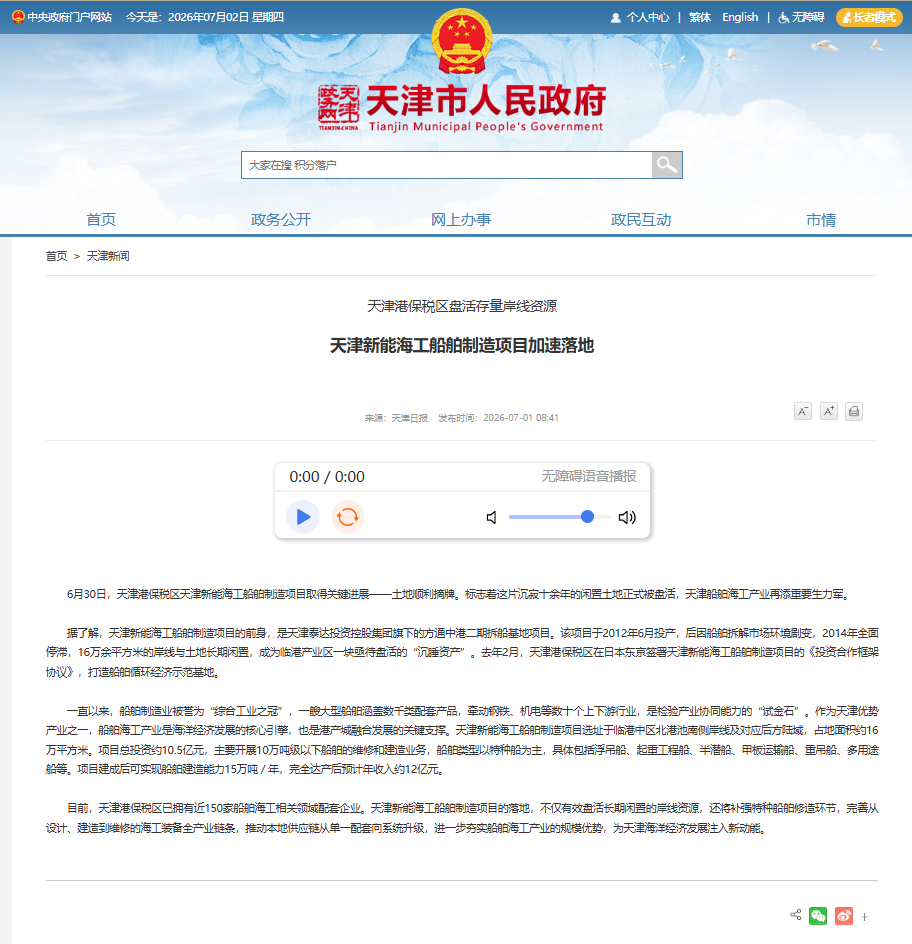
The project is expected to further improve the local offshore engineering equipment value chain, covering design, construction and repair. It will also help push local suppliers from single-point supporting roles toward more systematic industrial upgrading, further enhancing the scale and competitiveness of Tianjin’s shipbuilding and offshore engineering sector.
In recent years, the Tianjin Port Free Trade Zone has been accelerating the clustering of its shipbuilding and offshore engineering industries. Public reports show that the area is now home to nearly 150 companies related to shipbuilding and offshore engineering. In 2025, the output value of offshore engineering equipment in the zone exceeded RMB 22.14 billion, up 31.7% year on year. The area has also gathered more than 40,000 skilled industrial workers and has established the Tianjin Marine Equipment Industry Alliance and an offshore engineering equipment industry-education consortium.
Several major industrial players are already present in the Lingang area, including CSSC Tianjin Shipbuilding, Offshore Oil Engineering Co., Ltd., BOMESC Offshore Engineering Company and Dalian COSCO Shipping Heavy Industry. These companies provide an important industrial foundation for Tianjin to further develop offshore engineering equipment, shipbuilding, repair and high-end marine manufacturing.
The expansion of Tianjin’s shipbuilding and offshore engineering sector also comes against the backdrop of continued strength in China’s shipbuilding industry. In the first quarter of 2026, China continued to lead the global market in shipbuilding completions, new orders and orderbook volume. Newbuilding demand is increasingly moving toward greener, smarter and higher-end vessels, creating new opportunities for regional shipbuilding and offshore engineering clusters.
Tianjin Port Free Trade Zone has also recently attracted another major project in the field of green ship conversion.
On June 2, the Tianjin Port Free Trade Zone Administrative Committee, Tianjin Port Group and Shanghai LC Energy Technology Co., Ltd. signed a strategic cooperation agreement to jointly develop the LC Energy Green and Smart Ship Conversion Headquarters Project. The project will focus on LNG dual-fuel vessel conversion, offshore wind power system R&D and new energy technology services. It plans to establish a company in Tianjin covering operations, design, R&D and procurement, and to build an industrial base integrating green marine power system R&D, smart conversion technology services and core equipment integration. Once fully operational, the project is expected to generate annual output value of RMB 4 billion and create 3,000 jobs.
From the Tianjin Xinneng Offshore Engineering Vessel Manufacturing Project to the LC Energy Green and Smart Ship Conversion Headquarters Project, Tianjin Port Free Trade Zone’s shipbuilding and offshore engineering strategy is showing two clear directions.
The first is to strengthen manufacturing capabilities around specialised vessels, offshore engineering equipment and ship repair. The second is to capture the upgrade demand created by shipping decarbonisation through green power systems, dual-fuel conversions and intelligent technologies.
For Tianjin, shipbuilding and offshore engineering is a key pillar of its marine economy and an important foundation for the integrated development of port, industry and city. The Tianjin Xinneng project will revive a waterfront asset that had been idle for more than ten years. More importantly, it may create new growth momentum for a specialised vessel construction and repair value chain.
As idle waterfront resources re-enter industrial use, and as green conversion, offshore engineering, ship repair, supporting industries and port resources become more closely integrated, Tianjin’s Lingang area is expected to further upgrade from an industrial supporting cluster into a more systematic marine equipment manufacturing and integration hub. This could provide a new platform for the upgrading of northern China’s shipbuilding and offshore engineering industry.

READ MORE
 Shipbuilding
Bahri Line Orders LNG Dual-Fuel RoCon Vessels from China Merchants Jinling Shipyard
 Shipbuilding
China Captures 82.3% of Global Ship Orders as Shipbuilding Indicators Reach New Highs
 Shipbuilding
Dajin Heavy Industry Lands Newbuilding Contracts for 7 Commercial Vessels
 Shipbuilding
26-Year-Old Car Carrier Reportedly Sold for $42 Million as MSC-Owned GCC Also Showed Interest
 Shipbuilding
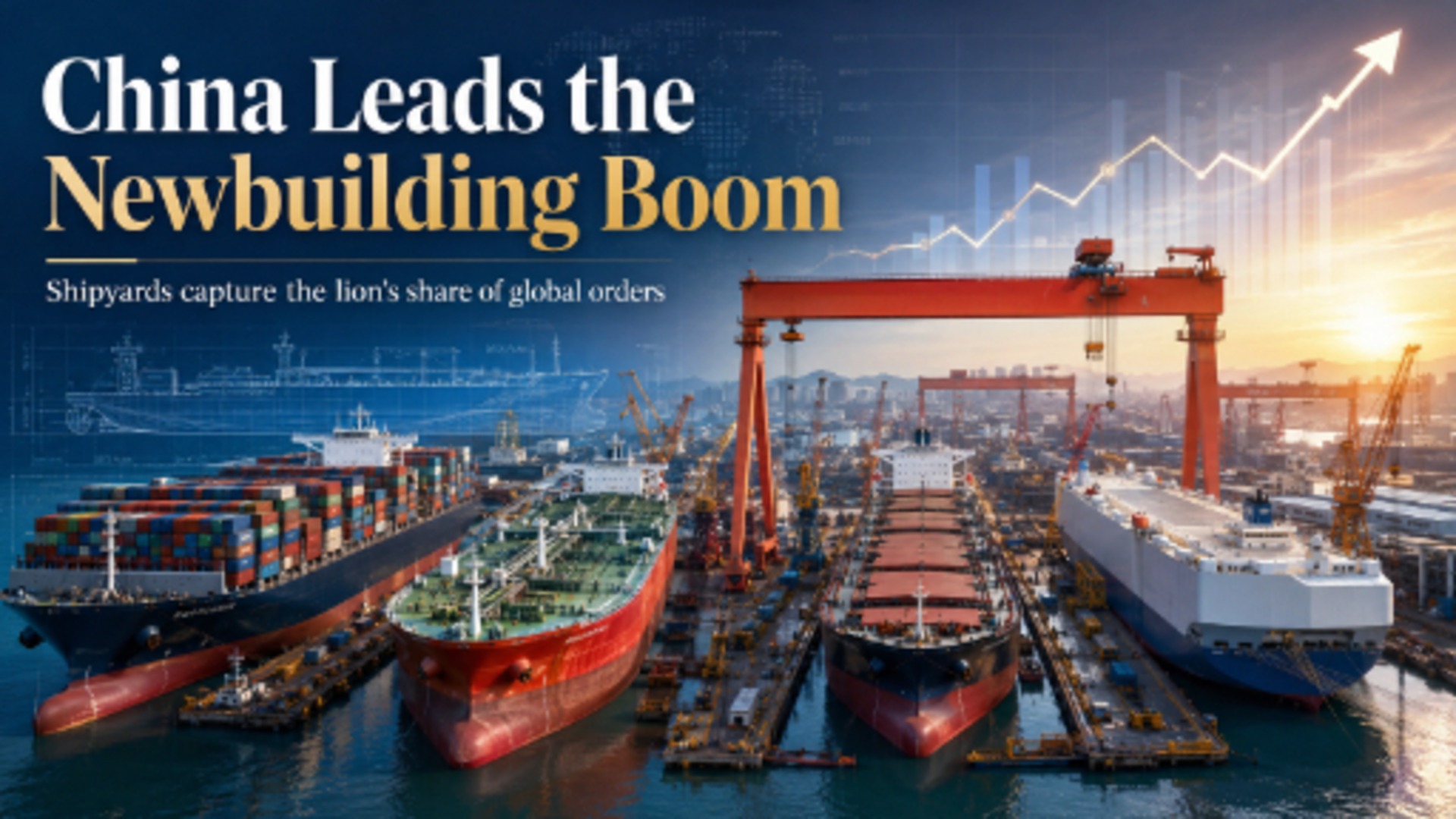
China’s Shipyards Capture the Lion’s Share of a $132.6 Billion Newbuilding Boom
 Shipbuilding
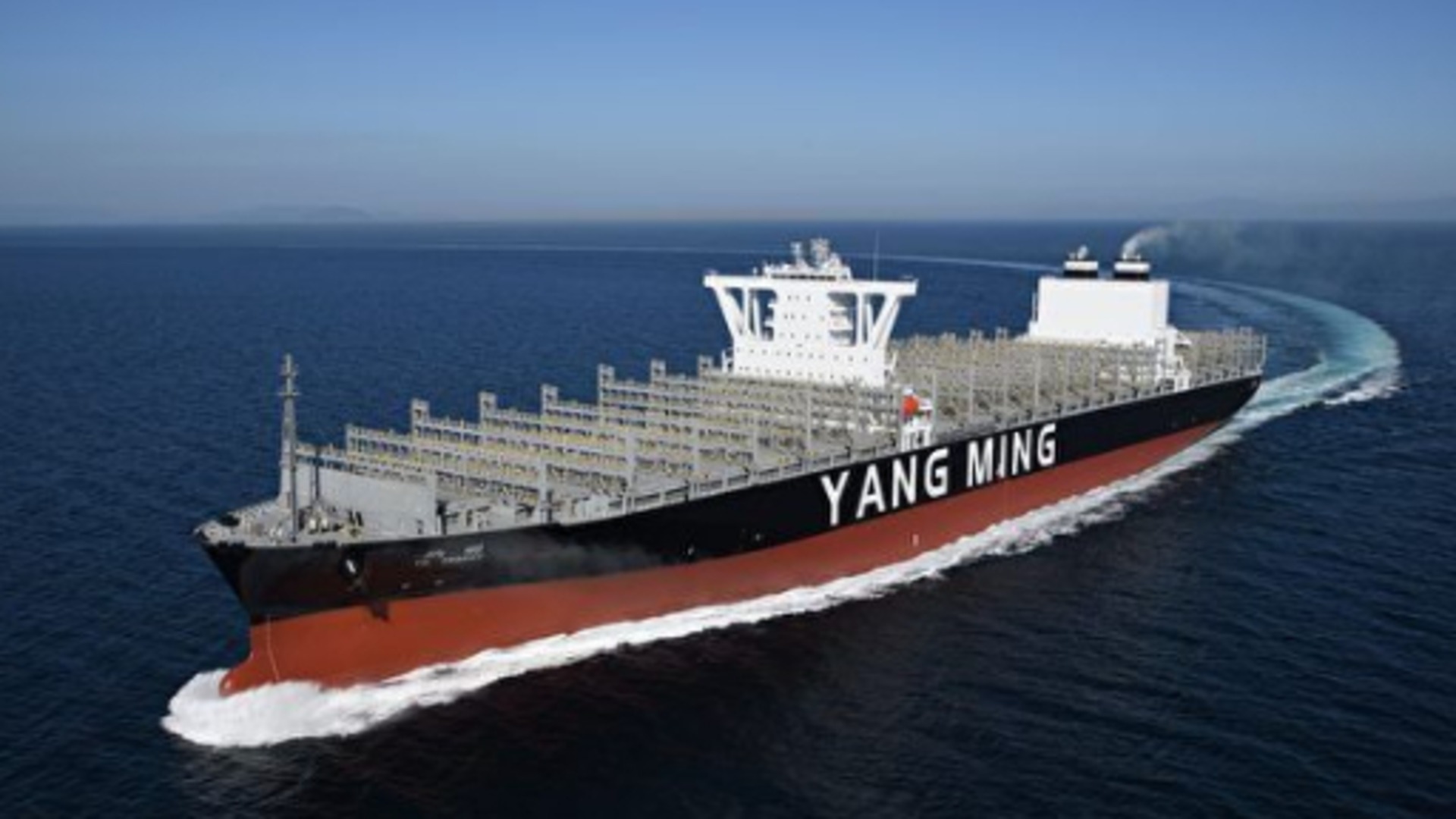
Yang Ming Marine Transport has confirmed an order for six 13,000-TEU LNG dual-fuel containerships at Hanwha Ocean, with a total contract value of between US$1.11 billion and US$1.224 billion.
 Shipbuilding
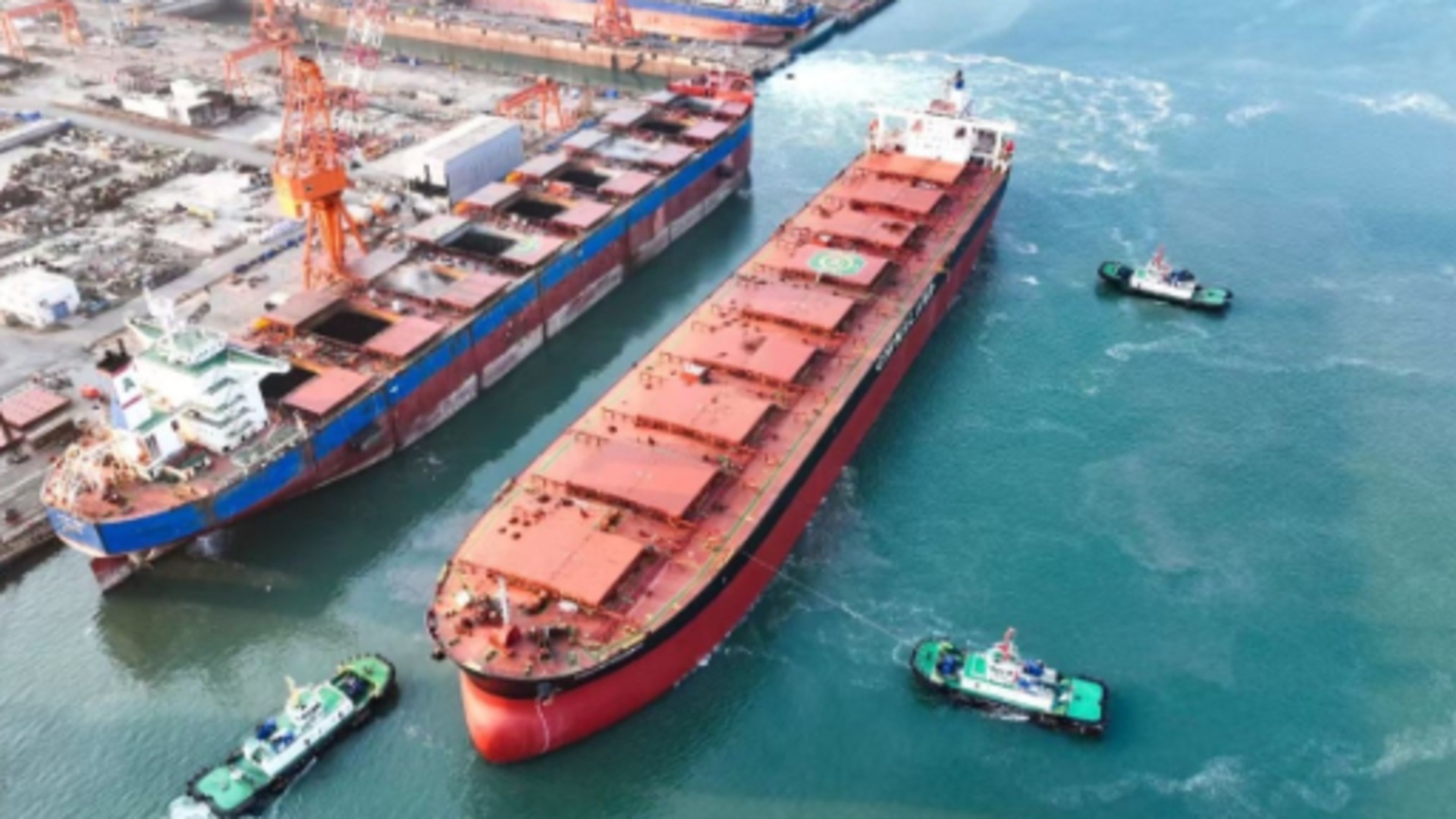
Greek Shipowner Orders 3+1 Newcastlemaxes at Dajin Heavy in US$309m Deal
 Shipbuilding
Wisdom Marine Cancels Plan for Two Japanese-Built Handysize Bulk Carriers
 Shipbuilding
China Merchants Nanjing Tanker Plans Four More MR Newbuildings as Its Fleet Renewal Pipeline Reaches 22 Vessels
 Shipbuilding