


Spot Rates Surge on Major Trades as US West Coast Tops $6,000/FEU, East Coast Nears $8,000/FEU
Strong demand, tariff-driven front-loading, and geopolitical risks keep upward pressure on freight.
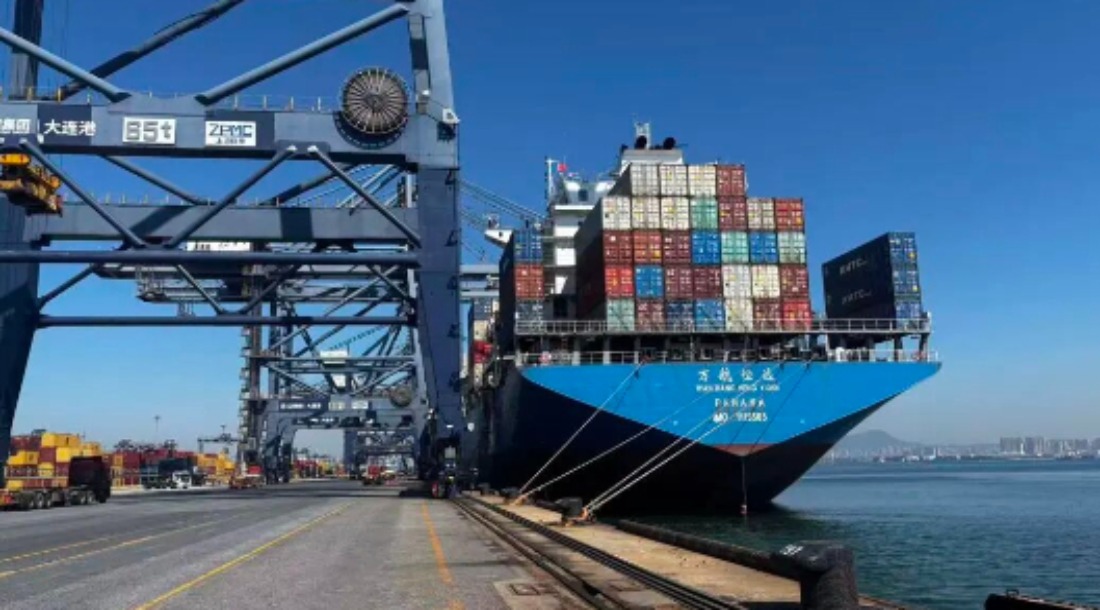

Spot freight rates on the global container shipping market have continued their sharp ascent this week, propelled by a combination of early peak‑season demand linked to U.S. tariff uncertainties and persistent disruptions in the Strait of Hormuz. According to the latest Global Container Freight Index (WCI) published by Drewry, the composite index jumped 9% compared to the previous week to reach $4,530 per FEU as of this week’s reading.
Trans‑Pacific rates lead the charge
On the key transpacific lanes, spot prices extended their strong rally. The Shanghai–Los Angeles rate increased 10% from the prior week to $6,349/FEU, while the Shanghai–New York rate climbed 11% to $7,902/FEU. Carriers, facing robust booking volumes, have continued to announce general rate increases and peak‑season surcharges. HMM, for instance, will implement a peak‑season surcharge of as much as $3,000 per FEU effective July 15. Drewry analysts expect further gains on the transpacific in the coming weeks, underpinned by resilient demand and limited vessel availability.
Asia‑Europe follows suit
Similar dynamics are playing out on the Asia‑Europe routes. The Shanghai–Genoa rate rose 10% week‑on‑week to $6,360/FEU, and the Shanghai–Rotterdam rate added 7% to $4,682/FEU. Drewry noted that rates on these headhaul trades are likely to maintain their upward trajectory over the next few weeks, supported by an earlier‑than‑usual peak season and elevated operating costs stemming from geopolitical tensions.
Geopolitics and supply‑demand imbalance
Drewry cautioned that the security situation in the Strait of Hormuz remains precarious, with ongoing Middle East tensions adding a layer of uncertainty that continues to bolster freight costs. Meanwhile, the Shanghai Shipping Exchange’s SCFI index, released on July 3, showed the spot rate from Shanghai to the U.S. West Coast at $6,630/FEU – a 9% increase – and to the U.S. East Coast at $8,296/FEU, up 12%. For Europe, the SCFI stood at $3,418/TEU (up 2%) and to the Mediterranean at $4,717/TEU (up 1%). Analysts at the exchange attributed the gains to improving demand and a healthy supply‑demand balance on the U.S. lanes.
Analyst views
Lars Jensen, a well‑known container market analyst, pointed to the combination of strong underlying demand and capacity constraints as the primary drivers behind the abrupt rate surge. Linerlytica added that global container demand now grows at 7.3%, outpacing the 5.4% growth in vessel supply – the widest gap since late 2024. This structural mismatch, together with geopolitical risk premiums, suggests that the current rally may have further room to run in the near term.


READ MORE
 Containers
Europe Is Sweltering at 40°C — Chinese Manufacturers and Shipping Networks Are Delivering the Cool
 Containers
In 3 Days,Both Maersk and CMA CGM Bunker 100% Ethanol on Large Deep-Sea Containerships
 Containers
Maersk Partners With FAW Jiefang to Strengthen Global Supply Chain for Chinese Trucks
 Containers
How Can Sea Legend Reach Europe in 20 Days? Inside the Operational System Behind the CAX Arctic Express
 Containers
20 Days From China to Europe: Sea Legend Relaunches CAX Arctic Express with Eight Weekly Sailings
 Containers
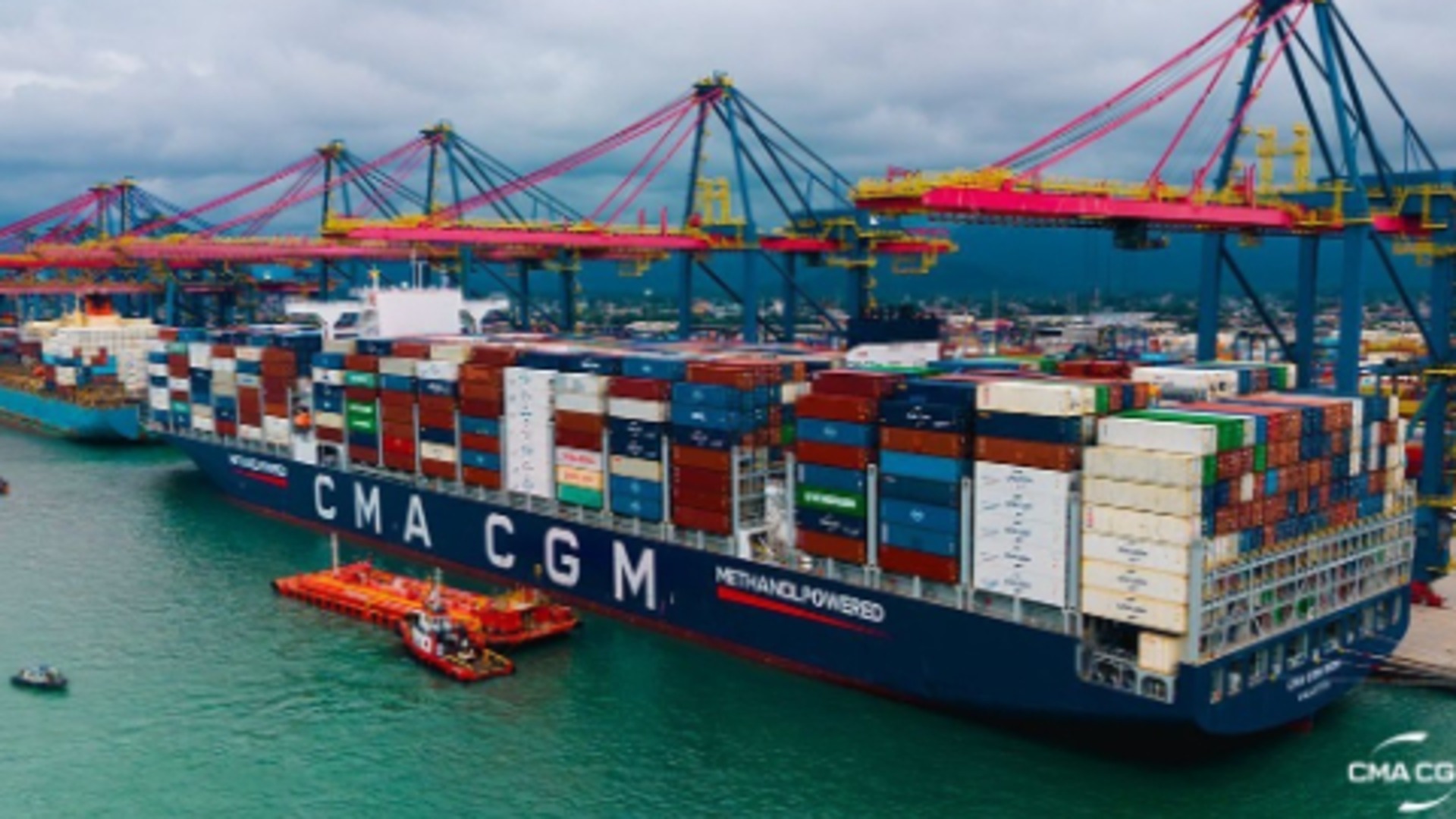
CMA CGM’s 13,000-TEU Giant Starts “Drinking” Too
 Containers
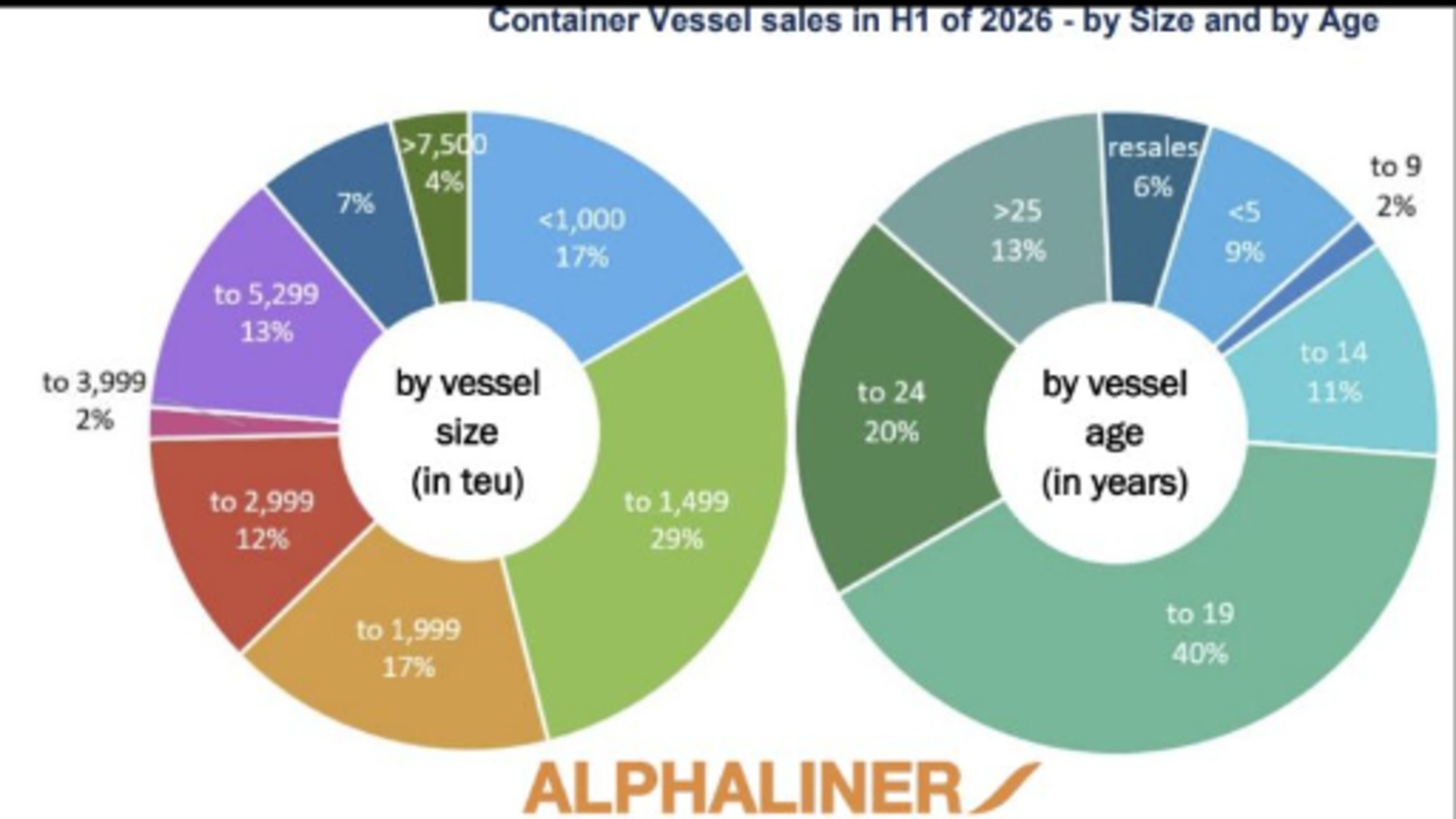
Secondhand containership sales fell sharply in the first half of 2026 — but vessel prices remained firm.
 Containers
Ningbo Containerized Freight Index Weekly Commentary Overall Shipping Demand Declined; Freight Rates Fell on Multiple Routes
 Containers
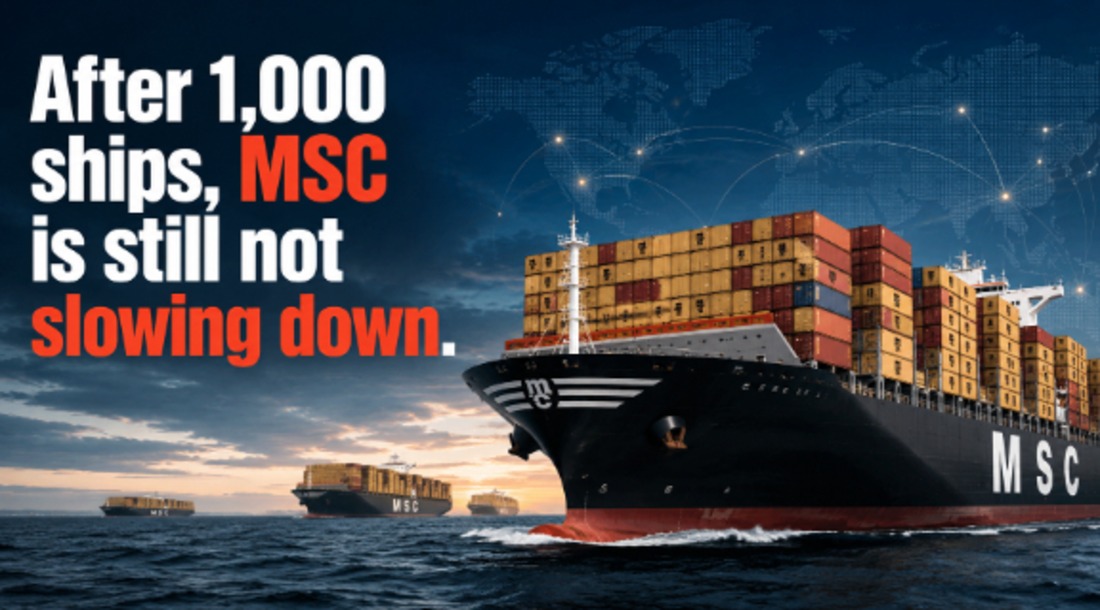
After 1,000 ships, MSC is still not slowing down.
 Containers