


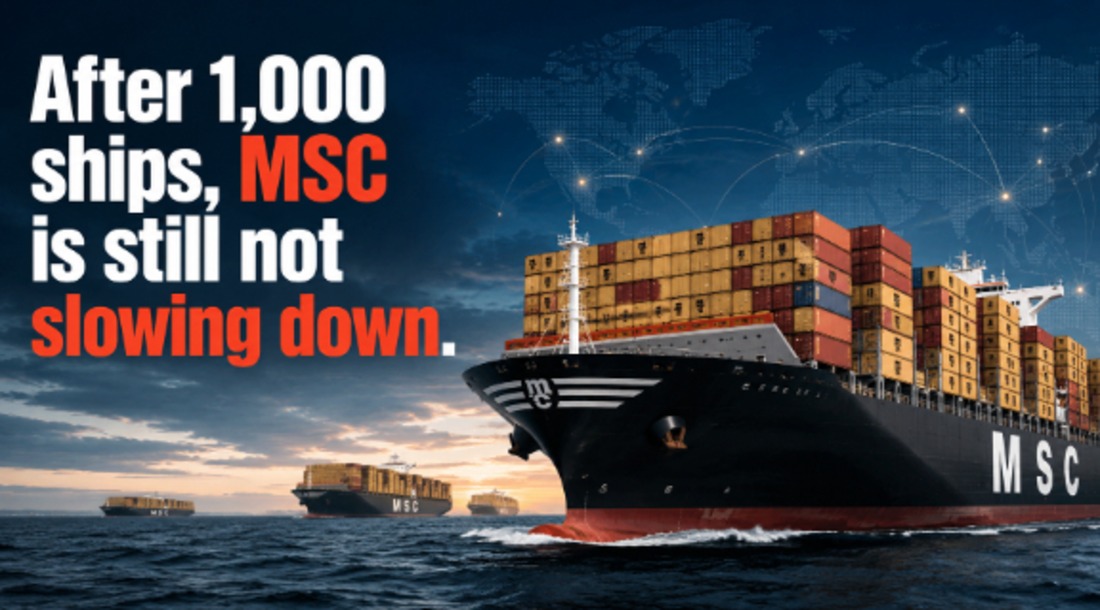
After 1,000 ships, MSC is still not slowing down.
Market sources suggest that MSC may be lining up up to 20 LNG dual-fuel ultra-large containerships of around 20,000 TEU at China’s Hengli Heavy Industry, with deliveries expected from the first half of 2029. MSC has not commented, so this remains market information rather than a confirmed order.

But the rumour fits a much bigger story.
MSC CEO Soren Toft recently highlighted the carrier’s milestone of reaching 1,000 vessels, describing it as the result of more than five decades of long-term investment and growth since the company was founded by Gianluigi Aponte in 1970.
More importantly, he said MSC would continue to invest “with confidence” in new vessels, terminals and logistics infrastructure, despite an unpredictable geopolitical environment.
MSC is already the world’s largest container carrier, with more than 7.3 million TEU of operated capacity and a market share that Alphaliner says has reached a historic level. Yet it still appears to be investing for the next phase.
If the Hengli order is confirmed, MSC’s large containership programme at the Chinese yard could approach around 50 vessels, following previous reported orders for 21,000 TEU, 24,000 TEU and 22,000 TEU LNG dual-fuel ships.
This is not just about adding more ships.
It is about building optionality, network control and long-term resilience.
A fully independent global network needs mega-ships for mainline trades, mid-sized ships for regional deployment, terminals for node control, and logistics assets to support customers beyond port-to-port shipping.
For Hengli, another MSC series would further strengthen its position as one of China’s most closely watched private shipbuilders.
For the liner market, the signal is clear:
Even after 1,000 ships, MSC’s expansion story is far from over.

READ MORE
 Containers
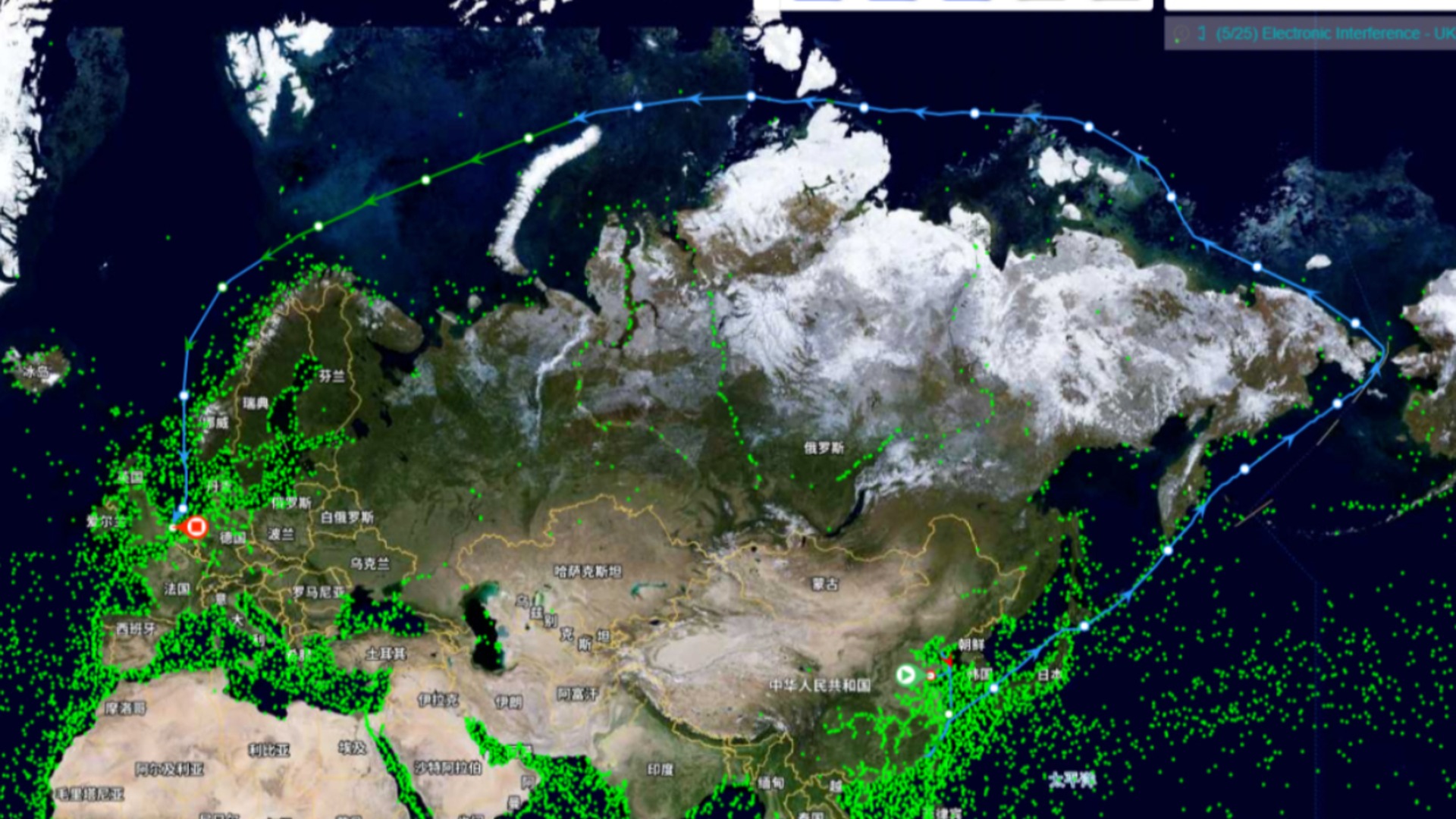
How Can Sea Legend Reach Europe in 20 Days? Inside the Operational System Behind the CAX Arctic Express
 Containers
Europe Is Sweltering at 40°C — Chinese Manufacturers and Shipping Networks Are Delivering the Cool
 Containers
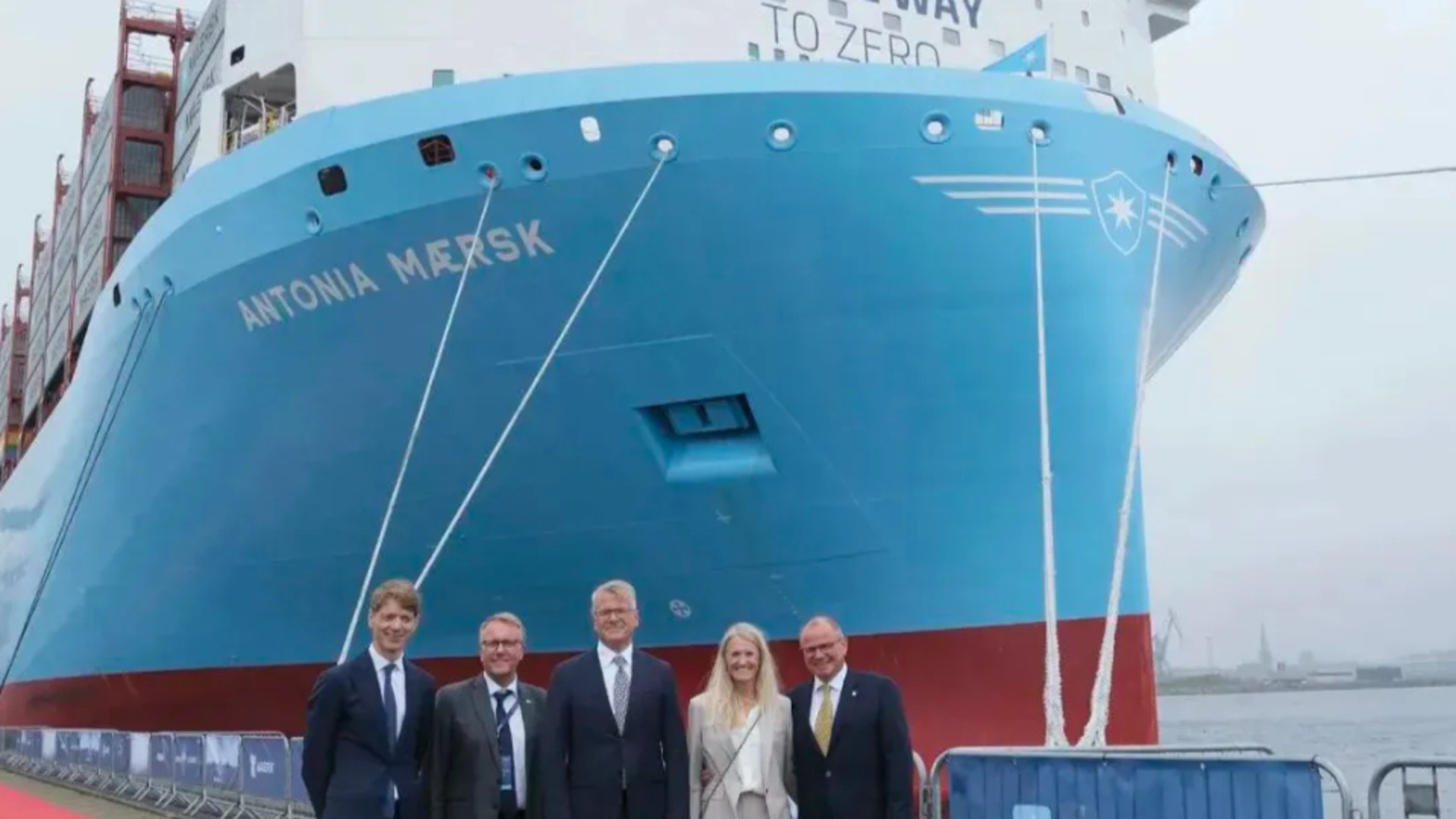
In 3 Days,Both Maersk and CMA CGM Bunker 100% Ethanol on Large Deep-Sea Containerships
 Containers
Ningbo Containerized Freight Index Weekly Commentary Middle East Freight Rates Returned to High Levels; Composite Index Decline Narrowed
 Containers
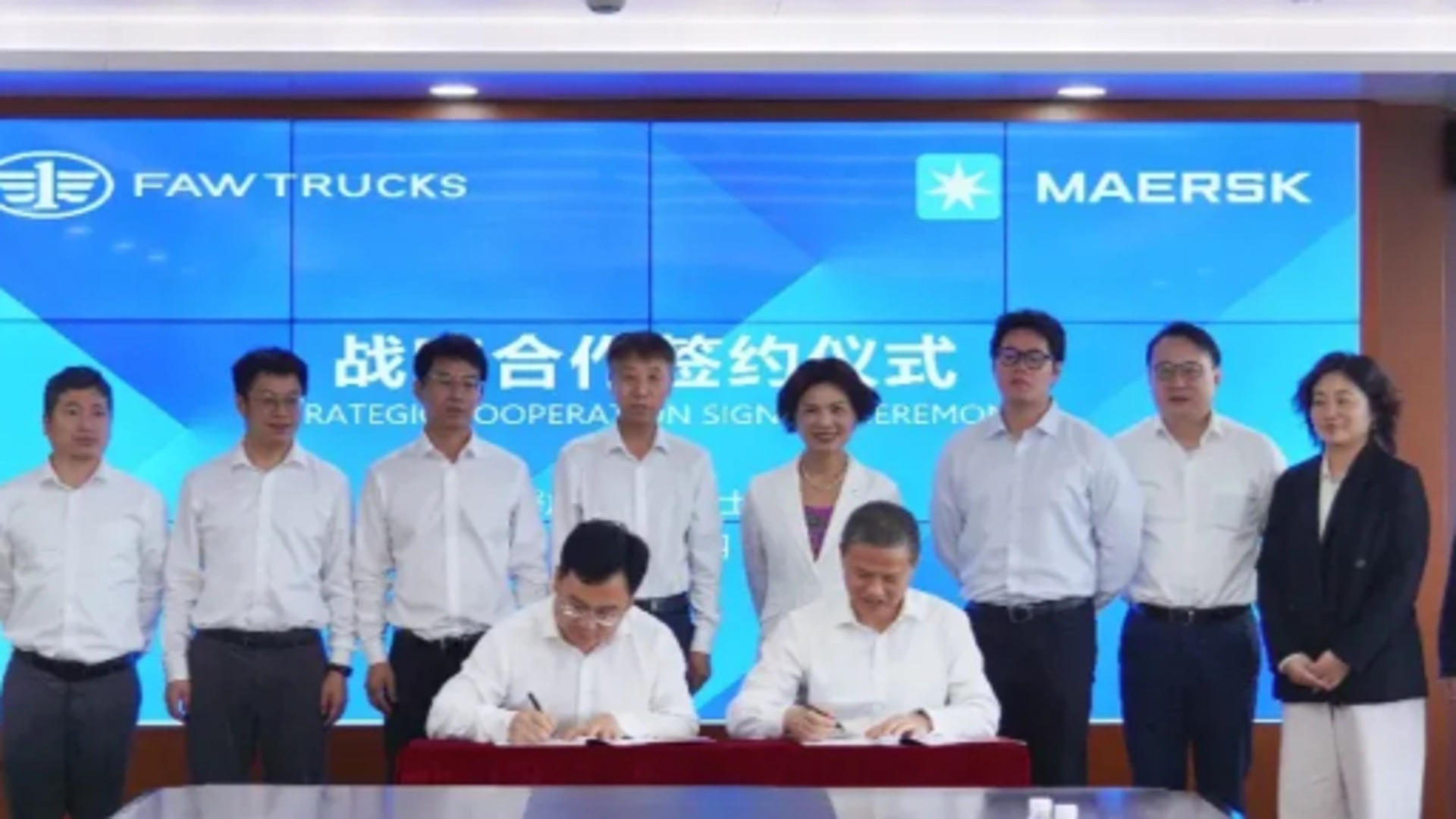
Maersk Partners With FAW Jiefang to Strengthen Global Supply Chain for Chinese Trucks
 Containers
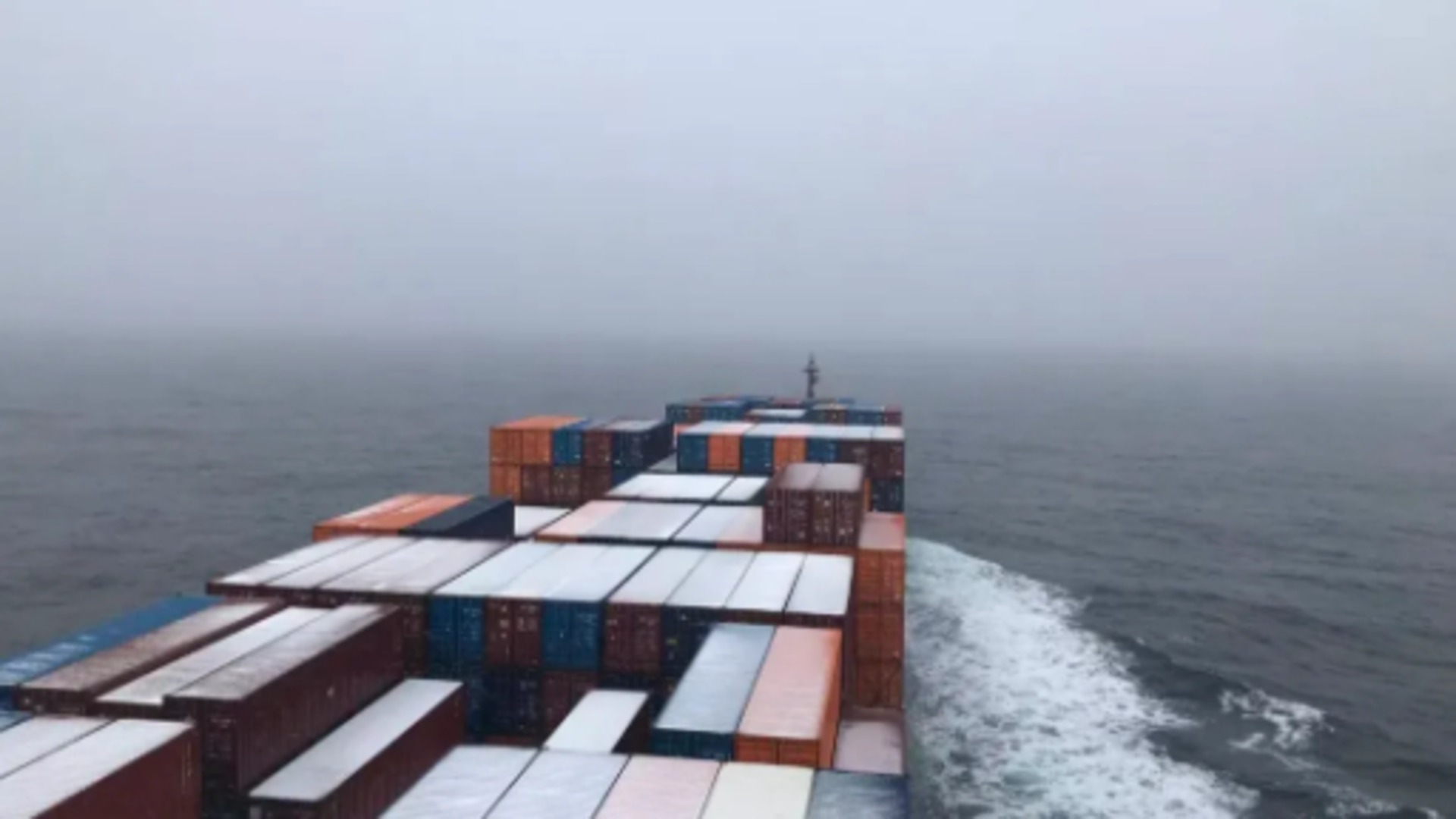
20 Days From China to Europe: Sea Legend Relaunches CAX Arctic Express with Eight Weekly Sailings
 Containers
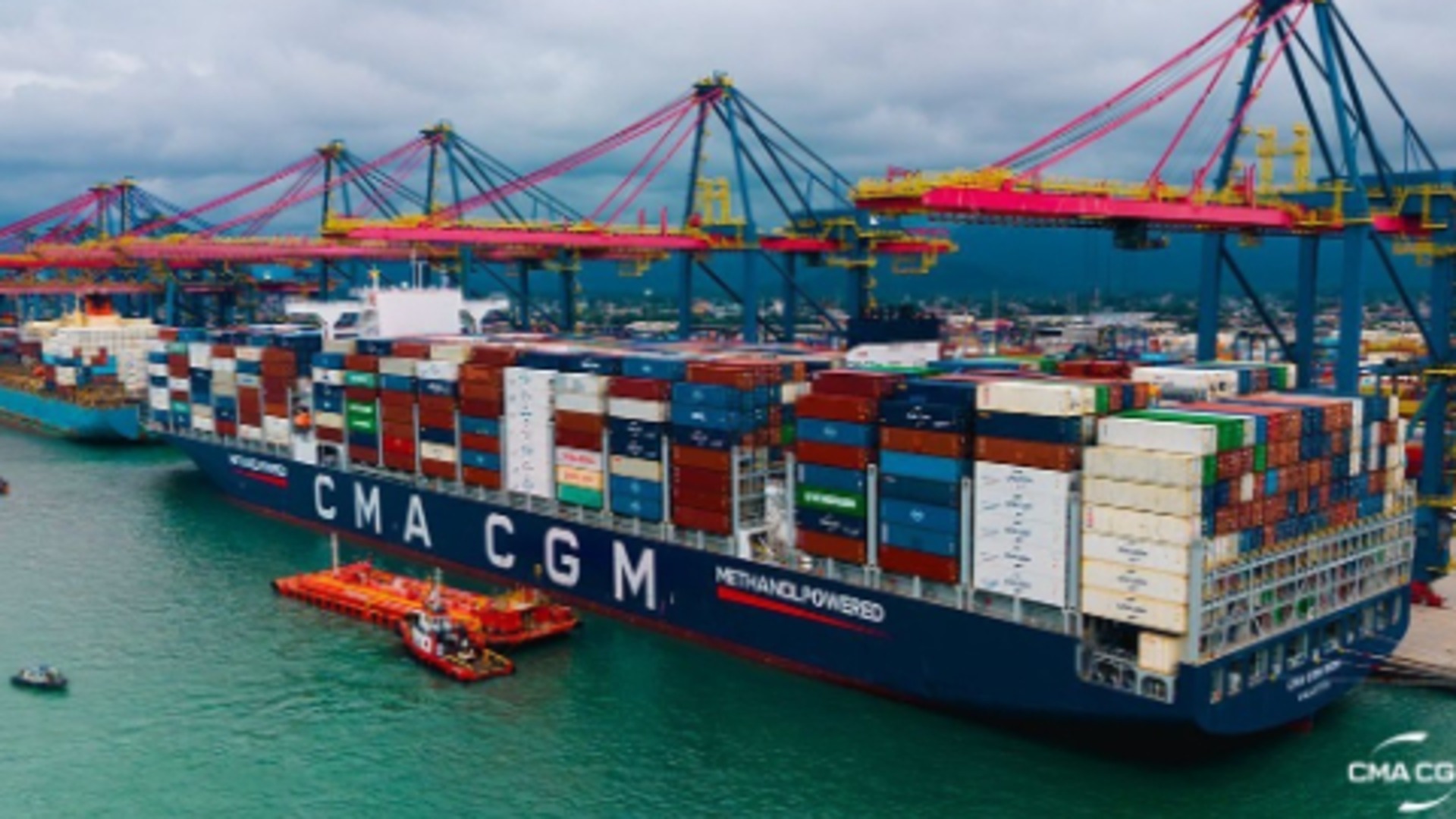
CMA CGM’s 13,000-TEU Giant Starts “Drinking” Too
 Containers
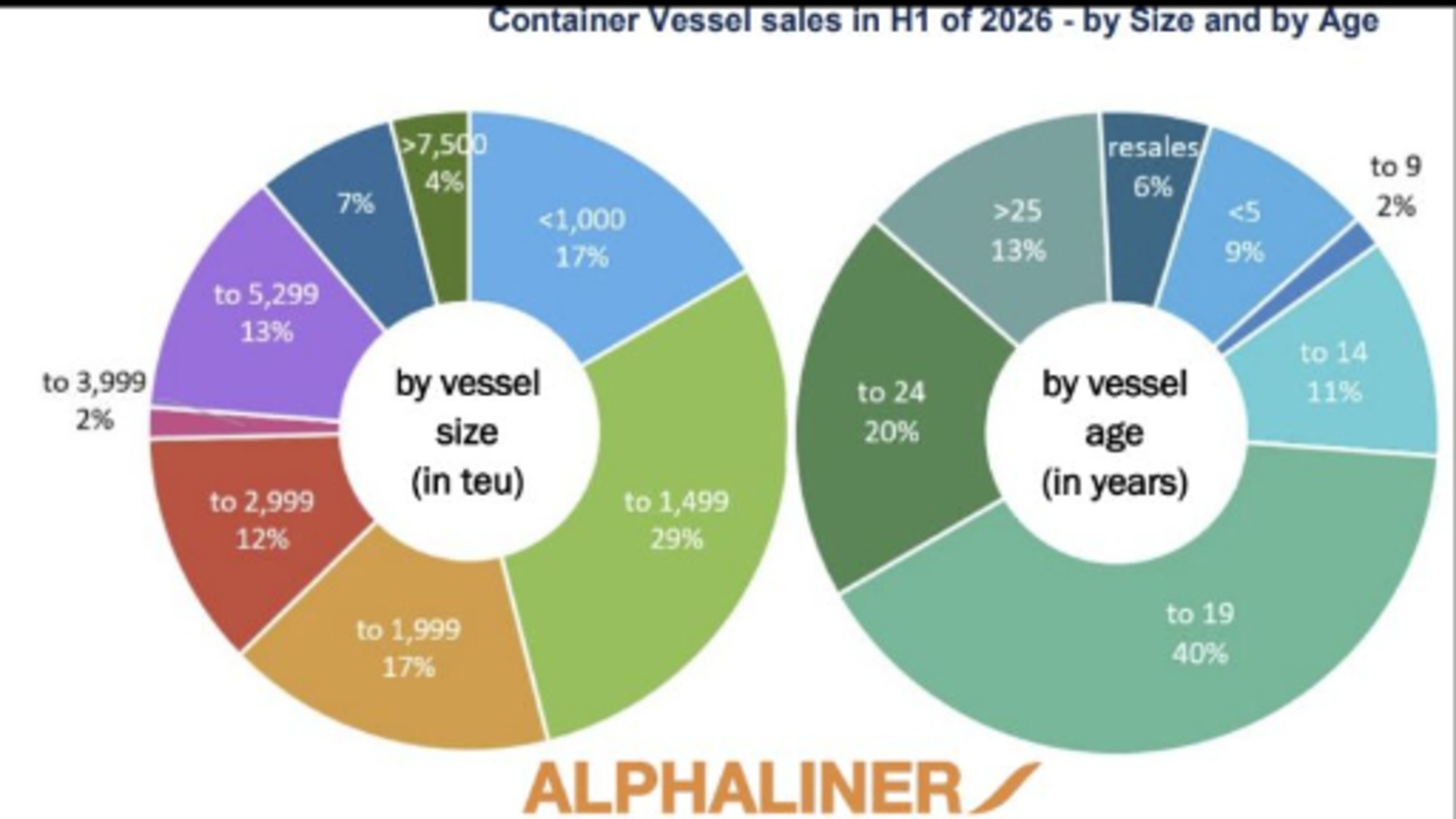
Secondhand containership sales fell sharply in the first half of 2026 — but vessel prices remained firm.
 Containers
Ningbo Containerized Freight Index Weekly Commentary Overall Shipping Demand Declined; Freight Rates Fell on Multiple Routes
 Containers