


COSCO SHIPPING Adds Another Full-Electric Container Vessel
This will be the fourth full-electric container vessel under COSCO SHIPPING Group, following two 700 TEU river-sea container vessels and one 540 TEU coastal container vessel.
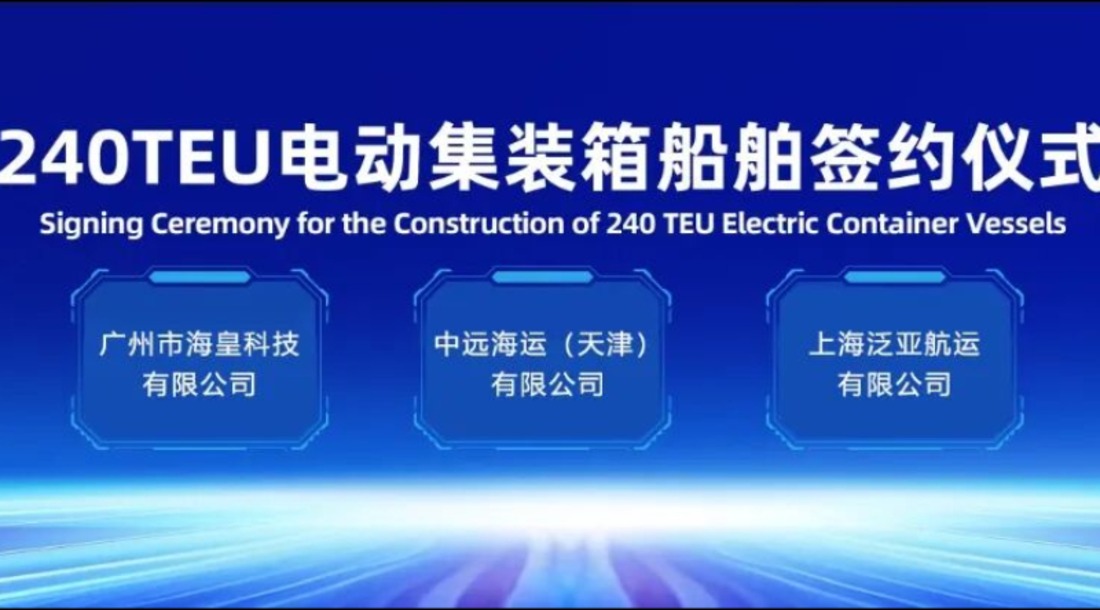

COSCO SHIPPING (Tianjin) Co., Ltd. has signed a new 240 TEU full-electric inland container vessel project, further expanding COSCO SHIPPING’s deployment of battery-powered container vessels in short-haul and regional shipping scenarios.
The signing took place on June 26 during the COSCO SHIPPING Hong Kong / COSCO SHIPPING Hainan 2026 Global Partners Conference.
During the event, COSCO SHIPPING (Tianjin) signed a letter of intent with Shanghai PANASIA Shipping Co., Ltd. for one 240 TEU electric container vessel project, and also signed a shipbuilding contract with Guangzhou Haihuang Technology Co., Ltd. for the construction of the vessel.
The vessel is scheduled for completion in 2027. Upon delivery, it is expected to be deployed first on the Pearl River system and the Nansha Port–Hong Kong route, supporting the development of a green and smart foreign trade shipping service between Nansha and Hong Kong.
The 240 TEU full-electric container vessel will have an overall length of 69.90 metres, a moulded breadth of 19.00 metres, a moulded depth of 5.70 metres and a design draught of 4.30 metres. It will have a container capacity of 240 TEU, a maximum deadweight of approximately 3,608 tonnes and a design speed of 7.9 knots. The vessel will be classed for China Class A inland waterway navigation area.
In terms of power system, the vessel will be equipped with four rechargeable and swappable containerized battery power units, enabling fully electric, zero-emission operation throughout the voyage. Two additional positions and interfaces for containerized battery power units will also be reserved at the stern, improving future route flexibility and operating economics.
The project adopts an integrated charging-and-battery-swapping energy replenishment model for inland electric vessels. It will also be fitted with EU-standard conversion equipment to improve energy replenishment flexibility and expand the vessel’s potential operating area. The project is also intended to explore a water-land integrated green energy supply ecosystem.
The vessel will carry smart ship additional class notations, including intelligent integrated platform, intelligent navigation and intelligent engine room. It will also be equipped with a shore-based vessel management system to support safe operation, energy efficiency management and ship-shore coordination.
At the conference, COSCO SHIPPING (Tianjin) delivered a keynote speech titled “Gathering Strength for Green and Low-Carbon Transformation, Electric Shipping Leading a New Zero-Carbon Shipping Landscape”. The company introduced its green business layout and electric vessel development pathway, while analysing the key commercial barriers to the wider deployment of electric vessels.
In recent years, COSCO SHIPPING (Tianjin) has been advancing the green and intelligent transformation of shipping logistics under its goal of becoming an industry-leading modern logistics technology enterprise. The company has been building a “4E” strategic emerging business system covering electric vessels, electric trucks, energy and carbon emissions management, and supporting services for electric transport equipment. Its current focus includes high-quality inland shipping development areas, coastal services and port shuttle scenarios.
The latest 240 TEU inland full-electric container vessel project follows COSCO SHIPPING (Tianjin)’s earlier 540 TEU coastal full-electric container vessel project.
Earlier this year, COSCO SHIPPING (Tianjin) signed a shipbuilding contract with Guangdong COSCO SHIPPING Heavy Industry for one 540 TEU coastal full-electric container vessel. That vessel will have an overall length of about 107.4 metres, a moulded breadth of around 21.2 metres, a deadweight of approximately 9,200 tonnes and a design speed of 9 knots. It will be equipped with eight marine containerized battery power units, with total battery capacity of nearly 16,000 kWh, enabling full-electric operation throughout the voyage. The vessel is also expected to be completed in 2027 and will be deployed first in feeder and barge services related to Yangpu Port in Hainan.
From the 540 TEU coastal full-electric container vessel to the newly signed 240 TEU inland full-electric container vessel, COSCO SHIPPING (Tianjin) is extending its electric vessel deployment across more short-haul, high-frequency shipping scenarios where routes are relatively fixed and energy replenishment points can be clearly planned. The former targets coastal and port feeder services around Yangpu Port, while the latter is designed for the Pearl River system and the Nansha Port–Hong Kong route.
Within the wider COSCO SHIPPING Group, full-electric container vessel projects already have precedents. On December 28, 2023, two 700 TEU full-electric river-sea container vessels, COSCO SHIPPING LV SHUI 01 and COSCO SHIPPING LV SHUI 02, were named at COSCO SHIPPING Heavy Industry Yangzhou.
According to public information, the two 700 TEU full-electric container vessels were built by COSCO SHIPPING Heavy Industry Yangzhou for COSCO SHIPPING Development and are intended for operation on the Yangtze River. Each vessel has an overall length of 119.8 metres and a moulded breadth of 23.6 metres. They adopt a swappable containerized battery power system, with total battery capacity exceeding 50,000 kWh. At the time, they were regarded as among the world’s largest full-electric battery-swapping container vessels, before the record was later surpassed by Ningbo Ocean Shipping’s 740 TEU full-electric container vessels Ningyuan Diankun and Ningyuan Dianpeng.

READ MORE
 Containers
Europe Is Sweltering at 40°C — Chinese Manufacturers and Shipping Networks Are Delivering the Cool
 Containers
In 3 Days,Both Maersk and CMA CGM Bunker 100% Ethanol on Large Deep-Sea Containerships
 Containers
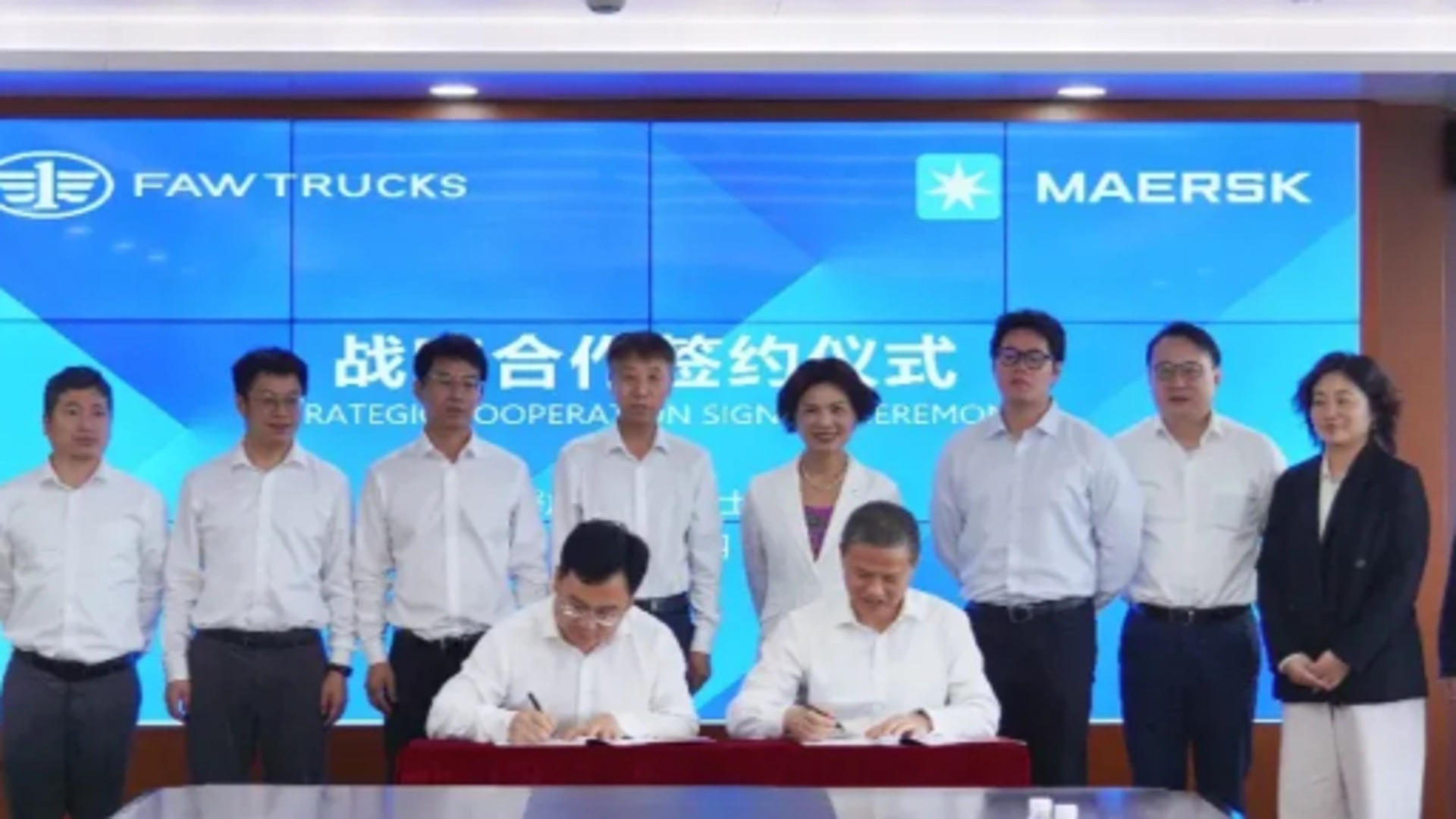
Maersk Partners With FAW Jiefang to Strengthen Global Supply Chain for Chinese Trucks
 Containers
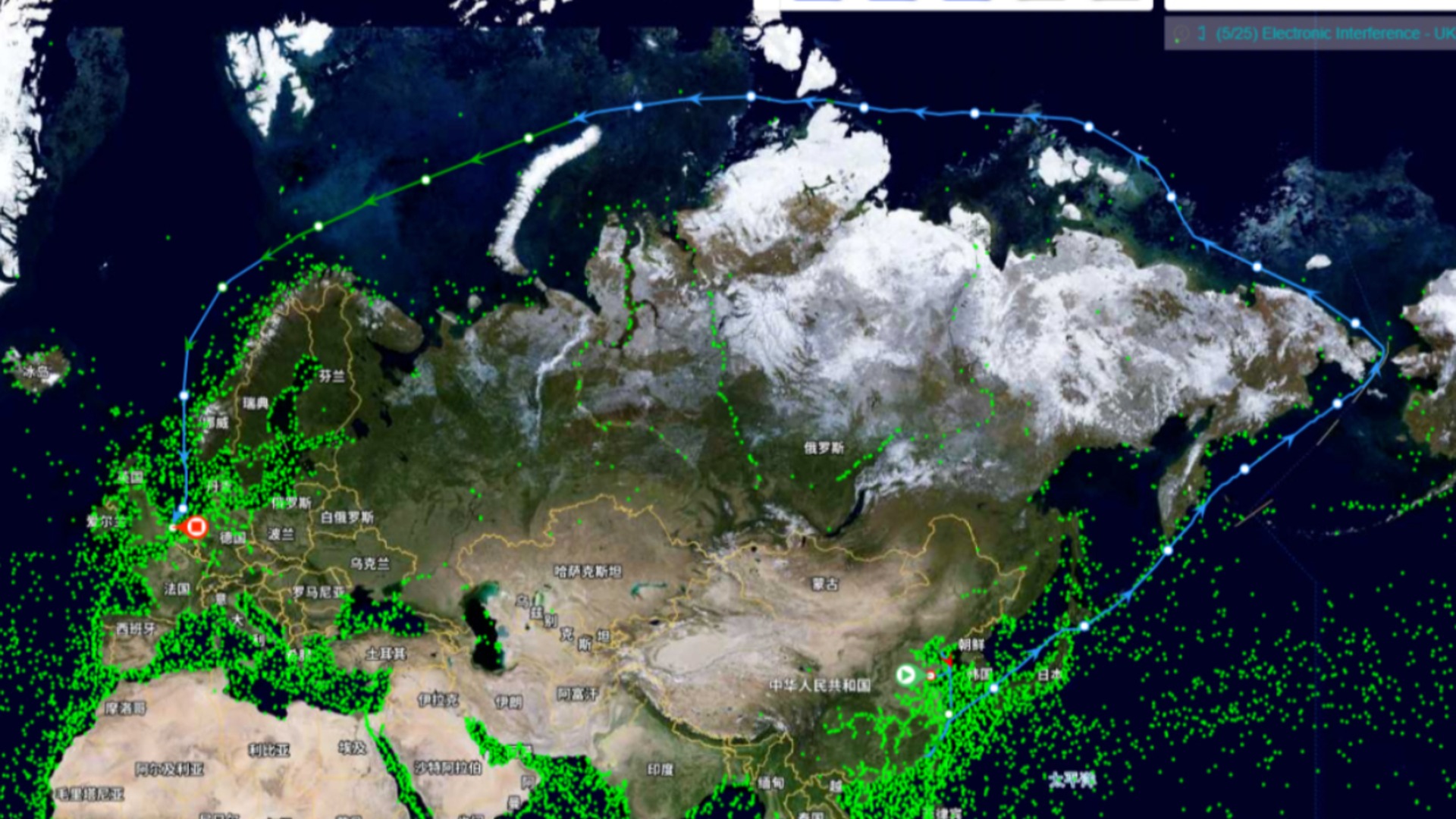
How Can Sea Legend Reach Europe in 20 Days? Inside the Operational System Behind the CAX Arctic Express
 Containers
20 Days From China to Europe: Sea Legend Relaunches CAX Arctic Express with Eight Weekly Sailings
 Containers
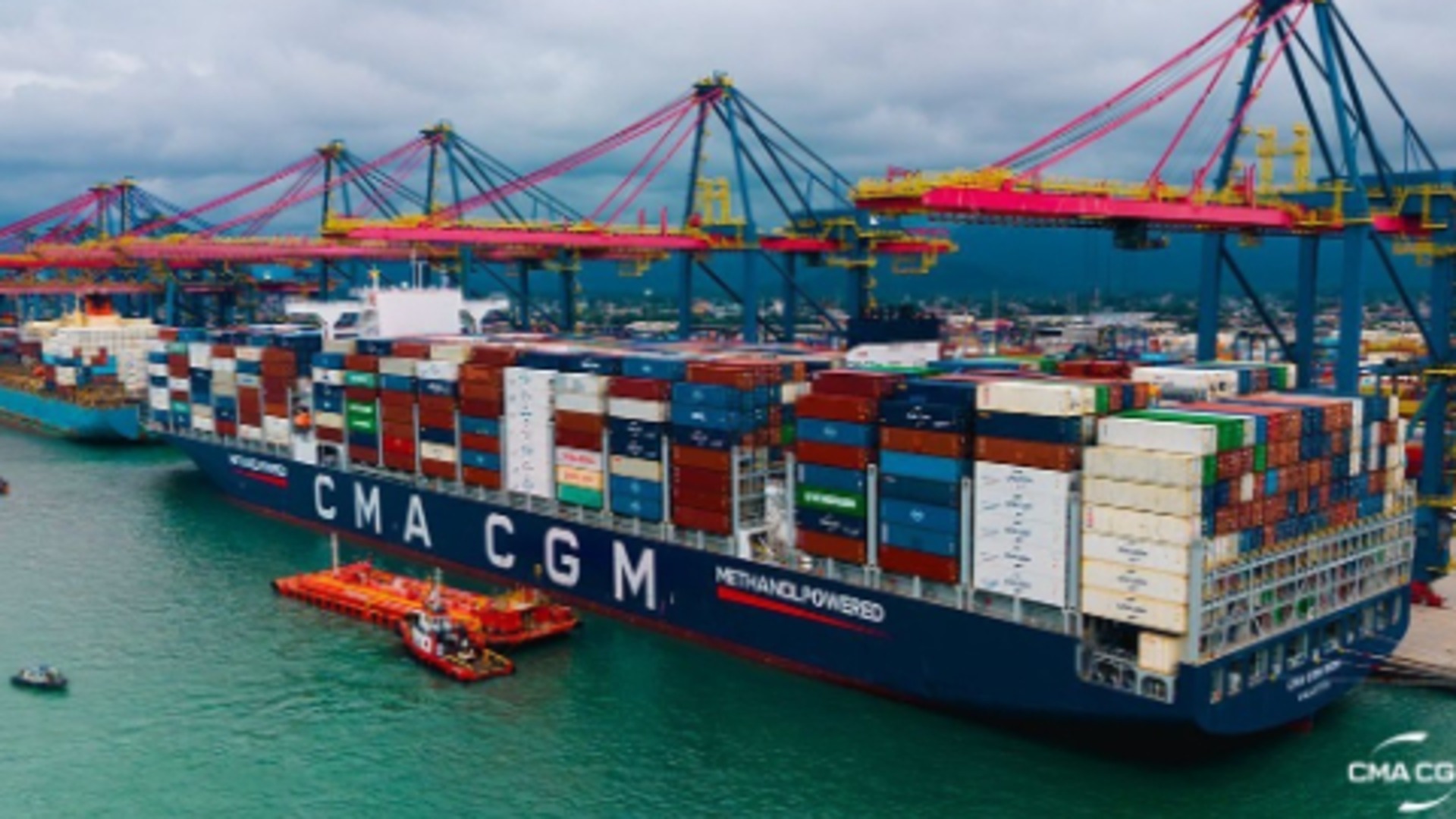
CMA CGM’s 13,000-TEU Giant Starts “Drinking” Too
 Containers
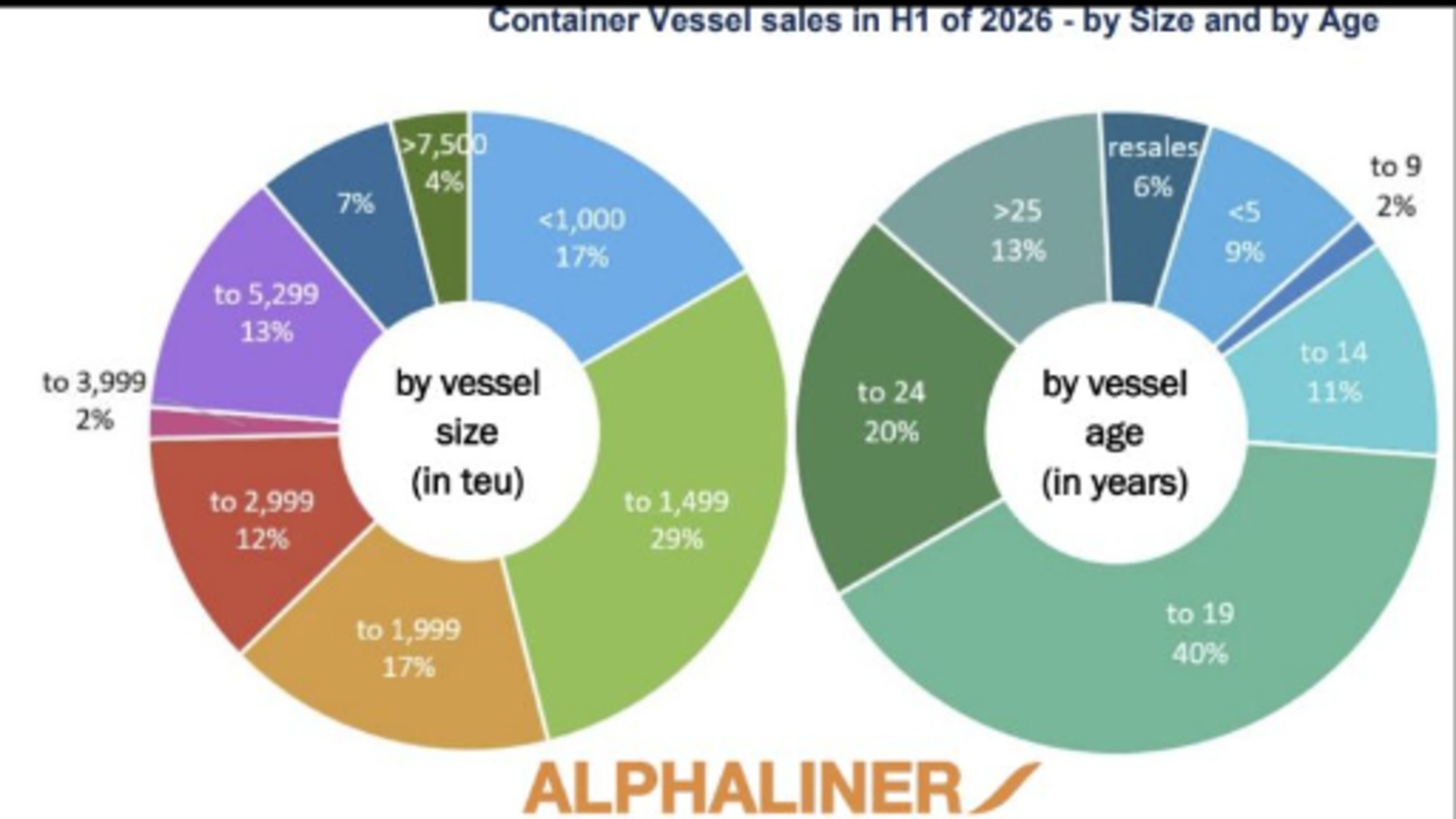
Secondhand containership sales fell sharply in the first half of 2026 — but vessel prices remained firm.
 Containers
Ningbo Containerized Freight Index Weekly Commentary Overall Shipping Demand Declined; Freight Rates Fell on Multiple Routes
 Containers
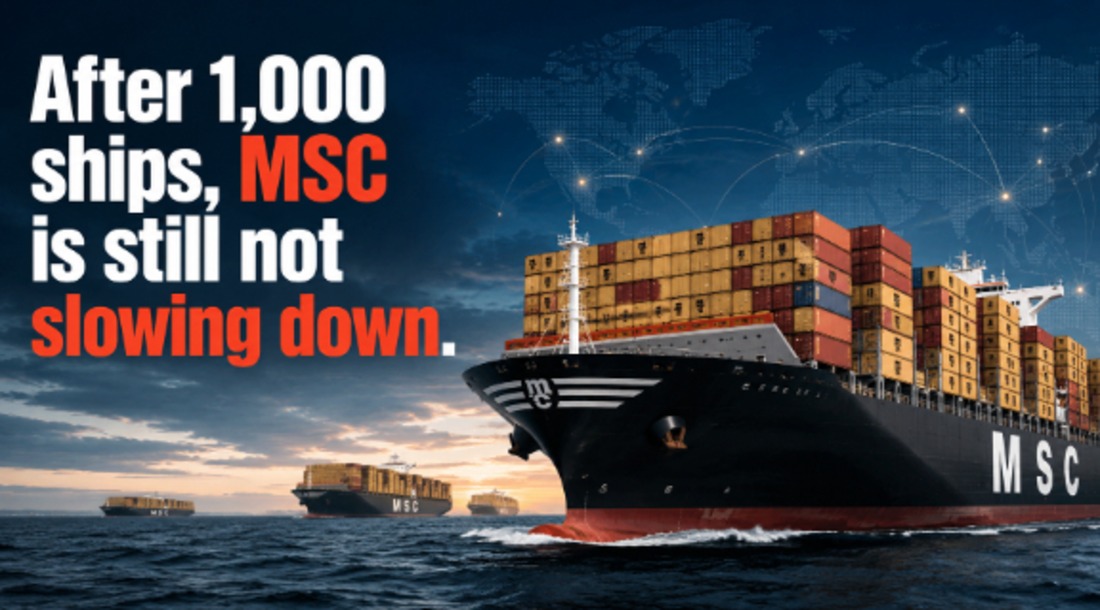
After 1,000 ships, MSC is still not slowing down.
 Containers