


14m TEU Orderbook Puts Container Shipping on Course for a 2027 Capacity Test
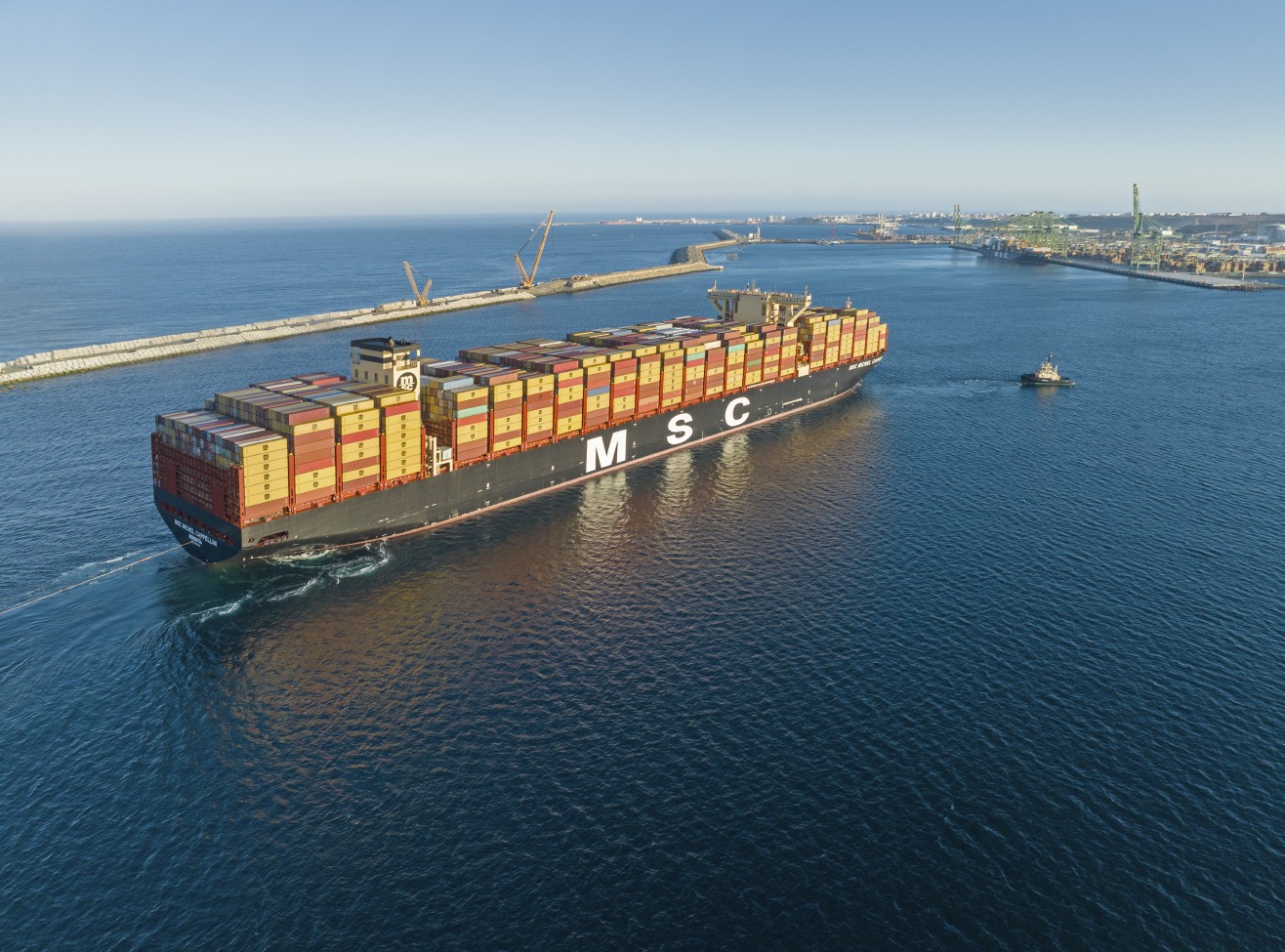

The containership orderbook now exceeds 14 million TEU as fleet growth accelerates into 2027. Whether that new capacity becomes a serious oversupply problem could depend heavily on how quickly liner networks return to the Suez Canal.
Container shipping is heading towards its biggest capacity test since the post-pandemic ordering boom, with BIMCO warning that fleet growth is likely to outpace demand in 2027 even under relatively supportive trade scenarios.
Global containership capacity has now passed 34 million TEU, after adding roughly 10 million TEU in just five and a half years. BIMCO expects the fleet to expand by about 4.6% in 2026 and another 9% in 2027, as the industry's huge newbuilding pipeline moves towards delivery.
More than 14 million TEU is currently on order, equivalent to roughly 42% of the existing fleet, according to BIMCO's September Container Shipping Market Overview & Outlook. Recycling, meanwhile, has provided little relief: less than 300,000 TEU has been scrapped during the fleet's latest five-and-a-half-year expansion.
The numbers point to a simple question for 2027: can cargo growth and geopolitical disruption continue absorbing new ships quickly enough?
Demand is still holding up
So far, the market has proved more resilient than the size of the orderbook might suggest.
Global container volumes increased 5.1% year on year during the first seven months of 2026, according to BIMCO, while head-haul and regional trades expanded 6.3%. Exports from East and Southeast Asia contributed more than half of the increase.
But cargo growth tells only part of the story.
Diversions around the Cape of Good Hope have extended sailing distances and absorbed substantial vessel capacity. Disruption around the Strait of Hormuz has provided another temporary constraint on available tonnage.
These effects have helped a rapidly growing fleet remain employed.
The risk is what happens when those disruptions unwind.
Suez could release hidden capacity
BIMCO estimates that a gradual return to normal Suez Canal routings during 2027 could reduce ship demand growth by around five percentage points compared with its current forecast.
Once routing patterns are fully normalised, required ship capacity could be approximately 10% lower than in a market where carriers continue sailing around the Cape of Good Hope.
That does not mean container cargo volumes would suddenly fall by 10%. Instead, shorter Asia-Europe voyages would allow the same ships to complete more round trips, effectively releasing capacity back into the market.
This distinction is crucial.
For the past several years, geopolitical disruption has acted as an absorber of new tonnage. A sustained return to Suez could reverse that effect just as shipyards enter another heavy delivery period.
BIMCO expects effective ship supply to increase by around 5%–6% in 2027, while its container demand scenarios range from 0.5% to 4.5%, depending partly on conditions in the Strait of Hormuz and their impact on the global economy.
China sits at both ends of the cycle
The supply wave has particular relevance for China.
Chinese shipyards have secured a large share of the current containership construction boom, while COSCO SHIPPING and OOCL are among the major carriers continuing to add new capacity. At the same time, East and Southeast Asian exports remain a major source of container demand.
For yards, the present orderbook provides years of construction visibility. For carriers, however, those same deliveries will eventually have to be absorbed through cargo growth, slower sailing, recycling, service expansion or changes in chartered fleets.
The industry's unusually low scrapping levels leave another potential adjustment mechanism. Nearly 2,000 containerships representing more than 5 million TEU are already 20 years or older, creating a sizeable pool of potential recycling candidates if freight and charter markets weaken.
The 2027 outlook therefore depends on more than the headline size of the orderbook.
If diversions persist and trade volumes remain strong, additional ships can continue to be absorbed. But if Suez routings normalise while deliveries accelerate, container shipping could discover how much capacity geopolitical disruption has been quietly keeping out of the market.
For carriers, that may make the timing of route normalisation almost as important as the number of ships leaving the yards.

READ MORE
 Containers
With an Orderbook Above 45% of the Fleet, Why Are Container Lines Still Paying Up for Ships?
 Containers
HMM Approves $1.62 Billion Plan to Add 12 Containerships
 Containers
Buy Again! From Ships to Ports: Inside the Maersk Family’s Infrastructure Buying Spree
 Containers
What Kind of Company Is Seaspan Today?
 Containers
CMA CGM Updates eBL Templates to Clarify Electronic Original Status
 Containers
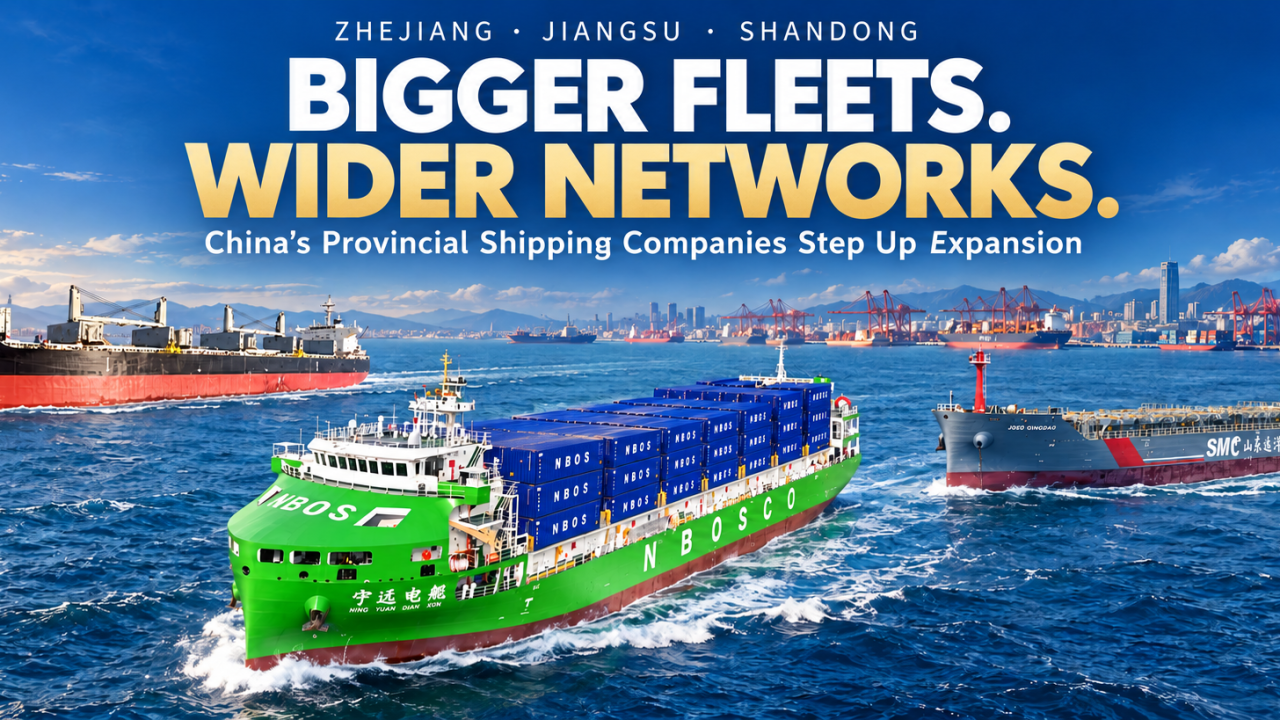
Bigger Fleets, Wider Networks: China’s Provincial Shipping Companies Step Up Expansion
 Containers
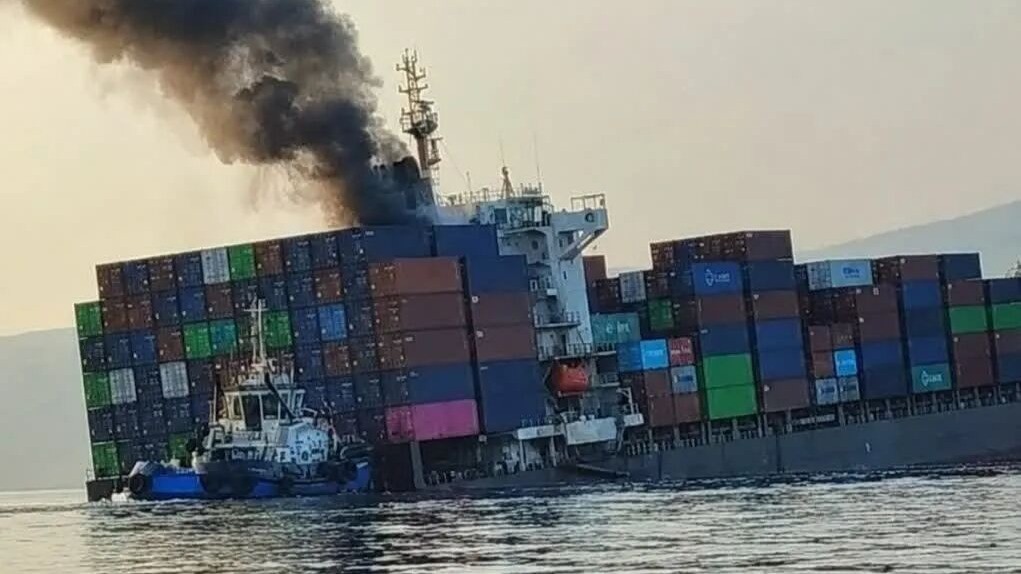
2,824-TEU GFS PRIDE Sinks in Hormuz; All 21 Crew Safe
 Containers
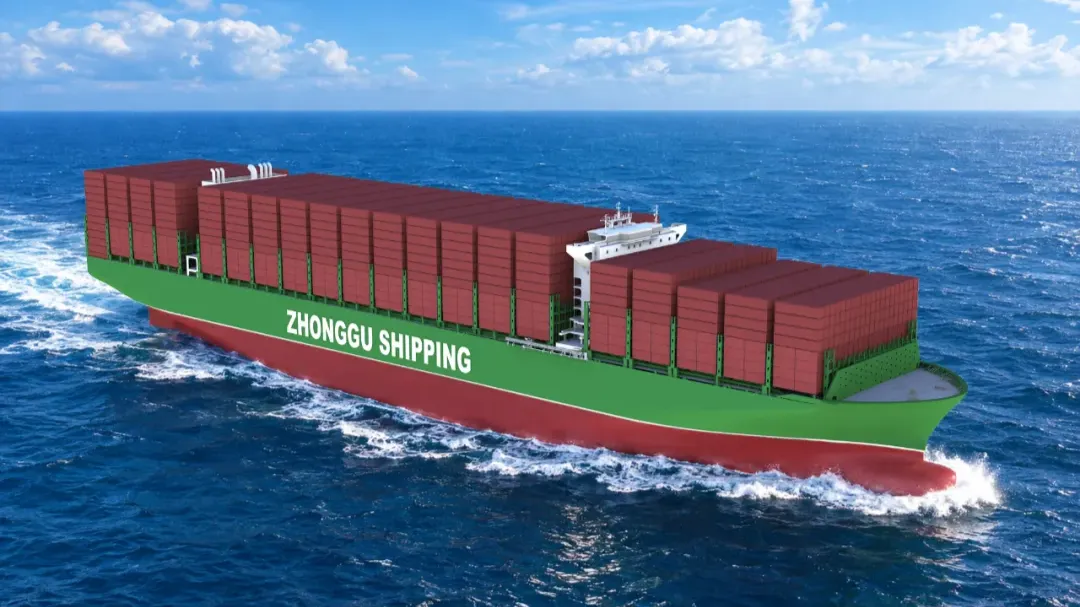
Zhonggu Orders Its First 14,000 TEU Ships as Annual Newbuilding Tally Reaches 20
 Containers
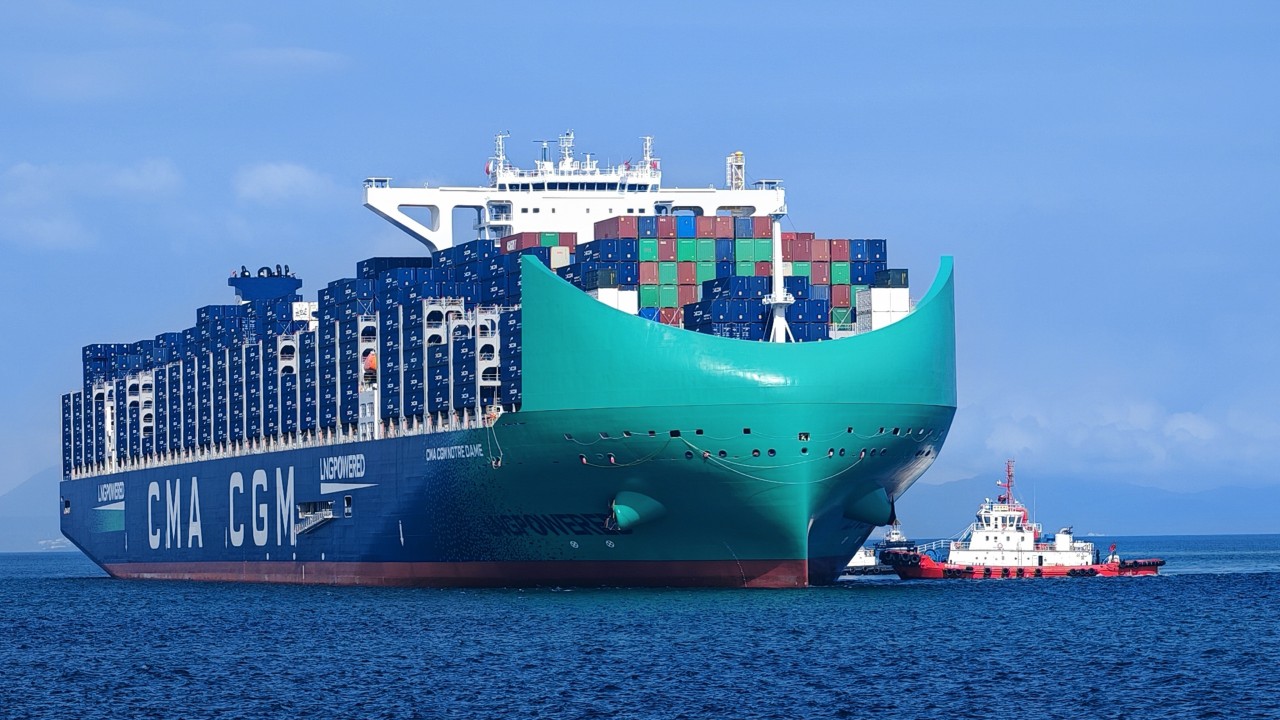
CMA CGM Expands Biomethane Push with Singapore Supply Partnership
 Containers