


Maersk overtakes COSCO to become Asia’s largest intra-Asia liner


Maersk has taken the top position in the intra-Asia international container trade, with its expansion closely linked to the operating model of the Gemini Cooperation with Hapag-Lloyd.
Maersk has overtaken COSCO Shipping to become the largest container line in the intra-Asia international market, according to Alphaliner’s latest fleet review.
The shift does not change the global ranking of liner companies. It refers specifically to deployed capacity on international intra-Asia services, excluding domestic coastal trades. MSC remains the world’s largest container shipping company by total operating fleet.
Alphaliner’s mid-August review showed that Maersk had deployed more than 340,000 TEU across intra-Asia services, an increase of about 34,000 TEU from a year earlier. The Danish carrier operated approximately 108 vessels in the market, with an average vessel size of around 3,176 TEU.
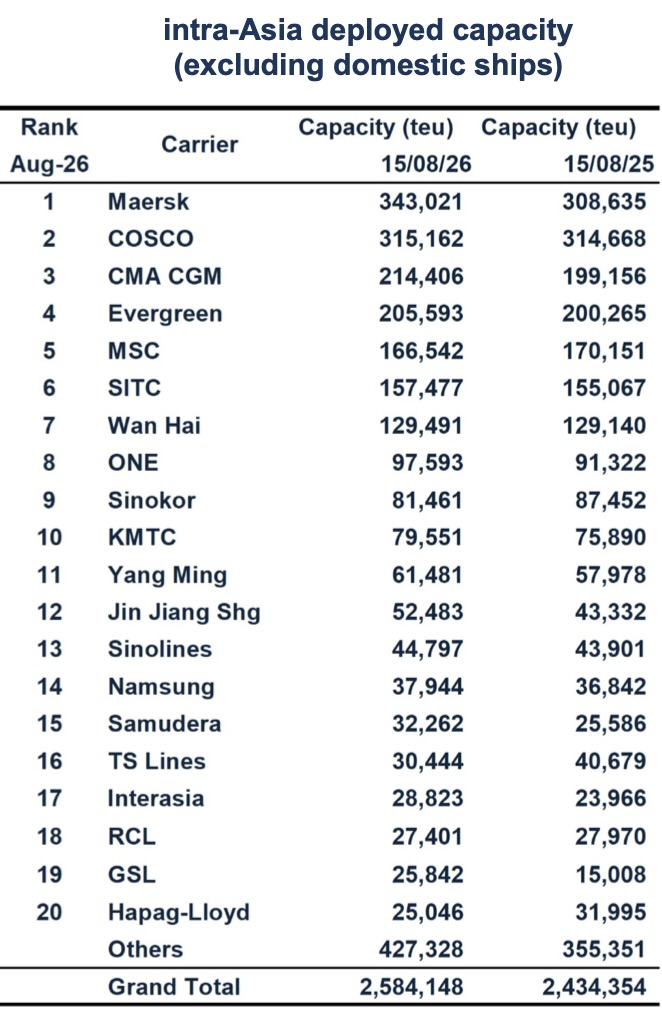
Source: Alphaliner
COSCO, meanwhile, operated more than 120 vessels in the region but recorded little capacity growth over the same period. Its larger number of vessels did not translate into a larger total slot capacity, allowing Maersk to move into first place.
The overall intra-Asia market reached approximately 2.58 million TEU of deployed capacity, up 6.2% year on year. More than 80 liner companies are active in the trade, making it one of the most competitive segments of the container shipping industry.
A regional ranking, not a global one
The distinction between intra-Asia capacity and global fleet rankings is important.
A global ranking measures the total fleet operated by a carrier across all major trades, including Asia–Europe, transpacific, transatlantic and regional services. An intra-Asia ranking, by contrast, measures only capacity deployed between Asian ports.
The two rankings therefore reflect different commercial strategies. A carrier may have a large global fleet but a relatively limited presence in regional trades. Conversely, a regional specialist can operate a large number of short-sea services without ranking among the world’s largest carriers overall.
Maersk’s move ahead of COSCO reflects a change in regional deployment rather than a fundamental change in the global hierarchy of container shipping. The four largest global carriers—MSC, Maersk, CMA CGM and COSCO—remain dominant in the wider liner market, while regional operators continue to play an important role in Asia.
Gemini adds weight to Maersk’s Asian network
Maersk’s expansion in intra-Asia services is closely connected to the Gemini Cooperation, its operational partnership with Hapag-Lloyd.
The cooperation began in February 2025 and is based on a hub-and-spoke network. Under this model, large mainline vessels call at a limited number of major hub ports, while smaller shuttle and feeder services connect those hubs with other ports in the region.
This structure places greater importance on regional services. Intra-Asia routes are no longer simply standalone short-sea trades; they also serve as connecting networks feeding cargo into the main east–west services.
For Maersk, the expansion of Asian shuttle services supports several objectives:
- connecting more ports to Gemini’s mainline hubs;
- improving control over cargo flows within the regional network;
- providing alternatives when direct port calls are reduced;
- supporting schedule reliability through a more structured network.
The hub-and-spoke model is intended to reduce the number of port calls made by large vessels and make the mainline network easier to operate. But it also requires sufficient feeder and regional capacity. Without that supporting network, a reduction in direct calls could make the service less attractive to shippers.
The Gemini network has therefore increased the strategic value of intra-Asia capacity for Maersk. The company’s regional growth is not simply a matter of adding ships; it is part of a wider redesign of how cargo moves between Asian manufacturing centres, hub ports and long-haul services.
The partnership has also been adjusting its long-haul network as conditions in the Red Sea change. In September 2026, Maersk and Hapag-Lloyd announced the resumption of additional services through the Suez Canal, including the AE5, AE11, AE12 and ME2 services. Reuters
That development could eventually affect vessel deployment across the Gemini system. A return to the Suez route reduces sailing distances compared with routing around the Cape of Good Hope, potentially freeing ships for other services. At the same time, the network’s future deployment will continue to depend on security conditions in the Red Sea and the commercial benefits of shorter transit times.
COSCO remains a major regional competitor

COSCO’s second-place position in the intra-Asia ranking does not indicate a retreat from the market.
The Chinese carrier continues to operate one of the largest regional fleets and has a particularly broad network across China, Southeast Asia, Northeast Asia and the Indian subcontinent. Its large vessel count also reflects the importance of serving a wide range of ports, including locations that may not support the larger ships used on mainline trades.
The difference between Maersk and COSCO also highlights two different network models.
Maersk has expanded its capacity with a relatively high average vessel size. COSCO operates more ships but with a lower average capacity per vessel. The former approach can provide greater slot capacity per service, while the latter may offer more port coverage and sailing frequency.
For shippers, the relevant question is not simply which carrier has the largest regional fleet. Reliability, port coverage, transit time, equipment availability, connection options and inland logistics can be more important than total deployed TEU.
COSCO’s extensive presence in Chinese ports and its links with terminals, logistics companies and other parts of the wider China shipping system remain important competitive advantages. Its regional position is therefore unlikely to be determined by a single annual capacity comparison.
CMA CGM moves ahead of Evergreen
The changes extend beyond the top two carriers.
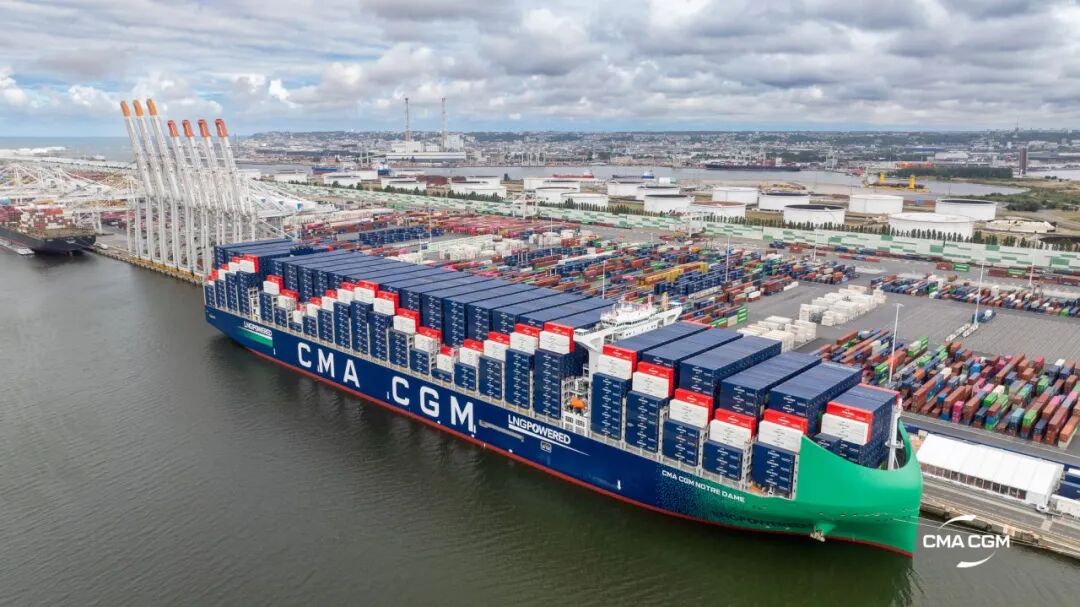
CMA CGM increased its intra-Asia capacity by approximately 15,000 TEU over the year and moved ahead of Evergreen to become the third-largest operator in the market, according to the Alphaliner data cited in industry reports.
The ranking reflects the growing involvement of global carriers in regional trades. Mainline operators are using intra-Asia services not only to capture local cargo but also to support their wider network structures.
Large carriers now account for more than 63% of deployed capacity in the intra-Asia market, despite operating fewer vessels than regional specialists. Their average ship size is higher, allowing them to control a larger share of capacity with fewer hulls.
Regional carriers continue to provide much of the market’s port connectivity. SITC remains the largest specialist intra-Asia operator, with approximately 109 vessels and around 157,000 TEU of deployed capacity.
This division between global carriers and regional specialists is commercially significant. Global lines can combine regional cargo with long-haul networks, while specialist operators often compete through frequency, port coverage, local market knowledge and tailored services.
What the shift means for Asian ports
The redistribution of regional capacity could influence the competitive position of Asian hub ports.
A hub-and-spoke network tends to concentrate transshipment cargo at selected gateways. Ports chosen as hubs can gain additional volumes, vessel calls and feeder connections, while ports removed from direct mainline rotations may become more dependent on regional services.
This does not automatically mean that every hub-and-spoke network will reduce the importance of secondary ports. Intra-Asia trade remains highly fragmented, and cargo flows between Asian economies are supported by a large number of manufacturing, consumer and intermediate-goods corridors.
However, the network structure can change how ports compete. Terminal productivity, berth availability, customs efficiency, inland connections and the ability to handle transshipment cargo become more important when carriers concentrate their mainline calls.
For Chinese ports, the shift has two implications. First, major gateways such as Shanghai, Ningbo-Zhoushan, Shenzhen and Qingdao remain essential to global and regional networks. Second, smaller and secondary ports may need strong feeder links to maintain access to international services when carriers rationalise direct calls.
Competition will depend on more than capacity
The latest ranking shows that intra-Asia shipping is still expanding, but it does not necessarily indicate that all carriers will benefit from adding capacity.
The market’s deployed capacity increased by 6.2% year on year, slightly faster than the growth of the global container fleet during the same period. If capacity growth exceeds cargo growth, competition may intensify and freight rates may come under pressure.
That issue is particularly relevant as new container ships continue to enter the global fleet. Maersk itself has warned that vessel overcapacity and the gradual reopening of the Red Sea route could weigh on freight rates and earnings. Reuters
For intra-Asia services, the effect may be even more direct. The market includes a large number of short-sea routes where ships can be redeployed relatively quickly. Carriers can add or withdraw capacity, adjust port rotations and change vessel sizes in response to cargo demand.
Maersk’s rise to the top therefore represents both a competitive gain and a strategic commitment. The company is putting more capacity into the regional network at a time when intra-Asia trade is becoming increasingly important to the design of global liner systems.
COSCO remains close behind, while CMA CGM, Evergreen and regional specialists such as SITC continue to compete for cargo and port access.
The key development is not simply that Maersk has overtaken COSCO. It is that intra-Asia services are becoming a more important part of the operating architecture of the world’s largest container lines. As Gemini and other network structures evolve, regional capacity will increasingly determine how effectively carriers connect Asian ports to the global trading system.

READ MORE
 Containers
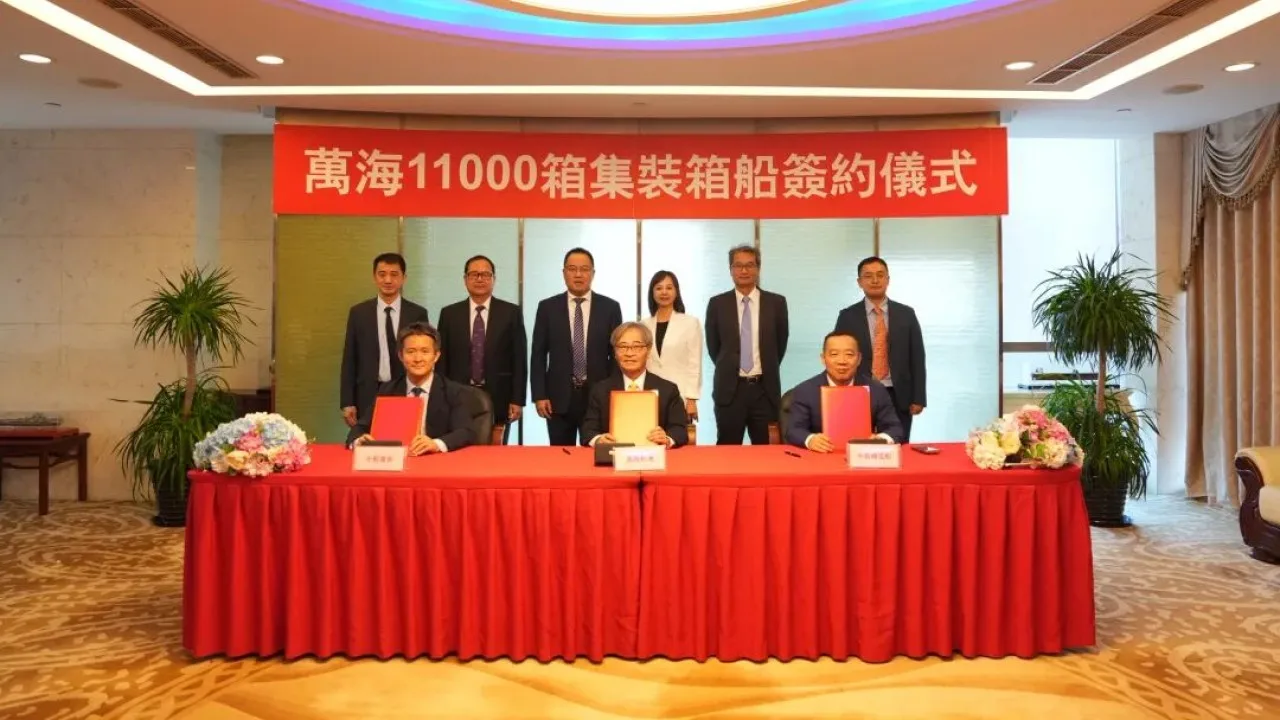
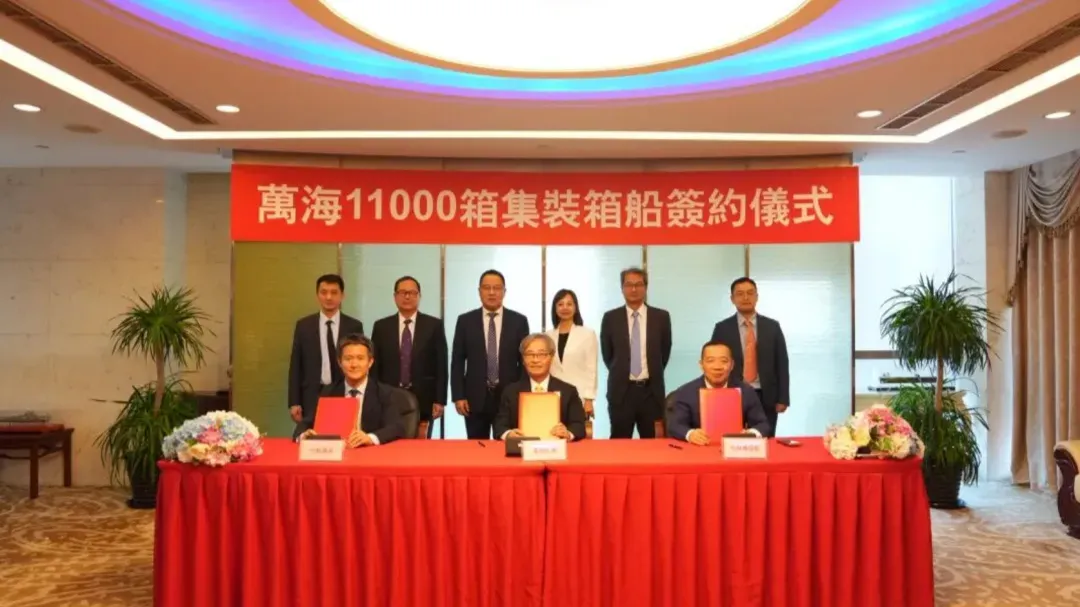
Wan Hai firms up $744m order for six 11,000 teu boxships at SWS
 Containers
Wan Hai Orders Six 11,000 TEU Containerships in New Fleet Expansion Move
 Containers
Ningbo Containerized Freight Index Weekly Commentary Freight Rates Fluctuated but Composite Index Remained Stable
 Containers
COSCO SHIPPING Heavy Industry launches A-share IPO push
 Containers
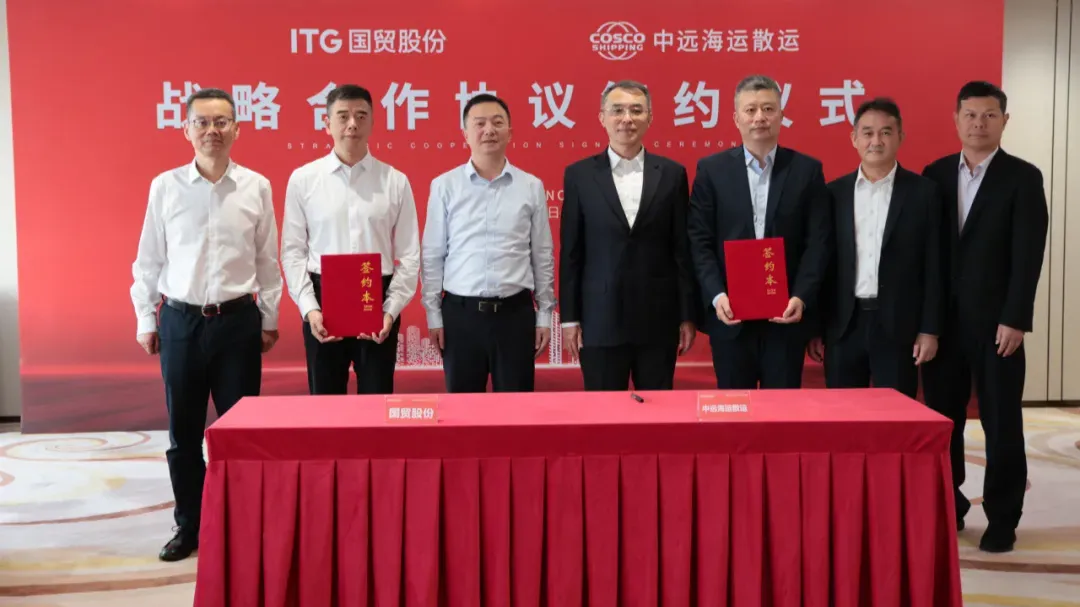
COSCO SHIPPING Bulk and Xiamen ITG to Build Breakbulk Liner Service from Lianyungang
 Containers
Container Trade Hits Record 17.3m TEU as Far East Exports Surge
 Containers
China’s First Arctic Container Service Reaches Europe
 Containers
Beyond 24,000 TEU: Why the 27,500-TEU ‘Gigamax’ Is Back in Play
 Containers
MSC Keeps Buying Used Boxships After 500-Ship Milestone
 Containers