


Zero-Emission-Capable Ship Orders Slide as IMO Uncertainty Weighs on 2030 Target


The share of scalable zero-emission fuel-capable vessels in the global orderbook has fallen from 9.5% to 5.7% of tonnage, even as methanol bunkering infrastructure expands, highlighting a widening gap between shipping’s technical readiness and its willingness to commit capital ahead of crucial IMO talks in December.
Shipping is making tangible progress in alternative-fuel technology, but weaker ordering, financing and regulatory signals are putting its 2030 fuel transition target under increasing pressure.
A new assessment from the UCL Energy Institute and Getting to Zero Coalition found that vessels capable of using scalable zero-emission fuels, or SZEF, accounted for just 5.7% of total tonnage on order, down from 9.5% a year earlier.
The decline comes despite significant advances elsewhere.
The number of ports offering methanol bunkering increased 53%, from 19 to 29, while methanol-capable tonnage already in service tripled over the past year. Shipping has also recorded its first ammonia bunkering operations and sea trials.
The problem, according to the report, is that technical capability is expanding faster than the demand and investment signals needed to turn it into large-scale adoption.
Shipping-specific sustainable debt issuance fell from $3.4bn in 2024 to $3.0bn in 2025. The assessment classified technology and fuel supply as partially on track, while demand, finance and policy were assessed as not on track.
Regulatory delay reaches the orderbook
At the centre of the uncertainty is the IMO Net-Zero Framework.
IMO member states approved the draft framework at MEPC 83 in April 2025, combining a marine fuel standard with a greenhouse-gas pricing mechanism. Formal adoption was due later that year, but negotiations were adjourned in October 2025 amid disagreements among governments.
The delay matters because vessels being ordered today are likely to remain in service well into the 2040s.
Owners therefore face decisions over engines, fuel systems and additional capital costs without knowing precisely what global carbon requirements—and the relative economics of conventional and zero-emission fuels—will look like.
That has direct consequences for shipbuilders and equipment suppliers. For Chinese yards in particular, decisions made by international owners over methanol, ammonia and fuel-ready designs will determine not only vessel specifications, but also demand for engines, fuel-storage systems and associated equipment across orderbooks stretching toward the end of the decade.
The report does not suggest that alternative-fuel development has stopped. Rather, it points to a divergence: infrastructure and technology are progressing, while commercial commitments are losing momentum.
It is also important to distinguish fuel capability from actual emissions performance. The report’s SZEF definition focuses on fuels capable of achieving roughly 90%-100% lifecycle greenhouse-gas reductions and excludes LNG, conventional biofuels and fossil-derived “blue” fuels. A methanol-capable ship, for example, only delivers deep emissions reductions if sufficiently low-emission methanol is actually available and used.
December becomes the next test
Under the IMO’s 2023 greenhouse-gas strategy, zero or near-zero emission technologies, fuels and energy sources should account for at least 5%, striving for 10%, of energy used by international shipping by 2030.
The regulatory timetable now puts renewed focus on the end of this year.
The IMO’s next greenhouse-gas working group is scheduled for November 23-27, followed by MEPC 85 from November 30 to December 3. The adjourned extraordinary MEPC session is scheduled to resume on December 4, subject to discussions at MEPC 85.
With only four years remaining until 2030, those negotiations will influence investment decisions far beyond fuel producers.
For shipowners, yards, engine makers and lenders, the question is increasingly not whether zero-emission technology can be built, but whether the regulatory and commercial signals will be strong enough for companies to order it at the required scale.

READ MORE
 Sustainability
IMO Chief Defends Net Zero Ambition in Shanghai as Shipping Awaits Clearer Rules
 Sustainability
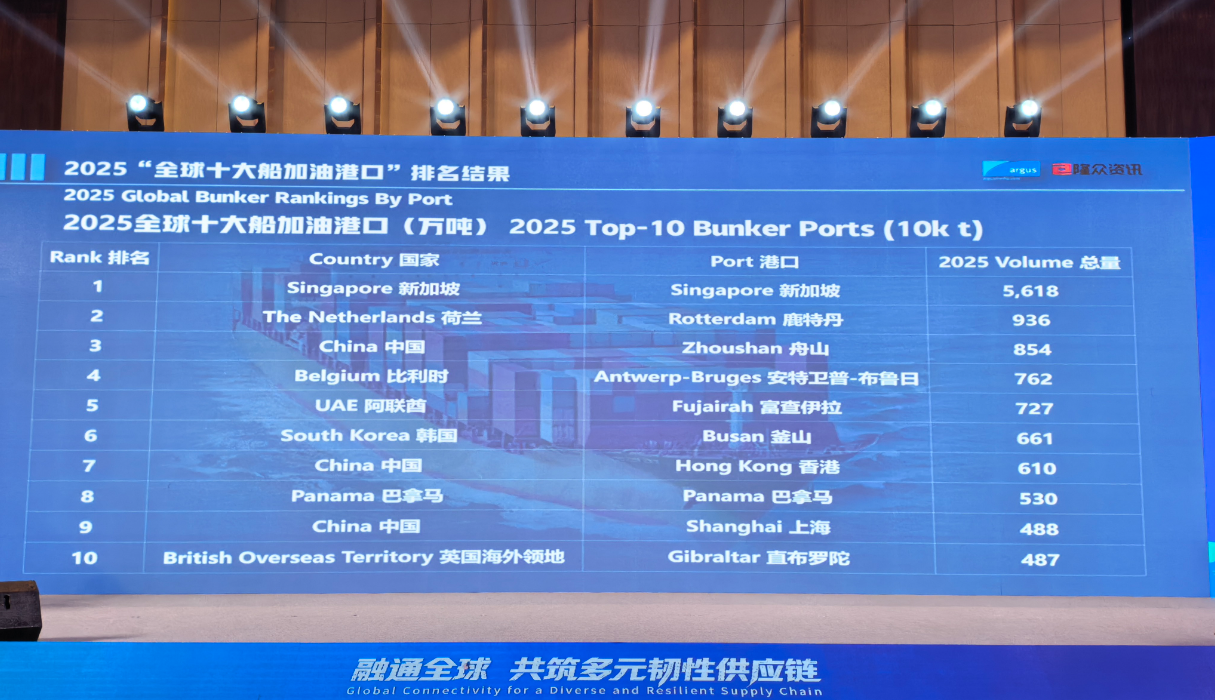
Zhoushan Overtakes Fujairah to Become World's Third-Largest Bunkering Port
 Sustainability
Shiptec China 2026.10.28-10.30 |Invitation of Green Energy for a Smart Future – Forum on New Energy Ship Technology and Ecosystem
 Sustainability
MI and Green Marine Partner to Strengthen Methanol Safety and Crew Training
 Sustainability
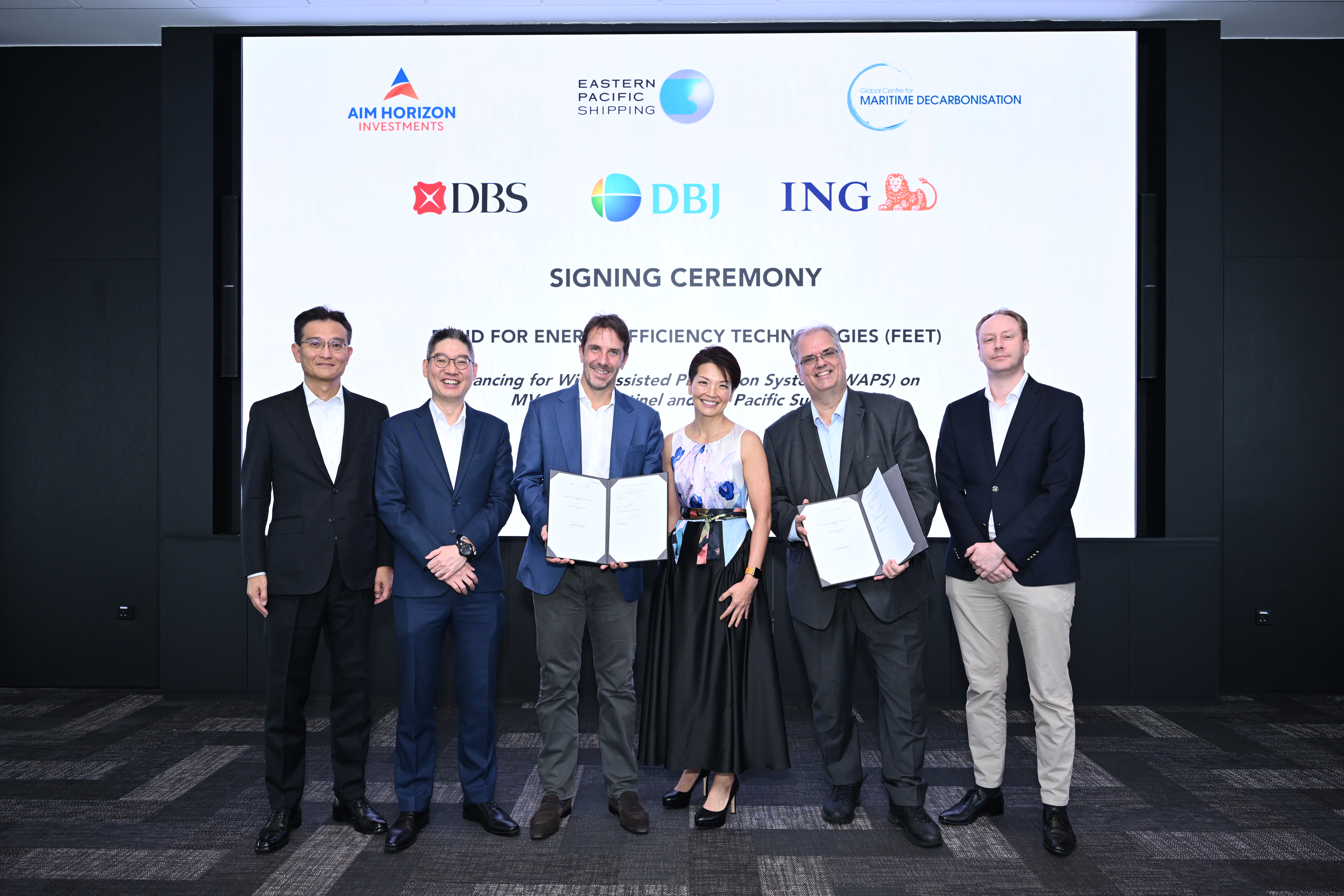
EPS Secures First FEET Financing for Two Wind-Assisted Vessels
 Sustainability
Car Carriers Face Fuel Supply and Emissions Accounting Challenges
 Sustainability
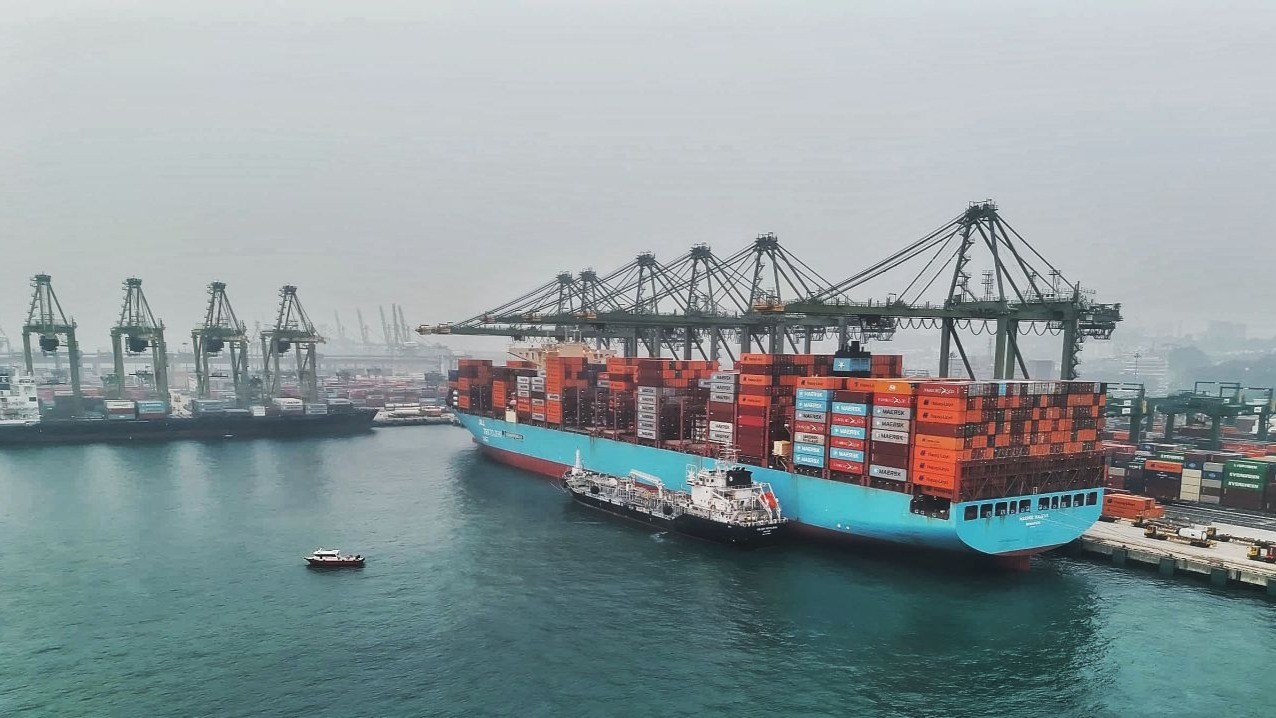
5,000 Tonnes: Maersk Completes World’s Largest Ethanol Bunkering in Singapore
 Sustainability
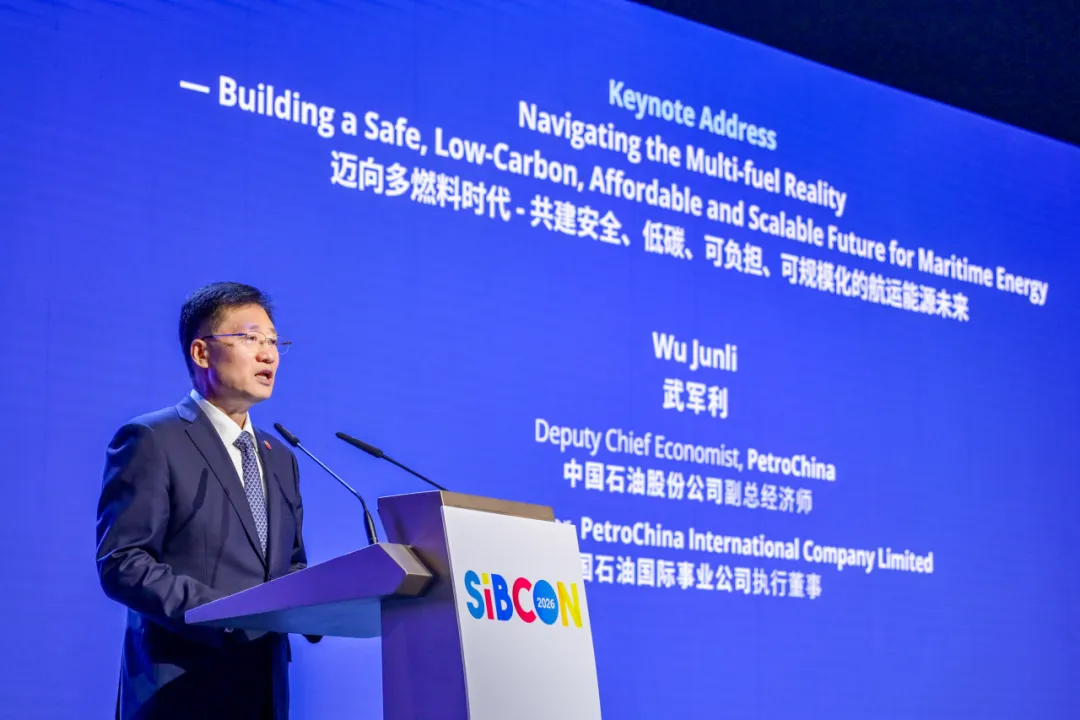
PetroChina Expands Multi-Fuel Bunkering in Singapore
 Sustainability
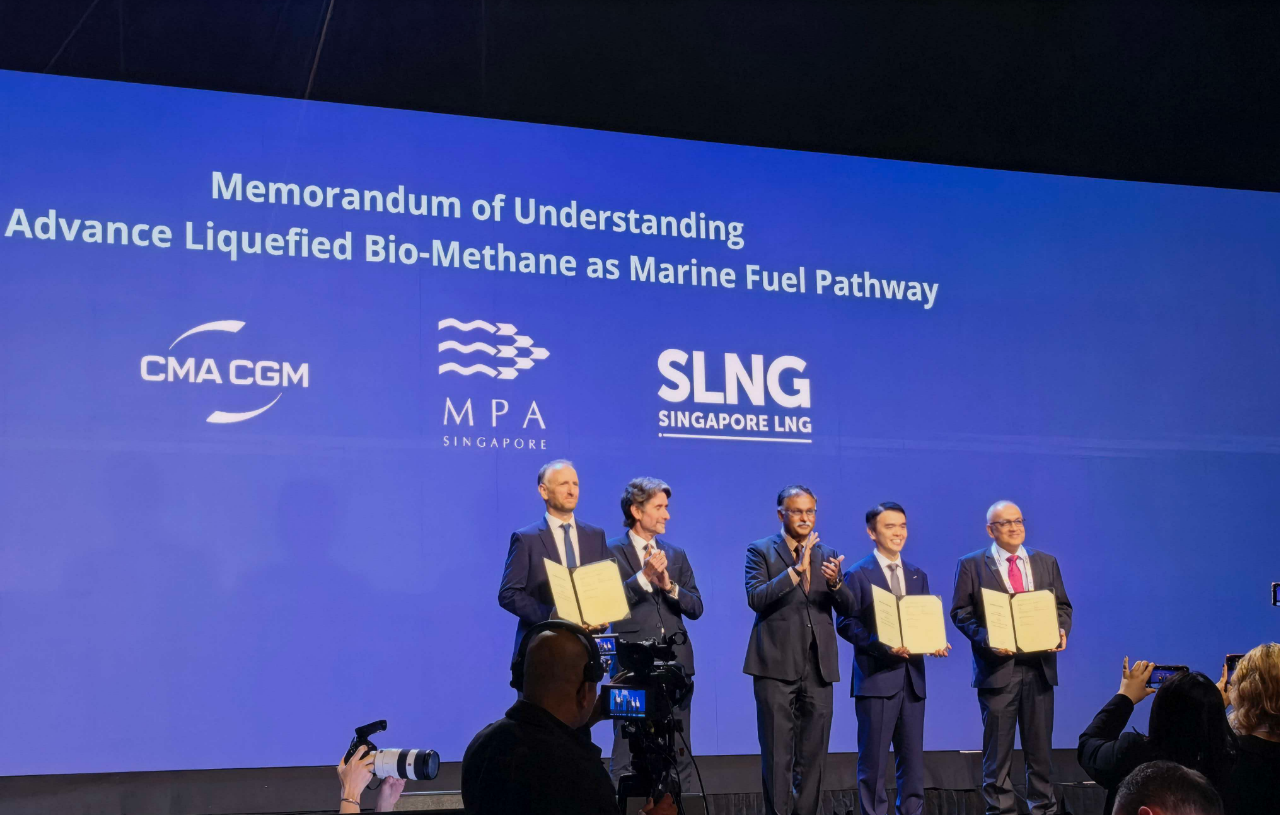
MPA, CMA CGM and SLNG Join Forces on Bio-LNG Bunkering
 Sustainability