


Chimbusco completes first ammonia bunkering operation
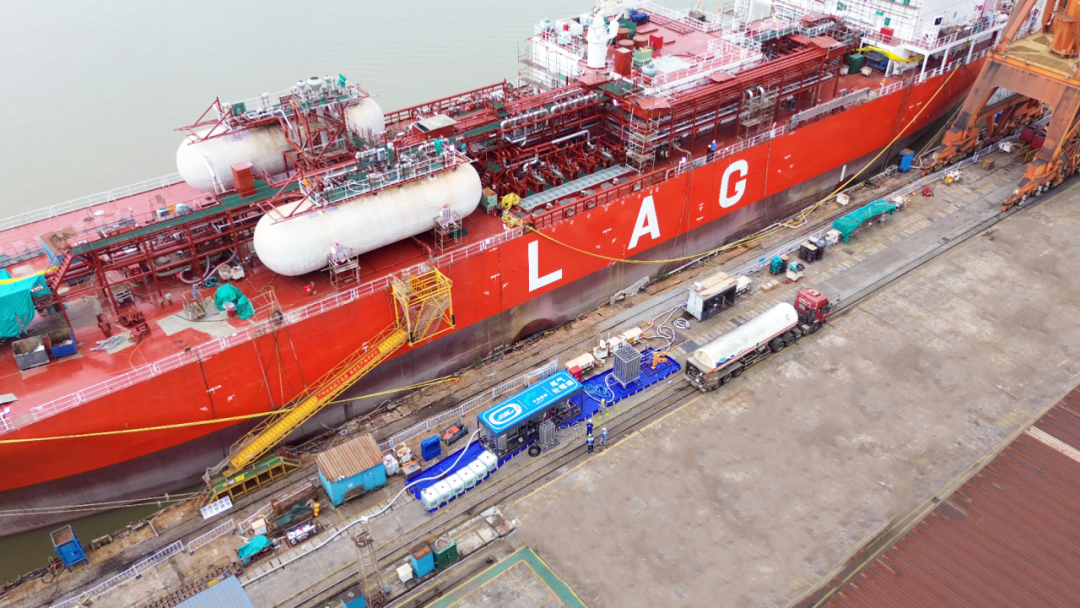

China Marine Bunker (PetroChina) Co., Ltd. (Chimbusco) has completed its first truck-to-ship liquid ammonia bunkering operation, marking a further step in the development of ammonia fuel supply capabilities in southern China.
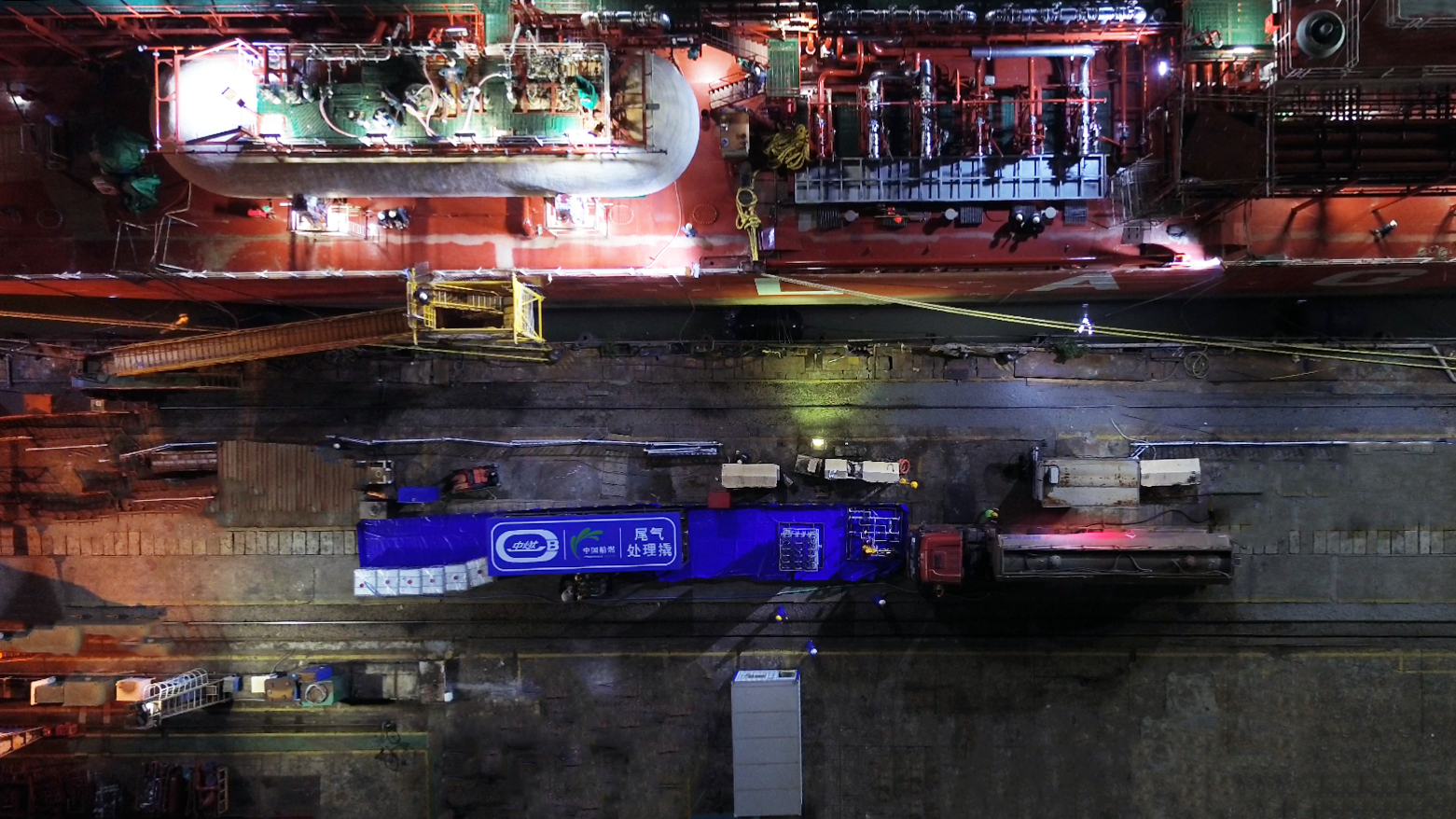
The operation was carried out on September 8 at Huangpu Shipyard in Guangzhou, where liquid ammonia was transferred from road tankers into the fuel tank of a newly built ammonia dual-fuel vessel.
According to Chimbusco, the project was its first truck-to-ship ammonia bunkering operation and represented an important technical milestone for ammonia fuel handling in the region.
Ammonia is widely regarded as one of the potential zero-carbon marine fuels, but its toxicity, volatility and demanding storage requirements create significantly greater safety challenges than conventional bunker fuels.
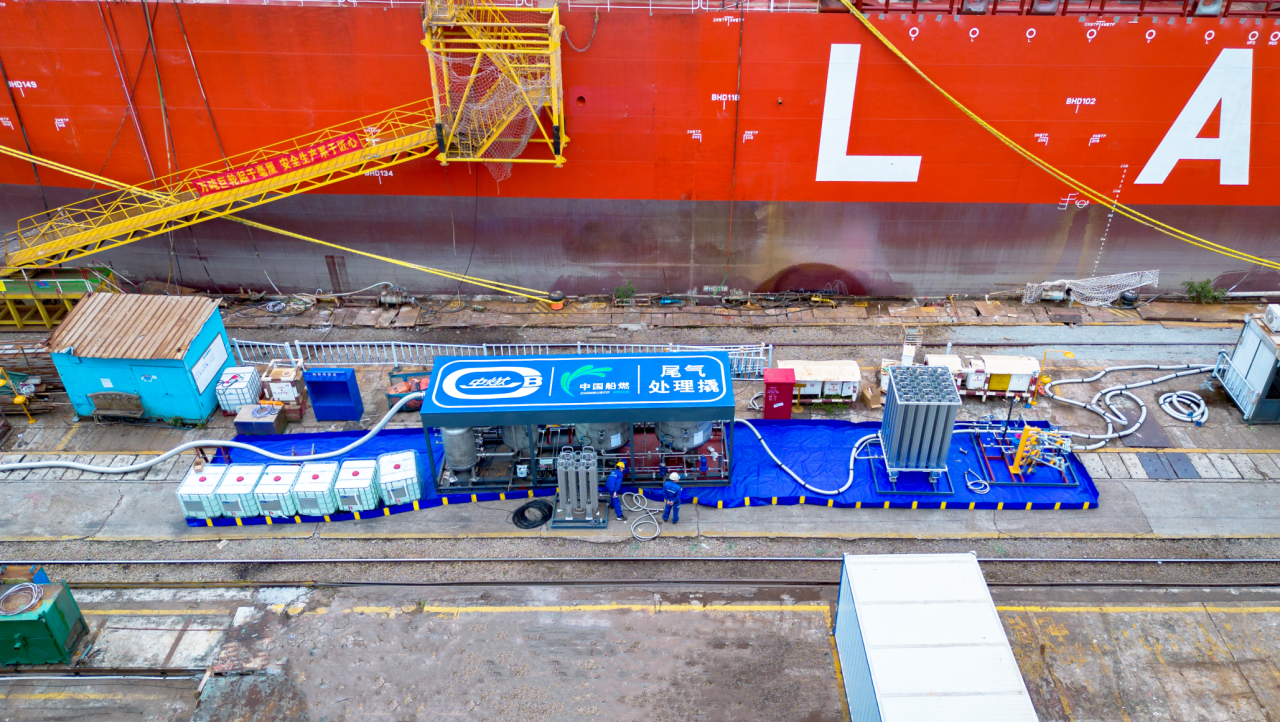
The operation involved multiple interfaces covering hazardous cargo transportation, tanker-to-vessel connection, liquid transfer, vapour return and pressure balancing.
Chimbusco said it worked with the receiving vessel and other parties to establish a dedicated safety management system before the operation. A total of 23 key equipment items and operating points, including road tanker tanks, bunkering skids and gas-liquid balancing systems, were inspected and verified.
The company also deployed ammonia detection equipment, positive-pressure breathing apparatus and dedicated transfer control systems to support emergency response and operational safety.
The bunkering project followed around 210 days of preparation and technical development. Chimbusco said the operating plan was revised more than 40 times, while the team carried out over 30 simulation exercises and more than 20 rounds of equipment testing.
Particular attention was given to fuel-tank pre-cooling, pressure control and maintaining stable gas-liquid balance during transfer.
During the actual bunkering operation, the liquid levels and pressures of both the vessel’s fuel tank and the road tankers were monitored continuously. Chimbusco said the operation was completed without leakage, overpressure or safety incidents.
The successful trial also demonstrates the potential role of truck-to-ship bunkering during the early development of the ammonia-fuelled fleet.
Compared with permanent storage terminals or bunker vessels, road-tanker supply can provide a more flexible solution for newbuilding commissioning, trials and early commercial operations, particularly while ammonia-fuel demand remains relatively limited.
As more ammonia-capable vessels enter service, the wider challenge will be to develop a reliable fuel supply chain covering production, storage, port infrastructure, bunkering standards, crew training and safety regulation.
Chimbusco has been expanding its alternative marine fuel capabilities in recent years, including LNG and methanol bunkering. The latest operation adds ammonia to that growing portfolio and provides the company with practical experience in another emerging marine fuel segment.
For the broader shipping industry, the significance of the Guangzhou operation extends beyond a single fuel transfer. As ammonia-fuelled ship technology moves closer to commercial deployment, the availability of safe and scalable bunkering infrastructure will become an increasingly important part of the transition.

READ MORE
 Sustainability
The Next Shipping Race Will Be About Who Can Burn Less Fuel
 Sustainability
World’s First Wind-Assisted LNG Carrier Named, Featuring Two 49-Metre Hard Sails
 Sustainability
World’s 1st Operational Ammonia Bunkering Vessel Enters Service,Backed by CMB.TECH
 Sustainability
324 days ahead of schedule — another milestone for China’s shipbuilding industry
 Sustainability
At SMM Hamburg I Saw Seven Changes Reshaping Global Shipping
 Sustainability
World’s First Operational Ammonia Bunkering Vessel Emerges
 Sustainability
Ships Built Today May Still Be Sailing in 2050 — So How Should We Design Them?
 Sustainability
Hapag-Lloyd Completes First Biomethanol Bunkering
 Sustainability
How Do You Bet on the Next 30 Years When Uncertainty Becomes the Norm?
 Sustainability