


How much more does a methanol dual-fuel ship really cost?
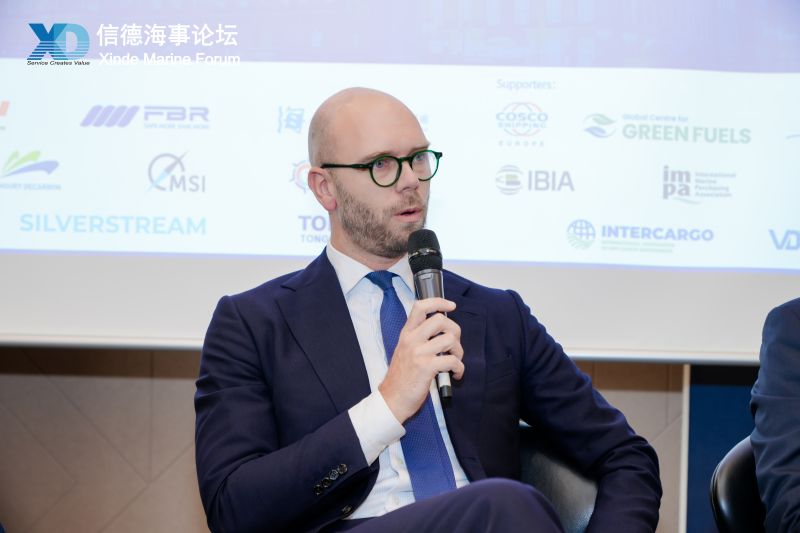
At the Xinde Marine Forum Hamburg 2026, Moritz Fuhrmann, Co-CEO & CFO of MPC Container Ships ASA, offered a very practical answer:
A methanol dual-fuel vessel can require around 10%–20% more CAPEX than a conventionally powered ship now.
That premium is significant — particularly in a market where shipowners are making asset decisions for vessels expected to trade for 20–30 years.
MPC Container Ships has already invested in methanol dual-fuel tonnage. To manage the additional technology and fuel risk, Fuhrmann explained that these investments were backed by substantial long-term contract visibility, in some cases extending from around seven years to as long as 15 years.
Yet another reality remains: even after paying the additional CAPEX for methanol capability, such vessels may still spend much of their operating time running on conventional fuel when green methanol is unavailable or commercially uncompetitive.
This highlights one of the central challenges facing shipping’s energy transition.
Shipowners are being asked to invest more capital today for a fuel ecosystem that is still developing — while fuel availability, pricing, infrastructure and regulation remain uncertain.
The premium therefore buys more than an alternative fuel system.
It buys optionality.
And the key question is increasingly becoming: who should pay for that optionality — the shipowner, charterer, cargo owner, fuel supplier, or the wider value chain?
That debate is likely to become even more important as the next generation of dual-fuel vessels enters the global fleet.

READ MORE
 Sustainability
IMO Chief Defends Net Zero Ambition in Shanghai as Shipping Awaits Clearer Rules
 Sustainability
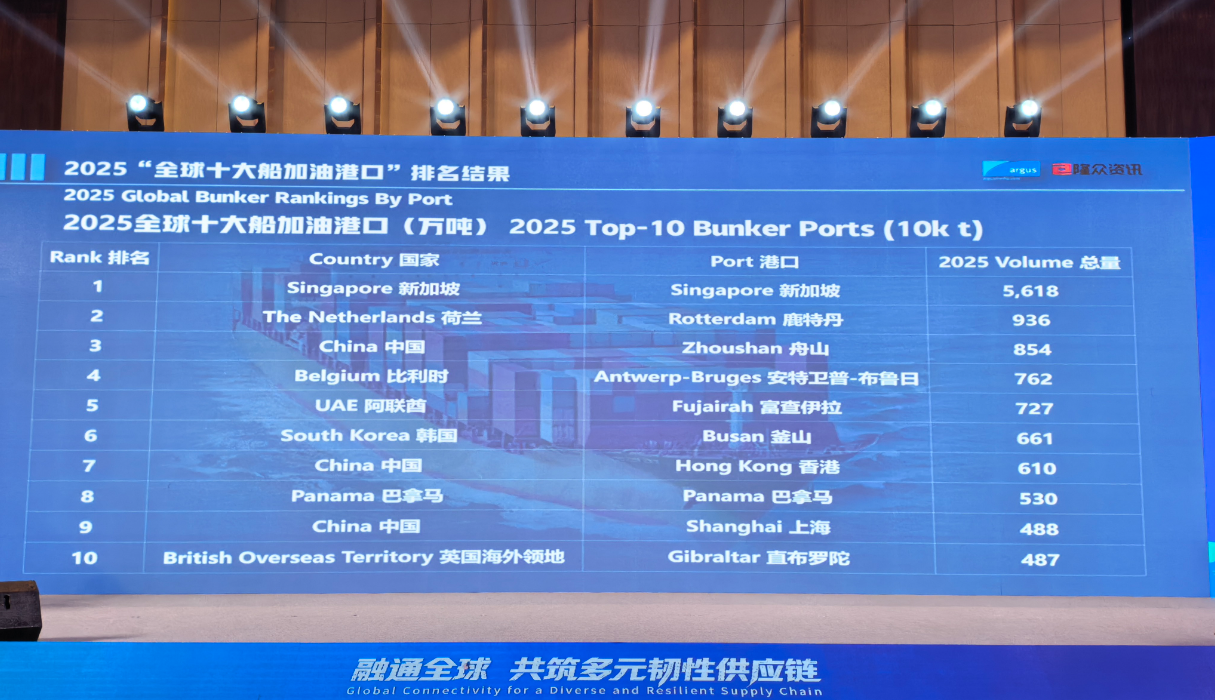
Zhoushan Overtakes Fujairah to Become World's Third-Largest Bunkering Port
 Sustainability
Shiptec China 2026.10.28-10.30 |Invitation of Green Energy for a Smart Future – Forum on New Energy Ship Technology and Ecosystem
 Sustainability
MI and Green Marine Partner to Strengthen Methanol Safety and Crew Training
 Sustainability
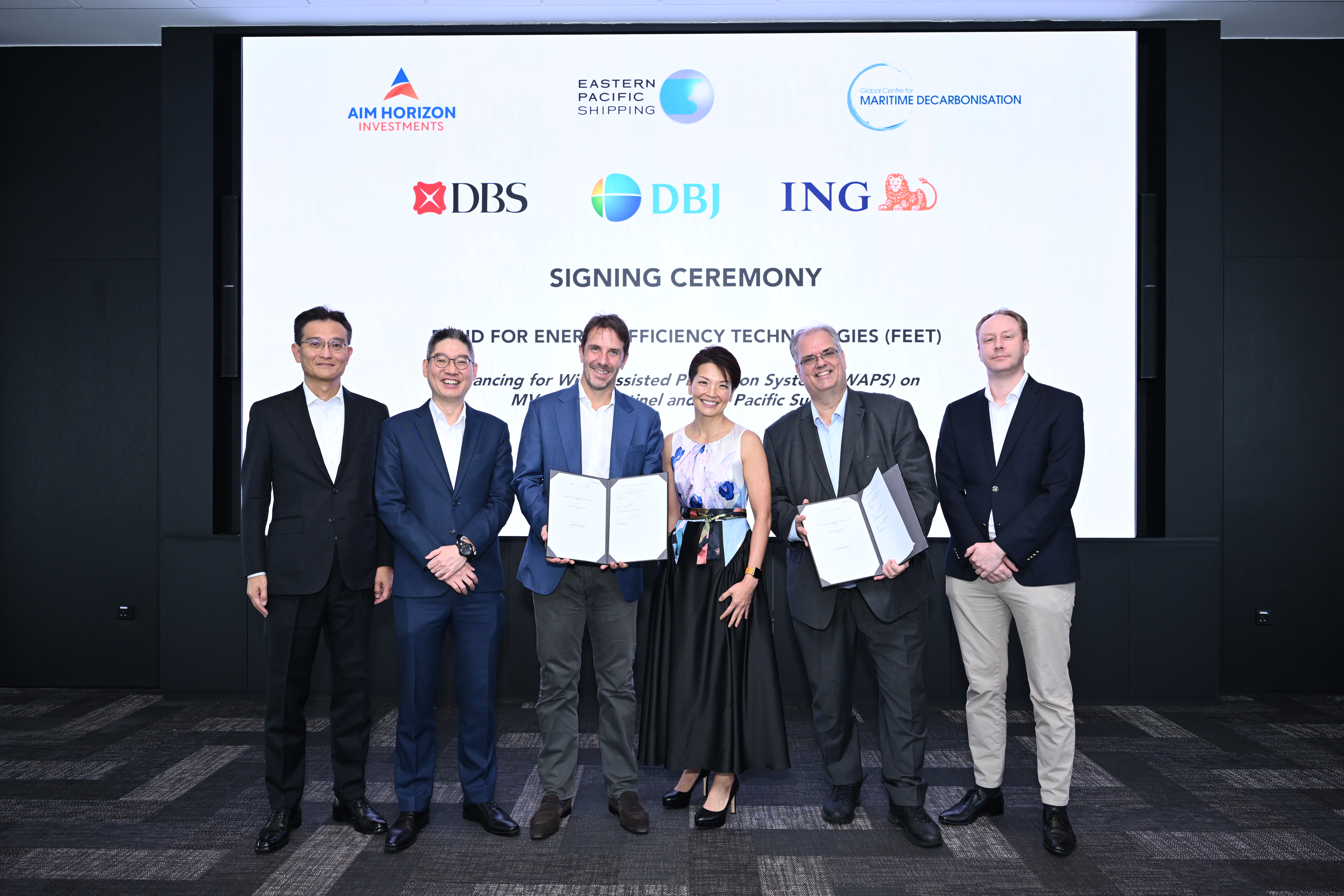
EPS Secures First FEET Financing for Two Wind-Assisted Vessels
 Sustainability
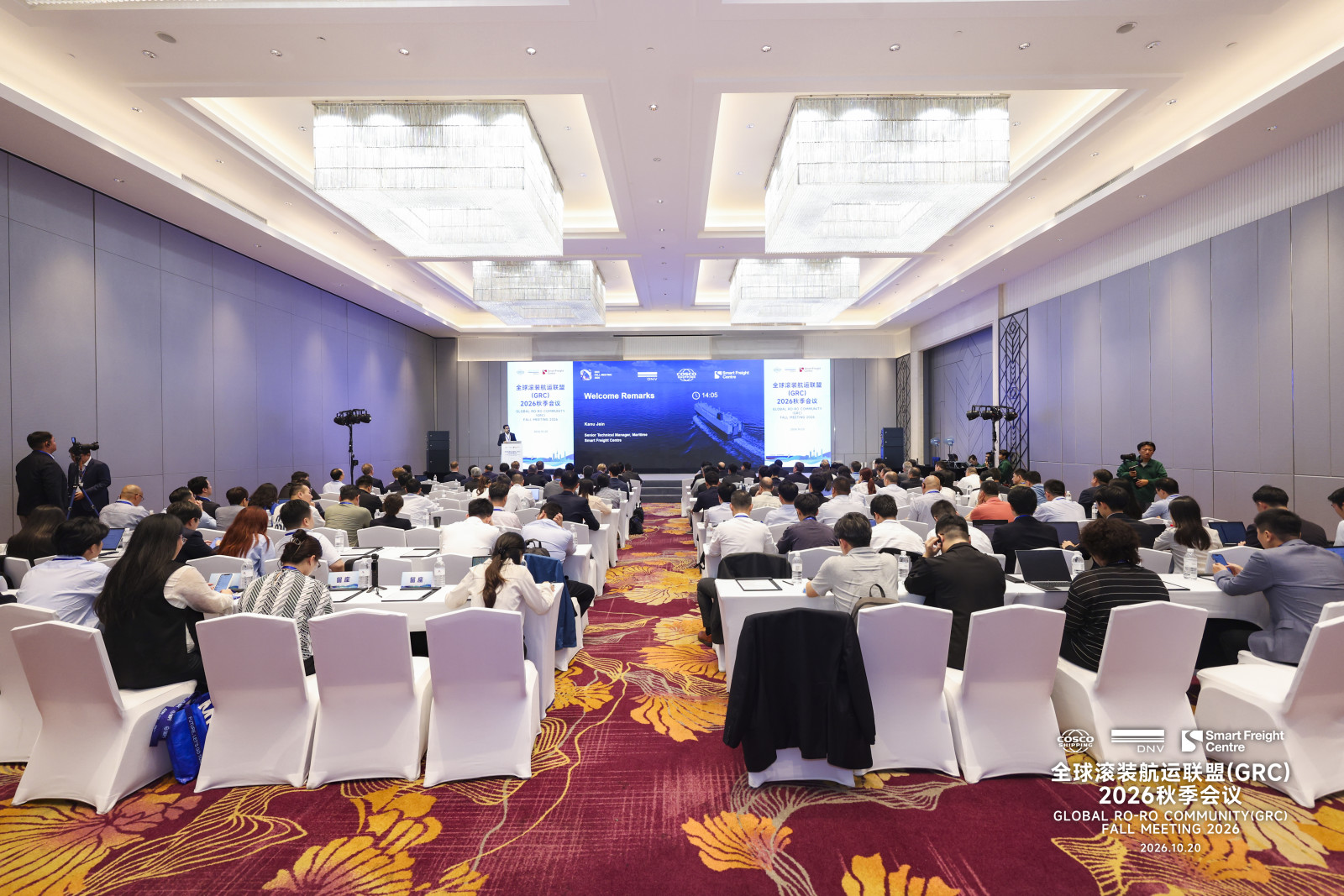
Car Carriers Face Fuel Supply and Emissions Accounting Challenges
 Sustainability
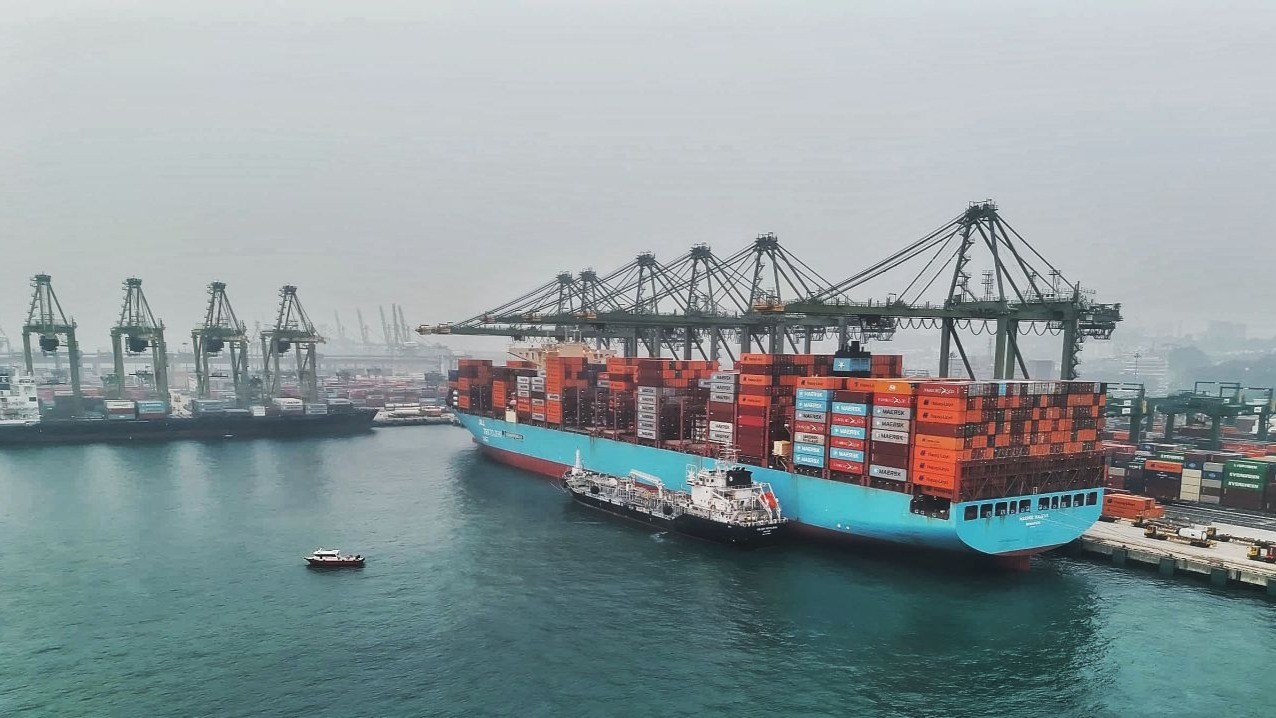
5,000 Tonnes: Maersk Completes World’s Largest Ethanol Bunkering in Singapore
 Sustainability
PetroChina Expands Multi-Fuel Bunkering in Singapore
 Sustainability
MPA, CMA CGM and SLNG Join Forces on Bio-LNG Bunkering
 Sustainability