


China’s Methanol Bunkering Network Expands to Guangzhou Port
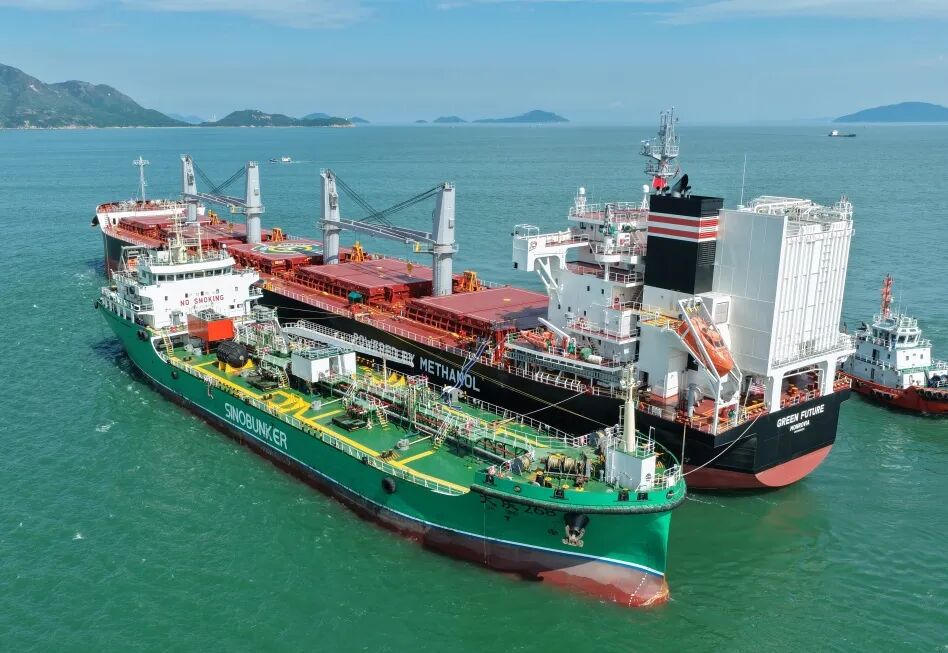

China’s green methanol bunkering network has expanded to Guangzhou Port for the first time, following the successful ship-to-ship supply of 1,021 tonnes of ISCC EU-certified green methanol to the methanol dual-fuel Ultramax bulk carrier Green Future.
The operation was completed on September 6 at Guangzhou’s Dayushan anchorage by Daqing 268, a methanol dual-fuel bunkering vessel operated by China Shipping & SINOPEC Suppliers Co., Ltd.

It marked Guangzhou Port’s first methanol STS bunkering operation and also China’s first green methanol bunkering for an international-trading bulk carrier.
The development extends China’s methanol bunkering capability beyond ports including Shanghai, Ningbo-Zhoushan, Shenzhen, Qingdao, Tianjin, Dalian and Yangpu, while adding another major supply point in the Guangdong-Hong Kong-Macao Greater Bay Area.
Methanol bunkering operations in China have so far been concentrated mainly on containerships and vehicle carriers. The latest operation broadens that coverage to the dry bulk sector, where vessels typically trade across a wider range of routes and ports and may require relatively large bunker volumes at individual calls.
The successful delivery of more than 1,000 tonnes shows that China’s methanol supply chain is increasingly capable of supporting ocean-going bulk carriers as more methanol-capable tonnage enters service.
Green Future is the world’s first methanol dual-fuel Ultramax bulk carrier. The 65,700-dwt vessel was delivered by Japan’s Tsuneishi Shipbuilding in 2025 and is owned by Kambara Kisen and chartered to NYK Bulk & Projects Carriers. The vessel can operate on both methanol and conventional marine fuel.
The 7,500-dwt Daqing 268 entered service in January 2026. The 109.9-metre vessel was purpose-built for methanol bunkering and is authorised to operate on routes connecting mainland China with Hong Kong and Macao.
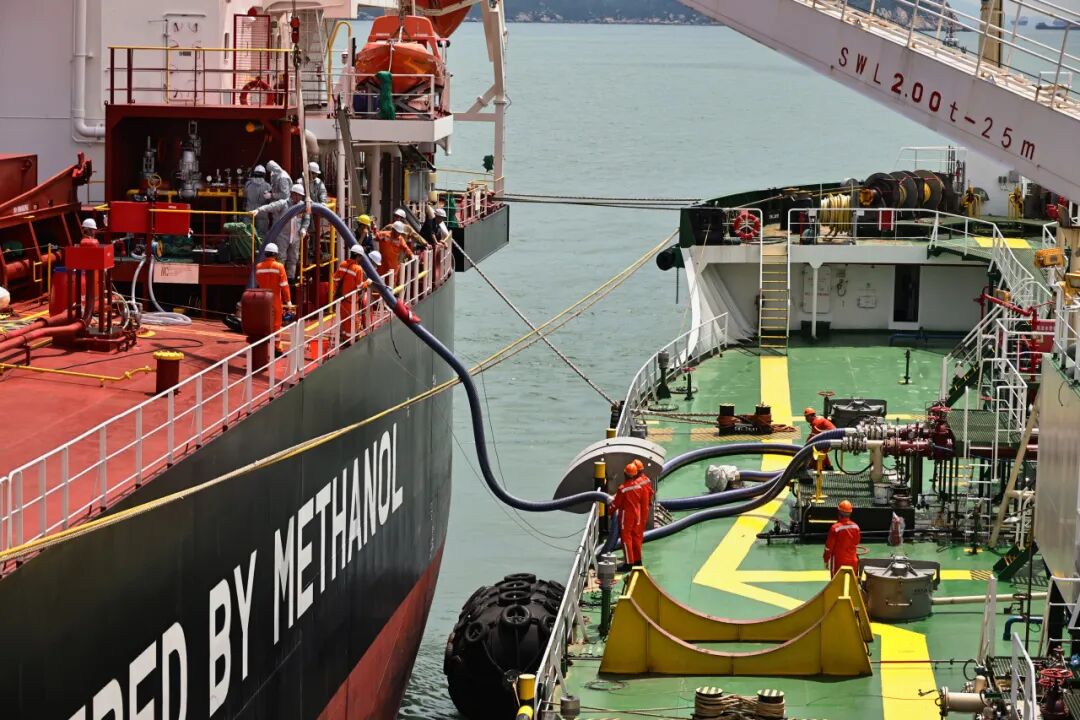
Before the Guangzhou operation, Daqing 268 had already carried out first green methanol STS bunkering operations in Shenzhen, Hong Kong and Ningbo, giving its operator experience across different port jurisdictions.
With methanol bunkering operations now completed in Shenzhen, Hong Kong and Guangzhou, the Greater Bay Area is beginning to develop a broader alternative-fuel supply network across several major maritime gateways.
For international vessels trading through the Pearl River estuary, Guangzhou now provides another option for taking on low-carbon marine fuel and strengthens the region’s overall bunkering capability.
As more methanol dual-fuel vessels enter service globally, the focus for ports and bunker suppliers is increasingly shifting from individual demonstration projects towards reliable and repeatable commercial supply. Guangzhou’s first methanol bunkering operation adds another link to that network and extends China’s green methanol supply capability further into the international dry bulk sector.

READ MORE
 Sustainability
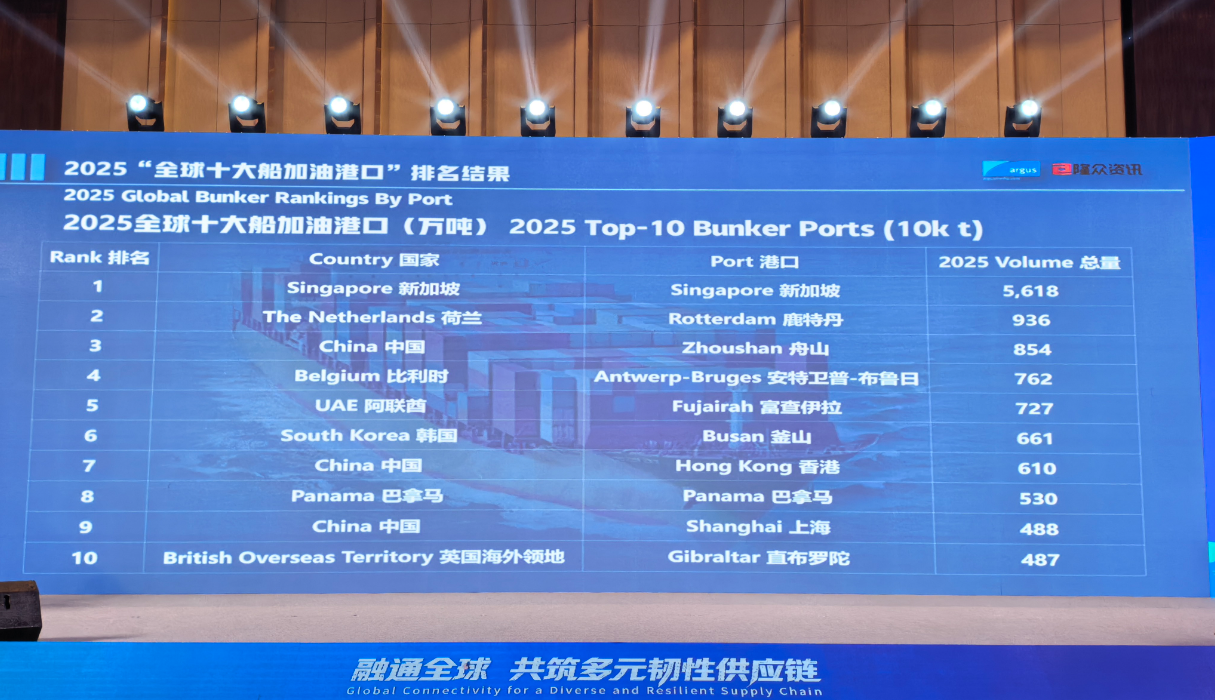
Zhoushan Overtakes Fujairah to Become World's Third-Largest Bunkering Port
 Sustainability
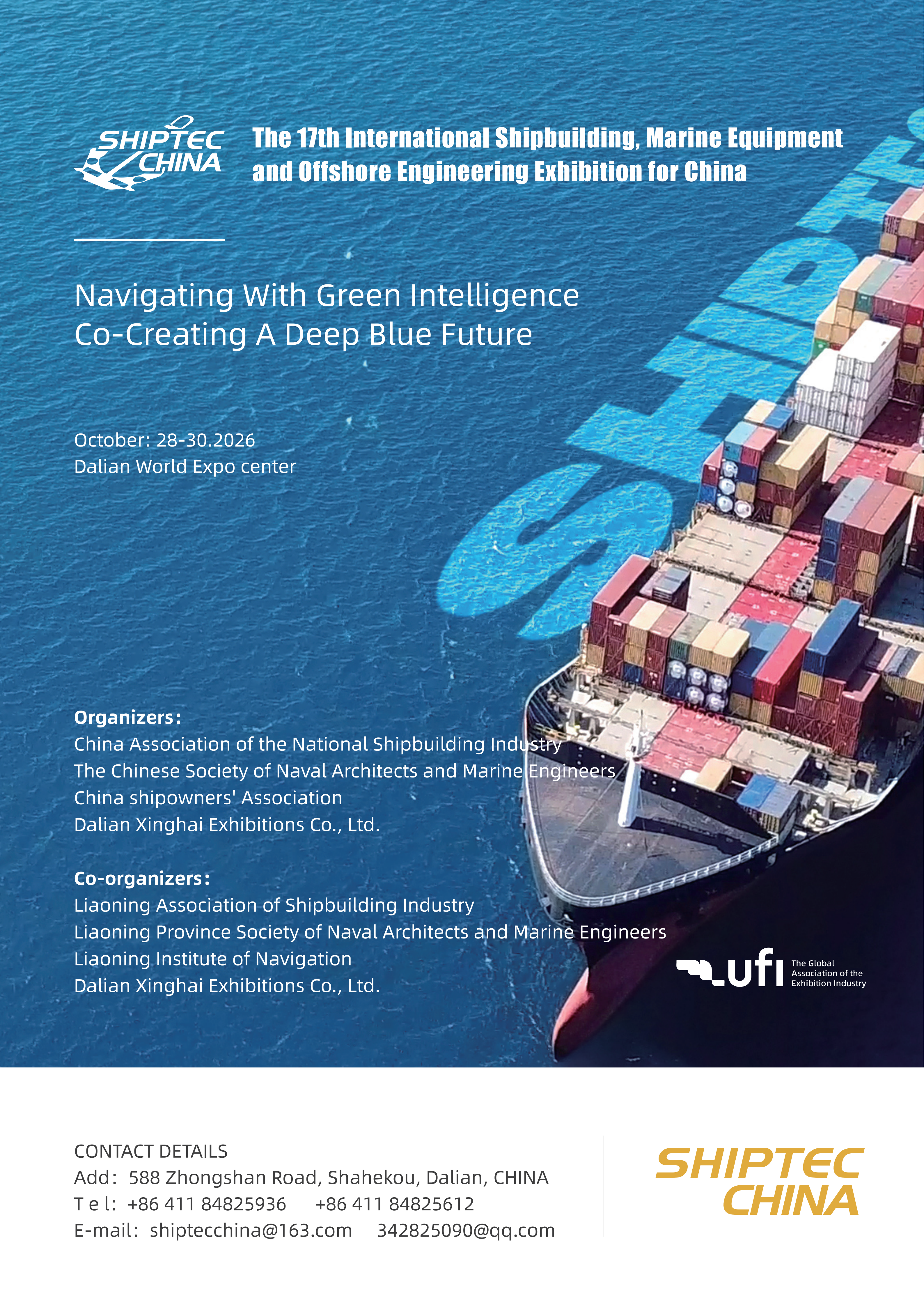
Shiptec China 2026.10.28-10.30 |Invitation of Green Energy for a Smart Future – Forum on New Energy Ship Technology and Ecosystem
 Sustainability
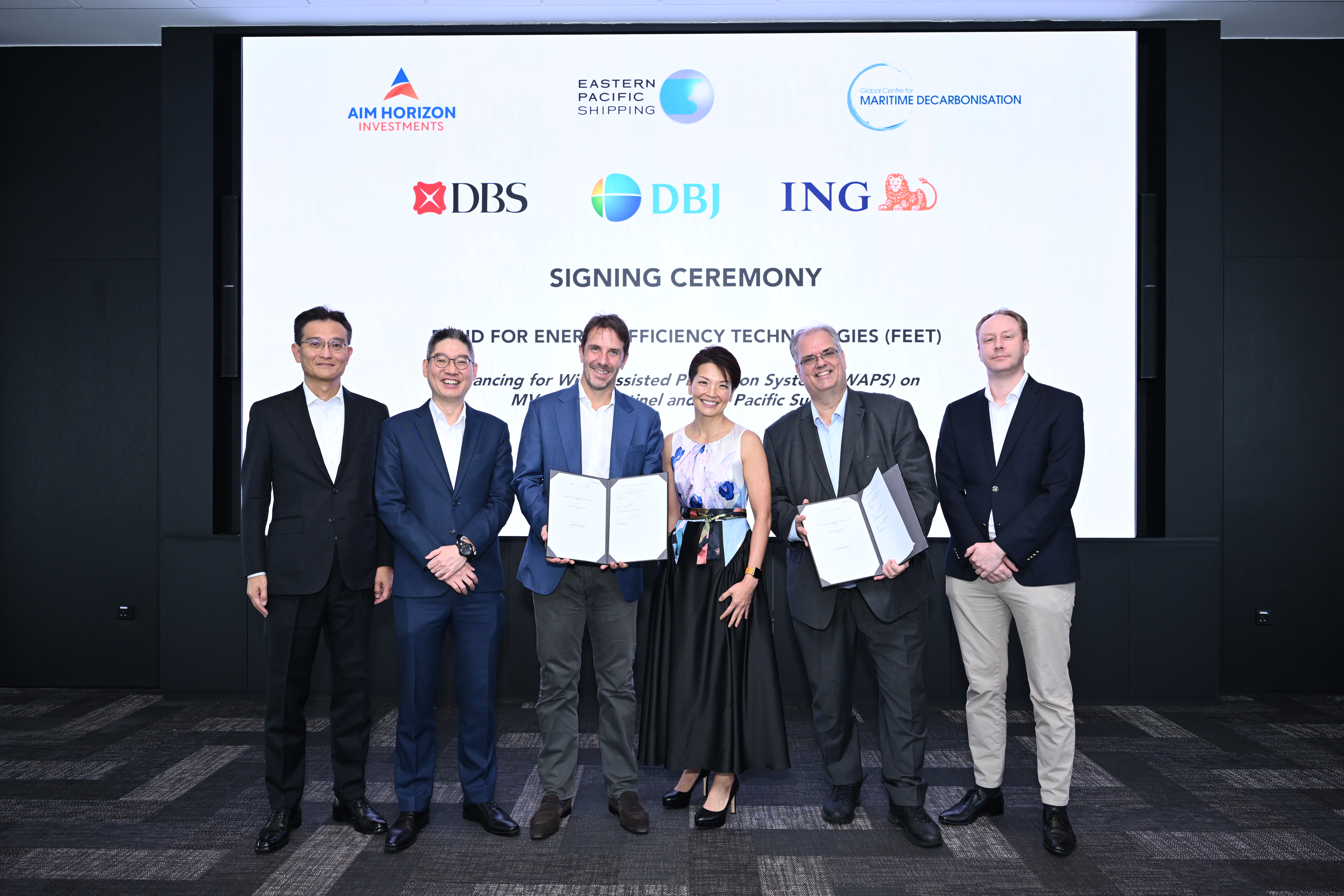
EPS Secures First FEET Financing for Two Wind-Assisted Vessels
 Sustainability
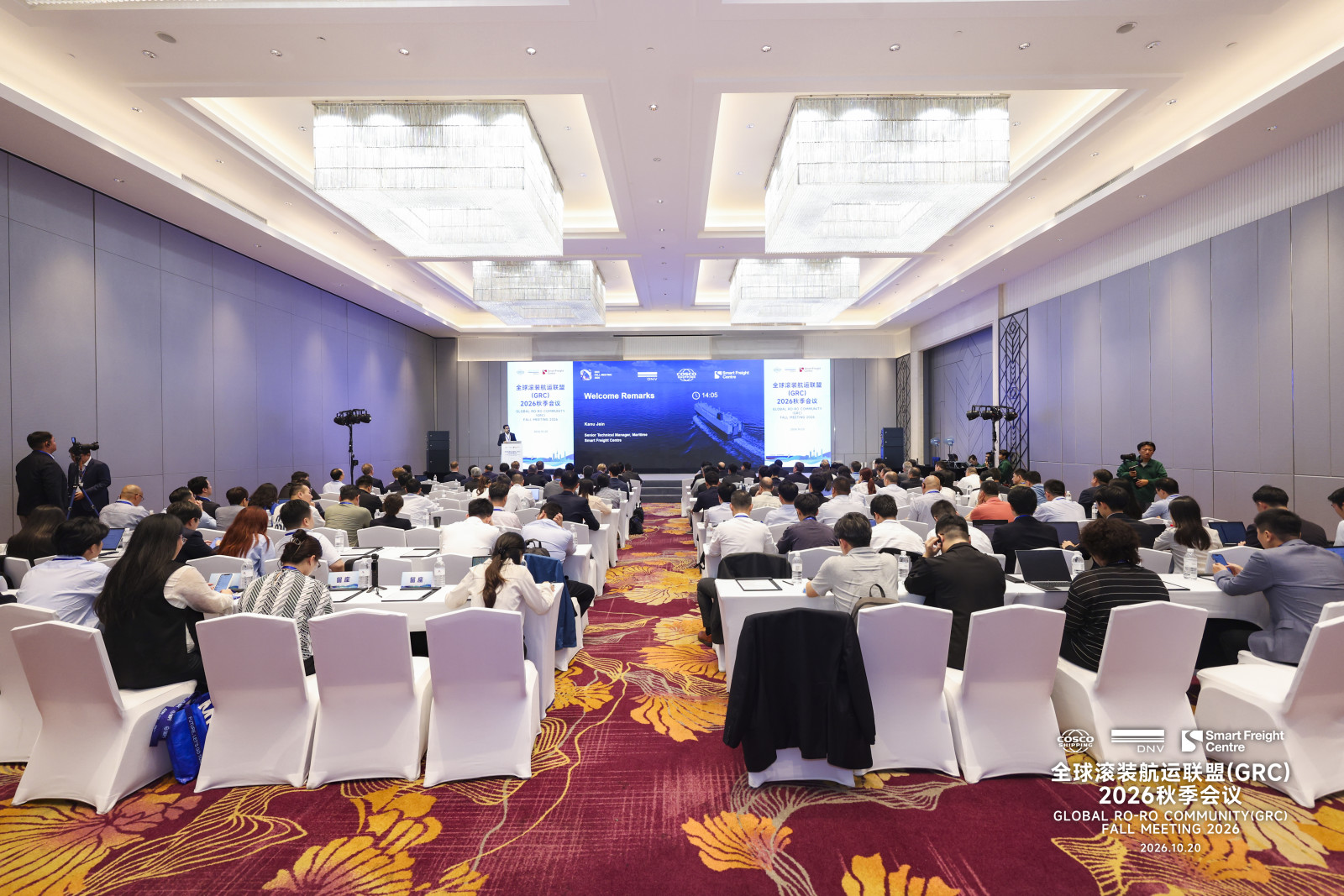
IMO Chief Defends Net Zero Ambition in Shanghai as Shipping Awaits Clearer Rules
 Sustainability
Car Carriers Face Fuel Supply and Emissions Accounting Challenges
 Sustainability
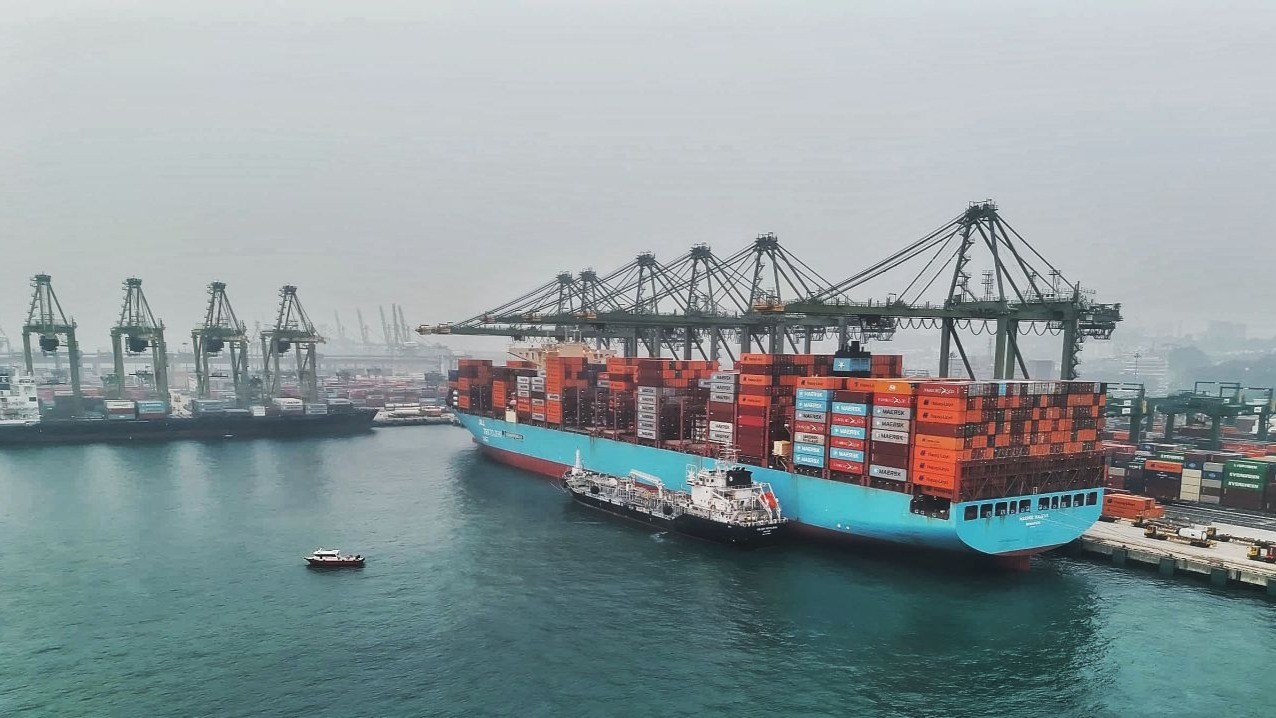
5,000 Tonnes: Maersk Completes World’s Largest Ethanol Bunkering in Singapore
 Sustainability
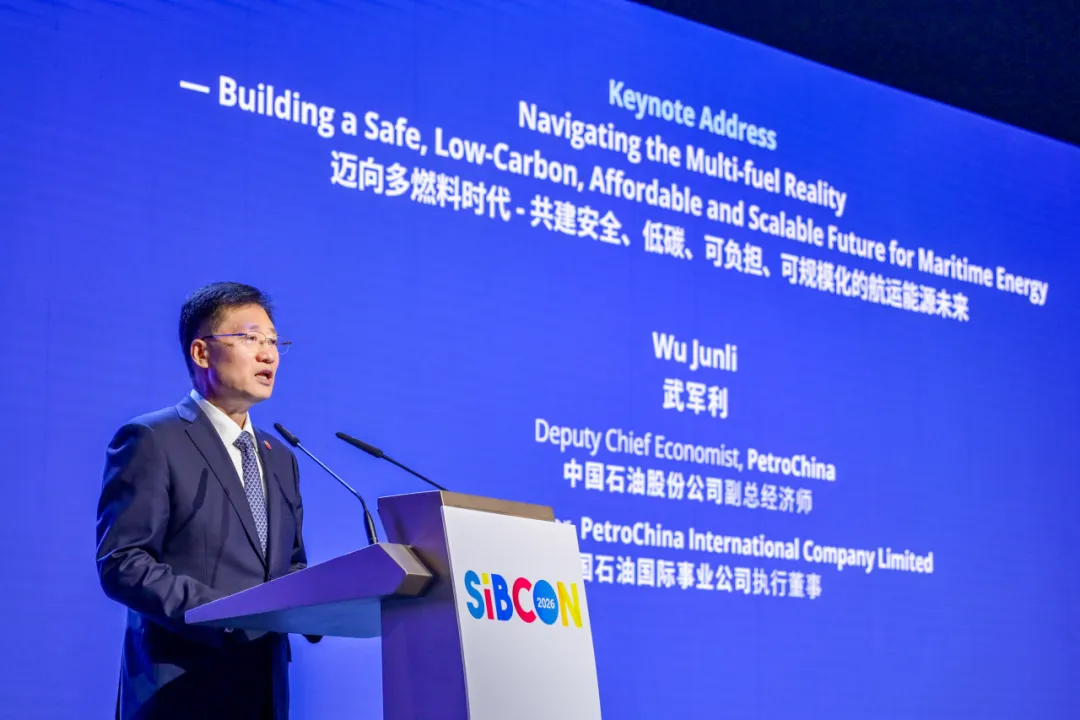
PetroChina Expands Multi-Fuel Bunkering in Singapore
 Sustainability
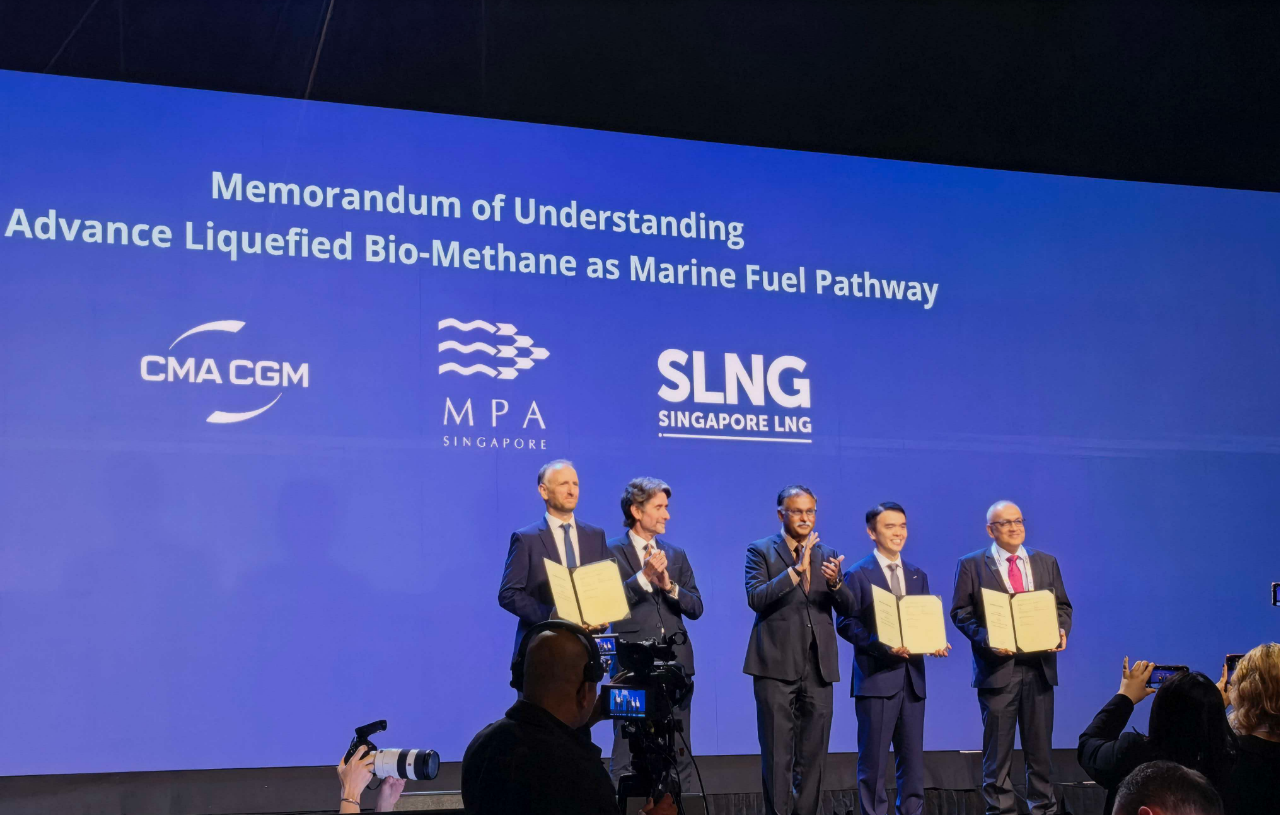
MPA, CMA CGM and SLNG Join Forces on Bio-LNG Bunkering
 Sustainability
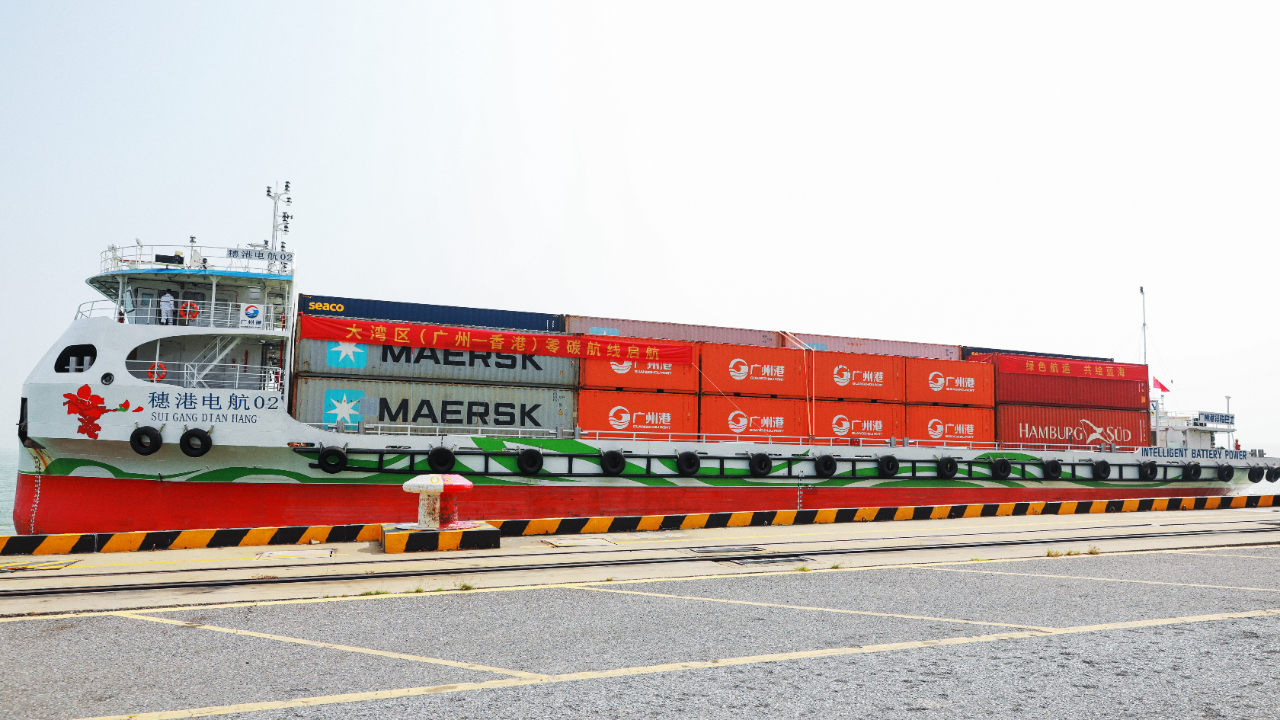
Singapore Offers Up to S$250,000 for Electric Harbour Craft
 Sustainability