


Aged Bulker breaks in Two, Grounds in North of Strait of Hormuz

Published
15:51
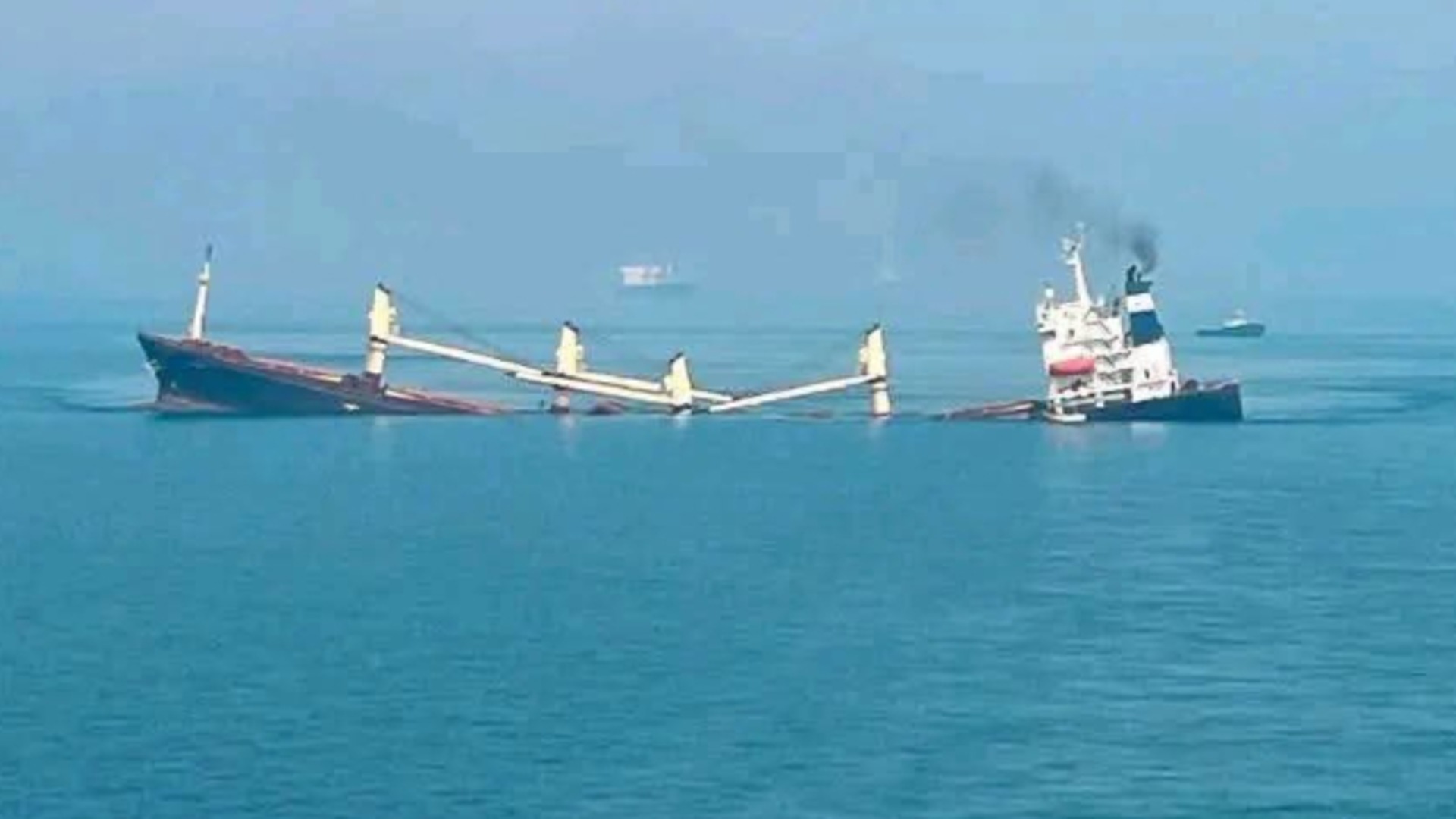
A high-age dry bulk carrier has suffered a catastrophic midship hull fracture, with its central hull section fully submerged and its bow and stern sections tilted steeply above the waterline, before settling on the shallow seabed at an anchorage north of the Strait of Hormuz, according to industry reports.
The affected vessel is the Luni, a handysize bulker delivered in June 1994, now 32 years old. It has a deadweight tonnage of 43,108 DWT, a gross tonnage of 24,549 GT, an overall length of 185.0 metres, a beam of 30.5 metres, and a design draft of 11.2 metres.
Registered under the flag of St. Kitts and Nevis — a flag state listed on the Paris MoU Black List — the Luni is operated by Lora Shipping Ltd. Turkish maritime publication Haber Deniz has disclosed that the vessel’s beneficial owner is a Syrian national.
Damage assessments confirm the vessel’s keel has fractured, showing the classic profile of midship hull failure: the entire midbody is submerged, while both bow and stern are lifted at sharp angles out of the water. The vessel has now grounded on the seabed in the shallow northern anchorage area of the Strait of Hormuz.
No official investigation findings have been released as of press time, and multiple potential causes remain under scrutiny.
Unverified market sources indicate the ship was involved in a collision with another merchant vessel several days prior, sustaining structural damage that progressively worsened and ultimately triggered catastrophic structural failure.
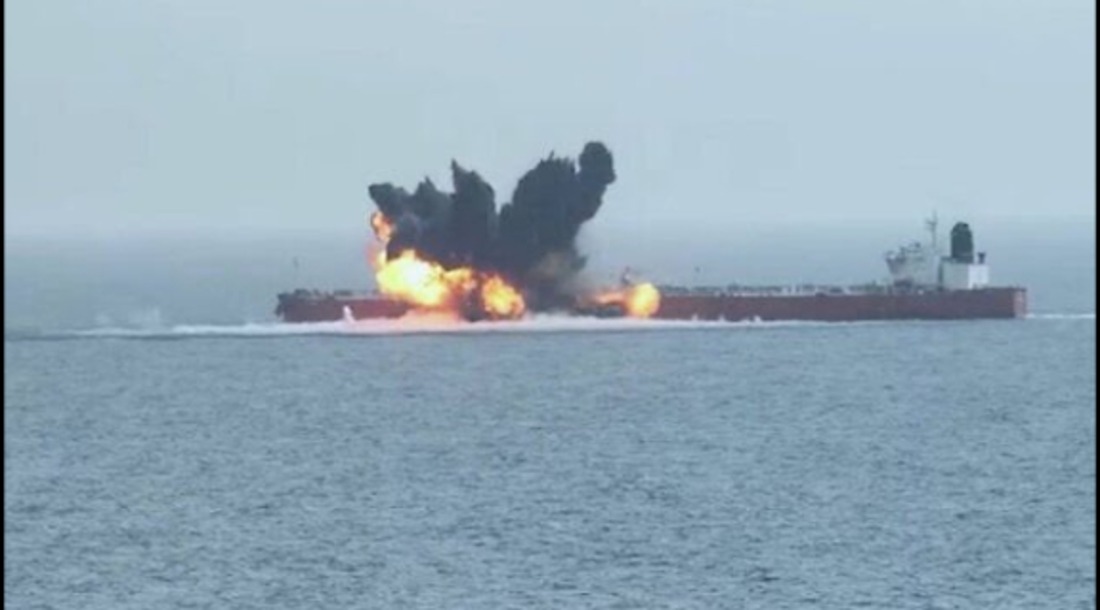
Adding to the uncertainty, the incident occurs in a highly sensitive location amid a recent wave of attacks on merchant shipping in the Strait of Hormuz. On July 13 alone, two UAE-flagged VLCCs were struck by missiles in the area, leaving one person dead and eight injured. The midship fracture pattern seen on the Luni also bears strong resemblance to the damage caused by torpedo strikes or “Quicksink” attacks, where a large explosive charge detonated directly beneath the midship hull generates an upward underwater shockwave that splits the vessel cleanly in two.
Meanwhile, spontaneous hull disintegration due to improper loading or severe structural degradation is considered extremely unlikely, as such events almost never take place while a vessel is at anchor in calm sea conditions.
Port records show the Luni departed Kandla, India on July 8, bound for a destination in the Middle East.


READ MORE
 Safety
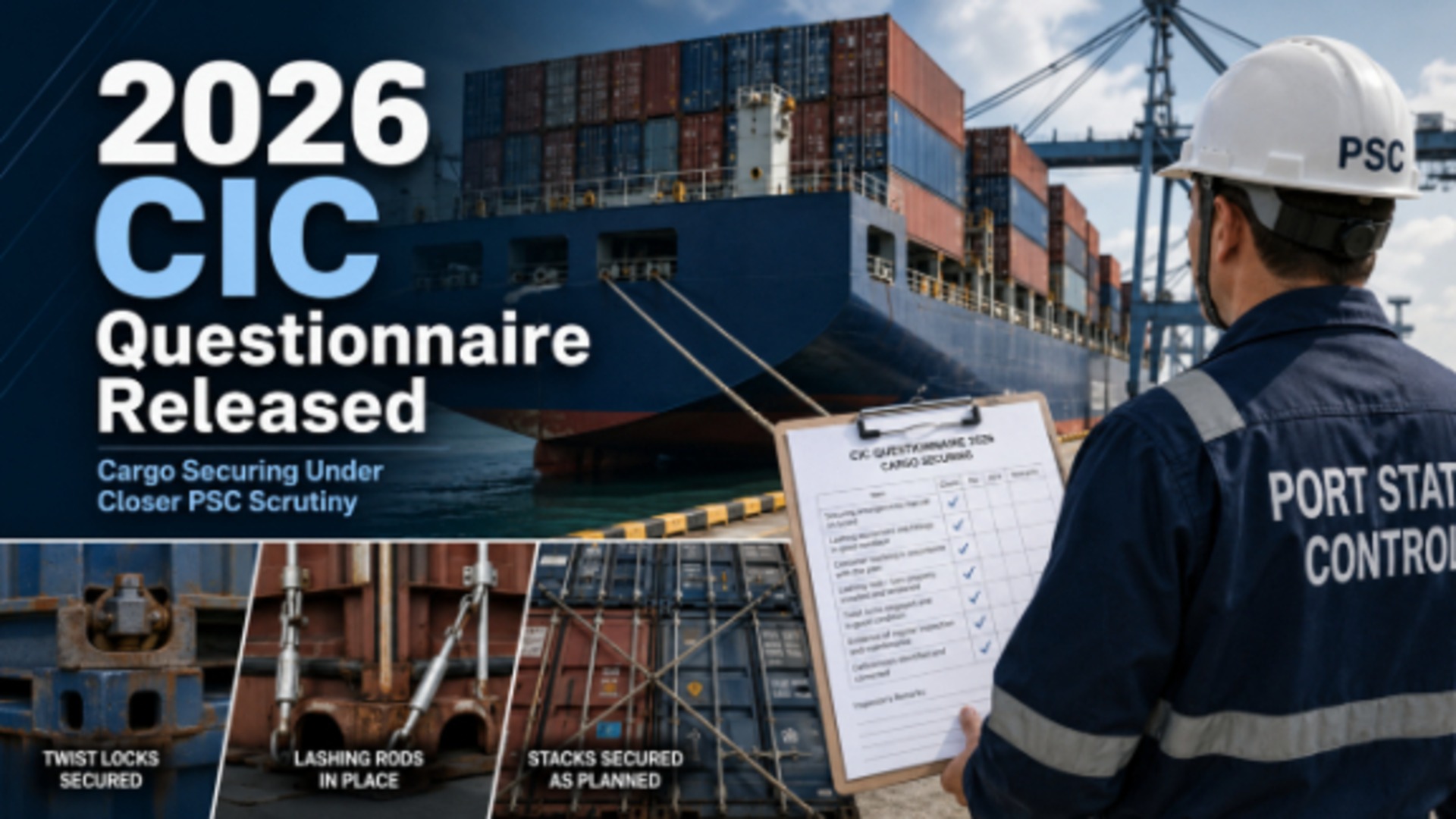
2026 Cargo-Securing CIC: Shipowners and Seafarers Urged to Prepare for Closer PSC Scrutiny
 Safety
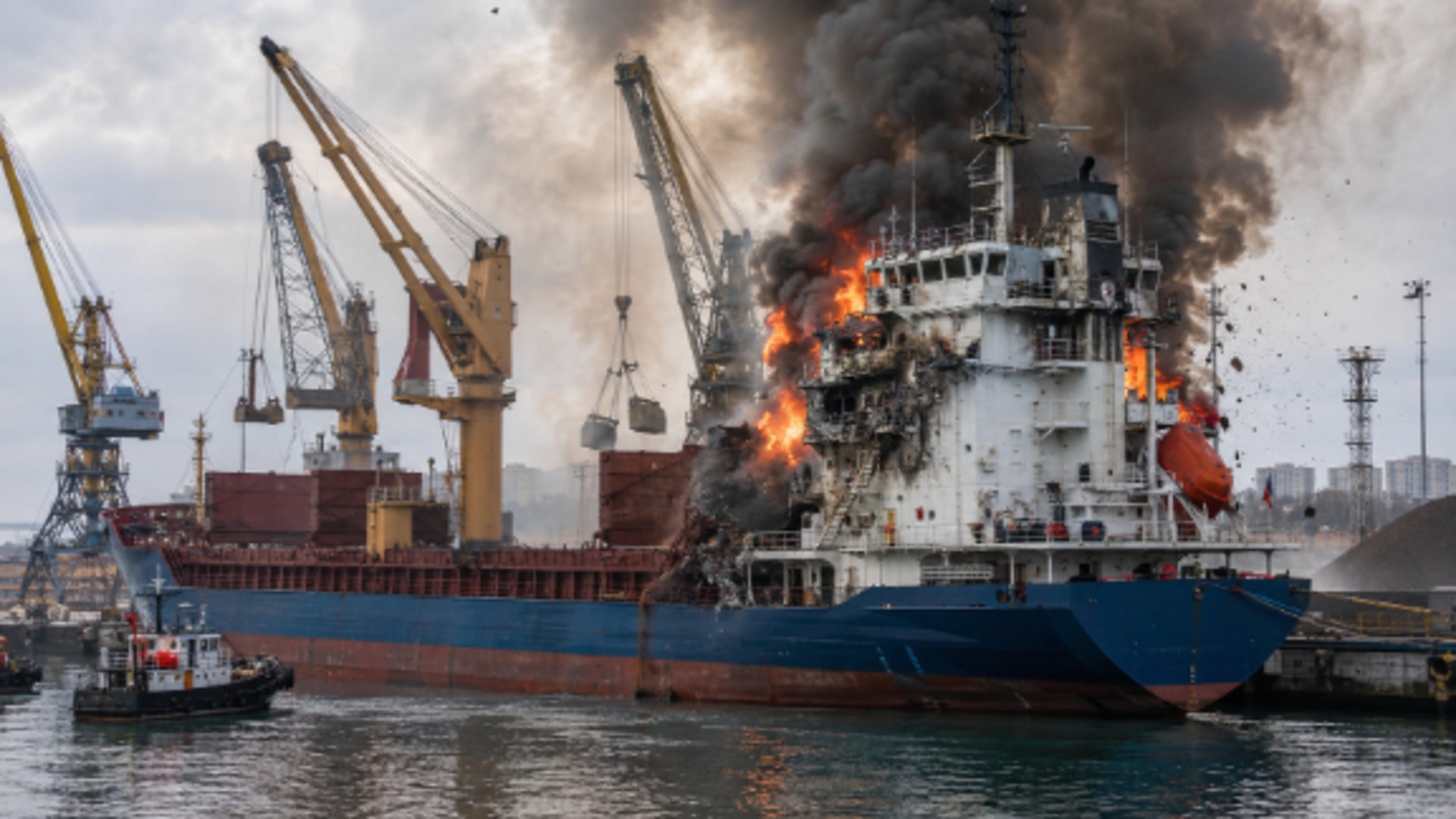
Five Seafarers Killed as Russian Drone Strikes Merchant Ship in Ukraine’s Chornomorsk Port
 Safety
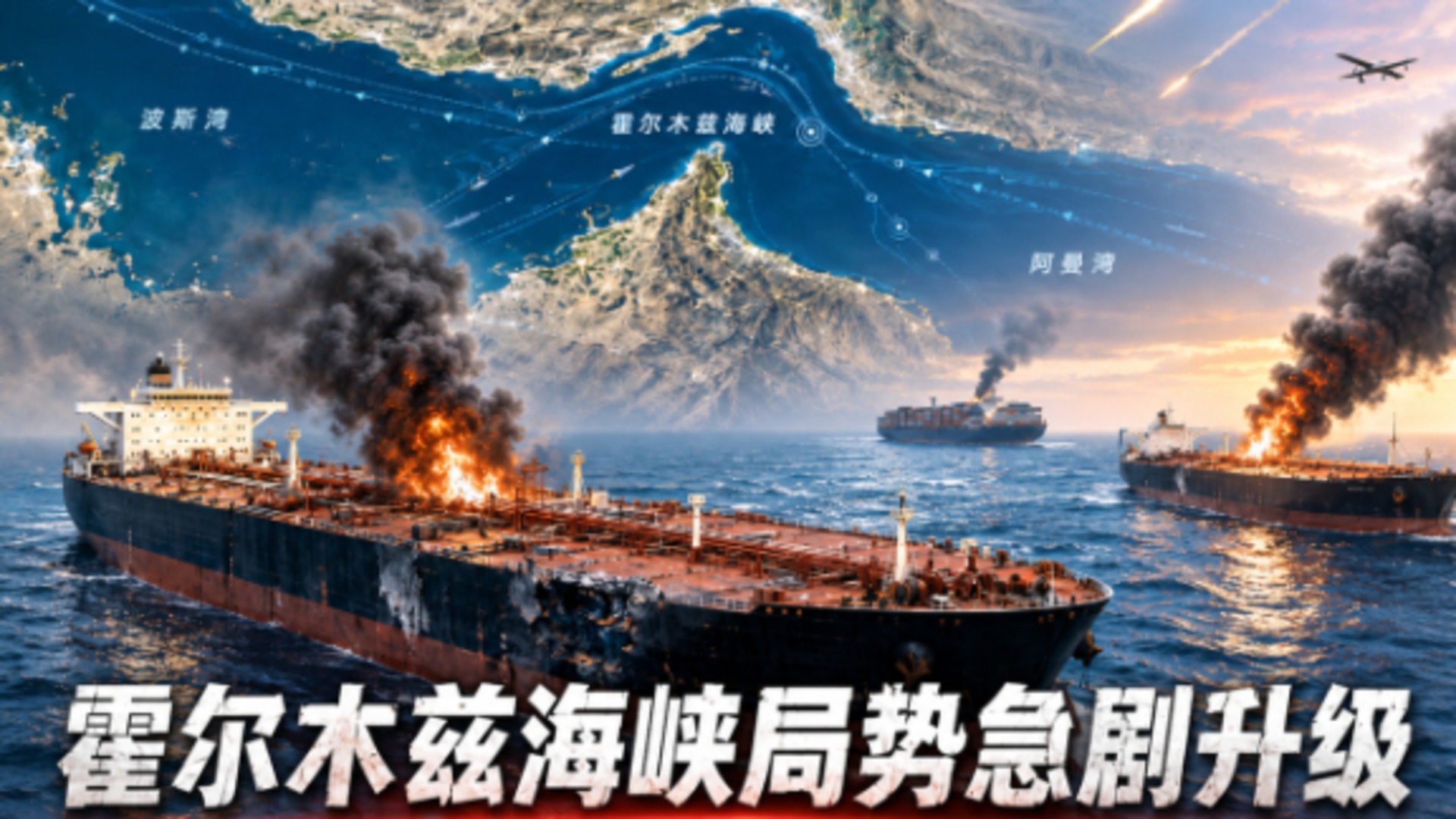
Two VLCCs Hit by Missiles Near Hormuz as Merchant Shipping Attacks Escalate
 Safety
MSC Containership Hydrofluoric Acid Leak Triggers Mass Evacuation at Antwerp; Around 130 Sent to Hospital
 Safety
Hormuz Crisis Escalates: Trump Announces New Measures Targeting Iran, Proposes 20% Charge on Cargo Transiting the Strait
 Safety
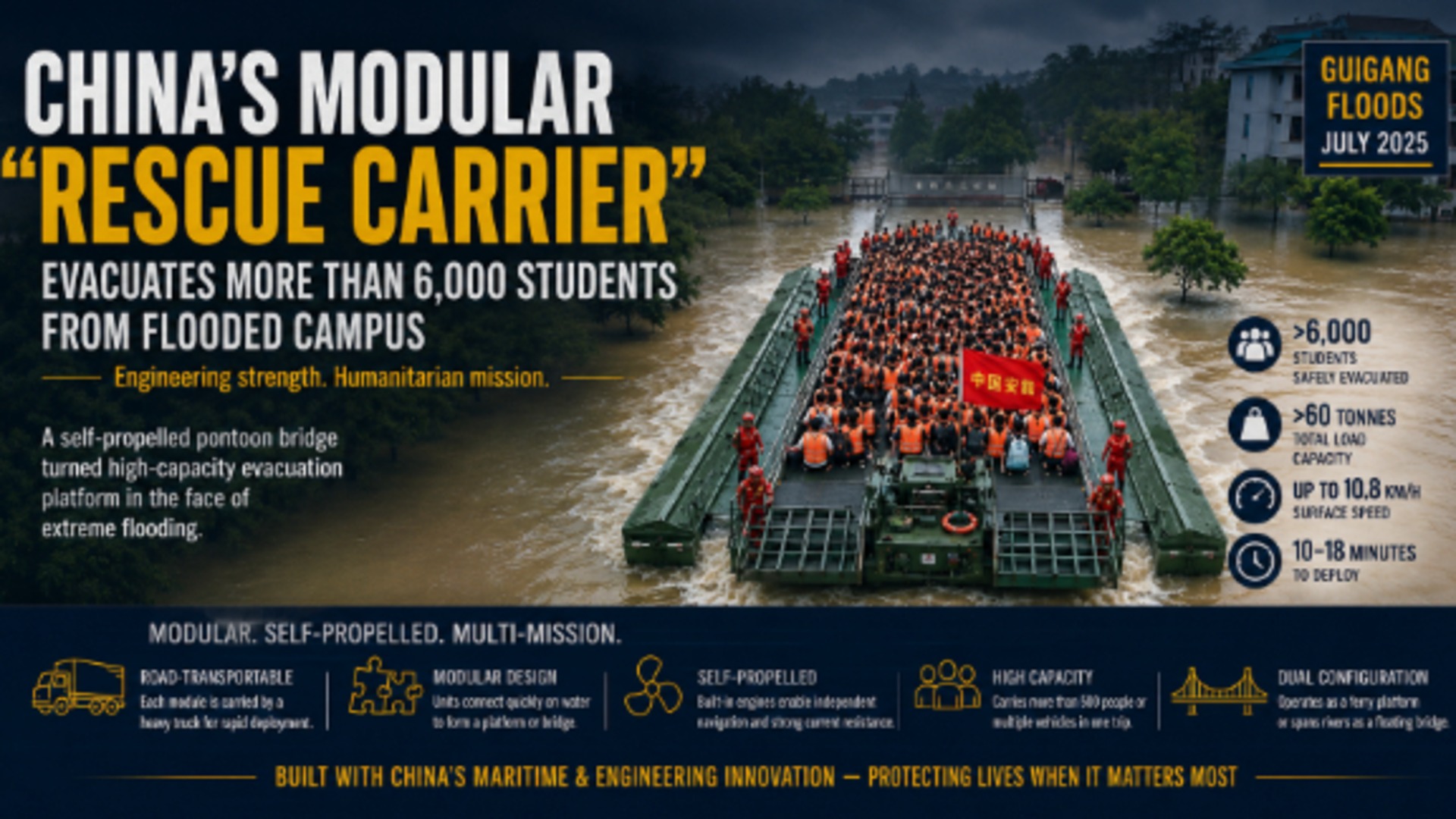
China’s Modular “Rescue Carrier” Evacuates More Than 6,000 Students from Flooded Campus
 Safety
Super Typhoon Bavi Puts China’s Coastal Shipping and Major Ports on Alert
 Safety
U.S. Reimposes Iran Oil Sanctions and Launches Strikes After Attacks on Commercial Shipping
 Safety
US Strikes Southern Iran in Response to Attacks on Commercial Shipping
 Safety