

U.S. Lawmakers Reintroduce $10 Billion Clean Shipping Bill
It's already the fourth version
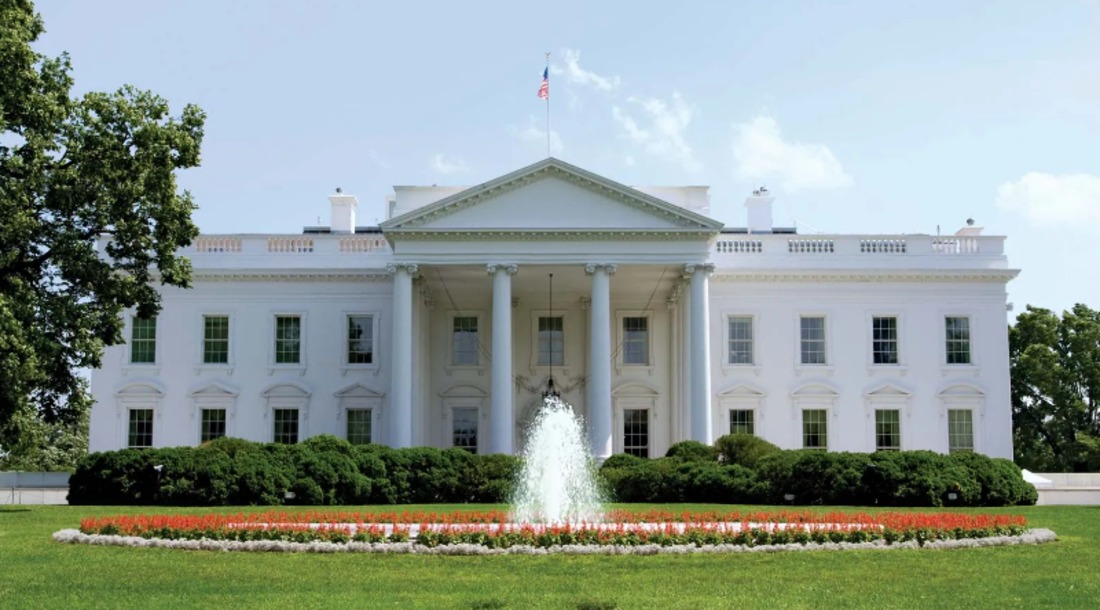

On June 26 local time, U.S. Senator Chris Van Hollen, together with Representatives Nanette Barragán and Troy A. Carter, Sr., announced the reintroduction of the Next Generation Shipping Act. The bill proposes the establishment of a “Next Generation Shipping Innovation Program” under the U.S. Department of Transportation’s Maritime Administration (MARAD), providing long-term funding support for projects including zero-emission vessels, vessels powered by clean alternative fuels, shore power, charging facilities and bunkering infrastructure.
According to the latest publicly available bill text, the program would authorize $1 billion annually from fiscal year 2027 through fiscal year 2036, totaling $10 billion over ten years. Funding tools would include grants, low-interest loans and loan guarantees. Eligible support would cover the research, development, design, demonstration and deployment of zero-emission vessels, as well as the retrofitting or replacement of existing vessels, shore power systems, fuel bunkering and storage infrastructure.
The bill also defines “clean alternative fuel” as a fuel or energy source that achieves at least a 90% reduction in greenhouse gas emissions compared with conventional marine fossil fuels on a full lifecycle “well-to-wake” basis, while also demonstrating safety for workers, communities and the marine environment. Eligible projects would also include vessel energy-efficiency technologies, such as wind-assisted propulsion, systems to reduce underwater noise, and anti-fouling technologies with environmental co-benefits.
In terms of support, the bill has received backing from a number of environmental groups, port community organizations and maritime technology companies. Public materials show that supporters include environmental and community organizations such as Ocean Conservancy, Pacific Environment and Sierra Club, as well as industry groups and companies including ABB, Elliott Bay Design Group, EV Maritime, the International Electric Marine Association, Siemens Energy and the Zero Emissions Ship Technology Association.
Van Hollen said maritime commerce plays an important economic role in Maryland, with the Port of Baltimore alone supporting more than 273,000 jobs. He said the bill aims to strengthen U.S. competitiveness in the global shipping industry by modernizing the country’s maritime economy and building the maritime workforce of the future. Barragán emphasized that communities near the Ports of Los Angeles and Long Beach have long borne the burden of pollution from ports and vessels, and that investment in clean shipping technologies should serve the economy, employment and public health at the same time.
This is not the first time U.S. lawmakers have pushed for clean shipping legislation.
As early as 2022, Representative Nanette Barragán, whose district includes the Port of Los Angeles area, and then-Representative Alan Lowenthal, who represented the Long Beach port area, introduced the Clean Shipping Act of 2022. The bill was positioned as emissions-reduction legislation targeting all ocean-going shipping companies doing business with the United States. Its core proposal was to authorize the U.S. Environmental Protection Agency (EPA) to set carbon intensity standards for marine fuels and require covered vessels to gradually reduce lifecycle greenhouse gas emissions.
The 2022 version proposed a relatively aggressive pathway. Using a 2024 emissions baseline, the lifecycle carbon dioxide equivalent emissions of covered marine fuels would need to be reduced by 20% in 2027, 45% in 2030, 80% in 2035 and 100% in 2040. The bill also required the elimination of greenhouse gas and air pollutant emissions from vessels while at berth or at anchor in U.S. ports by 2030.
In 2023, U.S. Senators Alex Padilla and Sheldon Whitehouse again advanced clean shipping-related legislation on World Oceans Day, with the Clean Shipping Act of 2023 led in the House by Representative Robert Garcia. That version continued the regulatory approach of controlling the carbon intensity of fuels used by vessels entering U.S. ports. It still required the EPA to establish progressively stricter carbon intensity standards for marine fuels and proposed a pathway to achieve a 100% reduction in greenhouse gas emissions by 2040.
In 2025, Robert Garcia and Alex Padilla again introduced the Clean Shipping Act. Public materials show that the 2025 version focused on large vessels entering U.S. ports, proposed eliminating all greenhouse gas pollution by 2050, and required vessels to achieve zero emissions while at berth in port by 2035. Barragán served as a co-lead on that version.

READ MORE
 Sustainability
A Seafarer’s “Good Night” No Longer Has to Wait Until the Next Port Call: Even on an Ocean-Going Ship, They Can Say Good Night to Their Family
 Sustainability
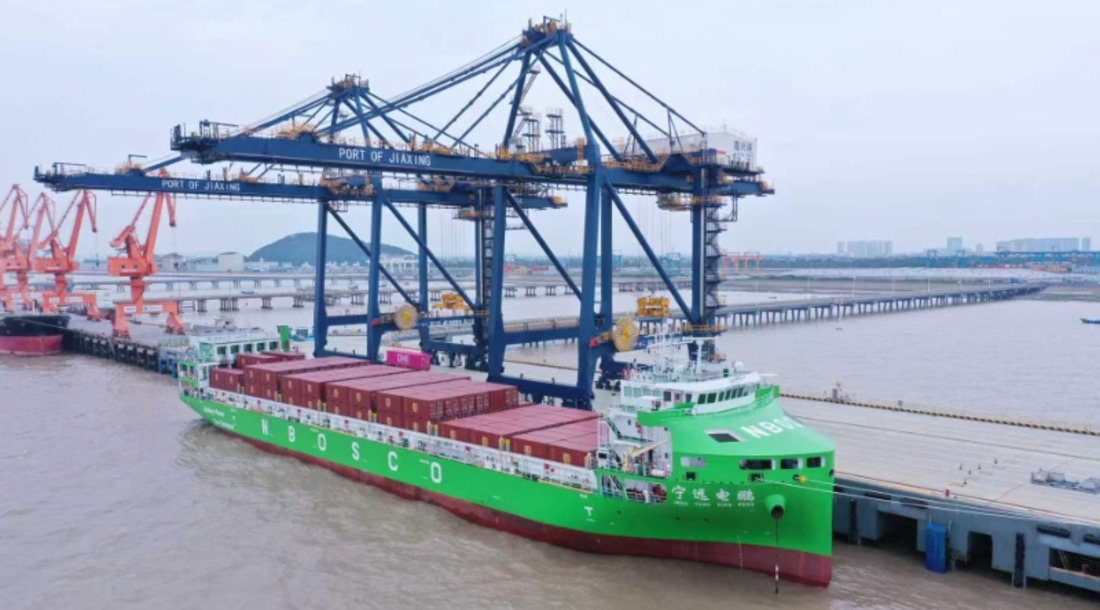
Second 740-TEU Class World’s Largest Electric Container Ship Enters Service
 Sustainability
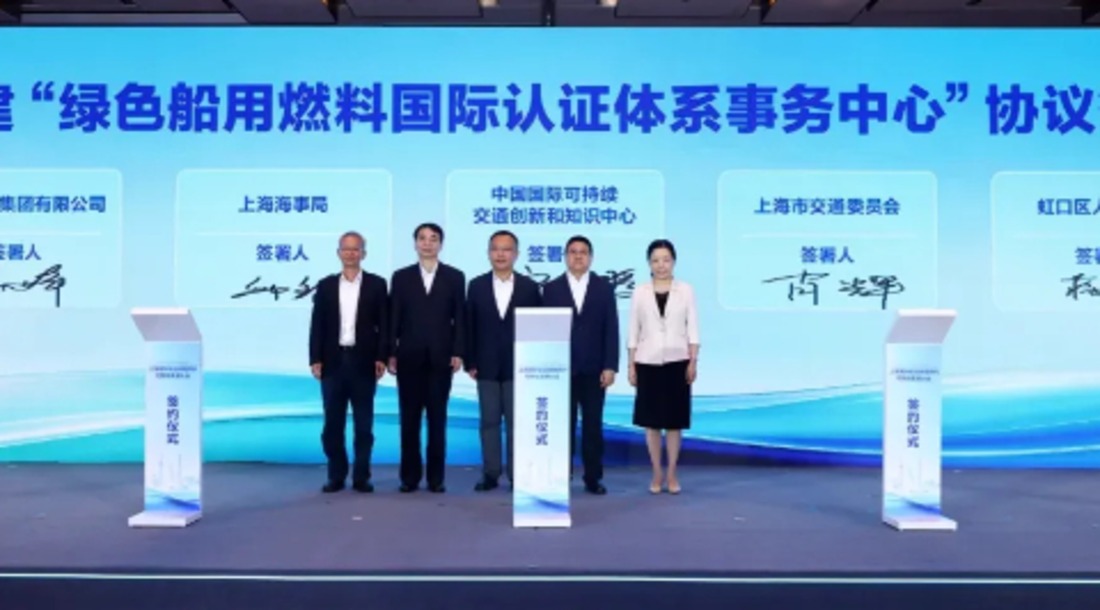
China Launches GSTC Green Marine Fuel Certification System in Shanghai
 Sustainability
EU Publishes 2025 Shipping Emissions Data
 Sustainability
Green Marine Fuel Certification Center Lands in Shanghai
 Sustainability
Shipowner Builds Its Own “Sail” and Finally Installs It on the First Vessel
 Sustainability
13 Dry Bulk Shipping Companies Sign Green Shipping Cooperation Initiative in Hong Kong
 Sustainability
Seacon Shipping shifts focus from expansion to value creation as strategy resets
 Sustainability
China-Built Bulkers Put Fortescue’s Ammonia Shipping Plan on the Water
 Sustainability