

Second 740-TEU Class World’s Largest Electric Container Ship Enters Service
world’s largest 740-TEU fully electric boxship has entered service
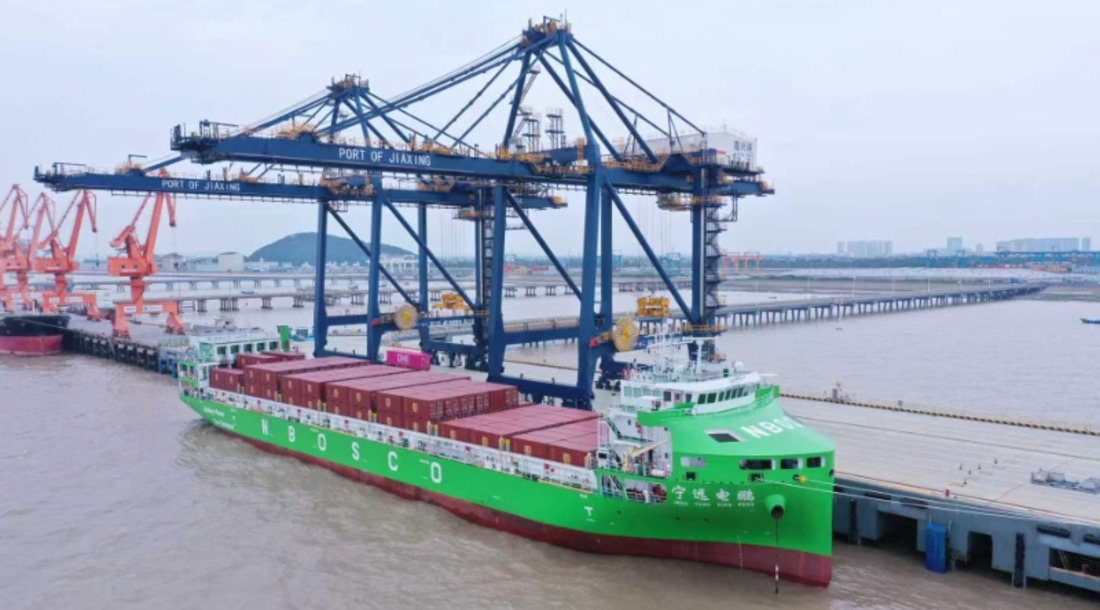

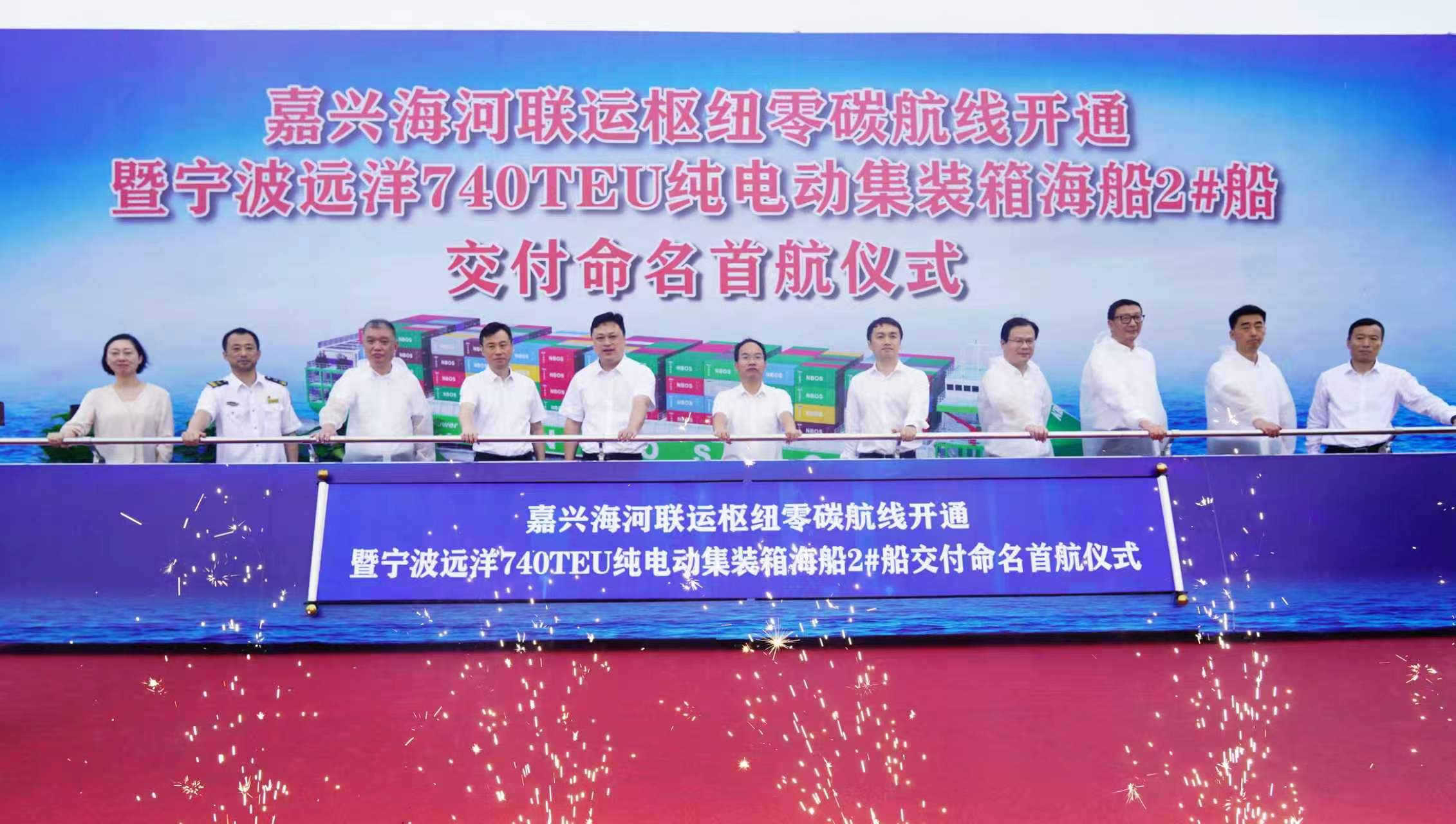
On June 30, the fully electric container ship Ningyuan Dianpeng departed from Dushan Port Area of Jiaxing Port, fully loaded with containers and bound for Jintang Port Area of Ningbo-Zhoushan Port. The voyage marked the official opening of China’s first zero-carbon sea-river intermodal shipping route.
More importantly, Ningyuan Dianpeng, the vessel deployed for the inaugural voyage, is the sister ship of Ningyuan Diankun and the second 740-TEU class fully electric intelligent container ship invested in and built by Ningbo Ocean Shipping.
With the new vessel entering service, the world’s largest and China’s first batch of 10,000-tonne-class fully electric intelligent container ships have now formed a two-vessel operating model. This also marks a further step toward scaled application of electric propulsion in China’s coastal feeder container shipping sector.
According to available information, Ningyuan Dianpeng has an overall length of 127.8 metres and a beam of 21.6 metres, with a carrying capacity of 742 TEU. The vessel is powered by 10 standardized containerized battery units, with a total battery capacity of about 20,000 kWh.
As a fully electric intelligent container ship, the vessel can achieve zero fuel consumption and zero exhaust emissions during operation. It is mainly designed for short-sea container transportation between regional ports in Zhejiang.
Its sister ship, Ningyuan Diankun, was deployed on the Ningbo-Jiaxing route in mid-April. During its first month of operation, the vessel saved 67 tonnes of fuel and reduced carbon dioxide emissions by around 168 tonnes. On an annualized basis, it is expected to save about 800 tonnes of fuel and cut more than 2,000 tonnes of CO₂ emissions.
With Ningyuan Dianpeng now joining the fleet, Ningbo Ocean Shipping has further expanded its presence in fully electric intelligent coastal vessels. The two-vessel operation also provides a practical reference for the commercial deployment of electric container ships on fixed routes with stable cargo volumes and supporting port infrastructure.
The significance of this inaugural voyage goes beyond the deployment of a single electric vessel. Ningyuan Dianpeng has been incorporated into a full-chain zero-carbon logistics corridor covering electric road transport, electric inland shipping and electric coastal shipping.
The zero-carbon sea-river intermodal route is led by Zhejiang Seaport Group and Ningbo-Zhoushan Port Group. Its core model is based on a fully electric transport chain combining electric container trucks, electric inland vessels and electric coastal container ships.
The first batch of cargo on the route consists of automotive knocked-down parts from Geely’s Changxing base. The cargo is first transported by electric container trucks from the Changxing plant to Changxing Port Area of Huzhou Port. It is then loaded onto six 64-TEU fully electric inland vessels, including Zhegang Neihe 060, and transported via inland waterways including the Changhu-Shen Line, Hujia-Shen Line, Dongzong Line and Hangping-Shen Line to Jiaxing Port. From there, the cargo is transferred to Ningyuan Dianpeng for the final leg to Ningbo-Zhoushan Port.
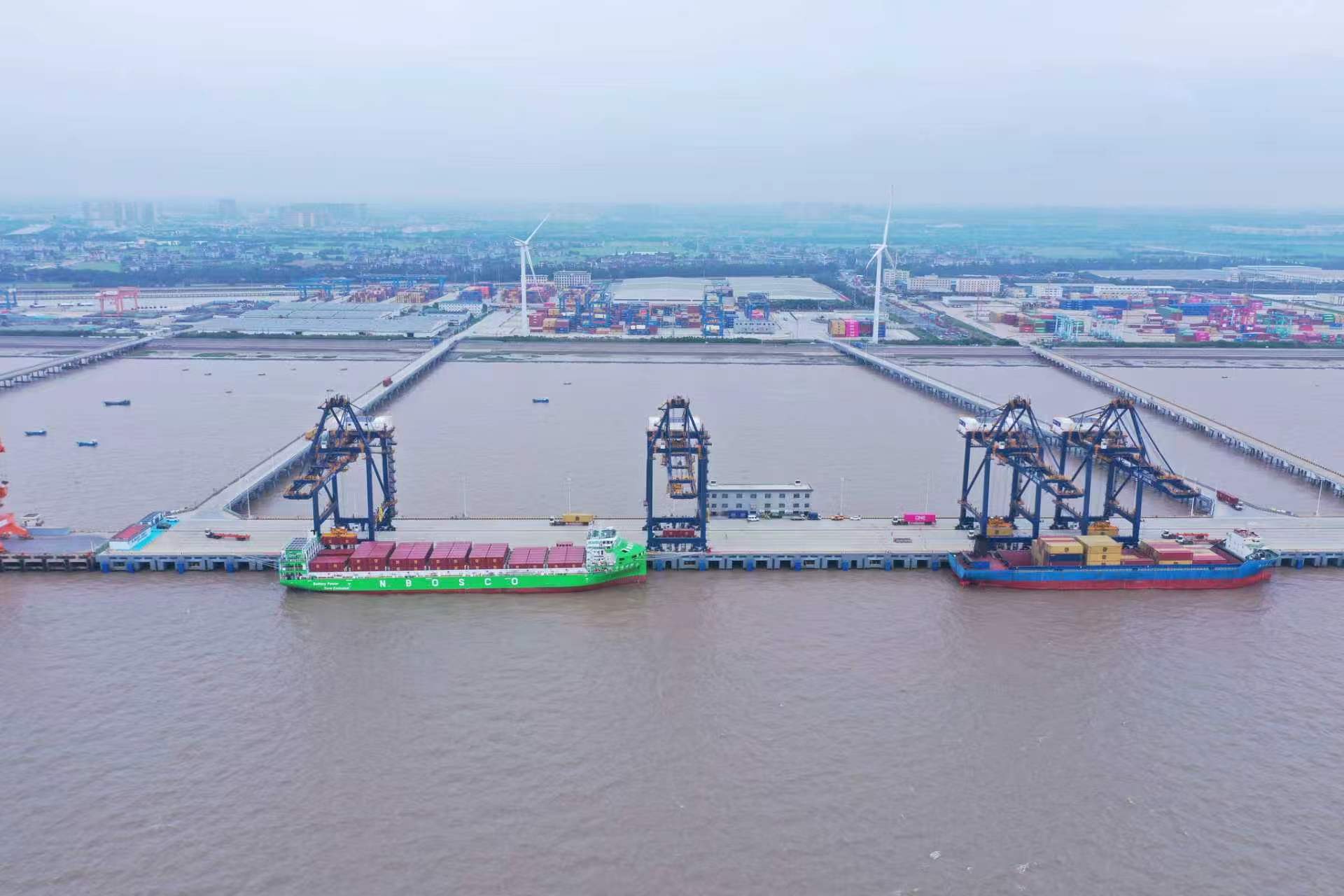
This enables the entire transport chain — from factory to port, from inland waterway to coastal shipping — to operate with zero fuel consumption and zero exhaust emissions.
According to estimates, the route is expected to reduce CO₂ emissions by nearly 4,800 tonnes per year and save more than RMB 7.4 million in logistics costs annually. This shows that green transport is not only a decarbonization measure, but also an increasingly economically viable logistics model.
From an industry perspective, the entry into service of Ningyuan Dianpeng is more than the addition of a new vessel. It shows that fully electric container ships are moving from single-vessel demonstration to two-vessel coordination, and from technology verification to regular route-based operation.
For inland waterways, coastal feeder services and port shuttle routes, the operating conditions are relatively suitable for electrification. Routes are comparatively fixed, port calls are frequent, and energy supply infrastructure can be more easily matched with vessel operations.
The deployment of Ningyuan Dianpeng on this zero-carbon sea-river intermodal route further demonstrates the feasibility of coordinated operation between electric coastal vessels, electric inland vessels and electric container trucks.
With two 740-TEU class fully electric intelligent container ships now in operation, Zhejiang’s port and shipping system is extending its green transition from vessel electrification to full-chain logistics decarbonization.
This also provides a practical reference for more coastal and inland port regions to explore electric and zero-carbon transport models in the future.

READ MORE
 Sustainability
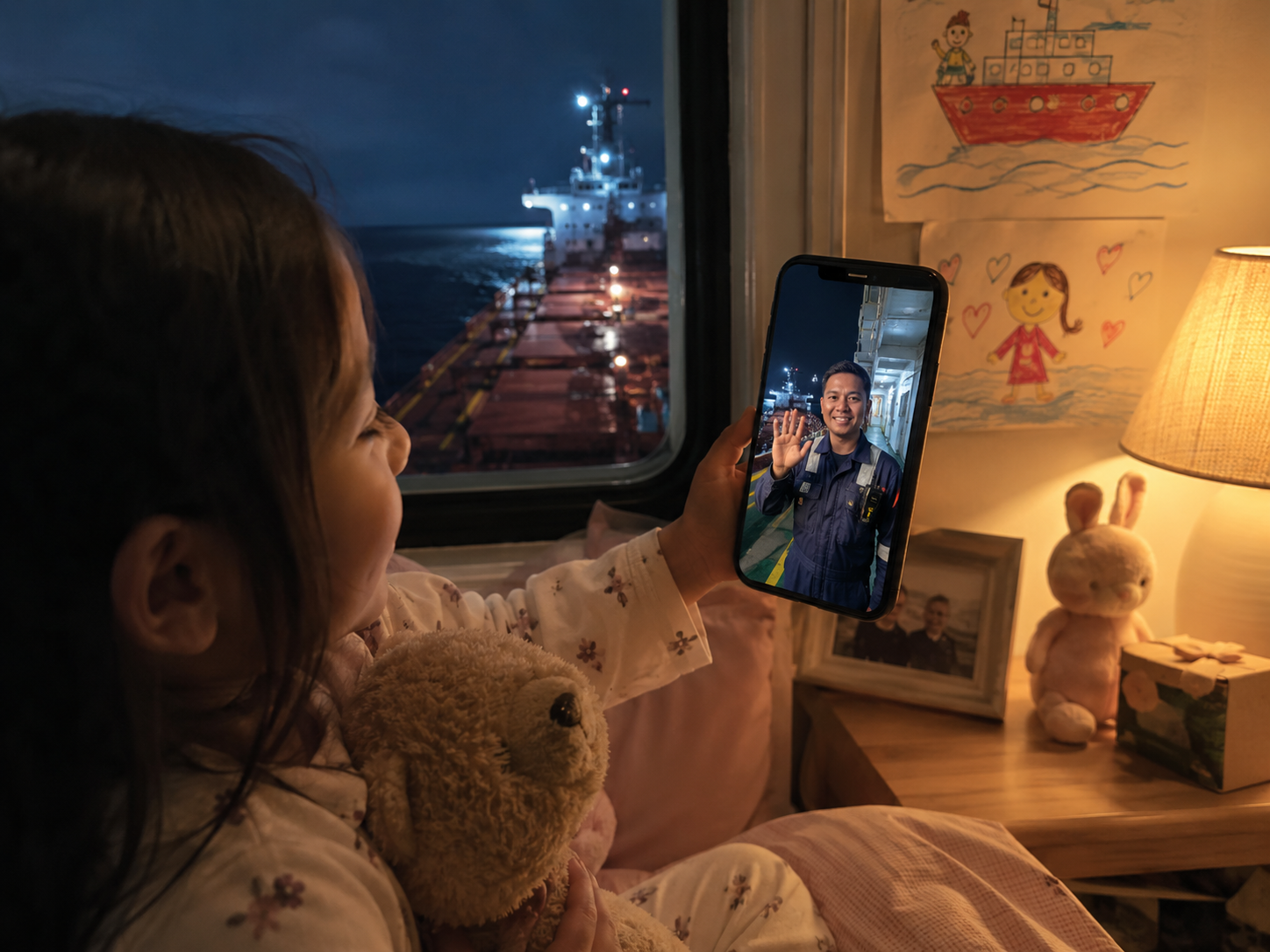
A Seafarer’s “Good Night” No Longer Has to Wait Until the Next Port Call: Even on an Ocean-Going Ship, They Can Say Good Night to Their Family
 Sustainability
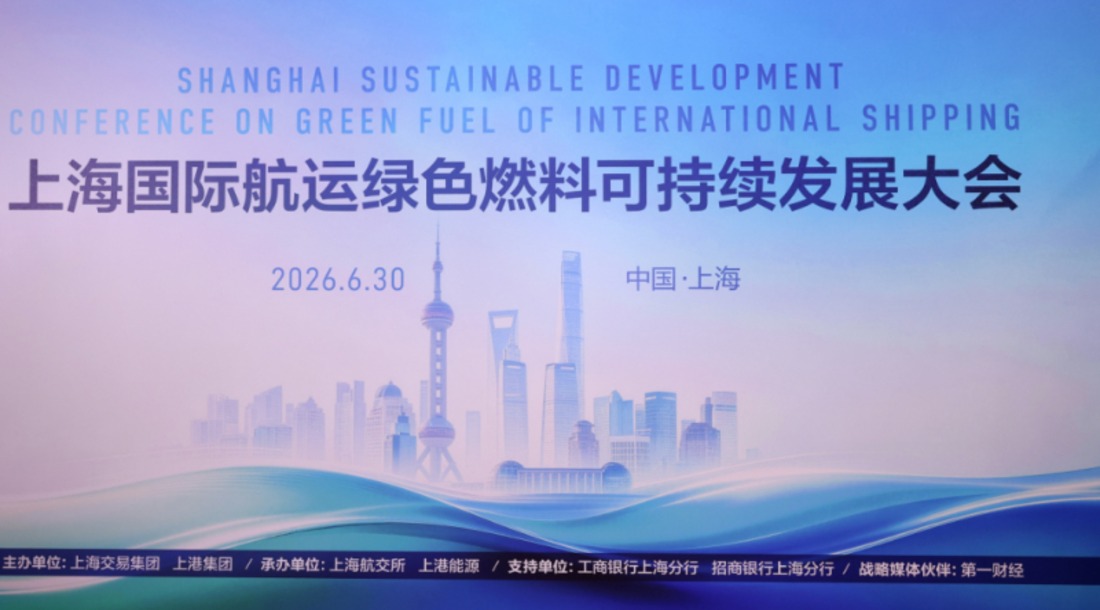
China Launches GSTC Green Marine Fuel Certification System in Shanghai
 Sustainability
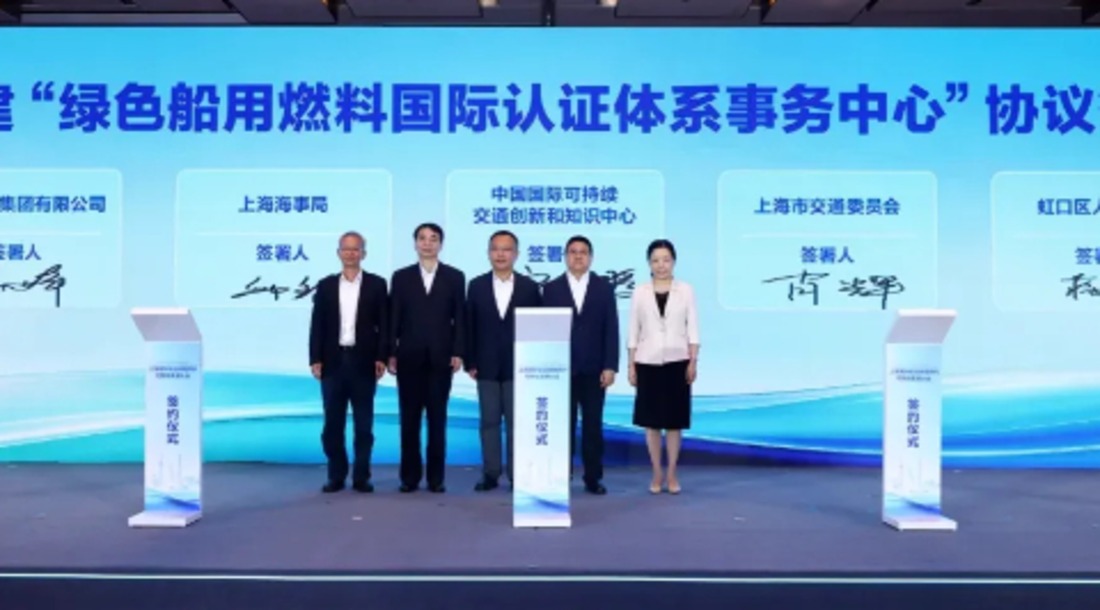
Green Marine Fuel Certification Center Lands in Shanghai
 Sustainability
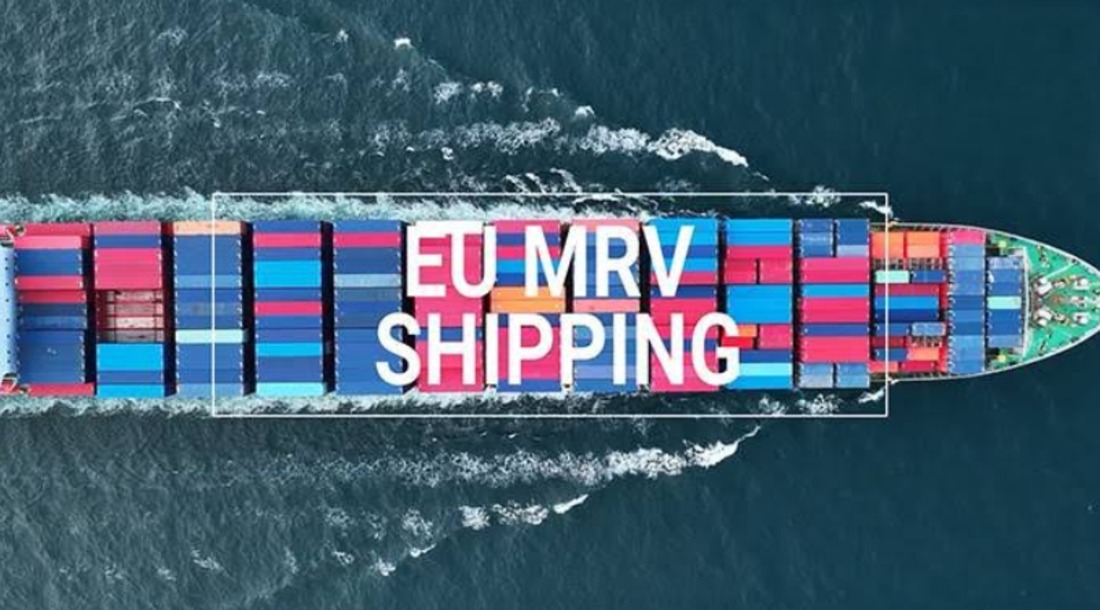
EU Publishes 2025 Shipping Emissions Data
 Sustainability
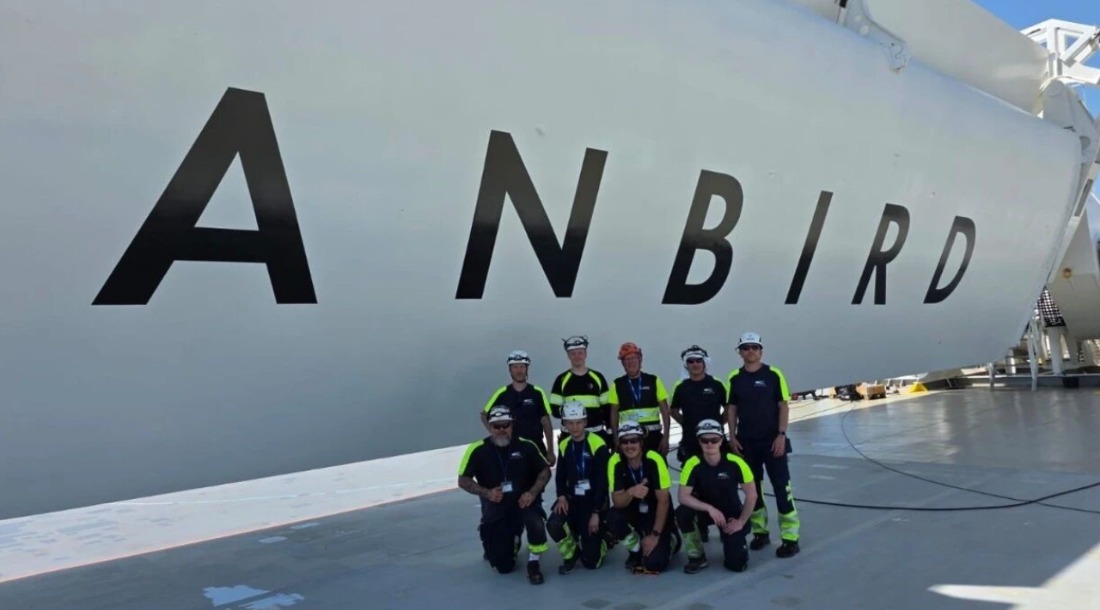
Shipowner Builds Its Own “Sail” and Finally Installs It on the First Vessel
 Sustainability
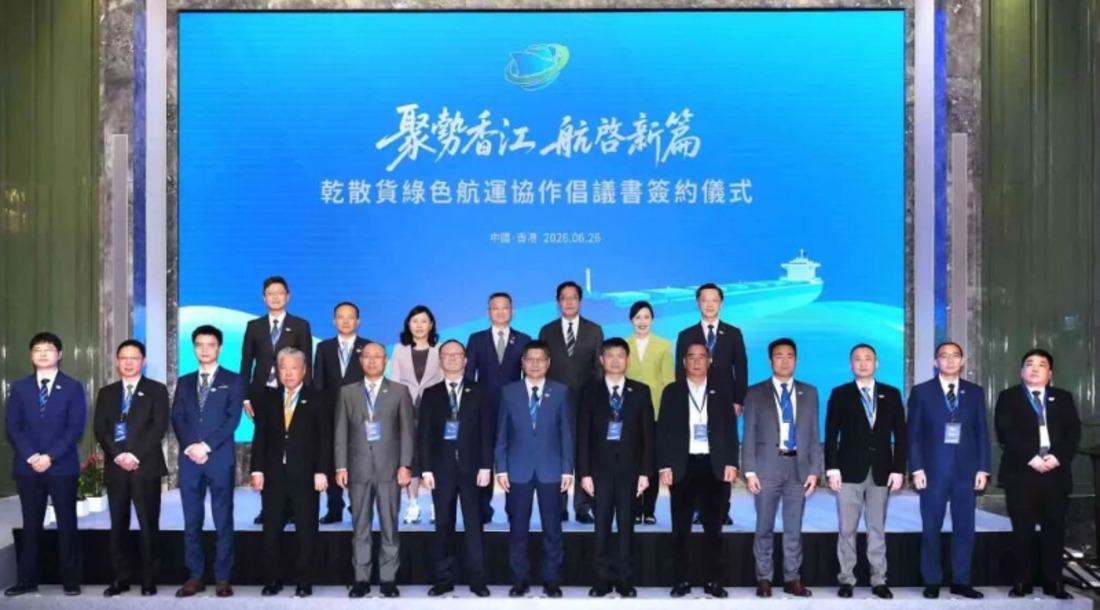
13 Dry Bulk Shipping Companies Sign Green Shipping Cooperation Initiative in Hong Kong
 Sustainability
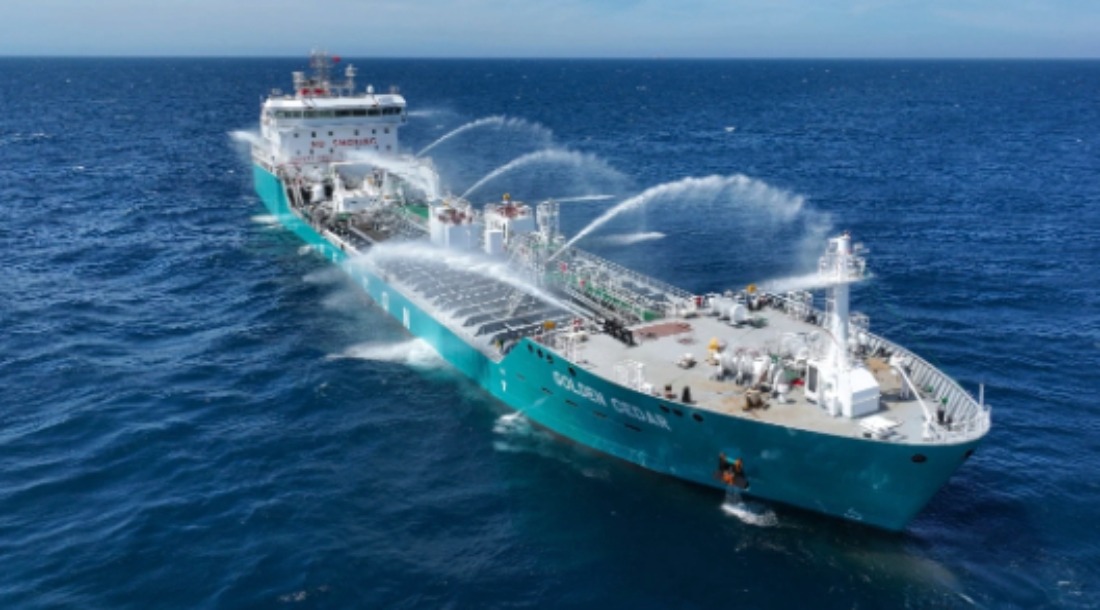
Seacon Shipping shifts focus from expansion to value creation as strategy resets
 Sustainability
China-Built Bulkers Put Fortescue’s Ammonia Shipping Plan on the Water
 Sustainability
Marine Engine Giant Changes Hands: Volkswagen to Sell 51% of Everllence to Bain Capital in €7.4 Billion Deal
 Sustainability