

China-Built Bulkers Put Fortescue’s Ammonia Shipping Plan on the Water
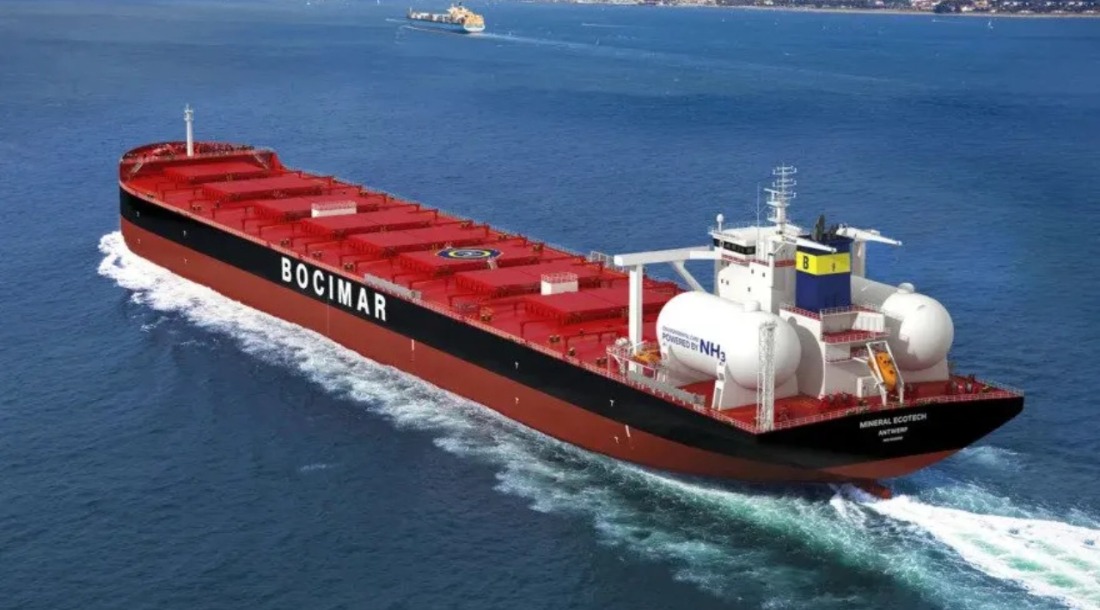

Fortescue is taking its ammonia shipping strategy from demonstration to scale.
The Australian iron ore major has signed a charter agreement with CMB.TECH for up to 12 ammonia-capable Newcastlemax bulk carriers, in one of the clearest signs yet that ammonia is moving closer to commercial use in deep-sea dry bulk shipping.
The vessels will be chartered from Bocimar, CMB.TECH’s dry bulk division. Each ship will be a 210,000-dwt Newcastlemax bulker.
Up to three of the vessels will be fitted with dual-fuel ammonia engines and are expected to enter service from the end of 2026. The remaining nine ships will be delivered ammonia-ready, giving Fortescue the option to convert them to ammonia fuel in the future.
The fleet could reduce around 250,000 tonnes of CO₂ emissions per year if powered by green ammonia, compared with conventional marine fuels.
The ships are understood to be linked to Bocimar’s Newcastlemax newbuilding programme at Qingdao Beihai Shipbuilding in China. The wider programme involves key partners including WinGD, CSSC Engine and CSSC Qingdao Beihai Shipbuilding, and is centred on ammonia dual-fuel engine technology for large bulk carriers.
For Fortescue, the deal marks a major step beyond its Fortescue Green Pioneer project.
The Green Pioneer, a converted platform supply vessel, was used to test ammonia as a marine fuel and completed a landmark ammonia bunkering operation in Singapore. That project helped prove the basic safety and operational feasibility of ammonia fuel.
The new charter deal is different in scale and purpose. It brings ammonia-capable vessels into the iron ore trade, one of the most important long-haul dry bulk shipping routes in the world.
The structure of the agreement also shows a practical transition model. Fortescue is not putting all 12 vessels directly on ammonia from day one. Instead, the company will start with a smaller group of dual-fuel ships while keeping the rest of the fleet ready for future conversion.
That gives Fortescue time to build operational experience, while waiting for green ammonia supply, bunkering infrastructure, safety rules and fuel economics to mature.
For CMB.TECH, the deal gives commercial backing to one of the most ambitious ammonia-capable bulker programmes in the market. For Chinese shipbuilding, it is another sign that Chinese yards are becoming central to the next generation of alternative-fuel vessels.
The agreement also carries a wider message for the shipping market.
Ammonia fuel will not scale through shipowner investment alone. It needs cargo owners, charterers, shipyards, engine makers, ports and fuel suppliers to move together. Fortescue’s deal with CMB.TECH shows how that chain may start to form.
The ammonia transition still faces major challenges, including fuel availability, safety standards, crew training, port readiness and cost. But this agreement suggests that the sector is beginning to move from isolated pilot projects toward real commercial deployment.
For dry bulk shipping, that could be an important turning point.
READ MORE
 Sustainability
13 Dry Bulk Shipping Companies Sign Green Shipping Cooperation Initiative in Hong Kong
 Sustainability
Seacon Shipping shifts focus from expansion to value creation as strategy resets
 Sustainability
Marine Engine Giant Changes Hands: Volkswagen to Sell 51% of Everllence to Bain Capital in €7.4 Billion Deal
 Sustainability
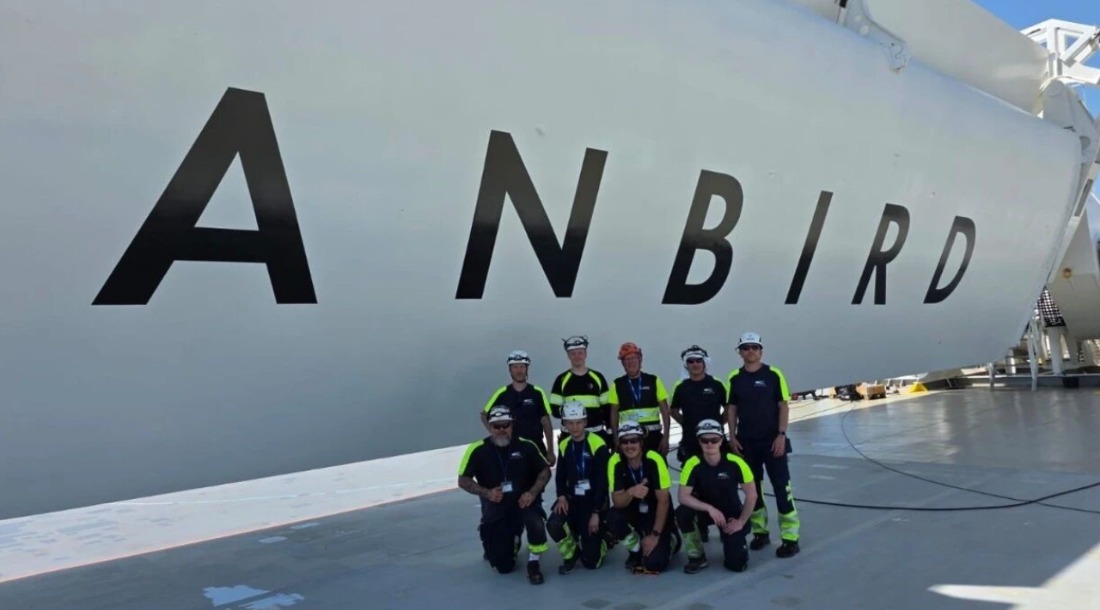
Shipowner Builds Its Own “Sail” and Finally Installs It on the First Vessel
 Sustainability
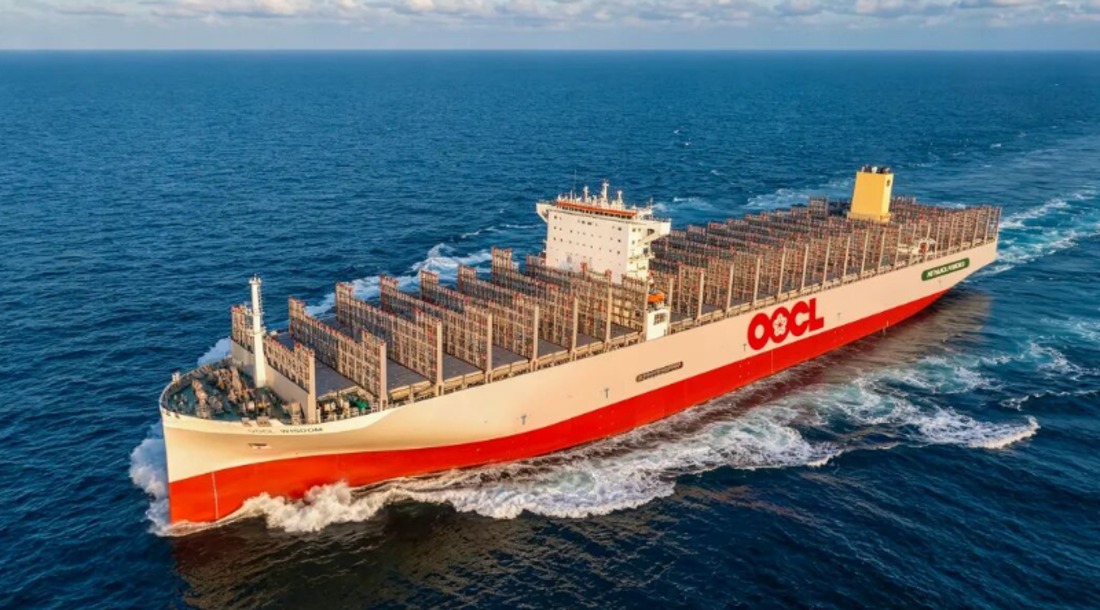
World’s Largest Methanol Dual-Fuel Containership Delivered
 Sustainability
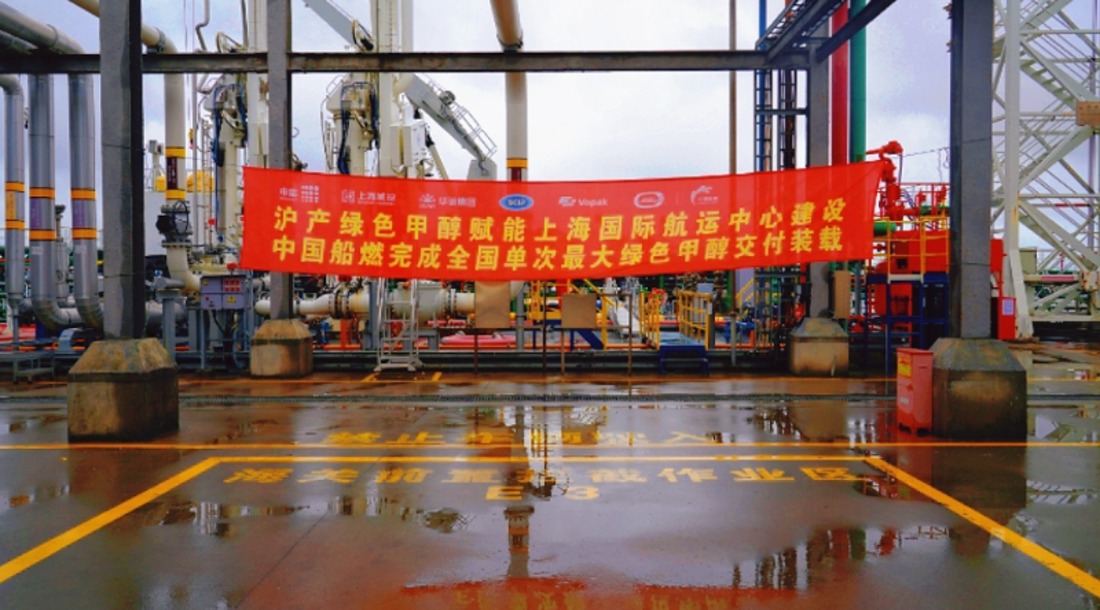
6,000 Tons! China's Largest Single Batch of Green Methanol Procurement Completed
 Sustainability
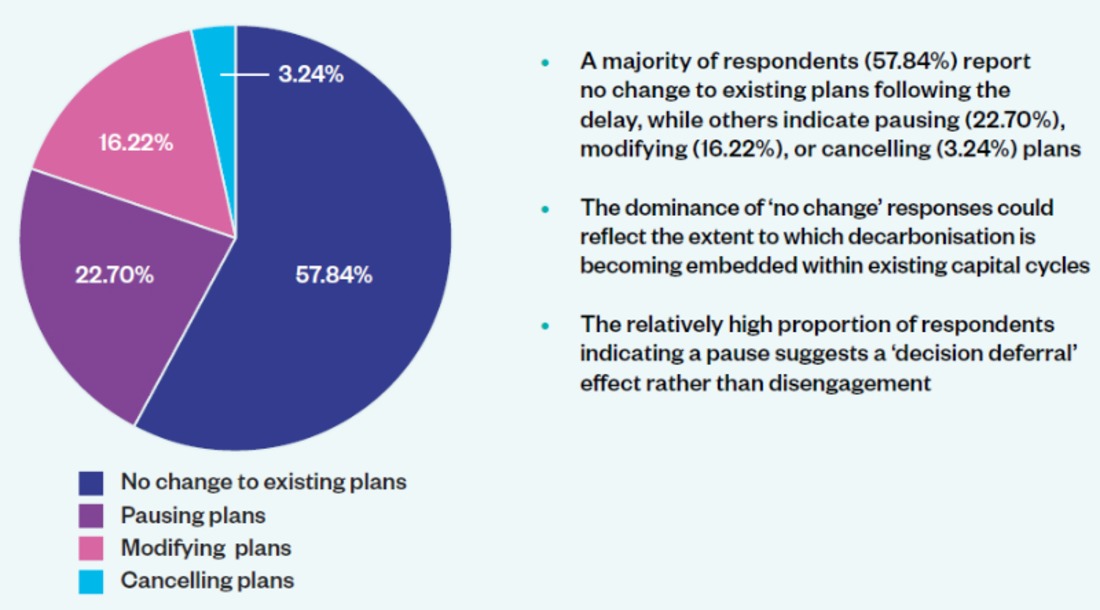
Most Shipping Companies Keep Decarbonisation Plans Unchanged After IMO Net-Zero Framework Delay
 Sustainability
European Shipowners Call for €9bn in EU ETS Revenues to Be Invested Back into Shipping
 Sustainability
Iron Ore Giant FMG to Charter Ammonia-Capable Bulk Carriers
 Sustainability