

Iron Ore Giant FMG to Charter Ammonia-Capable Bulk Carriers
Up to 12 Newcastlemax vessels to come from CMB.TECH’s Bocimar
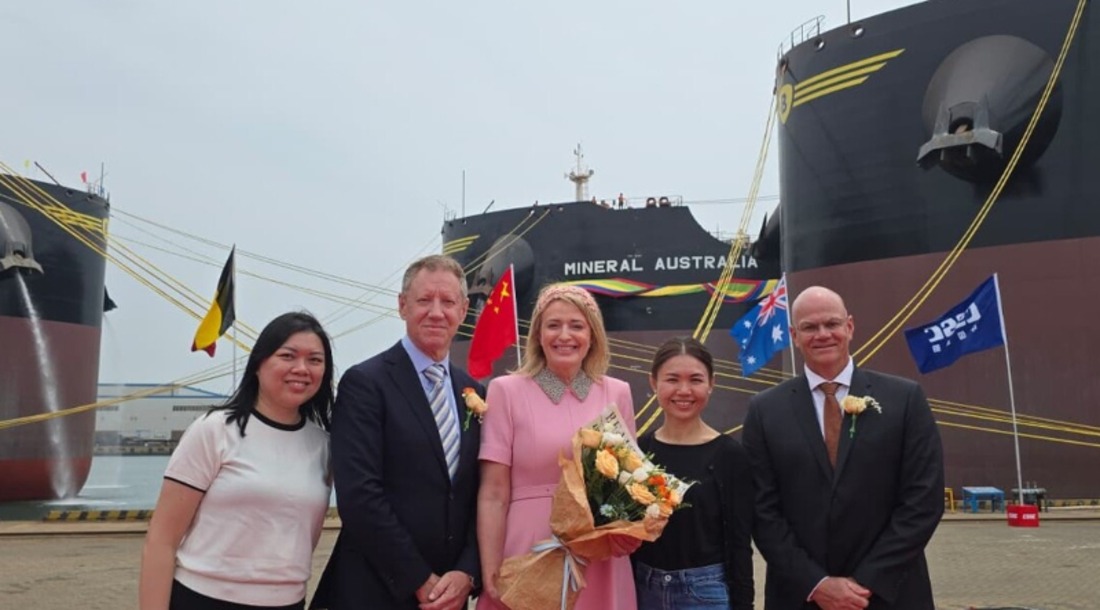

On June 2, Australian iron ore and green energy major Fortescue and CMB.TECH announced that they had signed a charter agreement. Under the agreement, Fortescue will charter up to 12 ammonia-capable Newcastlemax dry bulk carriers from Bocimar, the dry bulk shipping arm of CMB.TECH.
Each vessel will have a deadweight of 210,000 tonnes. The fleet is expected to support the practical application of green ammonia in long-haul dry bulk shipping. Both companies said the agreement represents an important step toward decarbonising global shipping and accelerating the adoption of ammonia as a marine fuel.
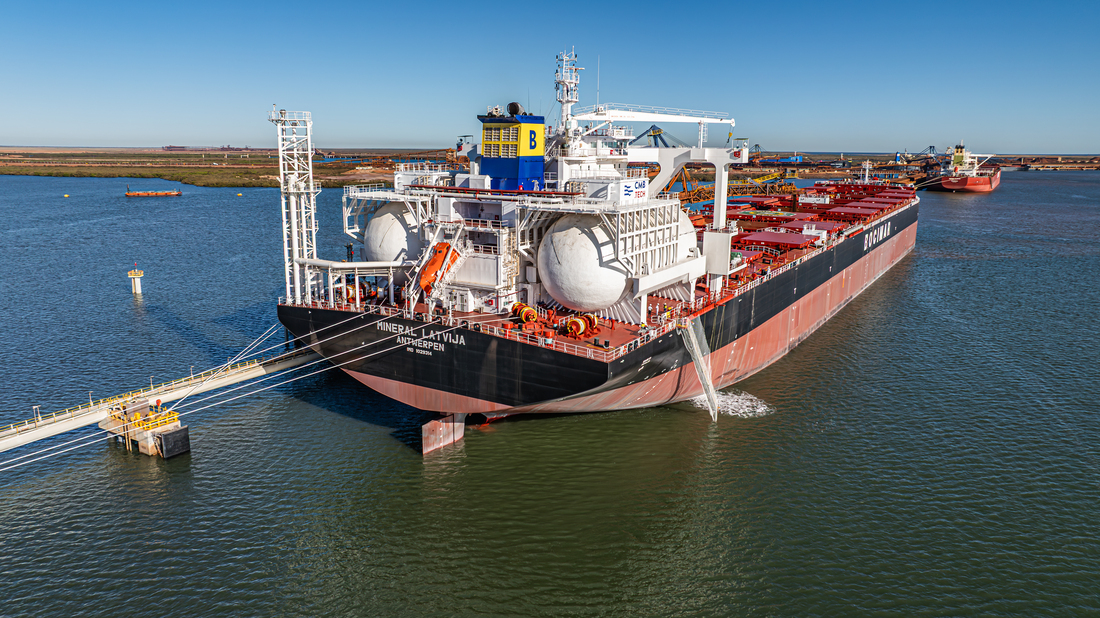
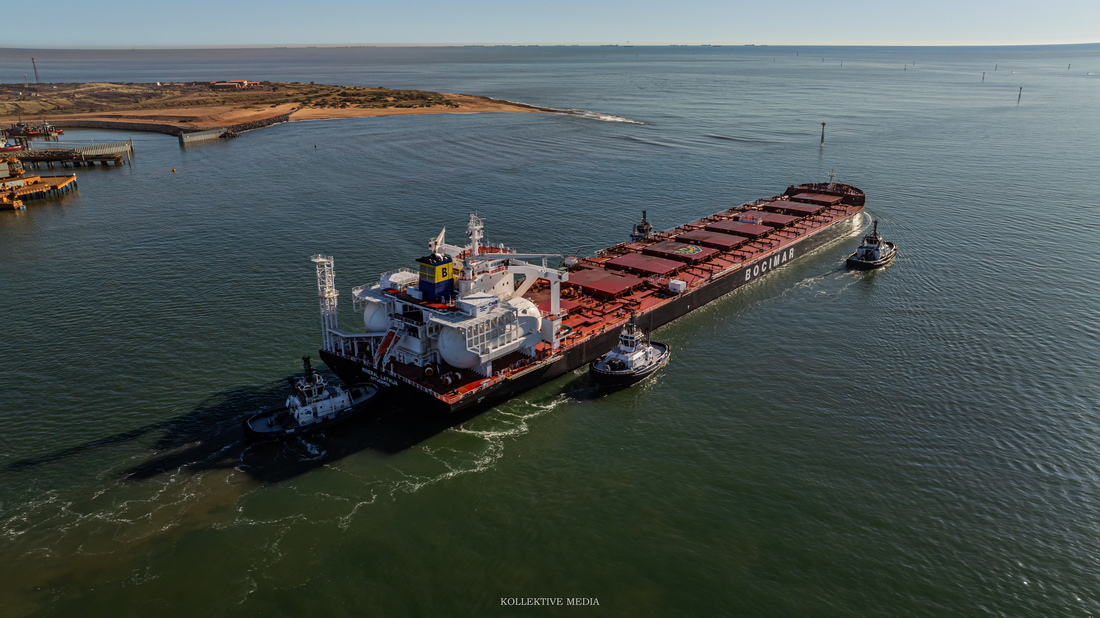
Under the agreement, up to three of the 12 Newcastlemax vessels will be delivered with dual-fuel ammonia engines and are expected to enter service by the end of 2026. The remaining nine vessels will be ammonia-ready and can be converted to operate on ammonia in the future.
Fortescue said that, if fuelled by green ammonia, the combined fleet could reduce carbon dioxide emissions by approximately 250,000 tonnes per year compared with conventional marine fuels.
Fortescue Director Integrated Operations Katie Charuga said the shipping industry does not need more talk, but action. She said green ammonia is one of the clearest pathways to reducing carbon dioxide emissions from shipping, and that these vessels represent a practical step toward that future.
Charuga also said Fortescue’s Green Pioneer demonstration vessel had already shown that ammonia can be used safely and effectively in marine operations. The next challenge is to scale up the use of green ammonia. By investing in ammonia-capable vessels and working with partners that share its ambition, Fortescue aims to help create demand for green ammonia and support the technologies needed to cut emissions from global shipping.
CMB.TECH Chief Executive Officer Alexander Saverys said Fortescue and Bocimar have built a strong partnership over more than two decades, based on shared values and a clear commitment to decarbonising shipping.
Saverys said the agreement is an important step in demonstrating ammonia as a viable marine fuel and advancing the transition to zero-emission shipping. He added that, at a time when doubts remain over the decarbonisation of shipping, the agreement sends a strong signal to the market: the sector can decarbonise at scale, provided that like-minded and determined partners are willing to act.
The Saverys Family’s Ammonia-Fuel Strategy
Like Fortescue, Belgium’s Saverys family has been a strong supporter of ammonia as a marine fuel. Its ammonia strategy in recent years is closely linked to this latest charter arrangement.
The Saverys family has deep roots in shipping. Across its maritime portfolio, ammonia is no longer only a concept. It is gradually being applied across gas carriers, bulk carriers, container ships and chemical tankers.
In the gas carrier segment, EXMAR, which is associated with the Saverys family, has ordered four ammonia dual-fuel midsize gas carriers at a South Korean shipyard. The first vessel, MGC ANTWERPEN, has already been delivered, while another vessel, MGC ARLON, has also been named.
In the container shipping segment, CMB.TECH’s Delphis is developing Yara Eyde, a 1,400 TEU ice-class ammonia-powered container ship. The vessel will use clean ammonia as fuel and serve a European regional trade, marking another step in extending ammonia fuel to regional container shipping.
In the chemical tanker segment, CMB.TECH’s Bochem has also secured ammonia-fuelled vessel orders. Under CMB.TECH’s cooperation with MOL Chemical Tankers, two 26,000 dwt chemical tankers will be delivered with ammonia dual-fuel systems.
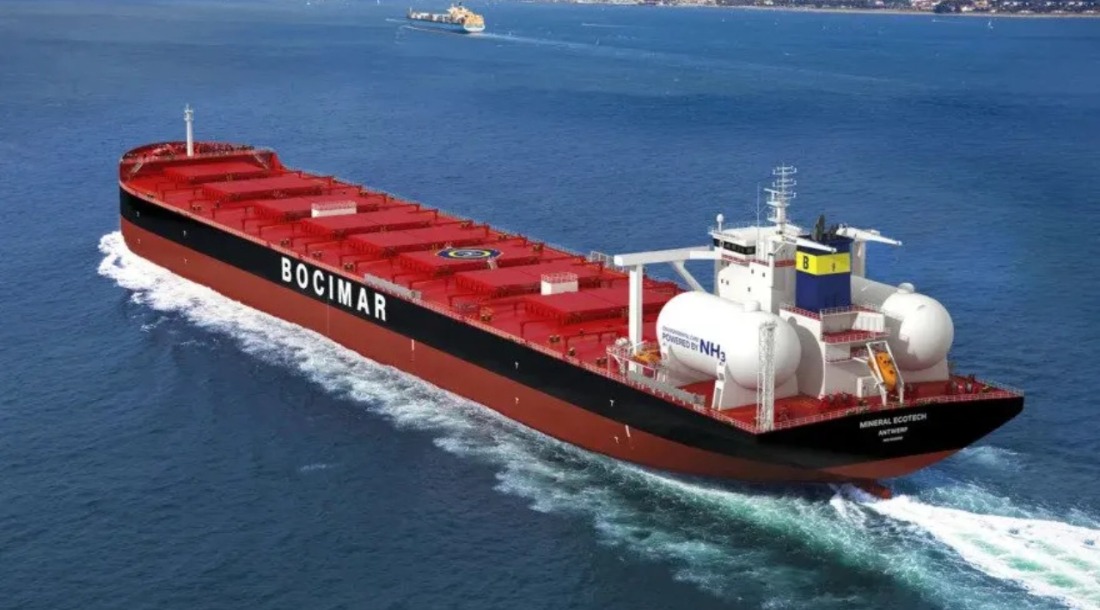
But within the Saverys family’s core CMB.TECH platform, the most strategically important order remains Bocimar’s 10 ammonia-fuelled 210,000 dwt Newcastlemax bulk carriers under construction at CSSC Qingdao Beihai Shipbuilding.
This series is the core order in CMB.TECH’s ammonia-fuel strategy. It is also one of the most important commercial projects for the application of ammonia fuel in large dry bulk shipping. The 10 vessels will be fitted with WinGD X72DF-A ammonia dual-fuel two-stroke engines. On June 15, WinGD announced that the first X72DF-A engine had completed its factory acceptance test in China. The engine will be installed on the first 210,000 dwt bulk carrier ordered by CMB.TECH, marking another step toward the delivery of the series.
CMB.TECH has also secured long-term customer arrangements for part of this ammonia-fuelled bulk carrier series. Last year, CMB.TECH and Japanese shipping major Mitsui O.S.K. Lines (MOL) signed an agreement under which the two companies will jointly own and charter three ammonia dual-fuel Capesize bulkers to MOL for 12 years. The three vessels are scheduled for delivery by CSSC Qingdao Beihai Shipbuilding between 2026 and 2027.
MOL is also moving forward with ammonia bunkering preparations in the Pilbara region of Western Australia. The region is one of the world’s most important iron ore export hubs and a key calling area for Capesize and Newcastlemax bulk carriers. MOL has signed a memorandum of understanding with NH3 Clean Energy and Oceania Marine Energy to participate in the development of a clean ammonia bunkering hub in the Pilbara. The project aims to provide ammonia bunkering services for large bulk carriers at ports including Dampier and Port Hedland around 2030.
On the fuel supply side, CMB.TECH is also extending upstream. The company has invested in Jiangsu Andefu Energy Technology Co., Ltd. in China, participating in the development of a low-carbon ammonia fuel supply chain in the country. For ammonia-fuelled vessels, ship orders are only the first step. The real pace of commercialisation will also depend on the availability of green or low-carbon ammonia, bunkering infrastructure, crew training, safety standards and cargo owners’ acceptance.
READ MORE
 Sustainability
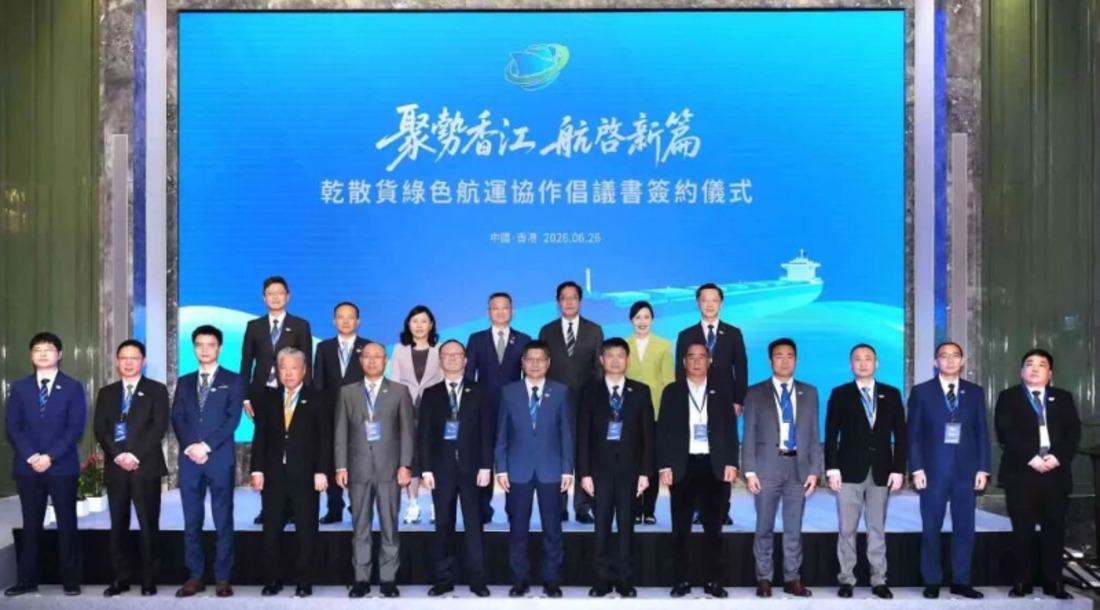
13 Dry Bulk Shipping Companies Sign Green Shipping Cooperation Initiative in Hong Kong
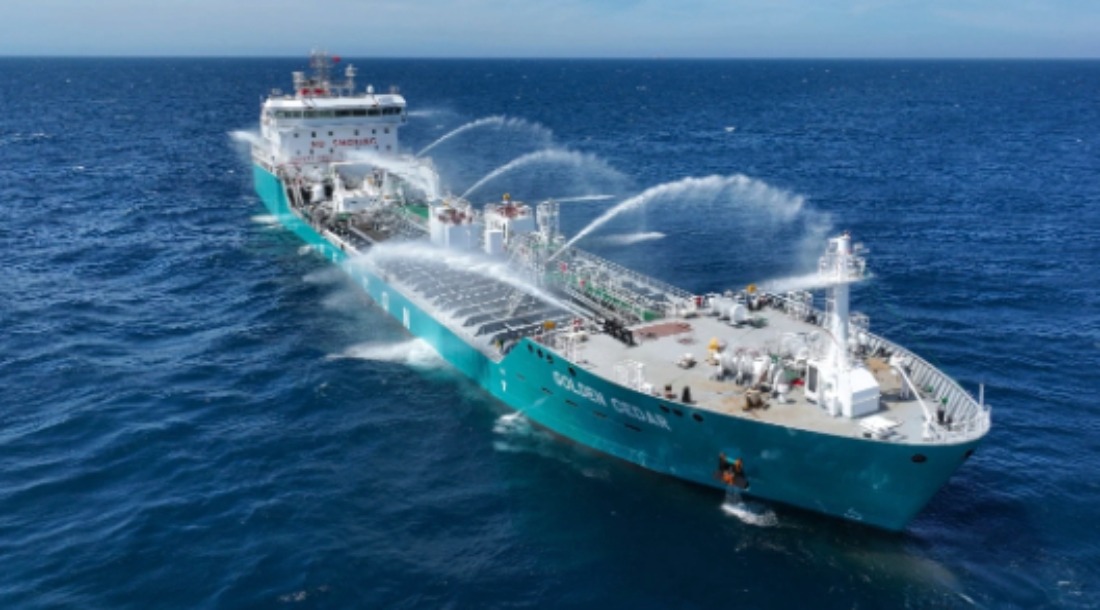 Sustainability
Seacon Shipping shifts focus from expansion to value creation as strategy resets
 Sustainability
China-Built Bulkers Put Fortescue’s Ammonia Shipping Plan on the Water
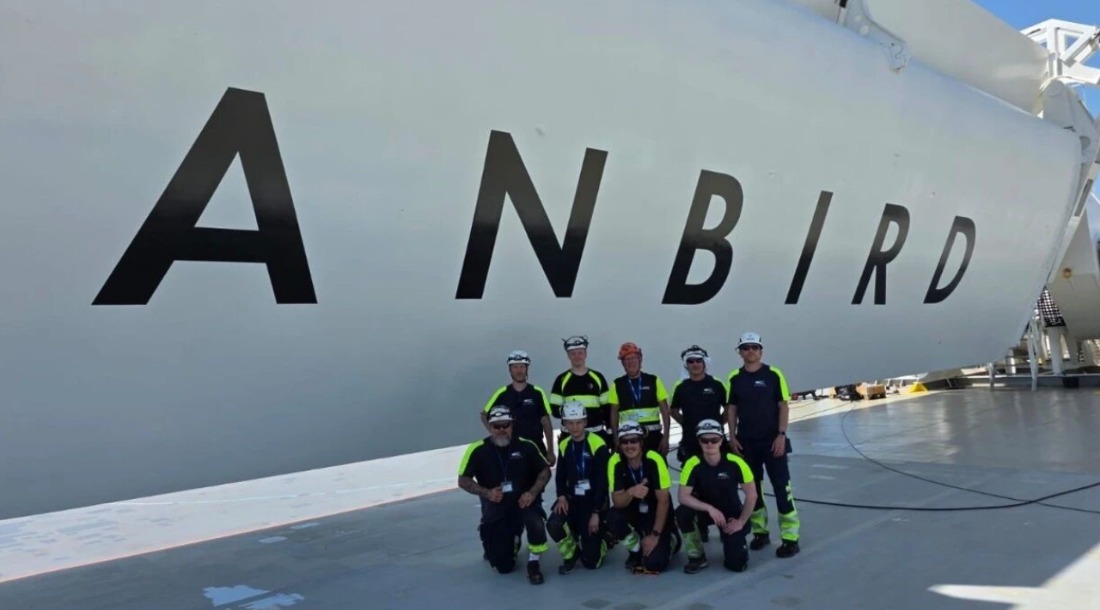 Sustainability
Shipowner Builds Its Own “Sail” and Finally Installs It on the First Vessel
 Sustainability
Marine Engine Giant Changes Hands: Volkswagen to Sell 51% of Everllence to Bain Capital in €7.4 Billion Deal
 Sustainability
World’s Largest Methanol Dual-Fuel Containership Delivered
 Sustainability
6,000 Tons! China's Largest Single Batch of Green Methanol Procurement Completed
 Sustainability
Most Shipping Companies Keep Decarbonisation Plans Unchanged After IMO Net-Zero Framework Delay
 Sustainability
European Shipowners Call for €9bn in EU ETS Revenues to Be Invested Back into Shipping
 Sustainability