


PetroChina Expands Multi-Fuel Bunkering in Singapore

PetroChina Expands Singapore Bunkering Operations with First LNG Supply and New Methanol Bunker Vessel
PetroChina International has completed its first LNG bunkering operation in Singapore and acquired a new methanol dual-fuel bunker vessel, expanding its capabilities to supply alternative marine fuels at the world's largest bunkering hub.
The two developments took place alongside the 24th Singapore International Bunkering Conference (SIBCON 2026), where PetroChina outlined plans to expand its multi-fuel supply network and strengthen cooperation with shipowners and energy suppliers.
First LNG bunkering operation and new methanol vessel
On October 15, PetroChina International (Singapore) completed its first LNG bunkering operation in Singapore, supplying two COSCO SHIPPING vessels, Zhenguan Kou and Hanjiang Kou, using the chartered LNG bunker vessel Paolina.
The operation followed the company's receipt of an LNG bunkering licence from the Maritime and Port Authority of Singapore (MPA), effective September 1, 2026.
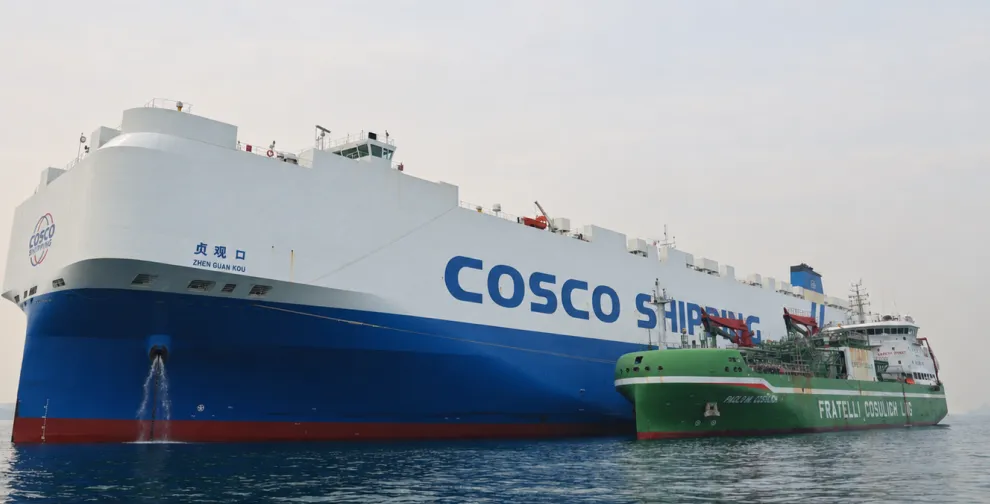
PetroChina International said the operation drew on its global LNG trading portfolio, shipping capacity and storage infrastructure, with fuel supply, vessel scheduling and bunkering arrangements coordinated with COSCO SHIPPING.
The company also expanded its methanol bunkering capabilities through a vessel acquisition.
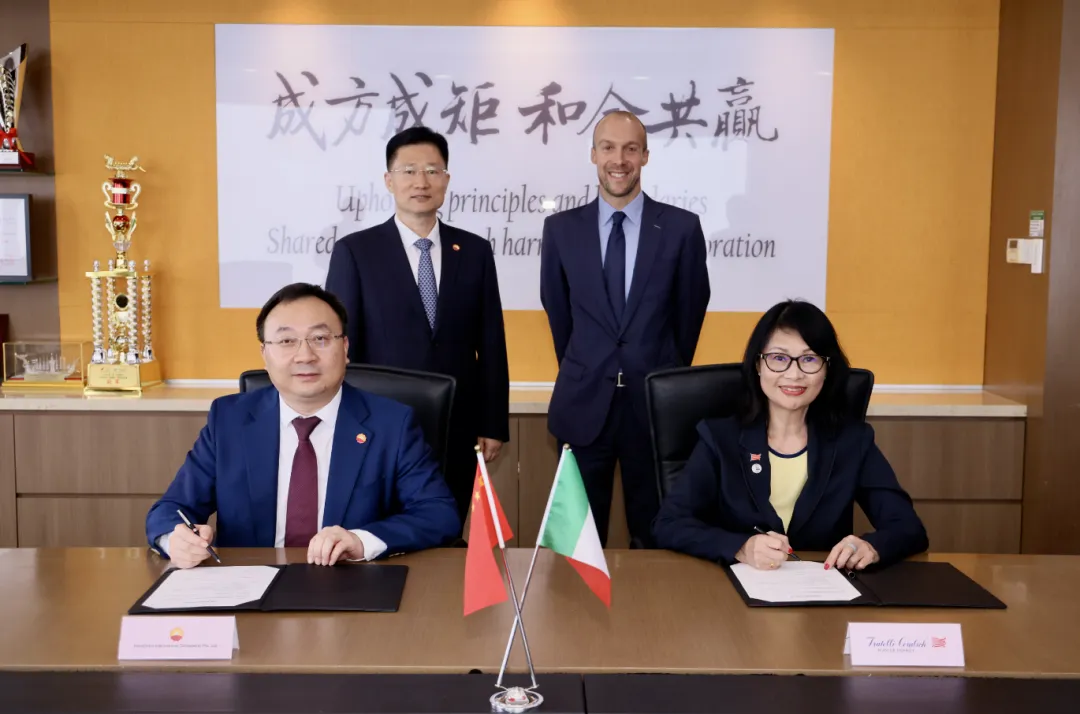
On October 14, SPC Shipping, a wholly owned subsidiary of PetroChina International (Singapore), signed an agreement with Italy's Fratelli Cosulich Group to acquire a newly built methanol dual-fuel bunker vessel.
The vessel, named Vanda Pioneer at a ceremony held at Jurong Port Universal Terminal on October 16, became the company's third owned bunker vessel in Singapore.
Built at a Chinese shipyard, Vanda Pioneer is a 7,999-dwt IMO Type II tanker measuring 114.99 metres in length. Equipped with methanol dual-fuel propulsion, the vessel is capable of carrying and supplying methanol, biodiesel and conventional marine fuels through ship-to-ship bunkering operations.
The LNG operation and vessel acquisition add two different capabilities to PetroChina's Singapore business: commercial LNG fuel deliveries and dedicated tonnage for supplying methanol and other liquid marine fuels.
Fuel infrastructure remains a challenge
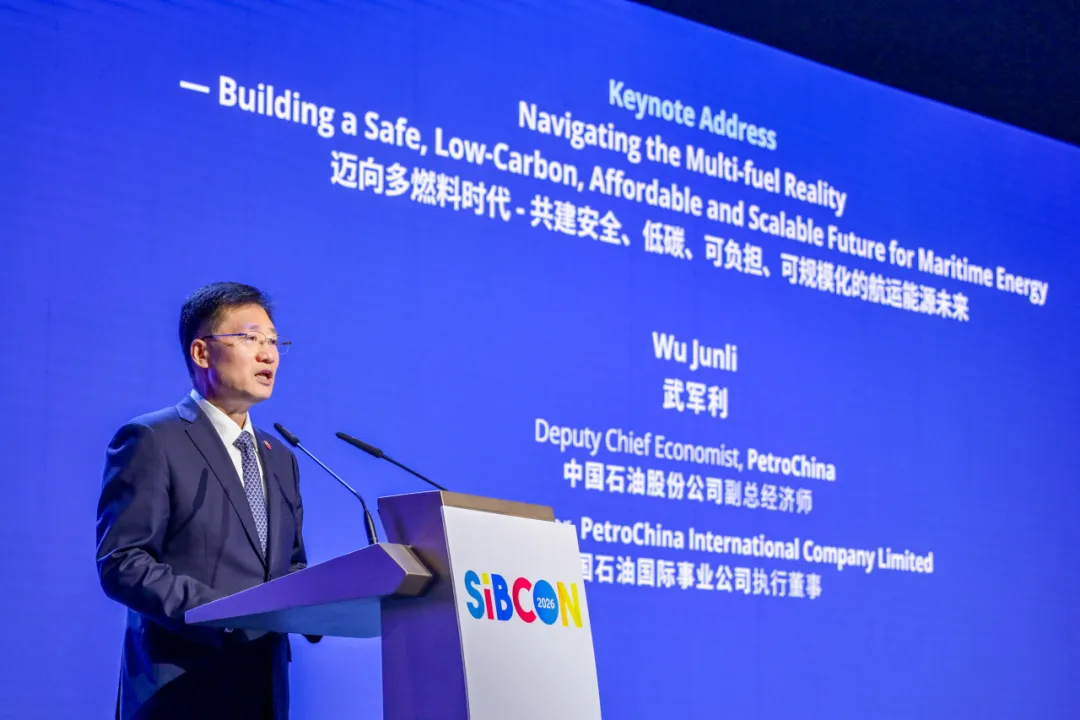
Speaking at SIBCON 2026 on October 15, Wu Junli, Deputy Chief Economist of PetroChina and Executive Director of PetroChina International Company Limited, said the expansion of alternative-fuelled fleets was placing growing demands on marine fuel supply chains.
In his keynote address, Navigating the Multi-fuel Reality — Building a Safe, Low-Carbon, Affordable and Scalable Future for Maritime Energy, he highlighted the gap between investment in alternative-fuelled ships and the infrastructure required to support them.
According to figures presented during his speech, 484 alternative-fuelled vessels were delivered globally in 2025, representing 44% of total newbuilding deliveries by gross tonnage.
While LNG has an established supply chain and bunkering network, methanol and ammonia infrastructure remains at an earlier stage of development. Biofuels, meanwhile, offer a more immediate emissions-reduction option through their compatibility with existing vessels and infrastructure.
Junli noted that more than 220 ports worldwide offer LNG bunkering, while the number of ports with operational or planned methanol bunkering facilities remains below 50.
He argued that fuel availability, storage, transportation and bunkering infrastructure are becoming increasingly important constraints on shipping's energy transition, rather than vessel construction technology alone.
The investment challenge also runs in both directions. Shipowners face uncertainty over future fuel availability and costs when ordering new vessels, while fuel suppliers are reluctant to invest heavily in infrastructure without sufficient demand commitments.
Junli called for greater cooperation between shipowners, fuel producers, infrastructure operators and financial institutions, including longer-term commercial arrangements and shared investment risks.
Singapore at the centre of PetroChina's global bunkering network
PetroChina International is building its multi-fuel business around an existing international energy trading and bunkering network covering conventional marine fuels, biofuels, LNG and methanol.
According to figures presented at SIBCON, the company's marine fuel operations cover 18 major ports across seven countries and regions, supported by approximately 700,000 cubic metres of storage capacity and 16 bunker vessels.
Its biofuel bunkering activities are already established in Singapore, Europe and major Chinese ports, while LNG and methanol operations are being expanded.
PetroChina International also has interests in and charters more than 50 vessels, representing over 4.2 million dwt, providing connections with international shipowners and exposure to global shipping routes and fuel demand.
Singapore remains an important market for the company. The port recorded more than 56 million tonnes of bunker sales in 2025, with PetroChina accounting for approximately 10% of the market, according to Junli.
The company's approach is to combine its global trading resources with local bunkering infrastructure, allowing customers to arrange fuel supplies across multiple ports through a single commercial network.
Beyond physical fuel supply, PetroChina is also developing carbon-related services. Junli said the company traded nearly 30 million tonnes of carbon-related products in 2025 and is exploring integrated offerings combining marine fuel supply and carbon allowance trading.
Looking ahead, PetroChina International (Singapore) plans to develop an Asia-Pacific bunkering demonstration centre and a multi-fuel supply hub, expand its LNG supply chain and use Vanda Pioneer to support further marine fuel deliveries in Singapore and Southeast Asia.
These investments come as Singapore continues to expand its alternative-fuel bunkering infrastructure and as shipowners increasingly require access to multiple fuel types across their trading networks.


READ MORE
 Sustainability
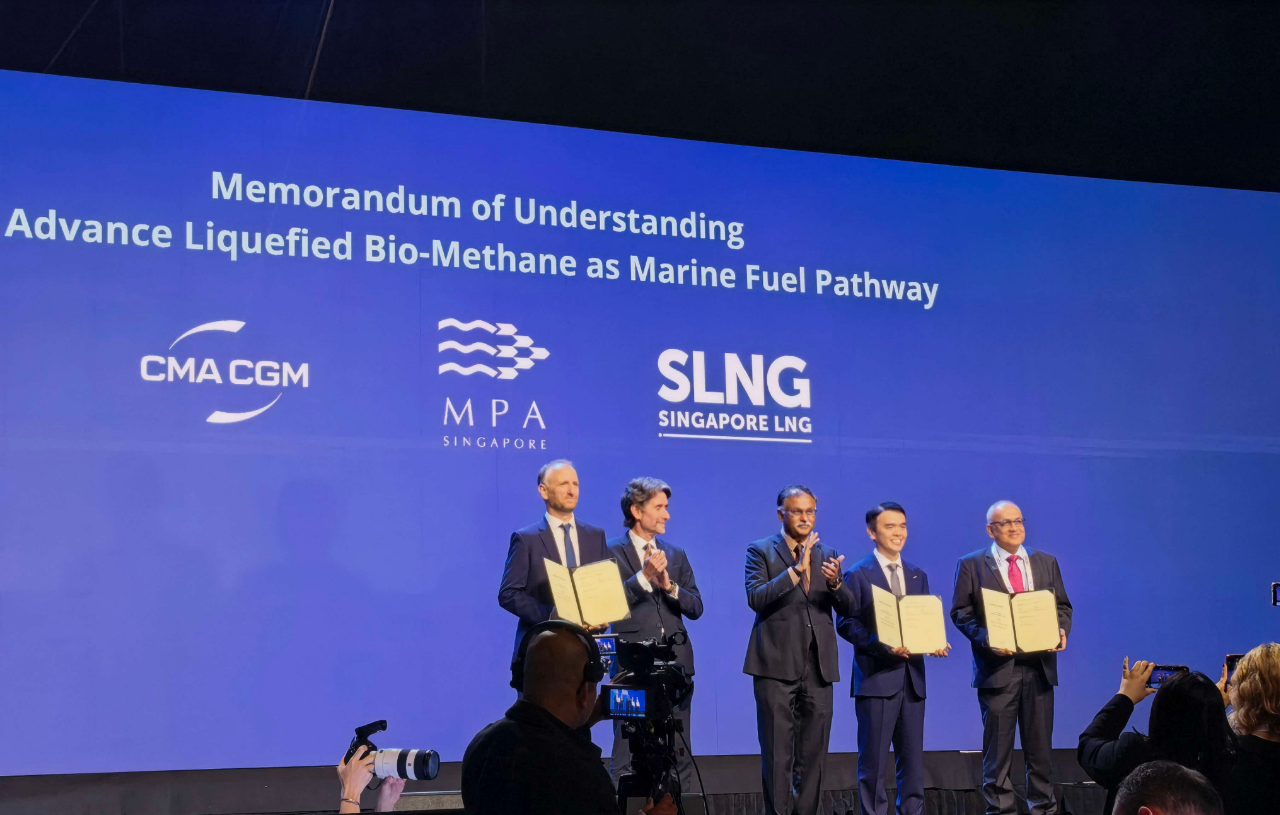
MPA, CMA CGM and SLNG Join Forces on Bio-LNG Bunkering
 Sustainability
Singapore Offers Up to S$250,000 for Electric Harbour Craft
 Sustainability
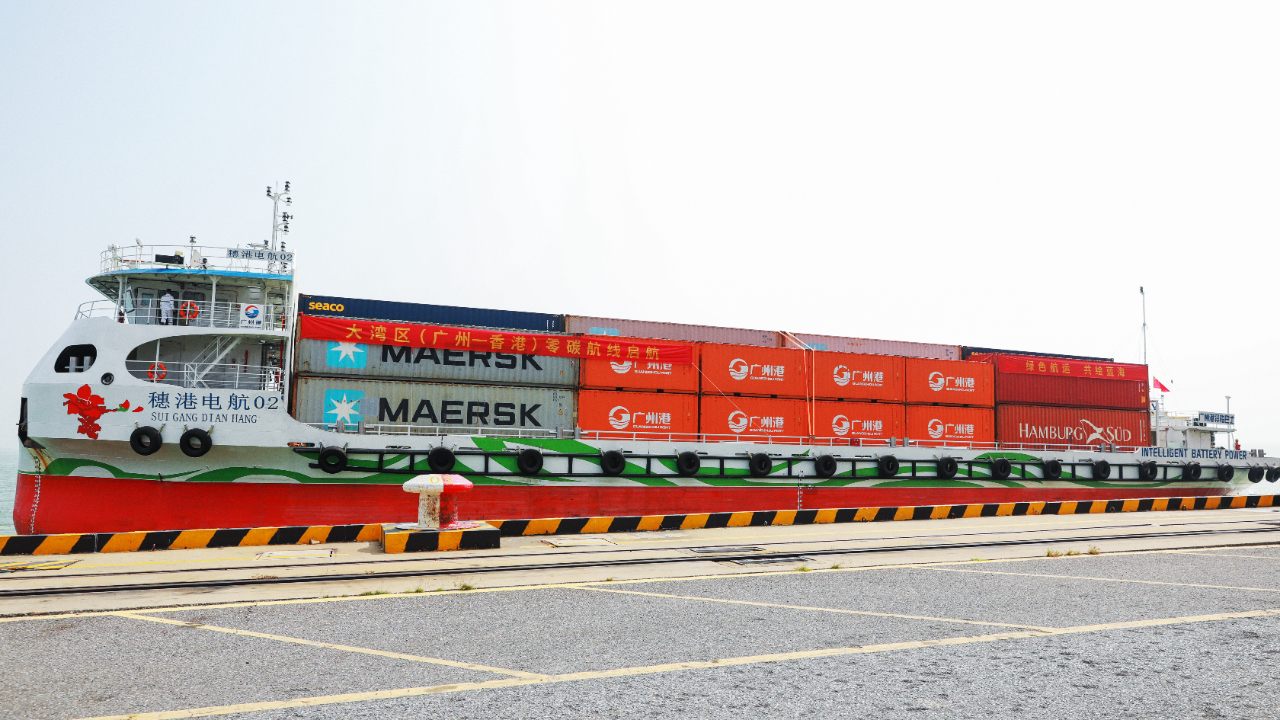
Greater Bay Area Launches First Zero-Carbon Container Shipping Route Between Guangzhou and Hong Kong
 Sustainability
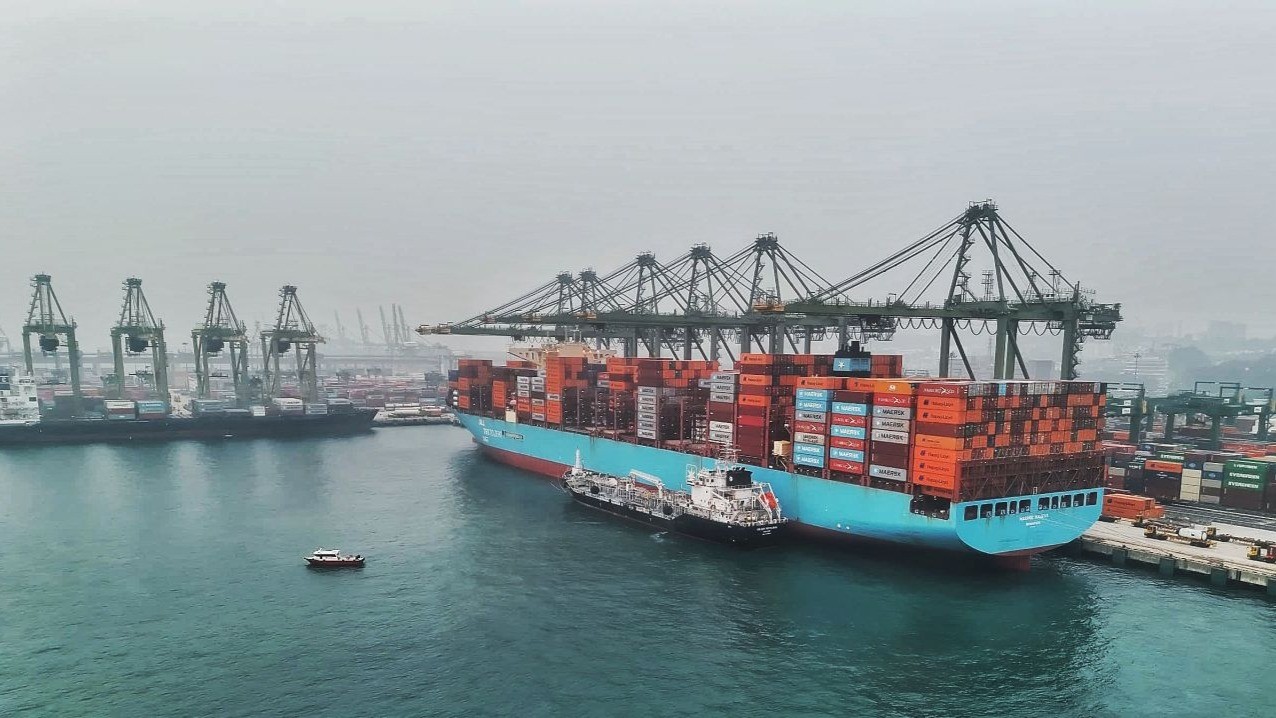
5,000 Tonnes: Maersk Completes World’s Largest Ethanol Bunkering in Singapore
 Sustainability
1000Ton! CMB.TECH in World First Commercial STS Green Ammonia Bunkering
 Sustainability
China Sets 2028 Targets for Electric and Methanol-Powered Inland Vessels
 Sustainability
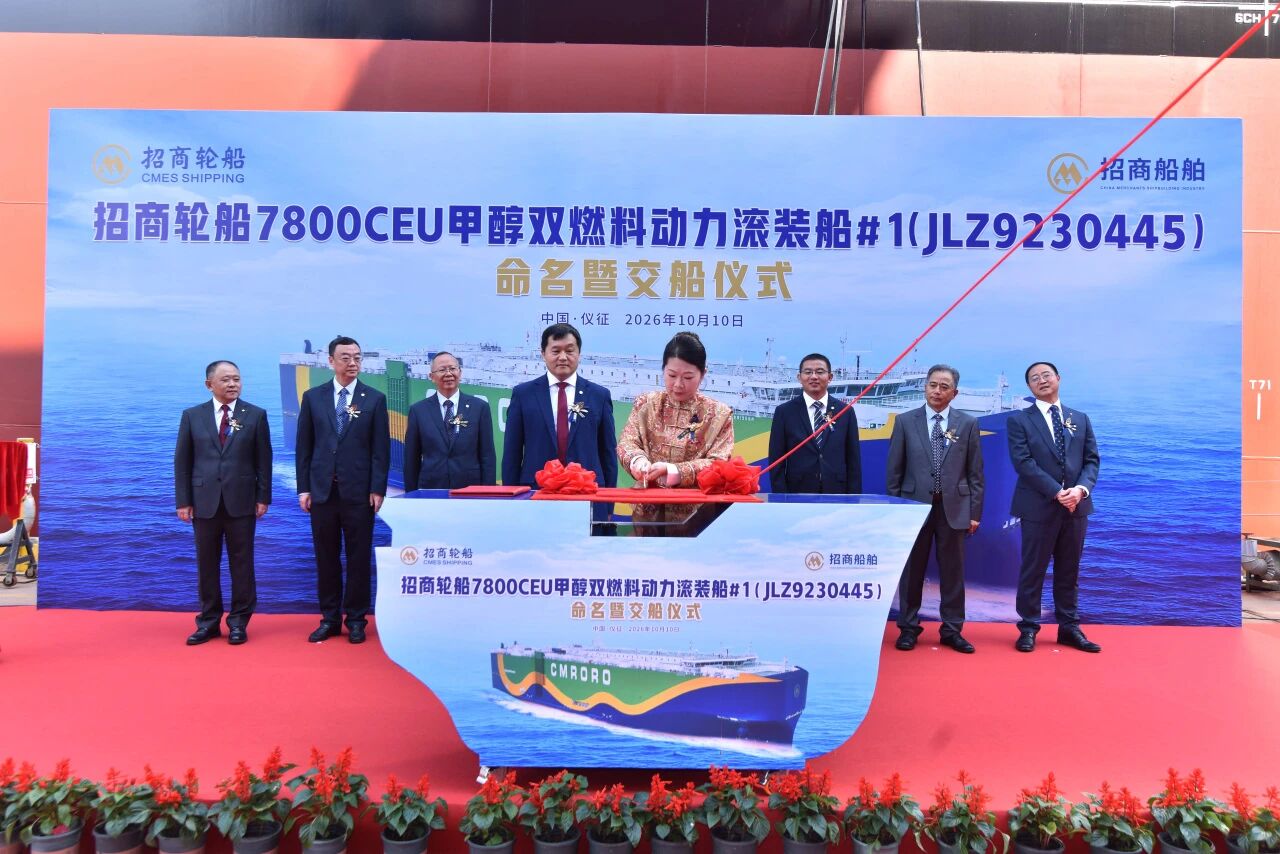
China Merchants Takes Delivery of Third Methanol Dual-Fuel Car Carrier
 Sustainability
Alexander Saverys :Green Ammonia Will Be Cheaper Than Diesel—Sooner Than You Think
 Sustainability
Beihai Delivers First Ammonia-Powered Bulker as Mineral Europa Sets Sail
 Sustainability