


Greater Bay Area Launches First Zero-Carbon Container Shipping Route Between Guangzhou and Hong Kong
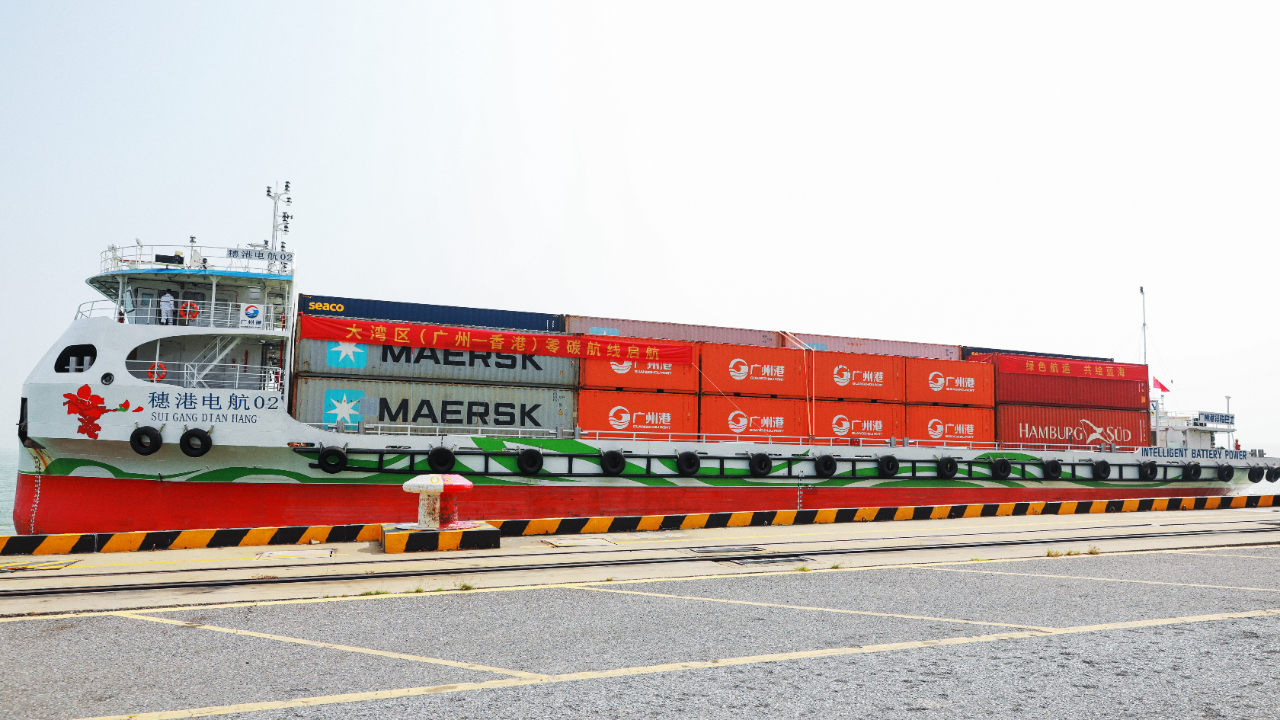

The Guangdong-Hong Kong-Macao Greater Bay Area has launched its first zero-carbon container shipping route between Guangzhou and Hong Kong, marking a significant step towards the electrification of inland shipping and greener port connectivity.
On October 13, the Sui Gang Dian Hang 02 (穗港电航02), described as South China's largest intelligent electric inland container vessel, departed from Guangzhou Port's Nansha Phase III Container Terminal, carrying Guangdong-made furniture, household goods and other products bound for Hongkong International Terminals (HIT).
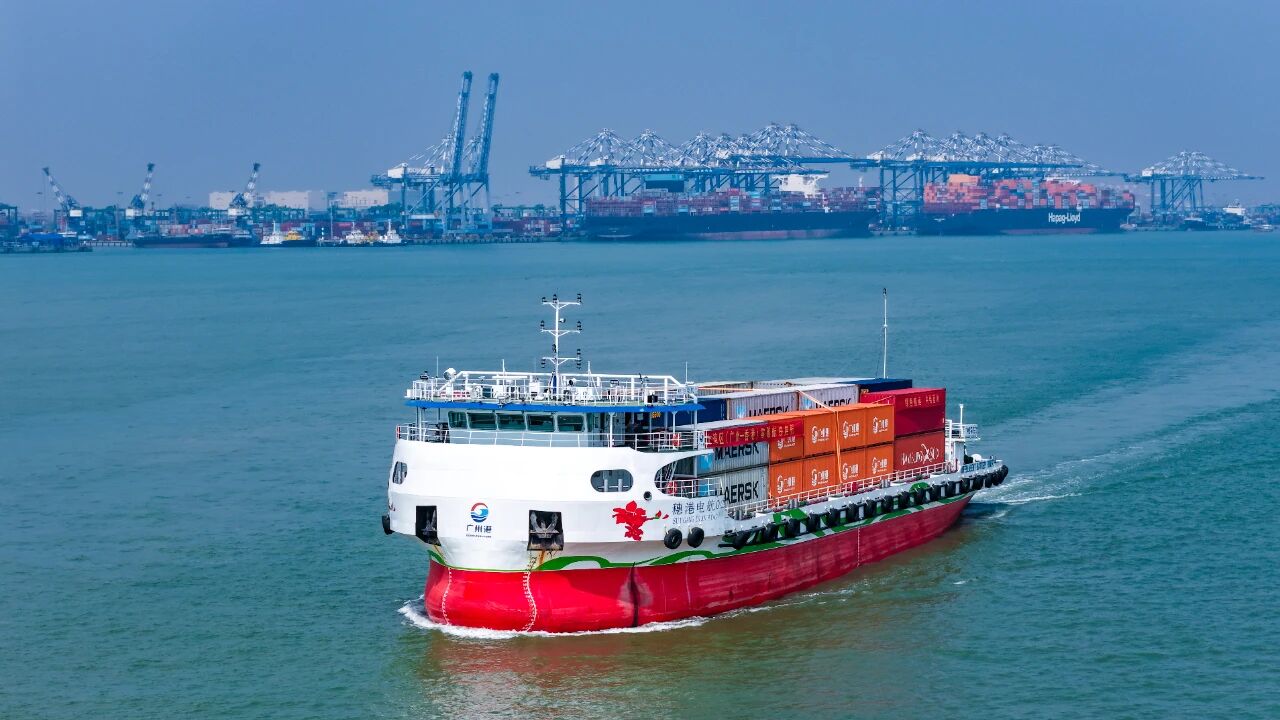
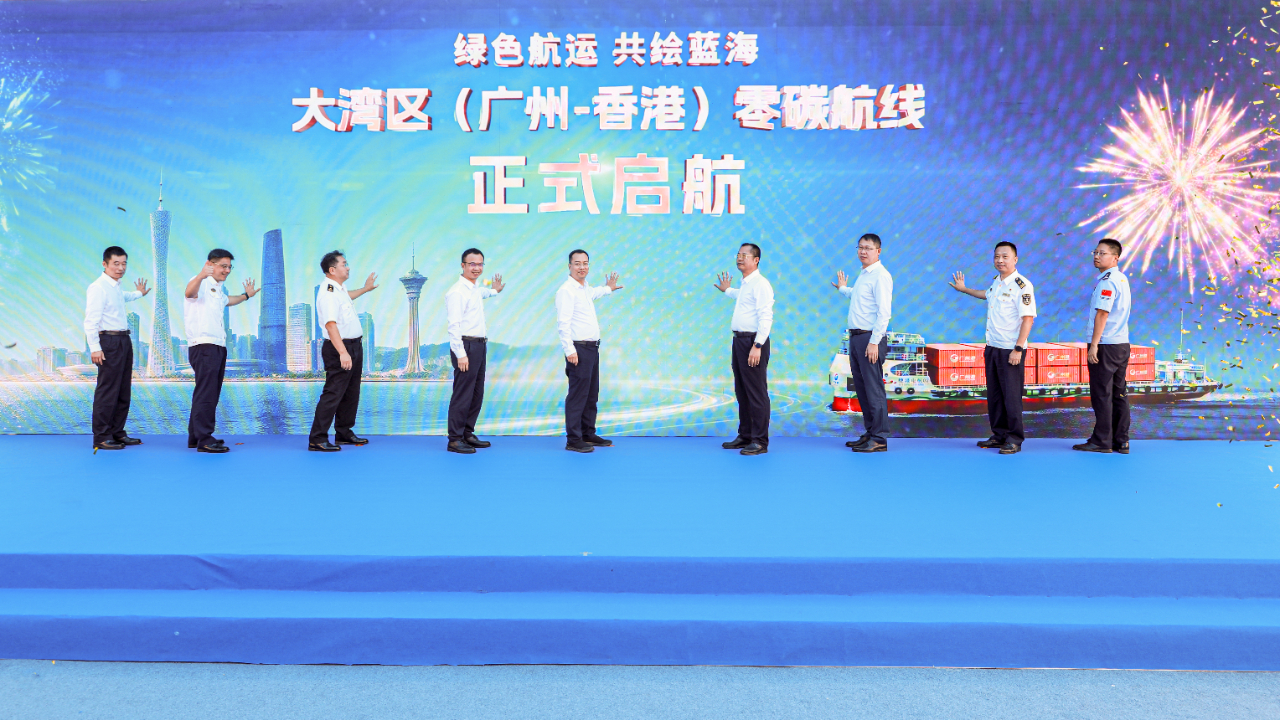
The inaugural voyage marked the official commencement of the new service, which connects two major shipping hubs in the Greater Bay Area through a fully electric container transport operation.
According to Guangzhou Port Group, each electric vessel is expected to reduce carbon emissions by more than 550 tonnes annually compared with conventional fuel-powered vessels, with potential lifetime reductions of approximately 19,000 tonnes.
The Sui Gang Dian Hang series represents one of South China's first generations of intelligent electric inland container vessels. Each vessel has a capacity of 240 teu and features an innovative containerised battery system that supports both battery swapping and direct charging.
The system allows batteries to be replaced through lifting operations or recharged directly, providing greater operational flexibility and helping overcome the range limitations traditionally associated with electric vessels.
The ships are also equipped with integrated digital operation and maintenance platforms, enabling real-time energy consumption monitoring, equipment management and ship-to-shore coordination.
Unlike conventional diesel-powered vessels, the electric ships produce no direct exhaust emissions during operation and generate significantly less noise.
The project has been included in the National Development and Reform Commission's list of advanced green and low-carbon technology demonstration projects, positioning it as a potential model for the wider electrification of China's inland shipping fleet.
The inaugural ceremony, hosted by Guangzhou Port Group under the theme "Green Shipping for a Blue Future", brought together representatives from government authorities, shipping companies, industry associations, research institutions and logistics customers.
Xu Haibo, Deputy Director-General of the Guangdong Provincial Department of Transport, described the launch as an important milestone in the province's green shipping transition.
He said the service would provide a practical example for the development of green shipping corridors across the Greater Bay Area while encouraging closer cooperation throughout the green maritime industry supply chain.
Wan Xinzhou, Deputy Director of the Guangzhou Port Authority, highlighted the demonstration value of the project, noting that the successful deployment of electric container vessels could accelerate the broader adoption of electric propulsion across regional waterways.
Wu Taiyun, Deputy General Manager of Guangzhou Port Group, said the company would build on the project to advance three priorities: developing electric vessel technologies, strengthening shipping connectivity between Guangzhou and Hong Kong, and establishing a greener port logistics ecosystem.
The new route forms part of Guangzhou Port Group's broader strategy to transform its traditional waterborne transport operations into an integrated green and intelligent logistics network.
A key foundation for the initiative is the group's established "Shuttle Bus" inland feeder service network, which has been operating for approximately 20 years.
The network currently comprises more than 70 inland feeder routes serving over 20 cities, including Guangzhou, Foshan, Zhongshan, Jiangmen, Zhuhai, Wuzhou and Guigang. Its inland barge fleet has a combined carrying capacity exceeding 10,000 teu.
Through scheduled feeder services, the network provides container shipping lines and cargo owners with regular connections between manufacturing centres in the Pearl River Delta and major international container terminals.
The introduction of electric container vessels represents a further step in Guangzhou Port's transition from conventional shipping operations towards lower-emission logistics services.
Beyond the vessels themselves, Guangzhou Port Group has been expanding its investment in shore power, photovoltaic power generation and the electrification of port equipment as part of efforts to reduce emissions across port and shipping operations.
By linking Nansha and Hong Kong through a dedicated electric container service, the project offers a potential model for decarbonising short-sea and inland container transport, while supporting closer integration between the Greater Bay Area's major port and logistics hubs.
Guangzhou Port Group said it would continue expanding green and intelligent shipping initiatives as part of the development of the Greater Bay Area into a world-class port cluster.


READ MORE
 Sustainability
Singapore Offers Up to S$250,000 for Electric Harbour Craft
 Sustainability
1000Ton! CMB.TECH in World First Commercial STS Green Ammonia Bunkering
 Sustainability
China Sets 2028 Targets for Electric and Methanol-Powered Inland Vessels
 Sustainability
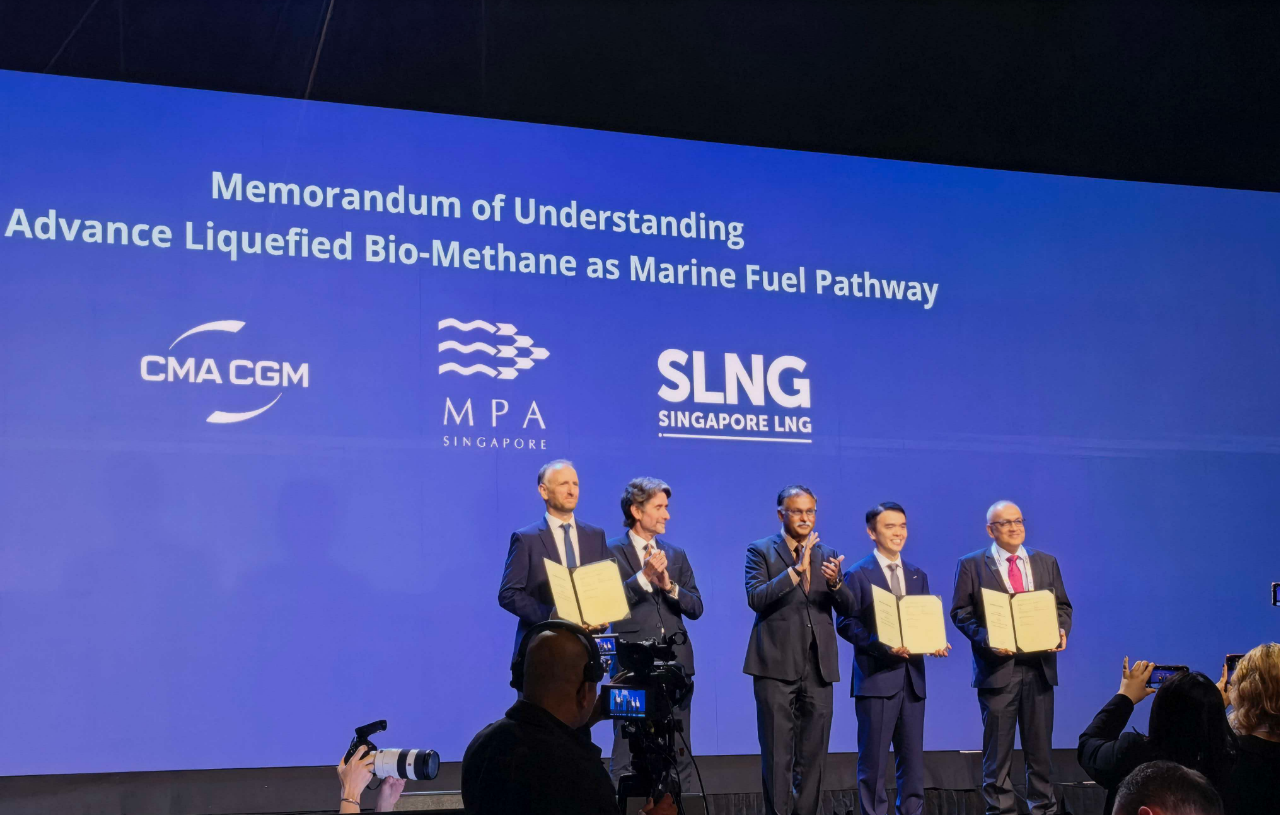
MPA, CMA CGM and SLNG Join Forces on Bio-LNG Bunkering
 Sustainability
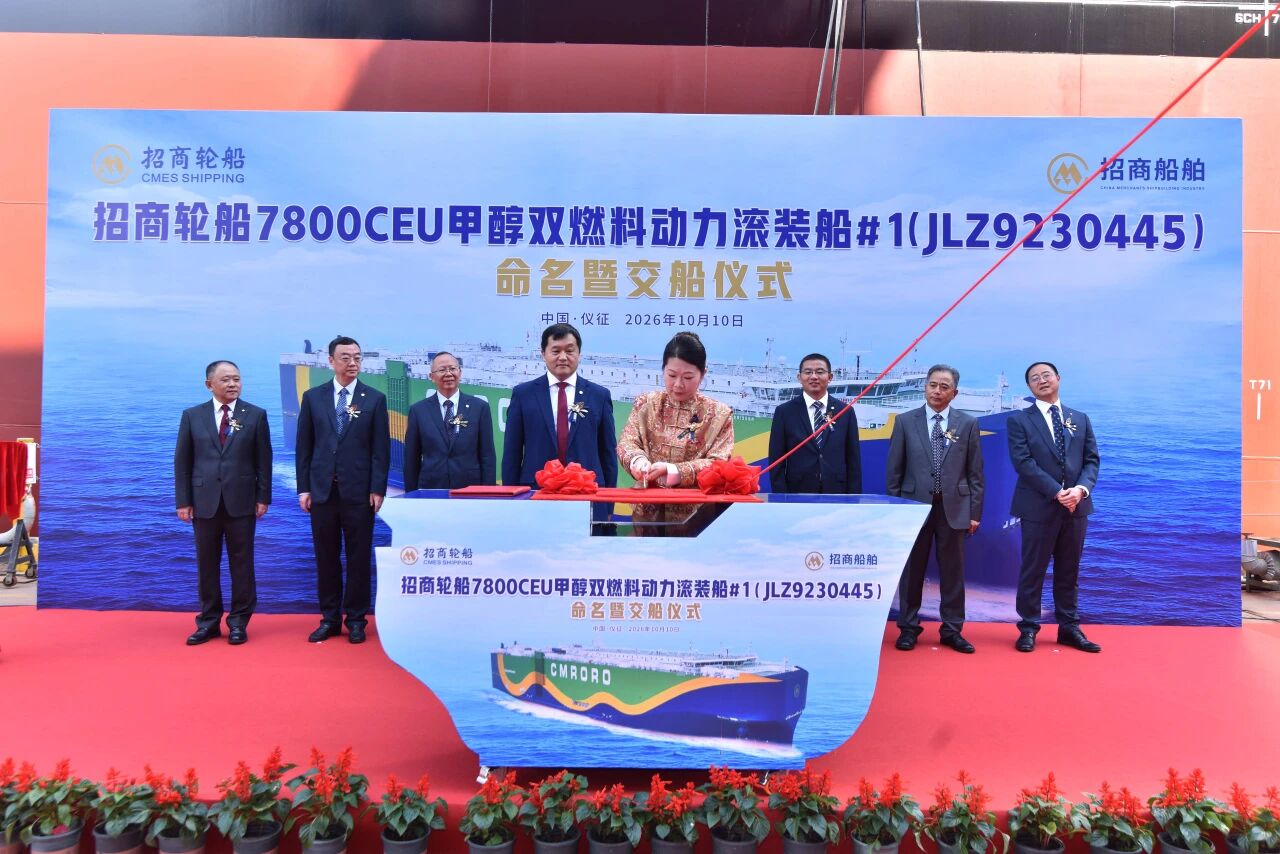
China Merchants Takes Delivery of Third Methanol Dual-Fuel Car Carrier
 Sustainability
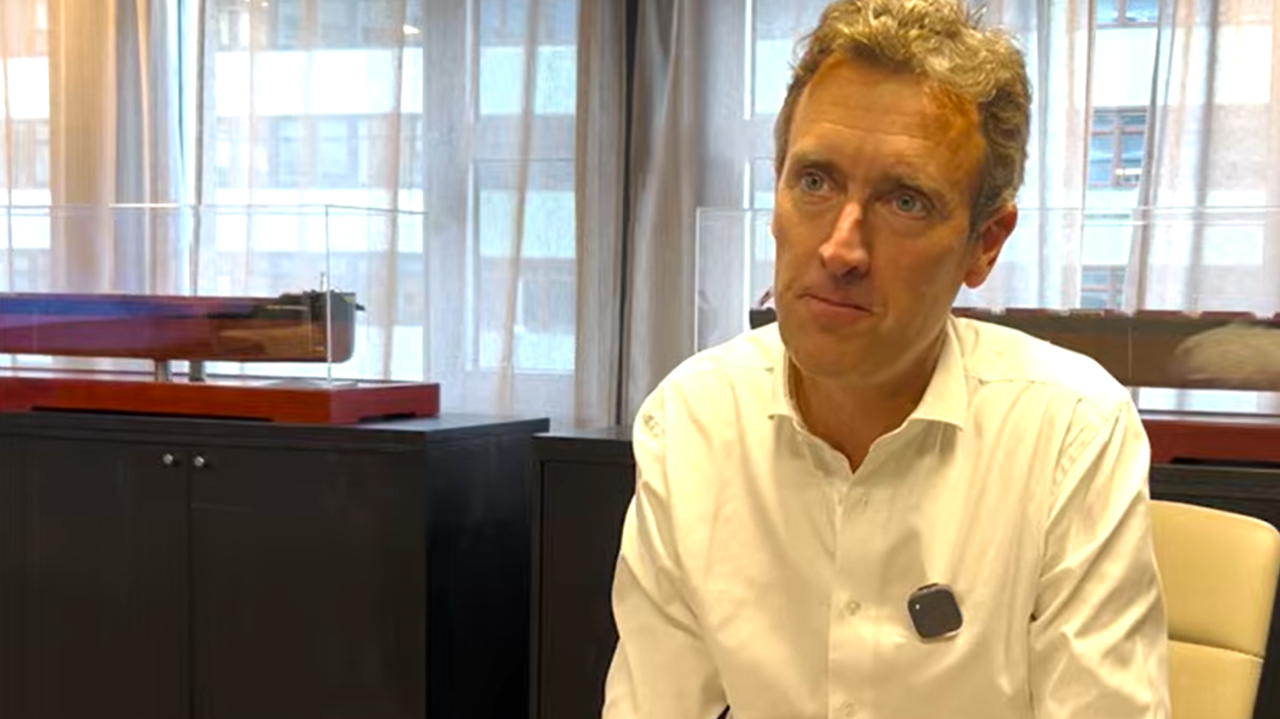
Alexander Saverys :Green Ammonia Will Be Cheaper Than Diesel—Sooner Than You Think
 Sustainability
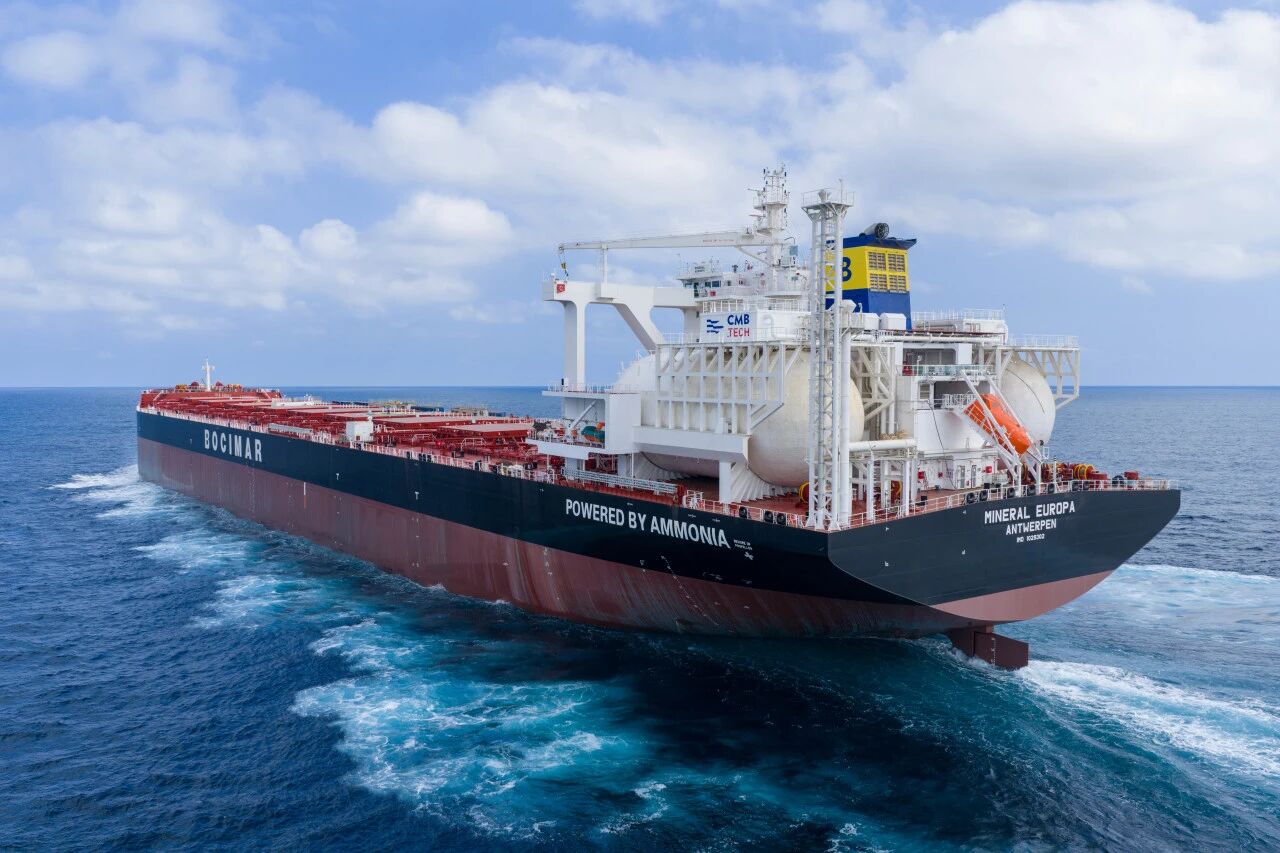
Beihai Delivers First Ammonia-Powered Bulker as Mineral Europa Sets Sail
 Sustainability
World's First Ammonia Dual-Fuel Bulker Delivered in China
 Sustainability
UK & CHINA: NAVIGATING TOGETHER TOWARDS SAFER, GREENER SHIPPING
 Sustainability