


China Sets 2028 Targets for Electric and Methanol-Powered Inland Vessels
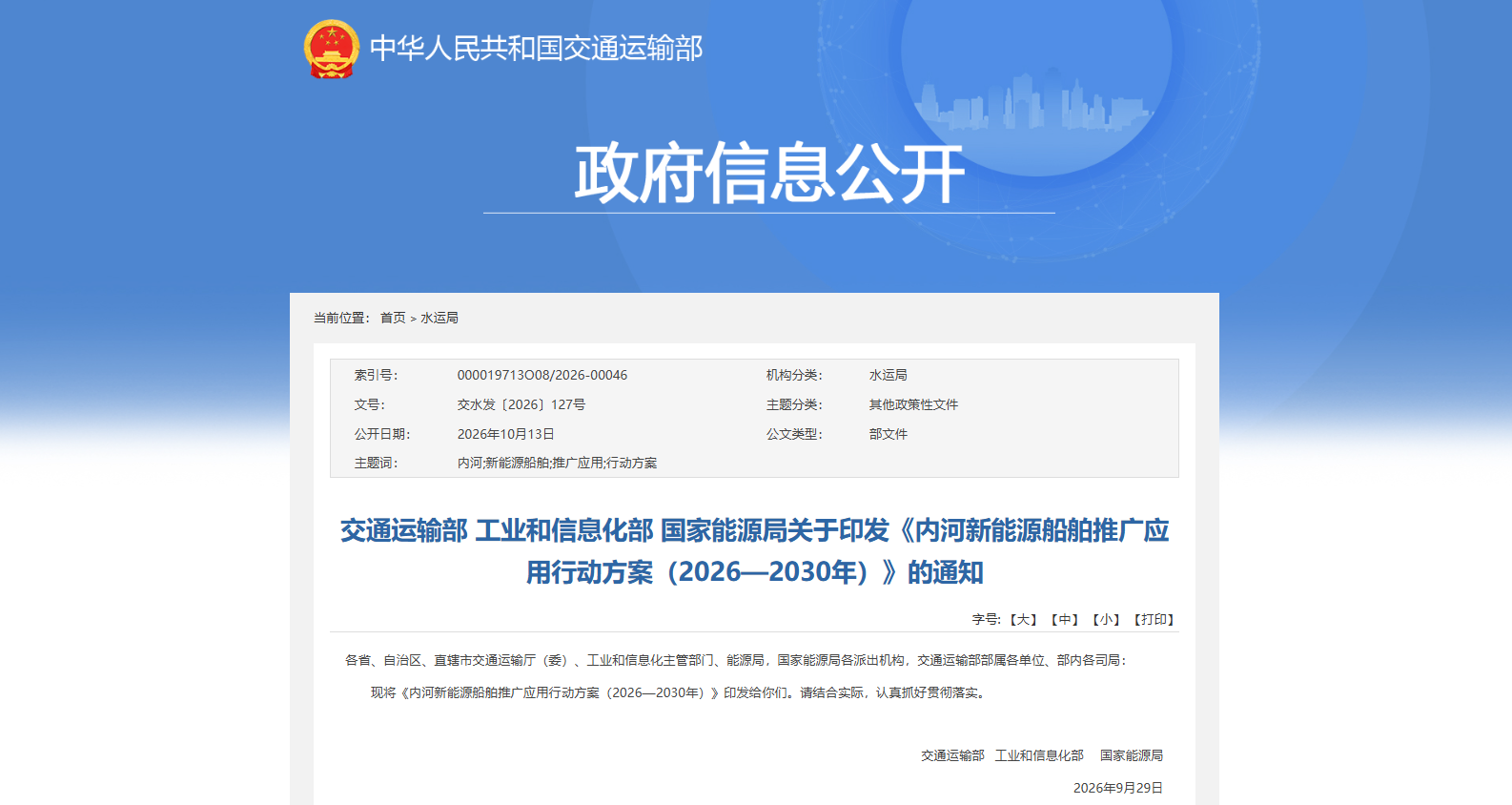

China's Ministry of Transport, together with the Ministry of Industry and Information Technology and the National Energy Administration, released the Action Plan for the Promotion and Application of New Energy Inland Waterway Vessels (2026–2030) on 29 September 2026, outlining targets to accelerate the adoption of electric and methanol-powered vessels across the country's inland waterways.
Under the plan, China aims to double its fleet of new energy inland vessels by 2028 compared with 2025 levels, with more than 1,000 electric cargo and passenger vessels and over 100 methanol-powered vessels in operation.
The plan also targets the development of 3,000 km of zero-carbon waterway transport corridors by 2028, covering key routes along the Yangtze River, Xijiang River, Beijing–Hangzhou Grand Canal and the Yangtze River Delta.
Electric vessels will be prioritised for passenger and cargo transport over distances of up to 300 km and with capacities below 3,000 dwt, while methanol-powered vessels will be promoted for longer-distance, larger-tonnage cargo transport.
The government also plans to establish methanol bunkering services along the entire main stem of the Yangtze River and develop a network of vessel charging and battery-swapping facilities in the Yangtze River Delta.
By 2030, China aims to achieve the initial large-scale deployment of new energy inland vessels, supported by improved infrastructure, technical standards and industrial capabilities.


READ MORE
 Sustainability
Alexander Saverys :Green Ammonia Will Be Cheaper Than Diesel—Sooner Than You Think
 Sustainability
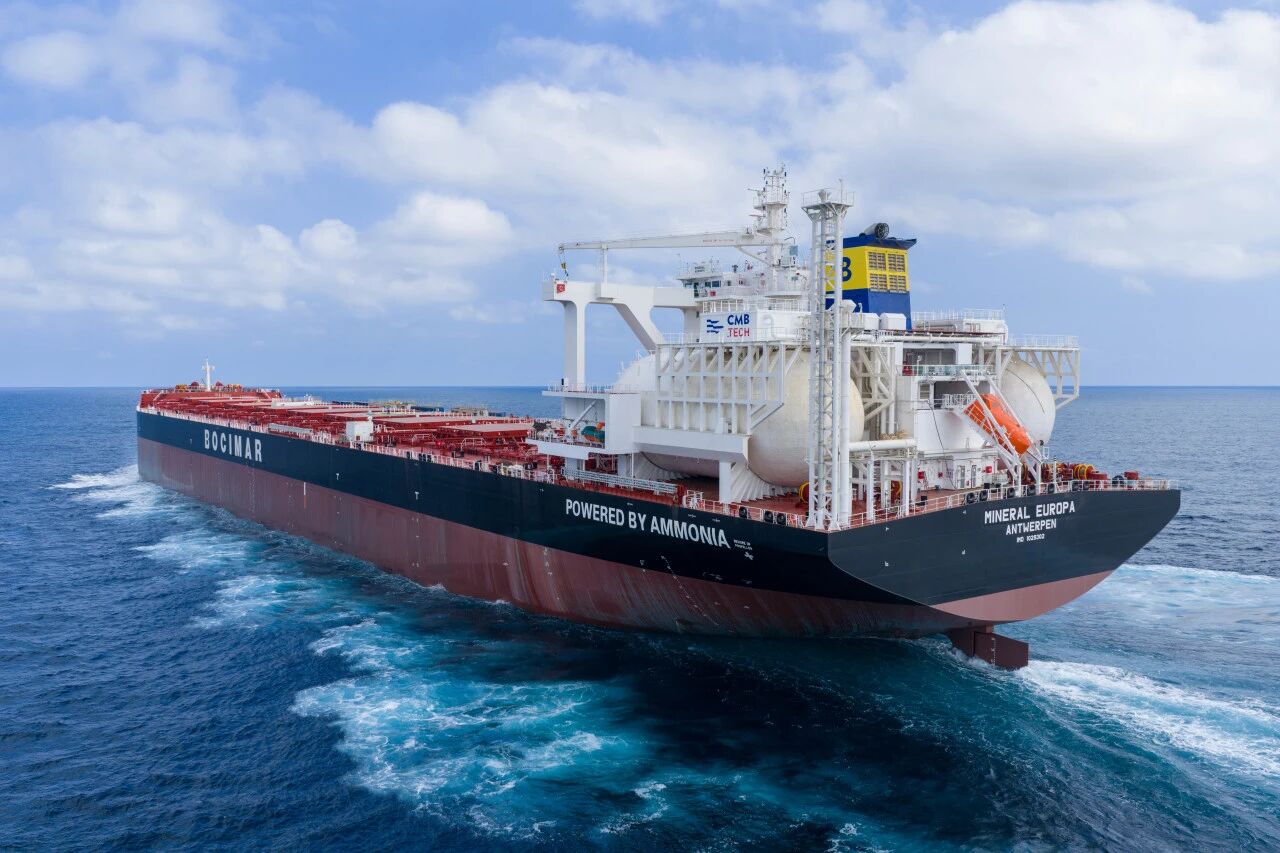
Beihai Delivers First Ammonia-Powered Bulker as Mineral Europa Sets Sail
 Sustainability
World's First Ammonia Dual-Fuel Bulker Delivered in China
 Sustainability
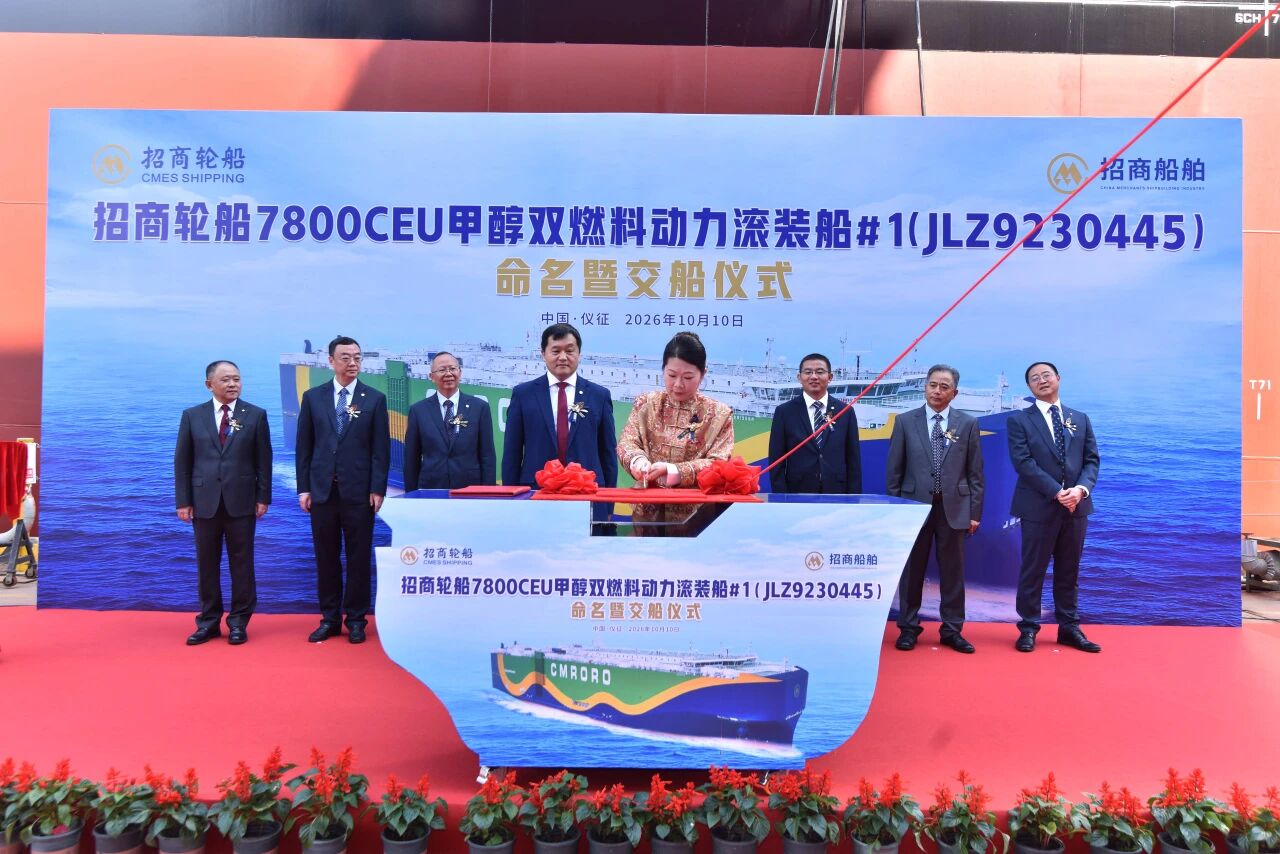
China Merchants Takes Delivery of Third Methanol Dual-Fuel Car Carrier
 Sustainability
UK & CHINA: NAVIGATING TOGETHER TOWARDS SAFER, GREENER SHIPPING
 Sustainability
India, EU launch coalition to develop green shipping corridor
 Sustainability
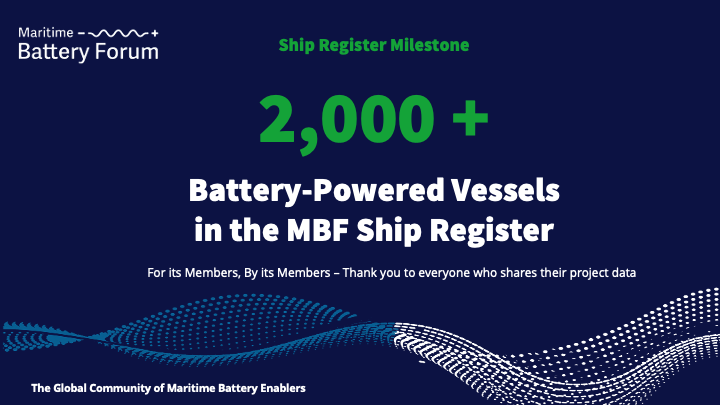
Global fleet of battery-equipped ships surpasses 2,000 vessels
 Sustainability
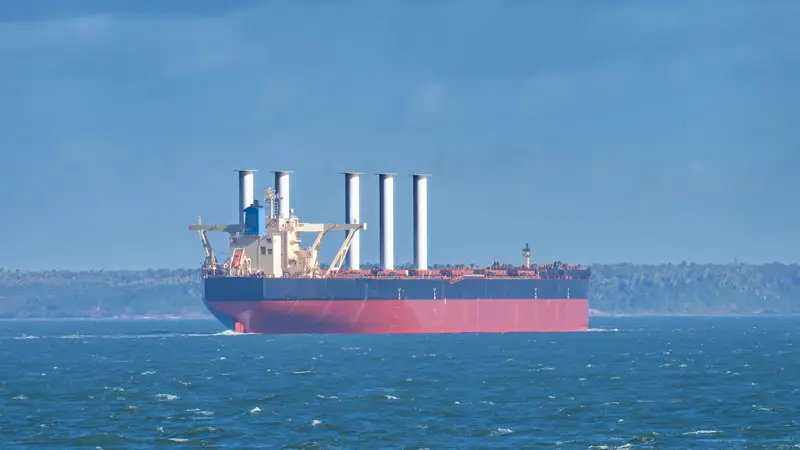
BIMCO adopts new contract addendum to ease investment in ship energy-saving retrofits
 Sustainability
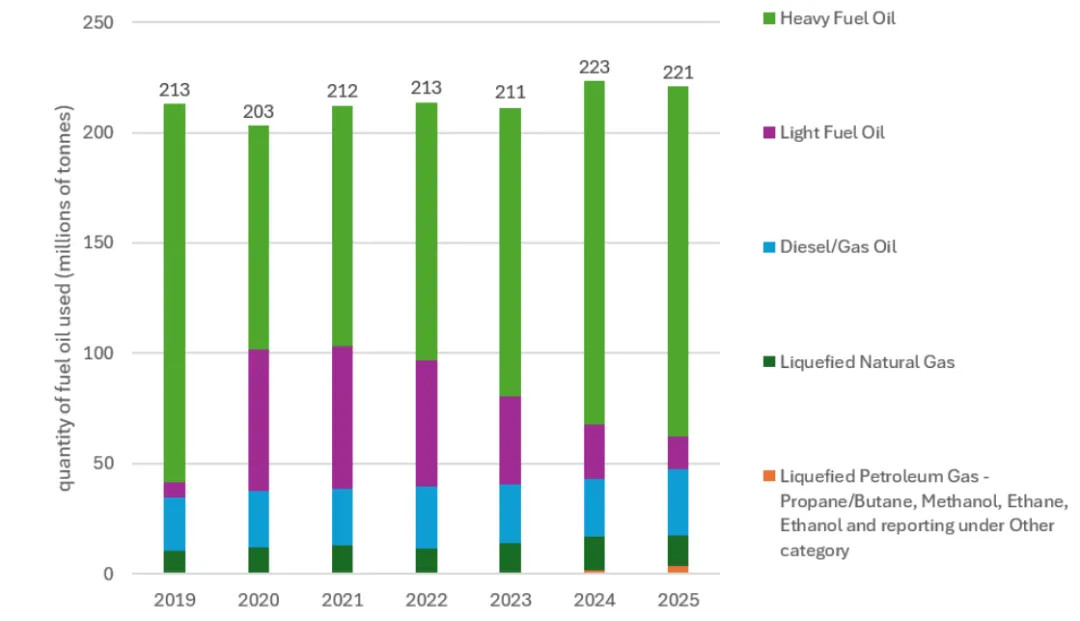
IMO Report: Ship Fuel Consumption Hits 221 Million Tonnes, Biofuel Use Surges 109%
 Sustainability