


China Merchants Takes Delivery of Methanol Dual-Fuel Car Carrier CM WUHAN
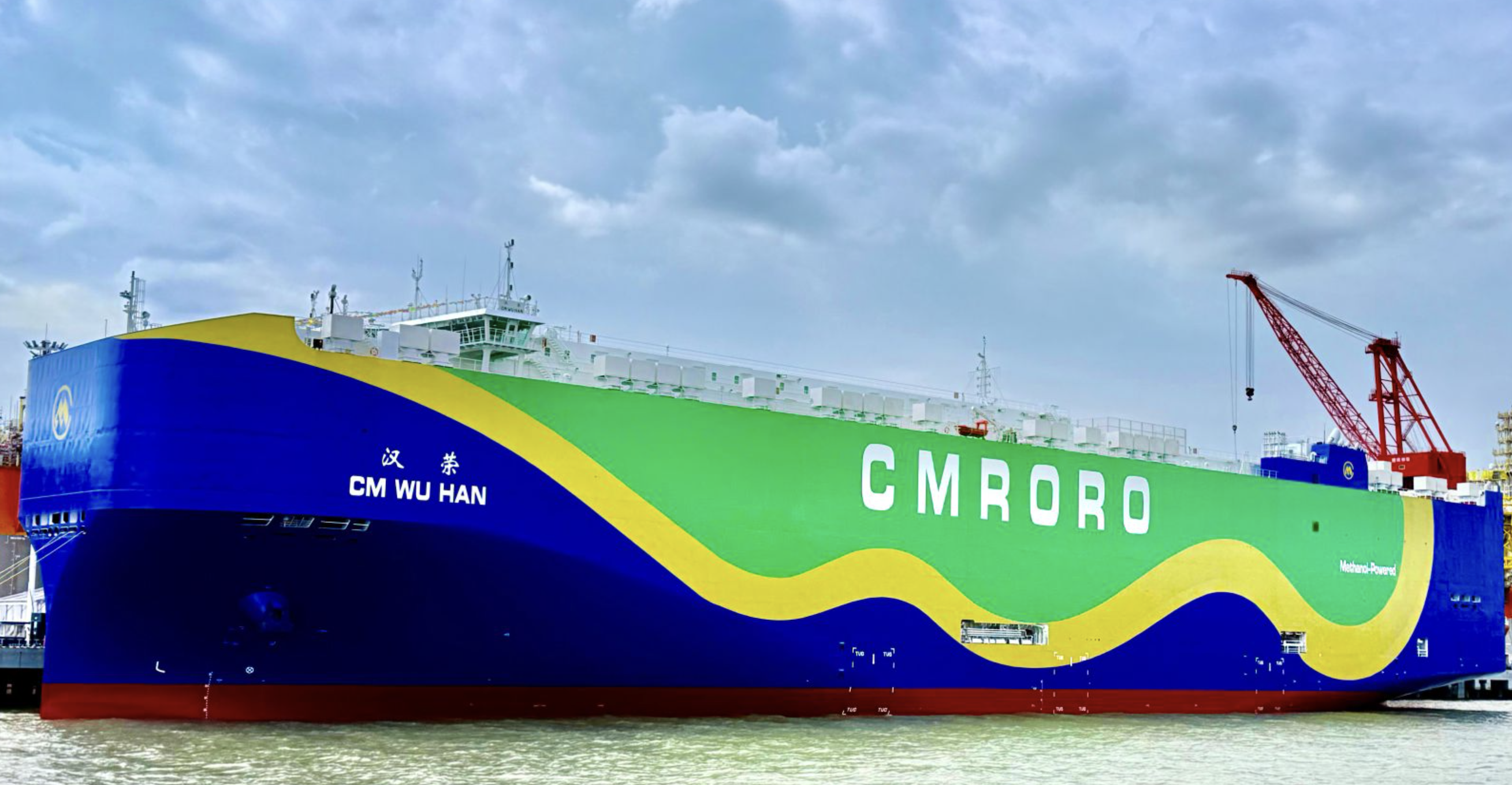

The second 7,800-CEU vessel in the series expands China Merchants’ ocean-going vehicle transport capacity, with 13 cargo decks and space for up to 8,102 vehicles.
China Merchants Energy Shipping (CMES) held a naming and delivery ceremony for its methanol dual-fuel car carrier CM WUHAN in Nantong, Jiangsu province, on October 16, 2026, adding capacity to its international vehicle transport fleet.
Known in Chinese as Han Rong, the vessel is the second 7,800-car equivalent unit (CEU) ship delivered under CMES’s construction agreement with China Merchants Shipbuilding Industry Group. It joins the fleet of China Merchants RoRo, strengthening the operator’s ability to transport vehicles on long-haul routes.
The delivery follows that of sister vessel CM GUANGZHOU, which was named and handed over in Yizheng, Jiangsu province, on October 10.
Thirteen decks and capacity for 8,102 vehicles
CM WUHAN measures 199.9 metres in length overall and 37.7 metres in beam. Its 13 vehicle decks provide a combined loading area of 67,076 square metres.
Although designated a 7,800-CEU vessel, its stated maximum capacity is 8,102 vehicles. CEU is a standardised measure used to compare car carrier capacity; the number of vehicles carried on a particular voyage depends on their dimensions, weight and loading arrangements.
Deltamarin, which provided concept, basic and detail design services, identifies the builder as China Merchants Heavy Industry (Jiangsu). The designer lists the vessel as part of a four-ship, 7,800-CEU methanol dual-fuel programme, split between the group’s Jiangsu and Nanjing shipyards.
Fuel flexibility with conditional emissions benefits
The vessel’s dual-fuel propulsion system allows it to operate on conventional marine fuel or methanol, giving the operator flexibility as alternative-fuel supplies develop.
According to the delivery announcement, operating on green methanol can reduce lifecycle greenhouse gas emissions by more than 70%. That figure represents potential savings when the specified fuel is used, rather than a reduction automatically achieved through delivery of a methanol-capable ship.
Lifecycle emissions include those associated with producing and supplying the fuel, as well as its use on board. The resulting climate benefit therefore depends on the methanol’s production pathway and carbon intensity.
CM WUHAN also meets IMO Tier III nitrogen oxide (NOx) emission standards. These requirements address air pollutants and are separate from the assessment of lifecycle greenhouse gas emissions.
For CMES, the vessel combines additional vehicle-carrying capacity with the ability to adopt lower-carbon fuel as commercially viable supplies become available. Its operational emissions performance will depend on the fuel actually bunkered and consumed.
Named by CMES leadership
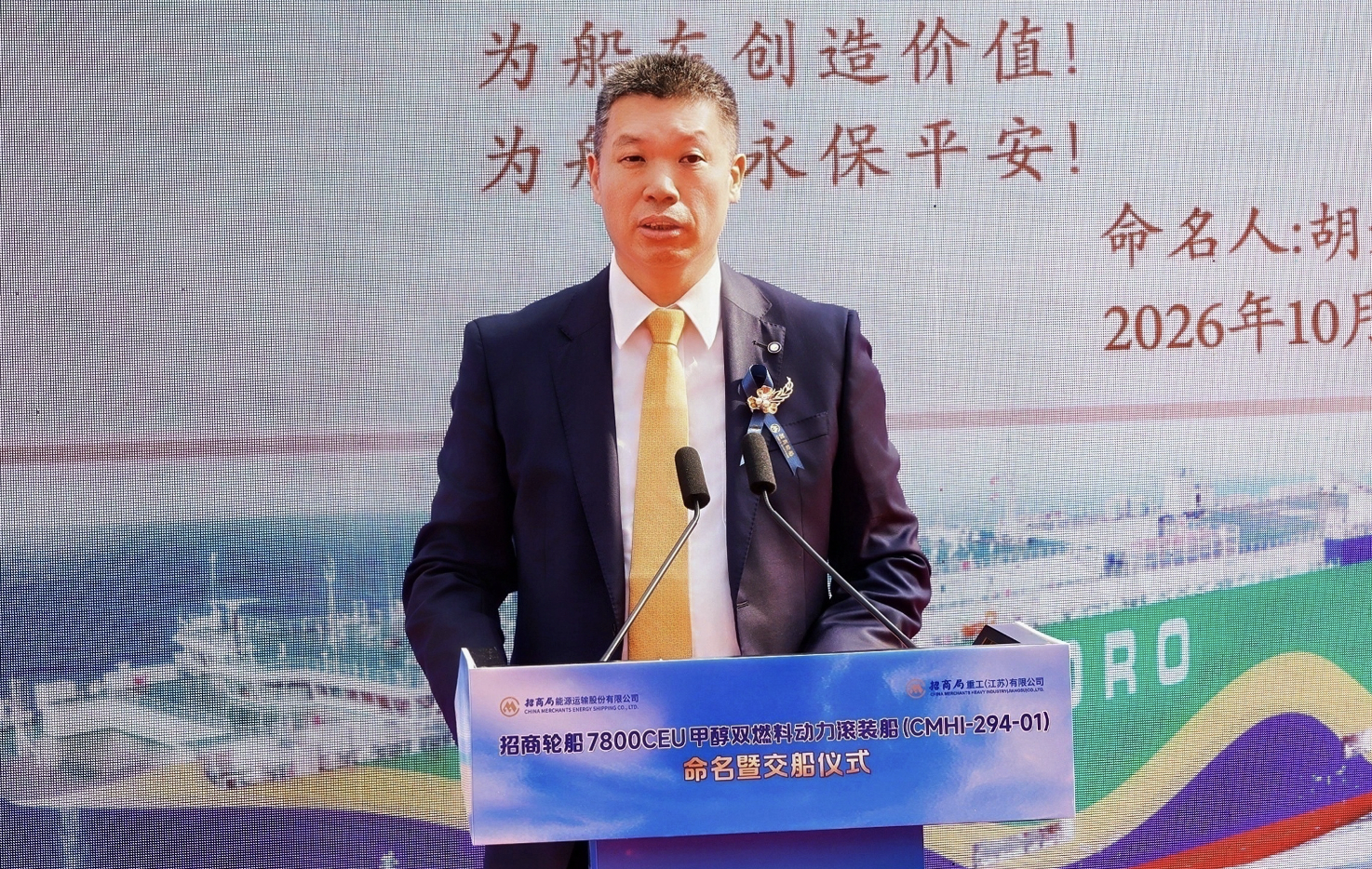
Hu Bin, vice-president and master mariner of CMES and chairman of China Merchants RoRo, named the vessel at the Nantong ceremony.
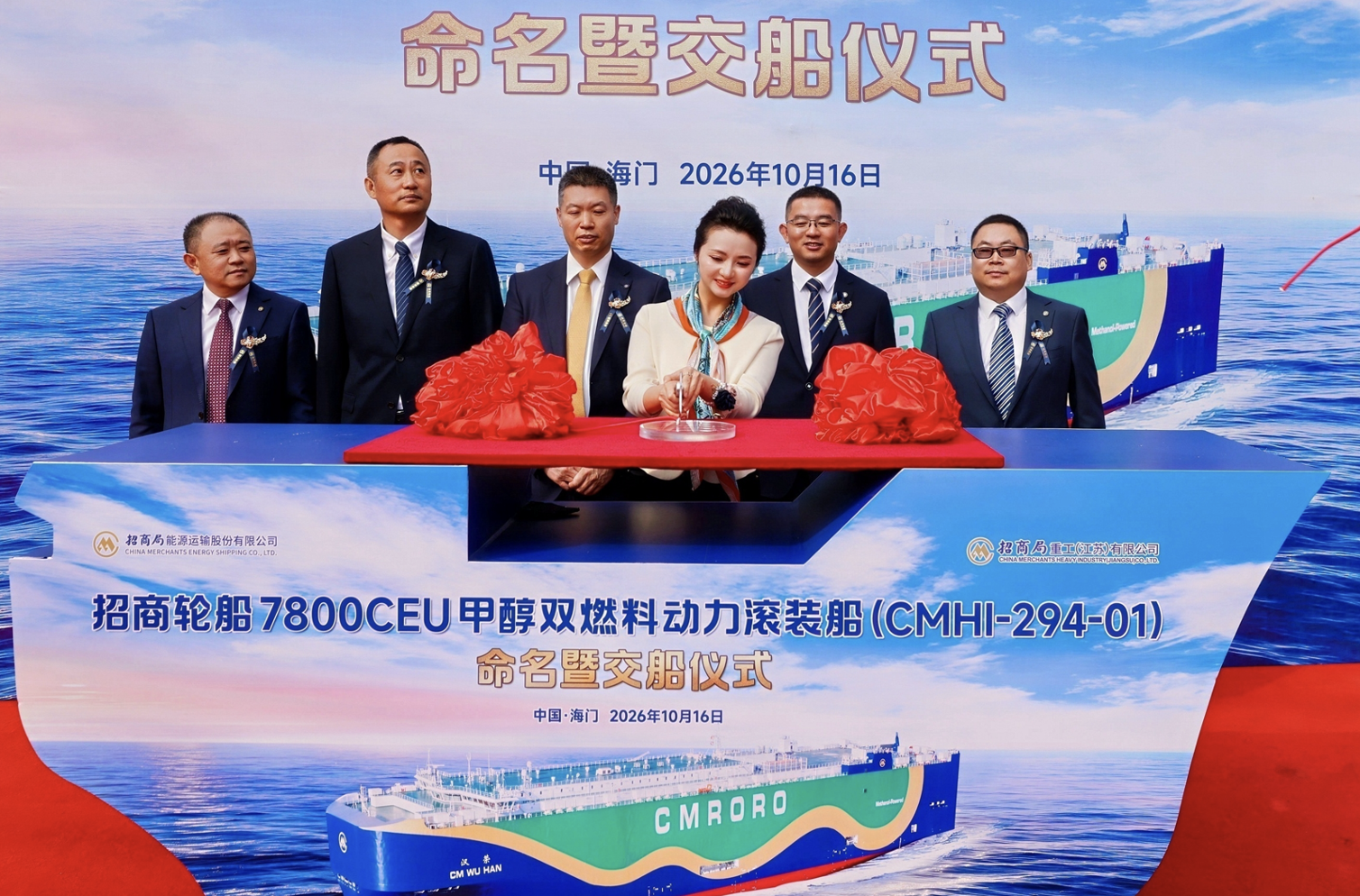
Feng Qiming, deputy general manager of the operations management department at China Merchants Shipbuilding Industry Group, served as the vessel’s godmother and performed the ceremonial ribbon cutting.
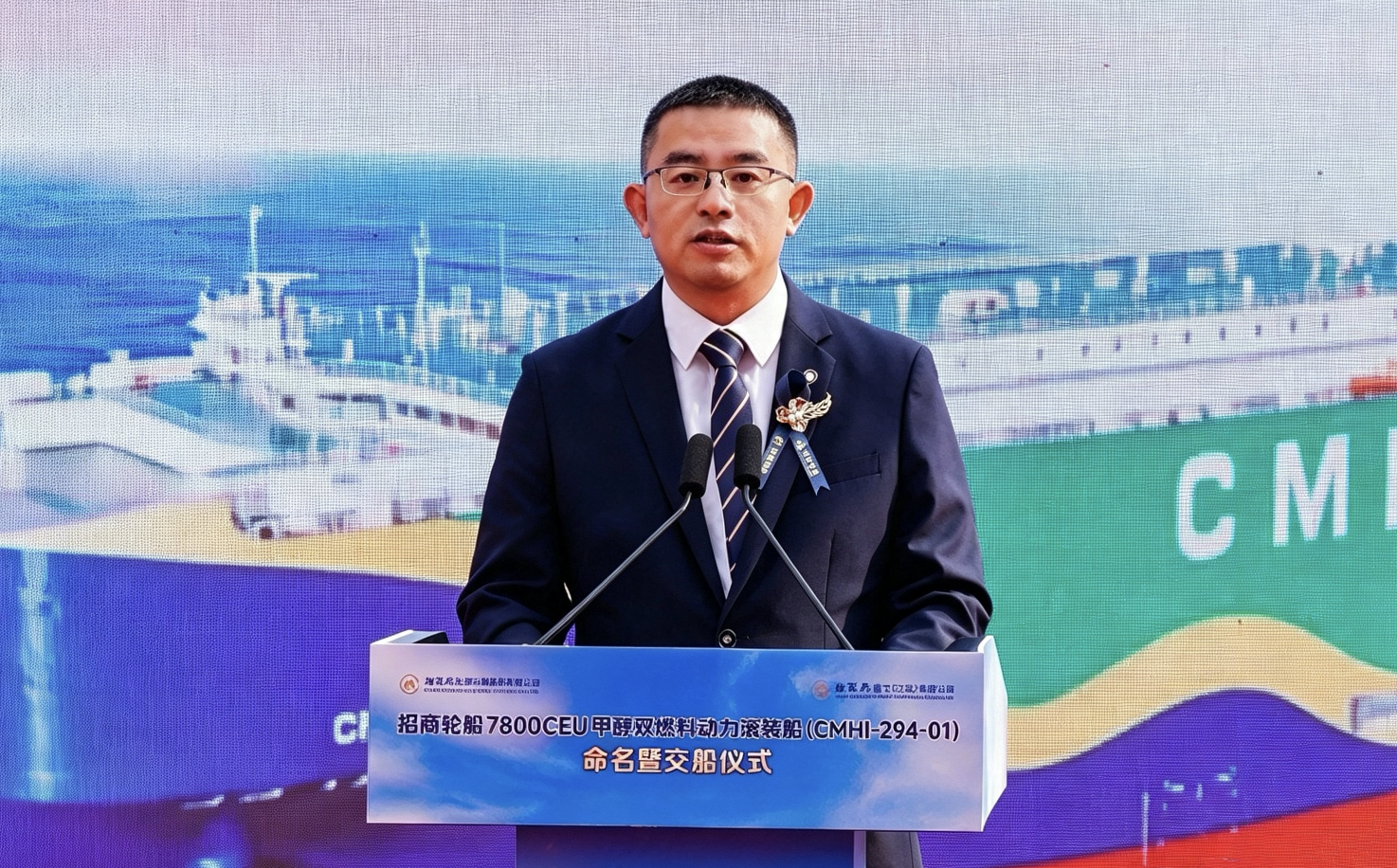
Zheng Hehui, vice-president of China Merchants Shipbuilding Industry Group, and Zou Haifeng, CMES safety director and general manager of its safety and environmental protection supervision department, attended and addressed the ceremony.
Representatives from BYD, RINA, China Classification Society, Ningbo Ocean Shipping, Ningbo Zhoushan Port, China Marine Bunker and Xinde Marine News were among the industry participants present.
The delivery gives China Merchants RoRo further capacity to support international automotive supply chains while expanding its fleet of vessels capable of using methanol.


READ MORE
 Car Carriers
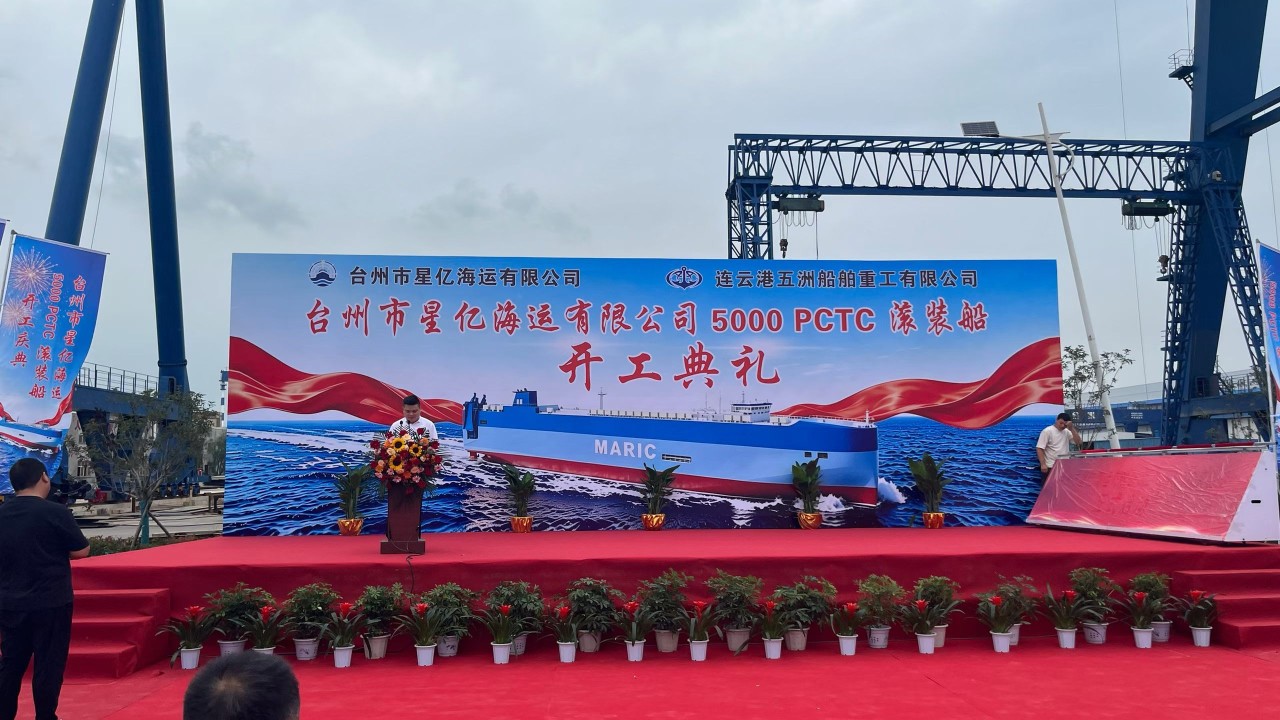
Another Chinese Shipowner Enters PCTC Market — and Another Chinese Yard Moves into 5,000-CEU Construction
 Car Carriers
Up to 26 PCTC! Höegh Autoliners Signs 6 More Aurora Car Carriers with China Merchants
 Car Carriers
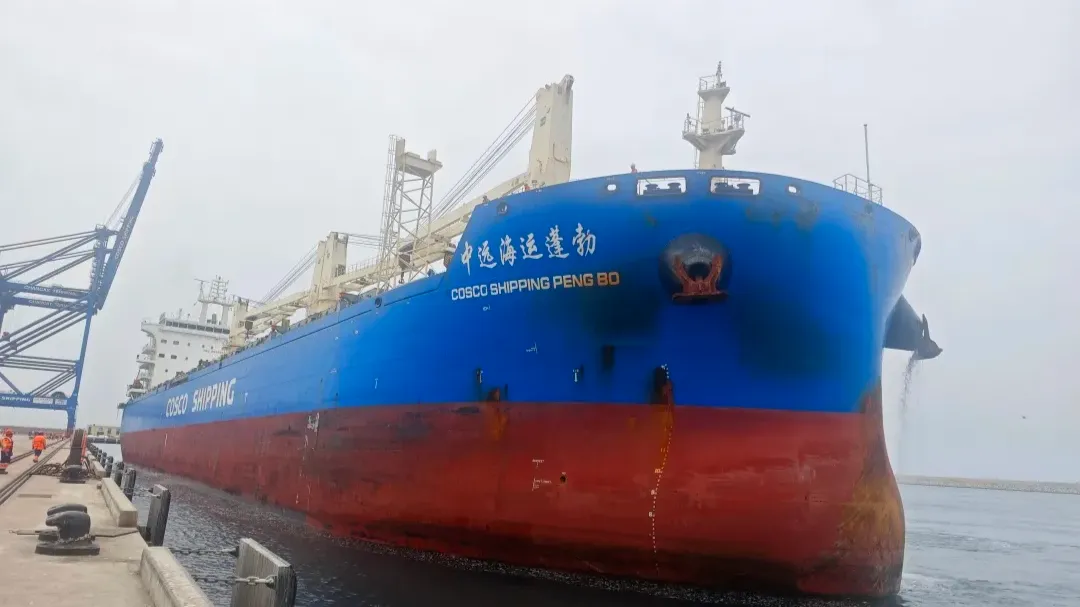
917 Chinese Vehicles Arrive at Chancay as COSCO SHIPPING Expands Rack-Based Auto Logistics
 Car Carriers
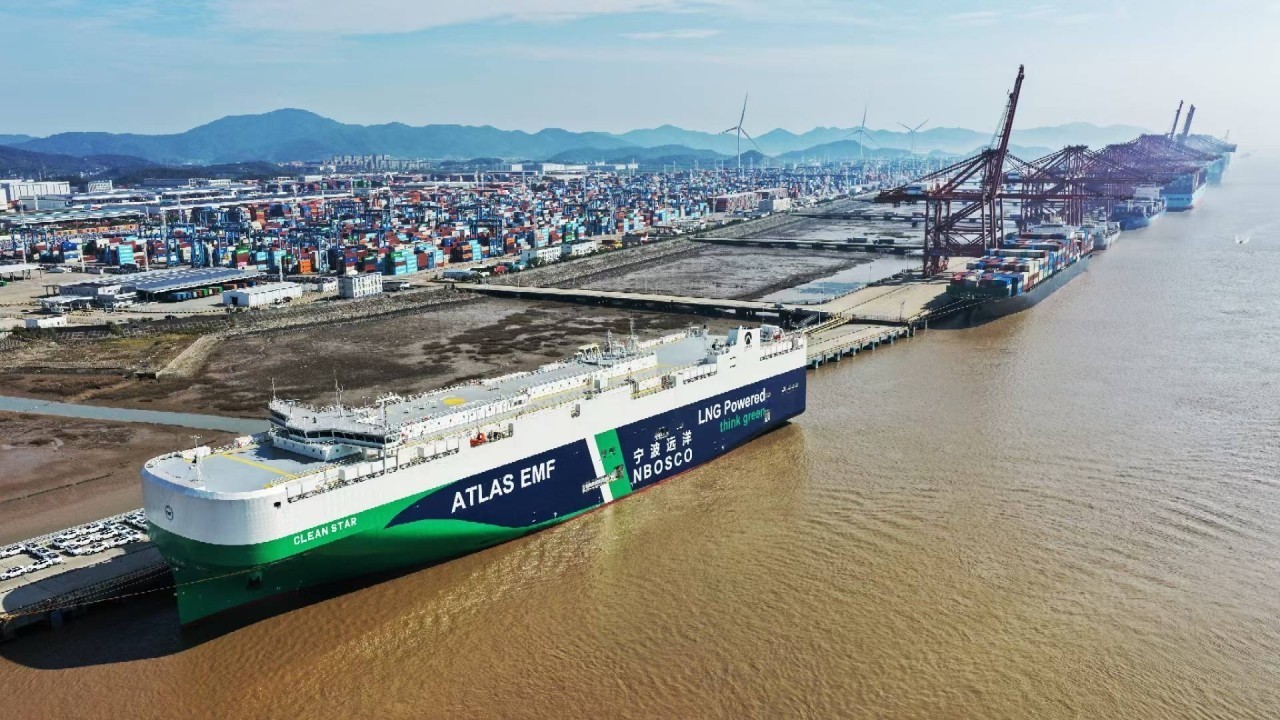
Ningbo Ocean Shipping Plans Two More PCTCs to Expand Its Car Carrier Fleet
 Car Carriers
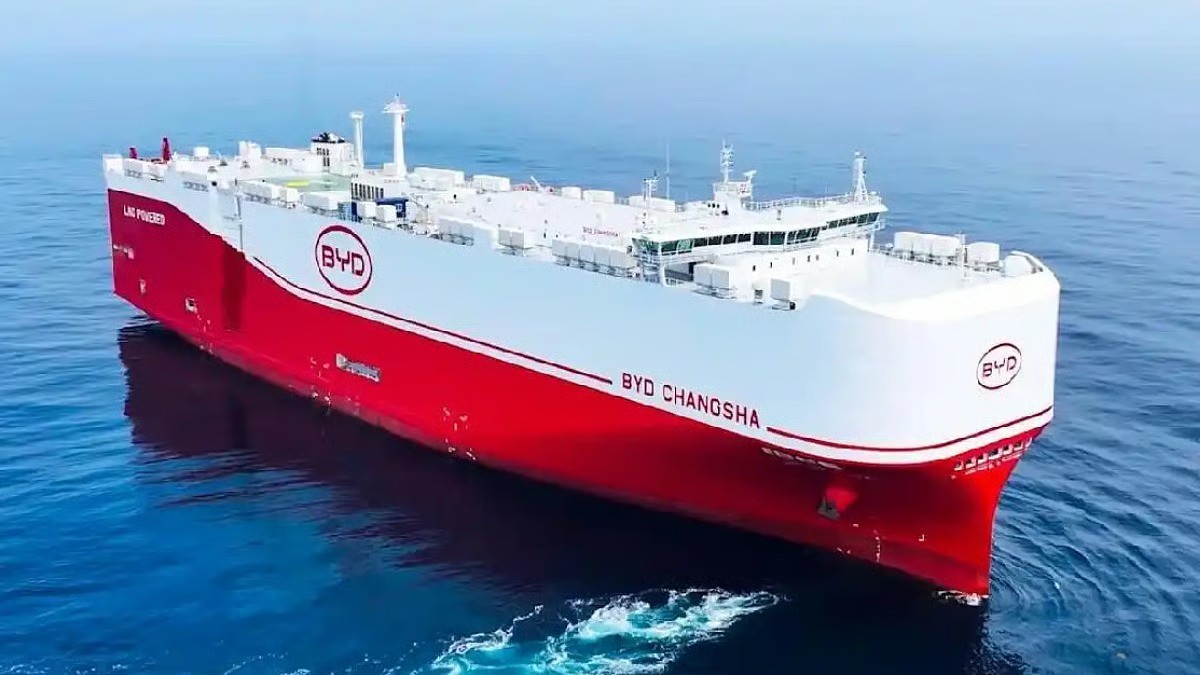
BYD Orders Another 10 x 9,200 CEU-CEU Car Carriers?
 Car Carriers
Up to 14 More PCTCs: Höegh Doubles Down on China as Aurora Programme Could Grow to 26 Ships
 Car Carriers
PCTC Are Running Short: COSCO Moves 13,052 Chery Vehicles to Europe in Containers, Tapping Boxship and Multipurpose Vessel Networks
 Car Carriers
Ningbo Ocean Shipping Officially Enters the Car Carrier Market
 Car Carriers