


NYK and K LINE plan four ammonia-fuelled car carriers for 2030


A seven-company initiative couples new vessels with Japanese bunkering infrastructure, supported by a separate agreement for around 70,000 tonnes of Indian green ammonia a year.
NYK and Kawasaki Kisen Kaisha (“K” LINE) have joined five other Japanese companies in a plan to build and operate four ammonia-fuelled car carriers alongside the infrastructure needed to supply their fuel.
Announced on 27 October 2026, the project envisages two ships for each operator, scheduled for completion in 2030. They are expected to transport finished vehicles for customers including Toyota Motor Corporation. A dedicated ammonia bunkering vessel is due to be completed the same year.
Ships designed for trans-Pacific voyages
Shin Kurushima Dockyard will lead the basic design work, with Imabari Shipbuilding and Nihon Shipyard joining it in designing and building the car carriers.
The ships will have dual-fuel engines and tanks sized to carry sufficient ammonia for a trans-Pacific voyage using that fuel alone, according to the joint announcement. Vehicle capacity, engine suppliers and detailed shipbuilding contract terms were not disclosed.
Indian green ammonia supply takes shape
In a separate announcement on 27 October, Japanese energy company JERA said it had signed a binding heads of agreement with AM Green Ammonia (India) Private Limited for approximately 70,000 tonnes of green ammonia annually over five years, with scope for an extension.
Supply would come from AM Green’s Kakinada facility in Andhra Pradesh, India, which is scheduled to begin operating in 2028–2029. The project plans to use renewable electricity, supported by pumped-storage hydropower, to produce the fuel.
JERA said the ammonia would primarily serve the fuel-sales joint venture planned by NYK and K LINE. The announced volume is the supply covered by the agreement; it was not identified as the four ships’ total annual fuel requirement. Pricing was not disclosed.
Bunkering network centred on Japanese ports
NYK and K LINE plan to establish a 50:50 joint venture to sell and supply ammonia through ship-to-ship bunkering, principally at Nagoya and Mikawa in central Japan.
JERA will develop new loading facilities at the ammonia terminal beside its Hekinan Thermal Power Station in Aichi Prefecture, allowing fuel to be transferred to the bunkering vessel.
Kyokuyo Shipyard will design and build that vessel, which will be owned and operated by NYK or a wholly owned subsidiary. It will transfer fuel to ships at berth or at anchor.
To address ammonia’s toxicity and corrosiveness, the partners plan leak prevention, detection and neutralisation measures on the car carriers, together with protective equipment on the bunker vessel. Detailed system specifications and validation results were not included in the announcement.
Commercial viability and emissions
The structure puts NYK and K LINE on both sides of the fuel transaction: as operators of the ships consuming ammonia and investors in the business supplying it. That gives the proposed bunkering network an initial customer base, while giving the ships a defined supply route.
Commercial operation will depend on ship deliveries, upstream fuel production and port infrastructure progressing together. Fuel costs and customers’ willingness to pay for the resulting transport service will also shape the business case.
The emissions benefit will depend on more than the choice of fuel. Although ammonia itself releases no carbon dioxide when burned, the International Maritime Organization’s lifecycle framework assesses emissions from fuel production through to use aboard ship, including carbon dioxide, methane and nitrous oxide. Production methods, certification and measured onboard emissions will therefore be central to assessing the project’s climate performance.
The announcements did not disclose total project investment, complete newbuilding contract details or quantified lifecycle emissions savings. Those omissions limit an assessment of the proposed service’s cost and environmental performance.

READ MORE
 Car Carriers
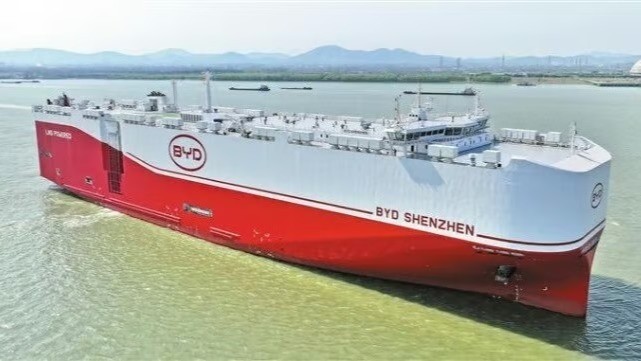
BYD Has Bought another 10 More Ships, Says Stella Li,Executive Vice President of BYD
 Car Carriers
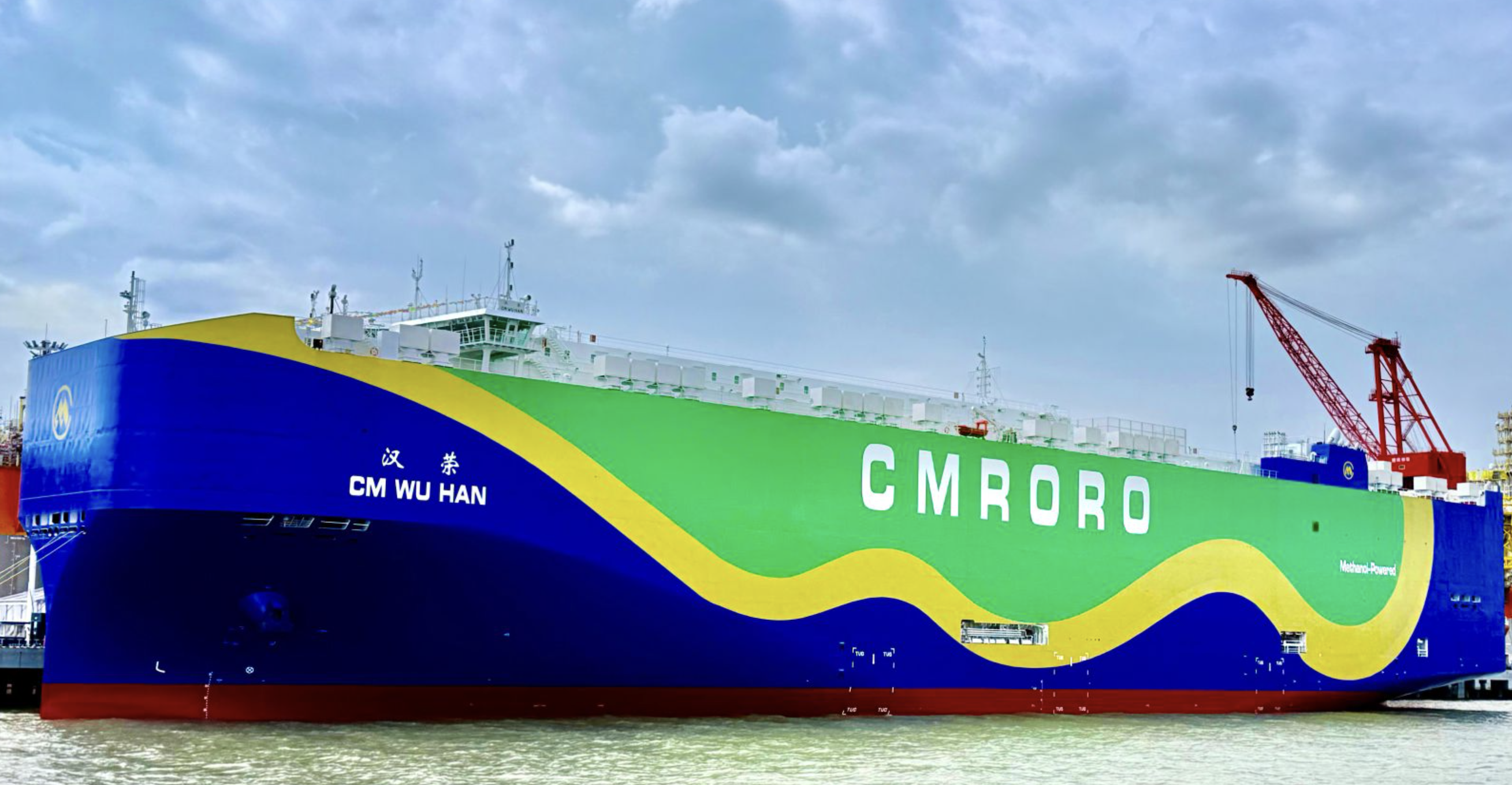
China Merchants Takes Delivery of Methanol Dual-Fuel Car Carrier CM WUHAN
 Car Carriers
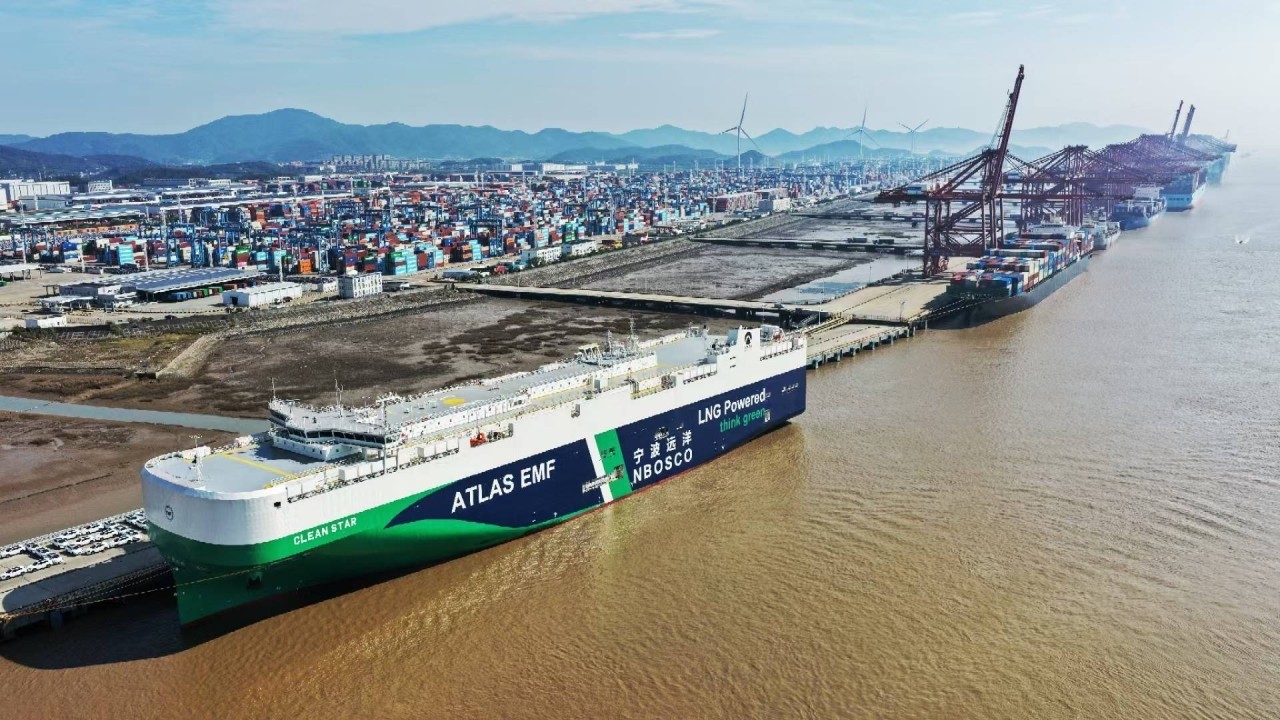
Ningbo Ocean Shipping Plans Two More PCTCs to Expand Its Car Carrier Fleet
 Car Carriers
GCC takes car carrier orderbook to 22 with Changhong deal
 Car Carriers
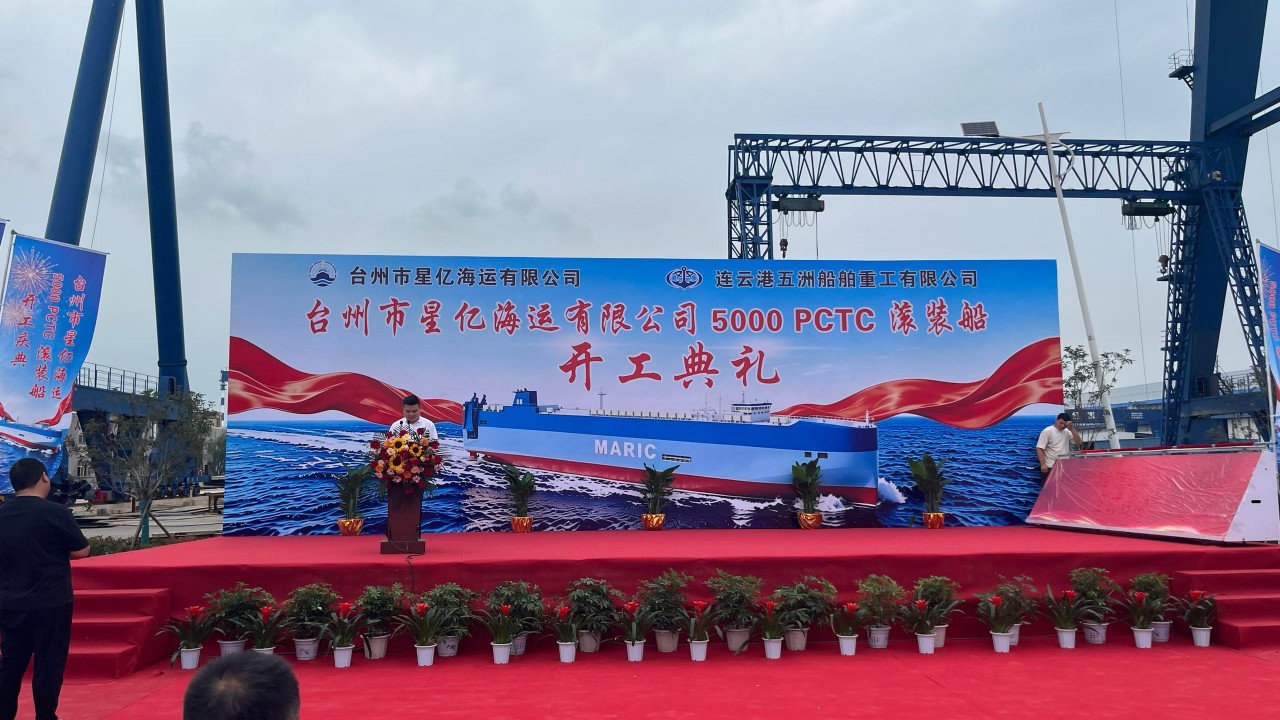
Another Chinese Shipowner Enters PCTC Market — and Another Chinese Yard Moves into 5,000-CEU Construction
 Car Carriers
Up to 26 PCTC! Höegh Autoliners Signs 6 More Aurora Car Carriers with China Merchants
 Car Carriers
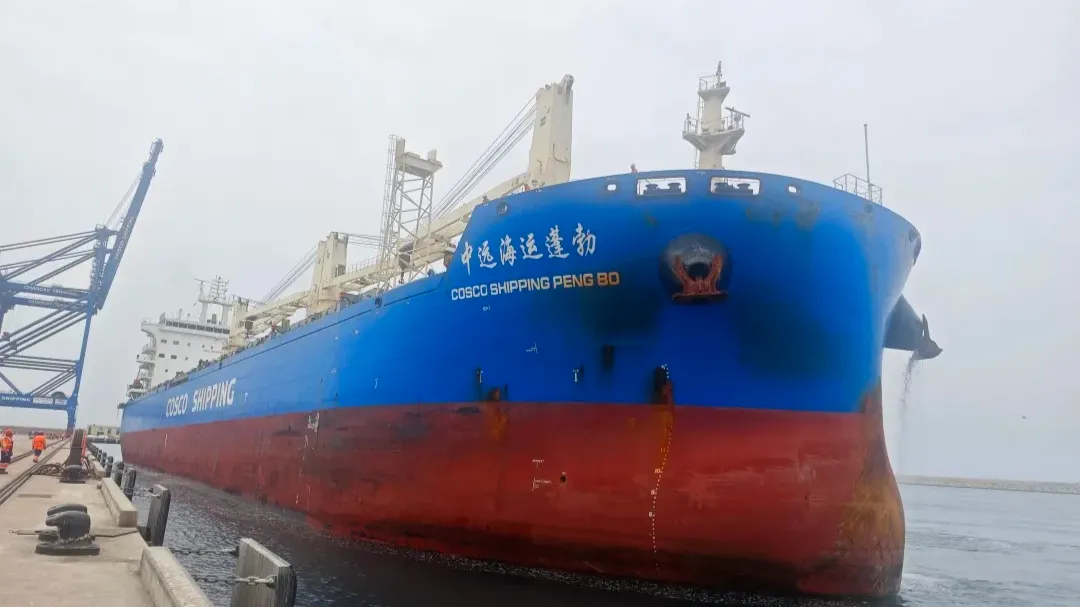
917 Chinese Vehicles Arrive at Chancay as COSCO SHIPPING Expands Rack-Based Auto Logistics
 Car Carriers
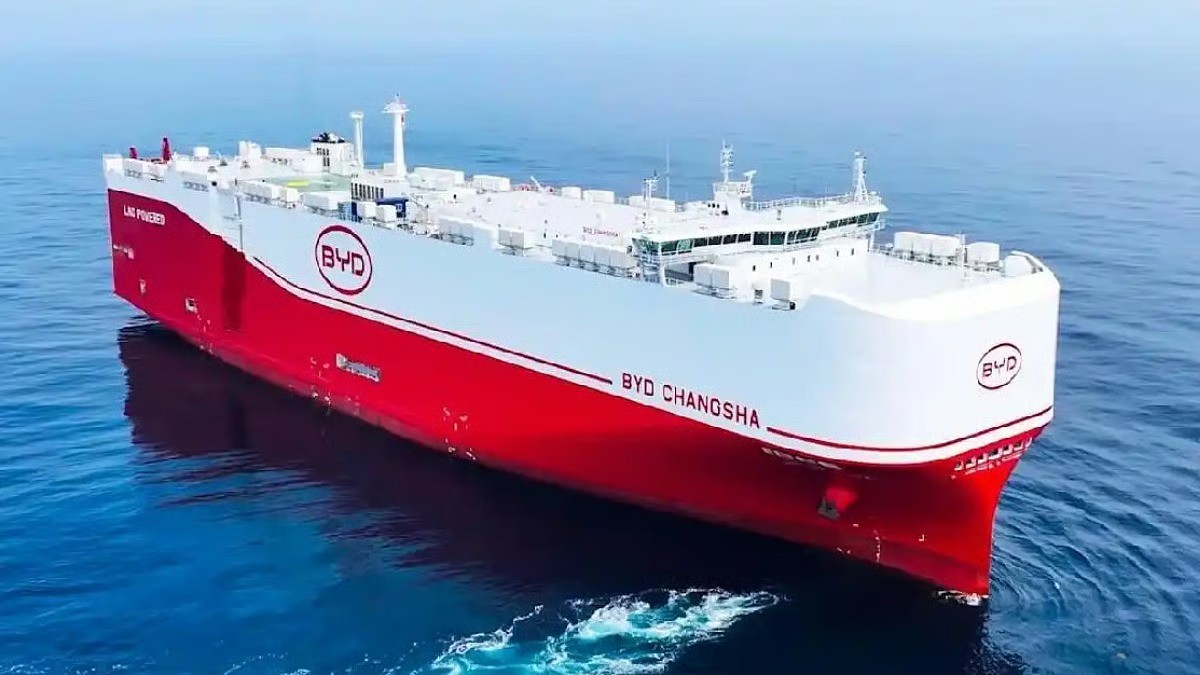
BYD Orders Another 10 x 9,200 CEU-CEU Car Carriers?
 Car Carriers
Up to 14 More PCTCs: Höegh Doubles Down on China as Aurora Programme Could Grow to 26 Ships
 Car Carriers