


In this Chaos world,How Can Your Shipping Company Weather the Next Storm?
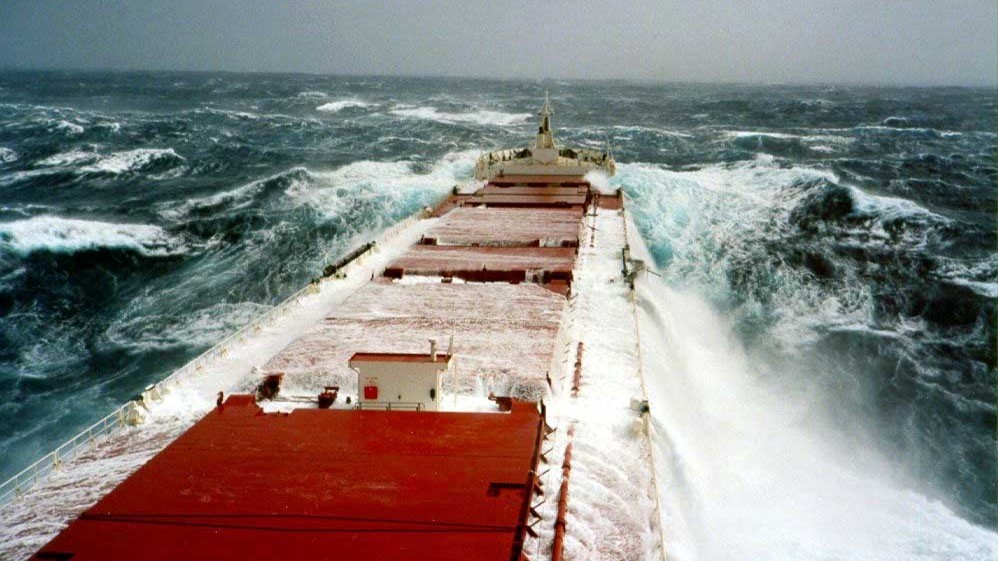
The rougher the seas, the higher the price of the catch. But can the vessel make it home?
By Chen Yang | Xinde Marine News
Freight rates are high, vessel prices are elevated and investment plans are expanding. At the same time, shipping companies face wars, sanctions, disrupted waterways, changing trade policies and growing uncertainty over fuels and regulation. The same conditions that create exceptional earnings can also interrupt operations or leave an expensive investment exposed when the market turns.
More profit on the balance sheet does not automatically make a company safer. A larger fleet does not necessarily make it better equipped for the next disruption.
Across recent discussions at the Capital Link forum in London and Splash Singapore , as well as interviews conducted at the Xinde Marine London Forum, executives returned to a common question: when past experience can no longer explain the future reliably, what allows a shipping company to keep operating?
Their answers ranged from reducing debt and retaining cash to securing long-term charters, building customer relationships, owning strategic tonnage and shortening decision-making cycles. Together, they recall an analogy Xinde Marine News has used before: a shipping company is itself a vessel navigating the market.
It needs a strong hull to withstand repeated shocks. It needs a reliable engine to keep generating business and cash. And it needs a captain who can read changing conditions, choose a course and turn in time. Weak finances can prevent a sound strategy from surviving long enough to succeed. Without customers and a viable business model, even a large cash reserve will eventually run down. If management reacts too slowly, good assets can remain in the wrong market.
Rougher seas may make the catch more valuable. The first test is whether the vessel can bring it home.
Read the weather before chasing the rate
Shipping has an unusual relationship with disruption. When supply chains become less efficient, transport earnings can rise. Rerouting lengthens voyages, trade restrictions change sourcing patterns and congestion delays vessel turnaround. Moving the same quantity of cargo then requires more ships and more time. Effective capacity tightens, sometimes rapidly, even if the nominal fleet has not changed.
At the “Energy Security and Shipping” panel in London, Carlos Balestra di Mottola , CEO of d’Amico International Shipping, described how changes in energy trade can simultaneously extend voyages and leave vessels in the wrong places. When export opportunities emerge in one region without enough ships nearby, cargo interests may pay a high rate to secure prompt transportation. Owners with suitable vessels in the right position can benefit.

The same event can have a very different effect on another company. Its vessels may be delayed or trapped, costs may rise and existing customers may struggle to perform. Strong earnings across a market segment say little about whether a particular owner can complete a voyage profitably and collect payment. The useful questions are more specific: Which ships can actually be deployed? Which voyages can be completed? Will the additional revenue cover the additional costs?
Owners must also resist extending crisis-driven rates indefinitely into their investment assumptions. Harrys Kosmatos , CFO of TEN, has suggested that rebuilding commercial inventories and strategic reserves could generate transport demand after a disruption. Yet the reopening of routes could shorten voyages, reduce waiting times and release capacity previously tied up. Restocking demand, newbuilding deliveries and a recovery in fleet efficiency may all affect the market at around the same time.

A company therefore needs to prepare for both a prolonged disruption and its eventual easing. If an investment works only while exceptional freight rates persist, it leaves little room for the weather to change.
The hull: financial strength determines how long a company can hold out
For a shipping company, the hull begins with its balance sheet and liquidity. Vessel values provide an asset base, but cash pays operating expenses. Debt maturities determine when the company must prove that it can keep paying. High asset prices can obscure these distinctions in a strong market. They become harder to ignore when earnings and valuations fall together.
Carlos spoke in London about d’Amico’s long process of reducing debt. His point was direct: a company must survive the downturn to benefit from the next good market. Crews, maintenance, insurance, drydockings and financing still have to be paid for while freight rates fall. Receipts can be delayed; many obligations cannot.
Financial resilience must therefore be tested against actual payment dates, not just the current market value of the fleet. An owner of valuable ships can still face a cash shortage that forces a sale. Even moderate leverage may become difficult to manage if newbuilding instalments, loan repayments and major drydockings fall due together. A stress test needs to consider lower rates, lower vessel values and tighter financing at the same time.
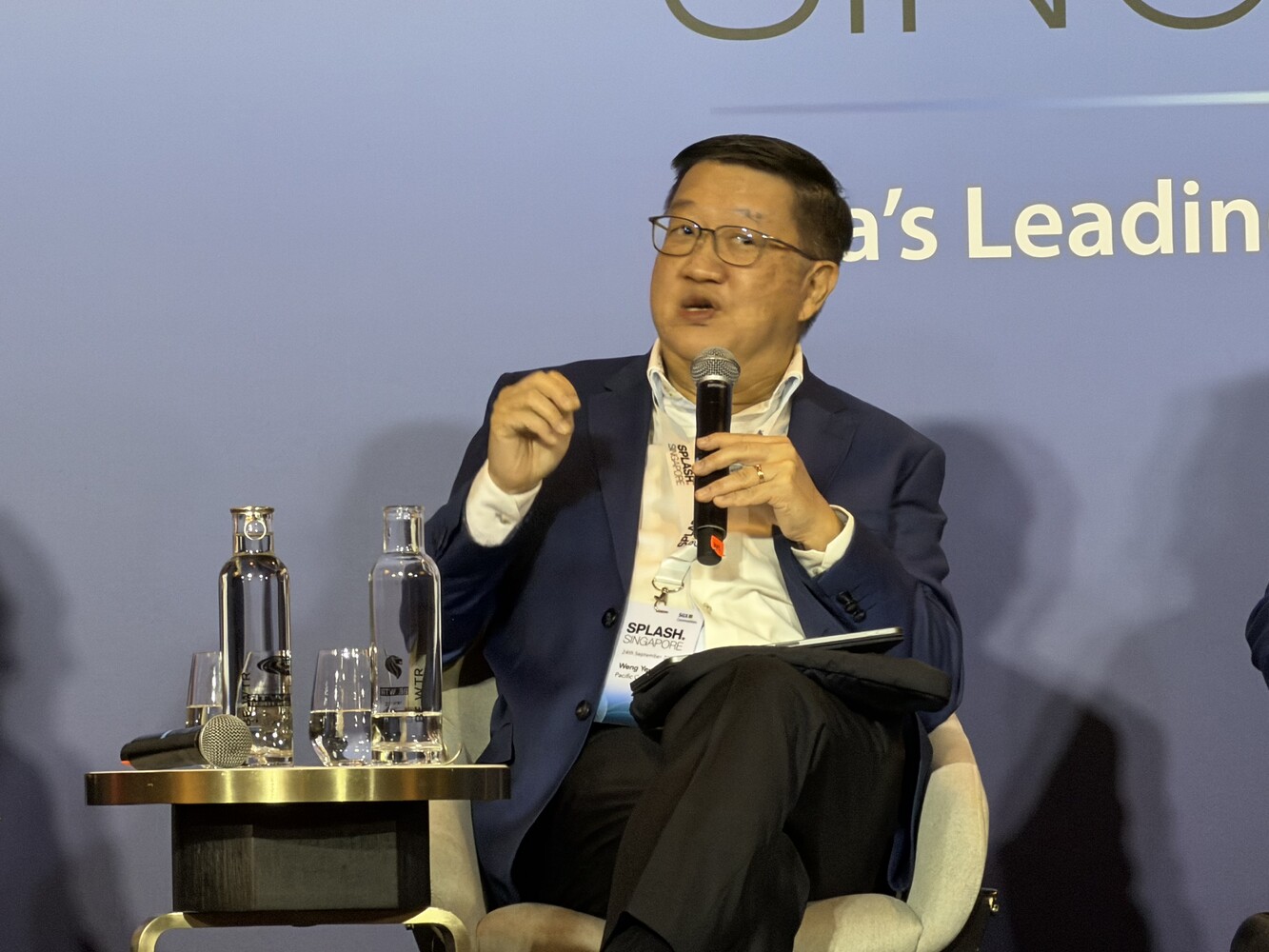
At Splash Singapore, Weng Yew Hor , Managing Director and CEO of Pacific Carriers Limited , framed the problem through three questions: How much can the company afford to lose? For how long? And what other opportunities does it give up by committing capital to this investment? A market call can ultimately prove correct while the investor runs out of time or money before it pays off.
Nick Potter, President and CEO of AET, warned that strong freight markets can also weaken cost discipline. Rising revenue makes higher procurement, maintenance and management costs easier to absorb. Once those costs become part of the operating base, they raise the amount the company needs to earn each day in the next downturn.
At a London panel on capital allocation, @Andrian Dacy of J.P. Morgan Asset Management offered another option for owners with established fleets and substantial cash: repay debt, retain liquidity or place some capital outside shipping. Cash generated by ships does not have to be spent on more ships. Reducing fixed obligations and preserving the ability to buy later can be valuable decisions for an owner already heavily exposed to the shipping cycle.

A strong hull is built while conditions are favourable. Management should know how much of its cash is already committed, how much remains available and which funding sources would still be there if the market weakened. That financial room determines whether the company can choose its next move when a shock arrives.
The engine: customers and contracts must keep cash flowing
A strong hull helps a company endure a storm. Its engine keeps it moving. That engine consists of real customer demand, contracts that can be performed and a business model that earns a return after costs.
Zhongyi (John) Su , Chairman and CEO of Erasmus Shipinvest Group , stressed at Splash Singapore that expanding into more vessel types must not dilute the company’s standards for choosing charterers. Bulk carriers, feeder containerships and gas carriers serve different markets, but every additional ship raises the same questions: Who will use it? Why will that customer choose this vessel? Can the customer keep paying?

Erasmus also distinguishes between the risks appropriate for different assets. An older ship with limited debt can take greater exposure to the spot market. A newer vessel carrying financing obligations may need more stable charter income. The right balance between period cover and spot exposure depends on the debt, costs and commercial prospects of each ship.
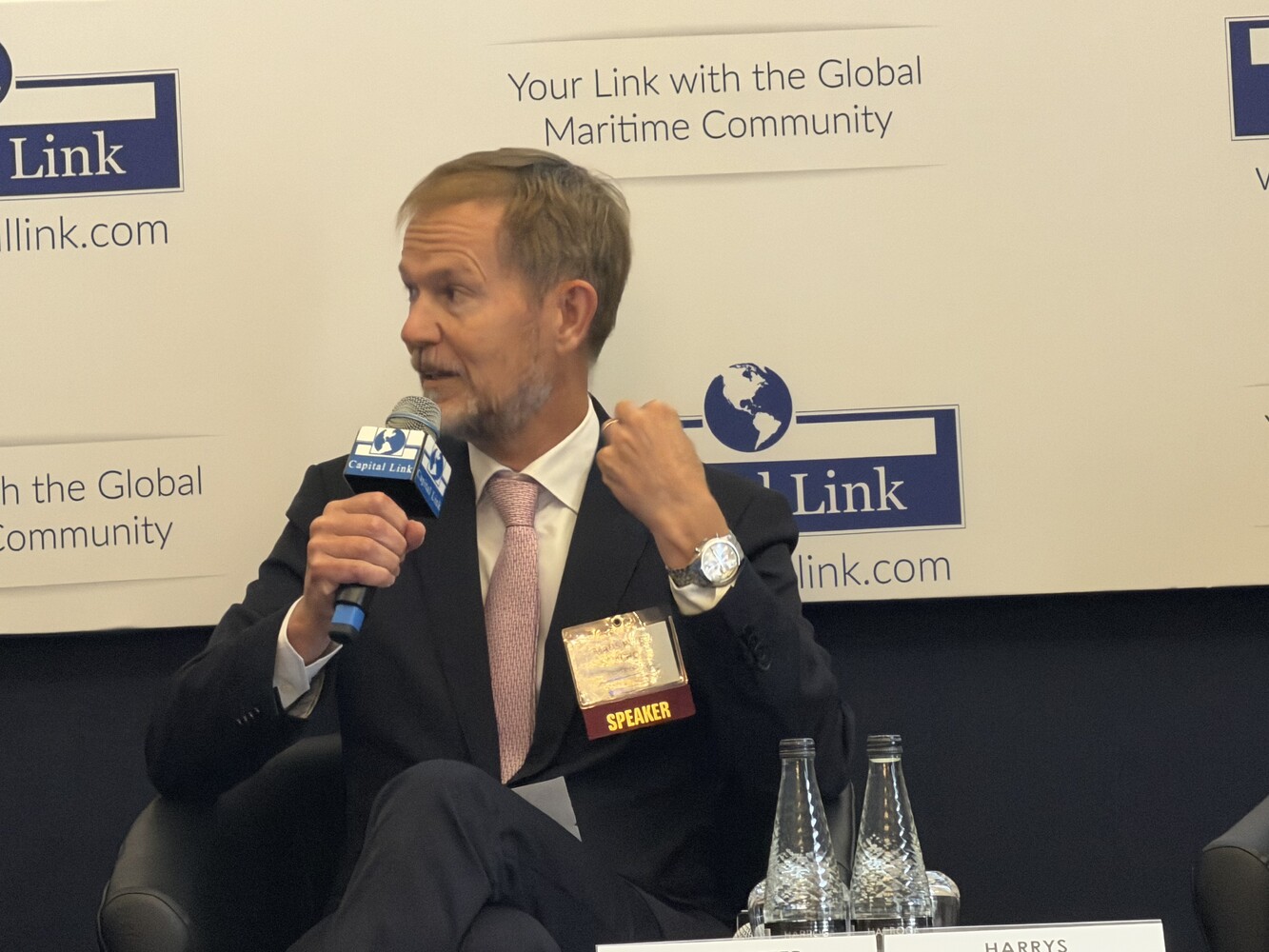
In London, John Wessel , Managing Director of Oldendorff Carriers GmbH & Co. KG Overseas Investments, described four newbuildings scheduled for delivery in 2028–2029 with charter coverage of five to seven years. Kosmatos discussed TEN’s use of different vessel types, charter durations and profit-sharing provisions in some contracts to combine an income floor with participation in stronger markets. Both approaches address a question of timing: when an asset and its debt will exist for years, which periods of its life most need revenue protection?

Energy-security concerns are bringing some customers into these discussions earlier. Carlos said certain oil companies are already considering ships that will not be delivered until 2029 or 2030 and have expressed interest in charters lasting five to seven years. Discussions can extend to vessel specifications, management standards and efficiency. Understanding a customer’s future transport needs can give an owner a stronger basis for investment.
Interest, however, still has to become a signed agreement. Mads Peter Zacho , CEO of Navigator Gas, noted the gap between charterers’ desire to secure long-term capacity and their willingness to lock in long-term rates at today’s high levels.
The quality of a contract matters as much as its duration. A long charter does not remove counterparty risk. The charterer’s financial position, cost allocation, performance terms and ability to adapt to change all affect the cash flow an owner can ultimately rely on. Placing most of a fleet with one customer may reduce spot-market exposure while creating a different concentration risk.
Hor argued that owners should decide which risks they are prepared to assume and discuss the rest with their customers. Owners understand assets and operations; charterers may have a clearer view of future cargo flows, trading areas and fuel needs. Long-term technology choices and fuel economics require a workable allocation of risk between them.
Reliable customer relationships help an owner detect changes early, develop transport solutions and resolve problems when conditions deteriorate. Fleet growth must be matched by growth in customer access, service capability and the people needed to operate each new line of business.
Leave room to turn
Zacho described resilience as a combination of financial strength and the ability to adjust operations. For a small or medium-sized gas-carrier operator, that may mean moving a technically suitable ship between cargoes, customers or trading areas when demand for one product weakens.
Such flexibility must be built before it is needed. Cargo capability depends on vessel design and equipment; using it commercially requires trained crews, management experience and customer relationships. A design that leaves room for future fuel conversion also has to be assessed against conversion cost, fuel availability and commercial demand. An option on paper becomes valuable when a company can put it into practice.
Seaspan CEO Bing Chen has similarly emphasised the long-term adaptability of vessels, including fuel flexibility, retrofit potential and diversified financing. He has also pointed out that the resilience of a long-term charterer affects an owner’s cash flow. A ship’s future value depends in part on whether it can continue to meet the needs of customers and financiers as conditions change.
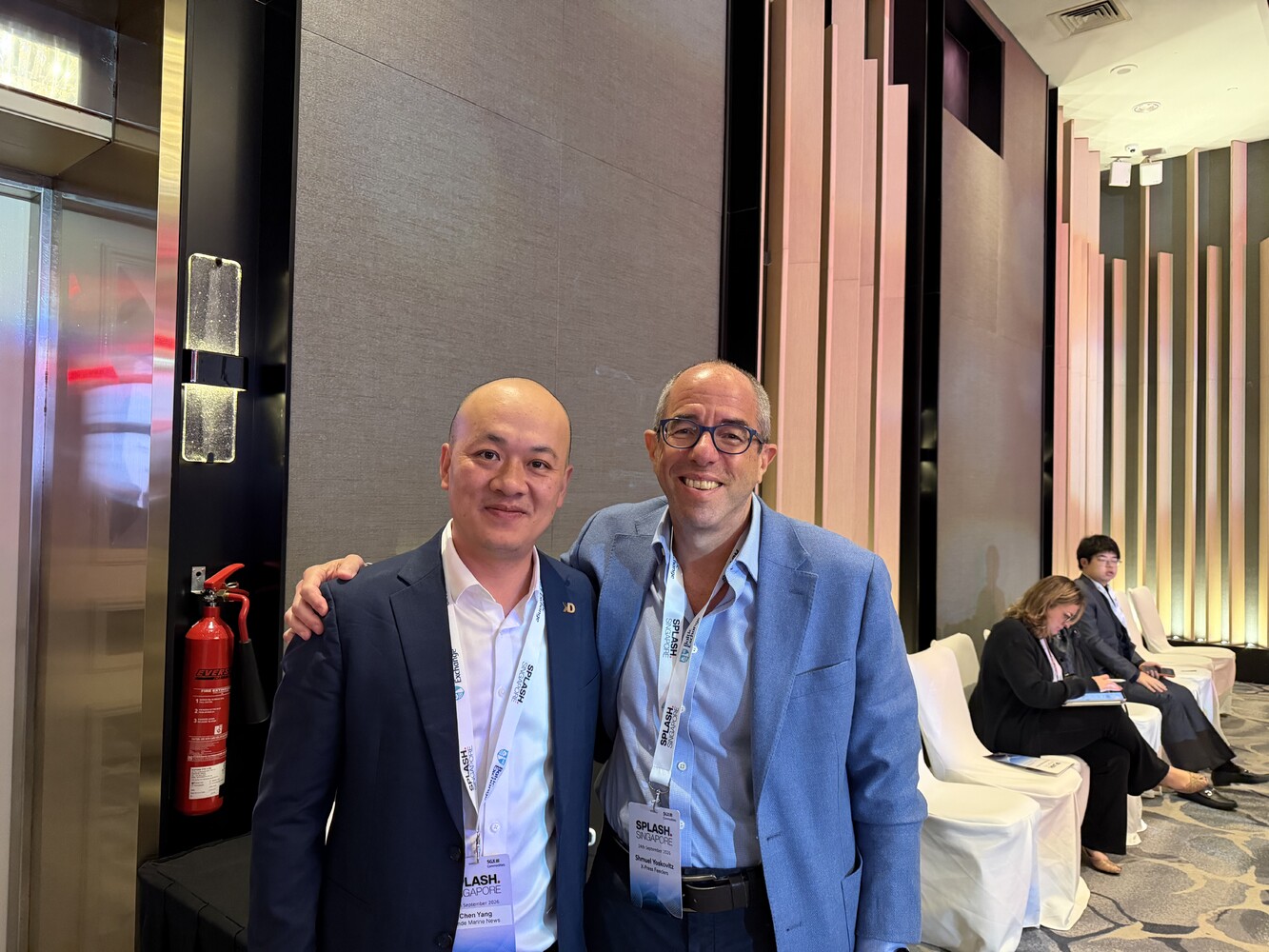
Shmuel Yoskovitz, CEO of X-Press Feeders, approached the question from an operator’s perspective at Splash Singapore. A company serving customers through a network needs control over where it places its ships. Owning some of its tonnage can increase that control. Ownership also commits capital and exposes the company to asset values, while long-term chartering creates fixed payment obligations of its own. Each approach must be judged against the full cost and the role the vessel plays in the business.
Diversification likewise deserves a closer look. A fleet may contain several vessel types, yet remain exposed to one cycle if the ships were all bought at high prices, financed on similar terms and scheduled for delivery together. A company may serve many customers who ultimately depend on the same trade flow. A useful portfolio gives the owner different sources of demand and room to adjust when one market fails. It also requires the expertise to manage every business the company enters.
Smaller owners can gain flexibility through partnerships: dependable managers, more than one financing relationship, commercial partners and access to repair and supply networks. The question is which capabilities the company must control directly and which it can reliably call upon when needed.
The captain: connect information, judgment and action
Once the hull and engine are in place, the next questions are who chooses the course and how quickly the ship can turn.
In its earlier analysis of Maersk, Xinde Marine News examined CEO Vincent Clerc’s emphasis on organisational agility, decision speed and the ability to redeploy resources. Changes in the market can bring higher revenue while also raising network and operating costs. To capture the opportunity, a carrier must coordinate vessels, ports and inland capacity and turn its assessment into a service the customer can use. That “captain’s ability” belongs to the organisation as a whole.
The first sign of change may appear far from headquarters: fewer enquiries from a customer, longer waits at a port or an abrupt shift in cargo flows. Results depend on whether that signal reaches decision-makers, whether the relevant teams assess it together and whether the people with authority can act. When the facts have changed but decisions still rest on assumptions made months earlier, the company may continue committing resources in the wrong direction.
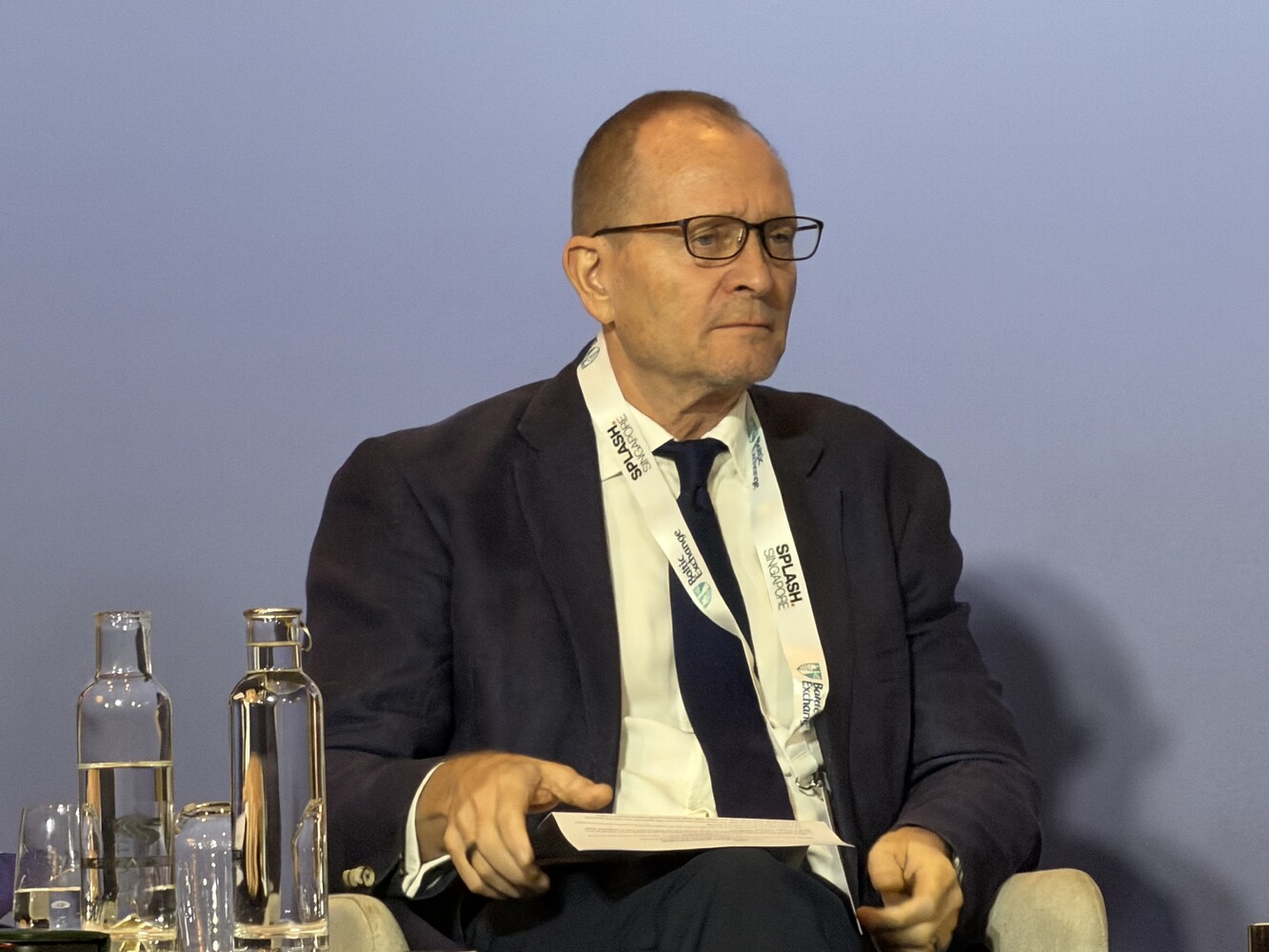
Bjørn Højgaard , CEO of Anglo-Eastern , described a scenario exercise at Splash Singapore. His team looked back from 2035 after imagining two very different histories: one in which developments went well and another in which many things went badly. The exercise helped identify assumptions the company needed to get right and capabilities that would remain useful across different futures. A company cannot predict every disruption, but it can ask in advance which developments would invalidate its plans and what alternatives it would then have.
Jeremy Sutton , CEO of Swire Shipping , described moving risk discussions from a few governance meetings each year into weekly and monthly management routines. The company widened input from its workforce and brought external parties, including P&I clubs, into the conversation. Identified risks then require mitigation, responsibility and follow-through. The rhythm of management has to keep up with the rhythm of change outside the company.
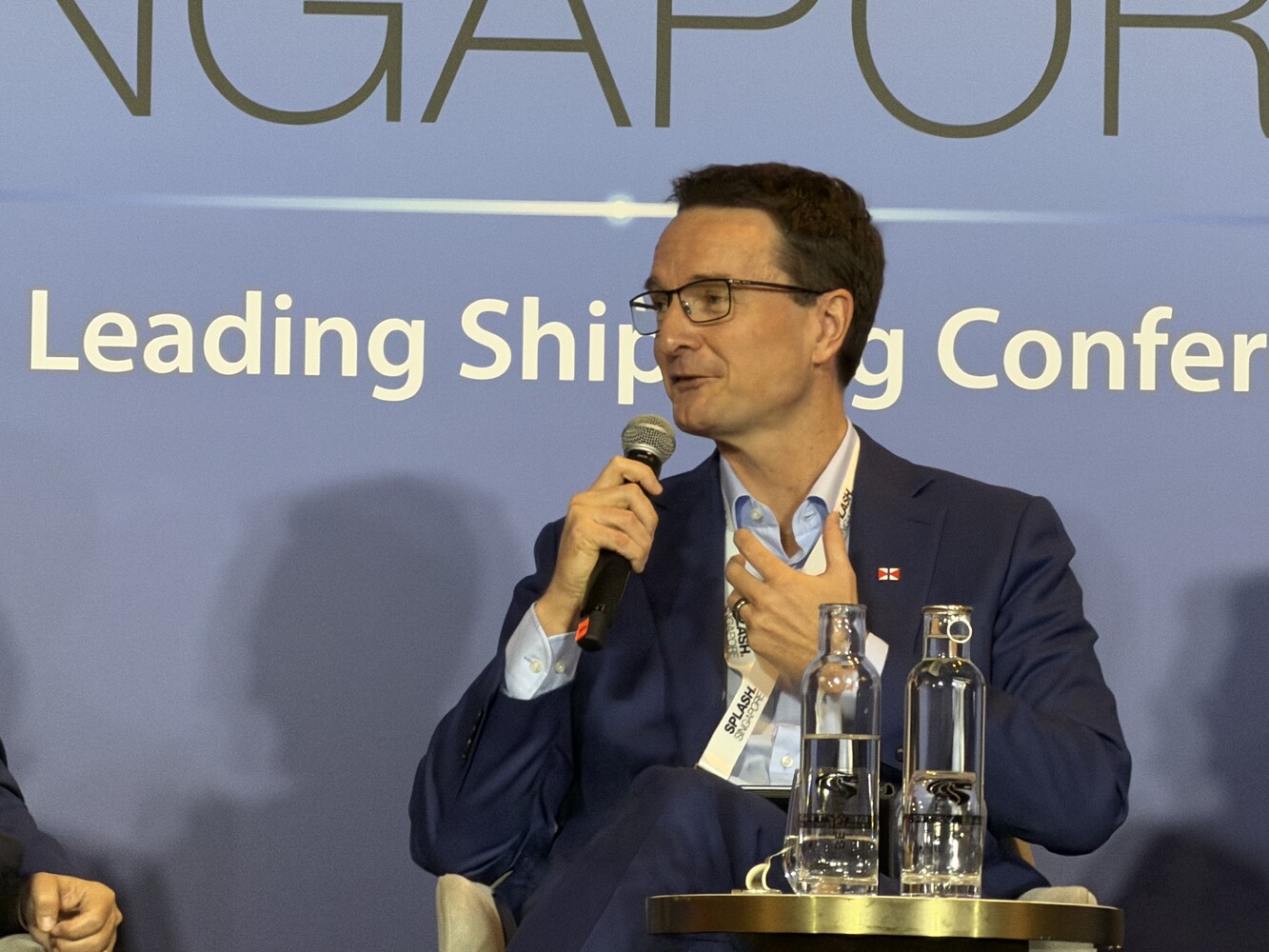
Authority also has to be placed carefully. Shmuel explained that X-Press Feeders’ regional business units handle day-to-day customers and operations, while the centre compares returns across regions and decides where vessels should be deployed. A unit may want to retain a particularly effective ship even when another region could use it more profitably. Local teams need room to respond quickly; headquarters needs a clear view of the fleet as a whole. Shared data and consistent measures connect the two.
Good decision-making includes the ability to correct course. A company can take a limited step while information is incomplete, then expand, revise or withdraw as evidence develops. Su has explained Erasmus’s earlier move towards smaller vessels and has also said the company is examining larger ships again. A market previously set aside can become attractive when prices, customer needs or risks change. Experience remains valuable when management is willing to test it against new facts.
Radar and crew: technology must make problems visible
Digital tools and AI can help companies process more information. Dacy discussed applications in research, legal review and investment analysis, as well as vessel positioning and operating efficiency. For an owner with an established fleet, improving the earnings of ships it already has may offer a more direct return than adding another asset.
Alexis Atteslis of Oak Oak Hill Advisors, L.P. said an AI label alone would not justify a higher valuation. An investor would look at whether a company actually uses suitable data and efficiency tools. Shipping managers can apply the same test internally: does a system reveal anomalies earlier, shorten the time to a decision or improve voyage returns and costs?
Radar supplies information; people remain responsible for judgment. Data can arrive late. Models can rely on trading relationships that have changed. New policies and customer behaviour may take time to quantify. An organisation that simply waits for a system to provide an answer can still fail to respond when it matters most.
Shmuel has emphasised curiosity, communication, an international outlook and the ability to understand data and the drivers of profit and loss. Jeremy sees a growing need for commercial managers who understand customers and operations while also being comfortable with technology. Bjorn’s emphasis on learning, sound judgment and the drive to execute points to the same requirement: people must be able to change their view when an assumption fails and then turn a new judgment into results.
They also need a way to raise bad news. A problem aboard a vessel, signs of stress at a customer or a retrofit that performs below expectations should become visible early. Jeremy’s discussion of giving frontline personnel stop-work authority reflects the importance of allowing people closest to a risk to act on it. Reports and meetings help only when they reflect what is happening at sea and in front of customers.
Safety and backup capacity must be ready before departure
When Potter discussed corporate resilience in London, he began with the safety of seafarers and vessels. A high charter rate changes the commercial calculation; it does not replace a safety decision. A long-term contract cannot remove route risk. Owners still need dependable shore support, emergency procedures and clear responsibility for decisions.
Capital has boundaries as well. Nicolas Tirogalas , CEO of Tufton Investment Management , described turning down a transaction with a high prospective return because its risks lay outside the firm’s acceptable range. An owner must consider how a trade affects future financing, insurance, customer access and its ability to sell the asset. A voyage can look highly profitable while imposing costs on the company long after it ends.
Businesses must also reconsider the value of backup capacity. Bjorn described the shift in recent years from “just-in-time” towards “just-in-case”. Anglo-Eastern added data backup in another location and spread banking relationships across geographies to reduce the impact of a local interruption. Potter pointed to the need to reassess the availability and reliability of critical spare parts.
These measures cost money in a normal year. Their value depends on what a prolonged interruption would cost. A limited stock of essential parts, a system that can be switched over or a trained backup team may prevent a much larger operational loss. Backup arrangements should address specific weak points and be checked to ensure they would work when called upon.
Customers, too, depend on that preparedness. When the main route fails, can the company offer an alternative, explain the consequences promptly and continue to deliver? The capacity an owner builds to protect its own operations can become a reason for customers to stay.
The next storm is shaped by decisions made in a good market
Many of the measures that determine whether a company survives must be taken while earnings and cash are strong: reducing obligations it could not carry through a downturn, controlling costs, strengthening customer relationships, renewing assets and skills, and retaining funds for adverse scenarios.
Investment can continue, provided each new commitment fits the company’s capacity to bear risk. Tirogalas focuses on entry price and downside protection. Atteslis can choose between equity, debt and mezzanine positions. Wessel supports future newbuildings with charter cover. Dacy reminds owners that paying down debt and waiting are also uses of capital. Their choices differ, but each requires discipline about the next dollar spent.
For an owner, that discipline can be tested through practical questions. If earnings fall sharply, how long will available cash last? If a core customer weakens, where will the ships find work? If a route closes, can vessels and teams be redeployed? If fuel technology or regulation develops differently from expectations, can the asset be adapted or sold?
A global liner, an independent shipowner, a specialist gas-carrier operator and a small bulk owner will answer differently. Each must align its financial endurance, its source of business and its ability to execute.
Surviving a turbulent market means continuing to pay obligations, serve customers and protect people through successive changes, while retaining room for the next decision. Cash can buy time. Customer relationships keep the engine running. Information and judgment guide a change of course. A capable team carries it out.
Owners cannot decide when the wind will shift. Before departure, they can make sure the hull is sound, the engine reliable, the bridge can hear the crew and the vessel has room to turn.
However valuable the catch becomes, it counts only when the ship brings it home.

READ MORE
 Sustainability
Yantian and Felixstowe Sign Green Shipping Corridor Cooperation Initiative
 Sustainability
Japan Completes Methanol Transport and Bunkering Vessel
 Sustainability
Maersk Bunkers U.S.-Produced Corn Ethanol
 Sustainability
Maersk Completes First U.S. Ethanol Bunkering for a Deep-Sea Containership
 Sustainability
‘While I am President, there will be no global taxes’
 Sustainability
When the Future Can No Longer Be Predicted, How Do Shipping Companies Survive?
 Sustainability
Fleet Management Lights Up Anchor Plaza in Blue for World Maritime Day 2026
 Sustainability
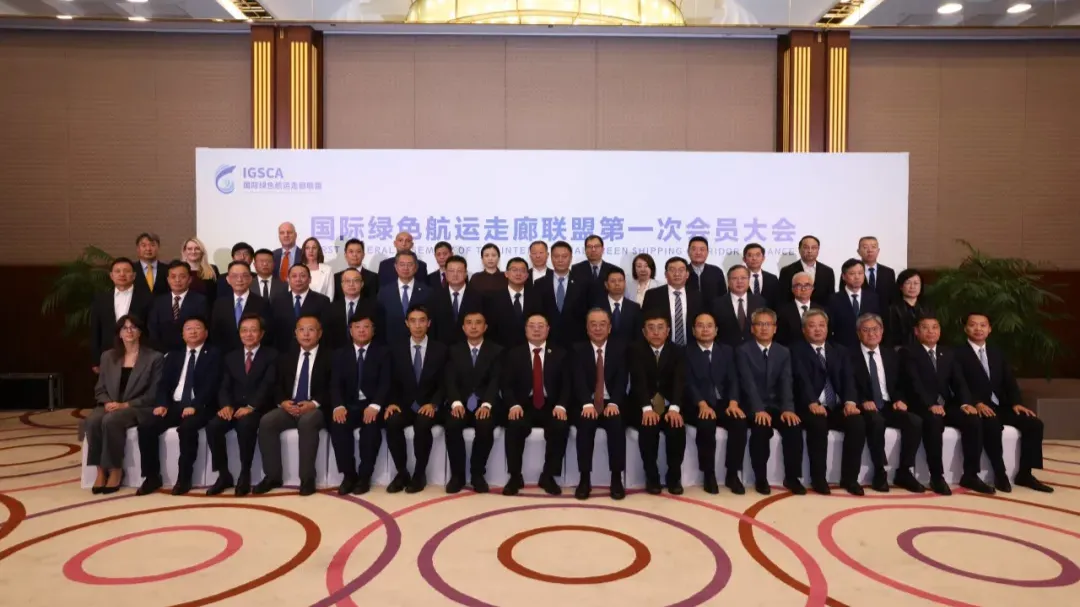
COSCO , CMA CGM and SIPG Join Launch of International Green Shipping Corridor Alliance
 Sustainability
Zero-Emission-Capable Ship Orders Slide as IMO Uncertainty Weighs on 2030 Target
 Sustainability