


Japan Completes Methanol Transport and Bunkering Vessel


Japan has added another vessel to its emerging methanol marine fuel supply chain with the completion of the Kokuryu Maru, a coastal chemical tanker designed to transport methanol and also serve as a methanol bunkering vessel.
Mitsubishi Gas Chemical Co., Inc. (MGC), Kokuka Sangyo Co., Ltd. and Hanshin Diesel Works, Ltd. announced on September 25 that the 498-gt vessel had been completed and had received its first methanol fuel supply at Kinoe Port a day earlier.
The Kokuryu Maru is operated by Kokuka Sangyo and chartered by MGC. Built by Koa Sangyo Co., Ltd., the vessel has a deadweight of 1,223 tonnes and is powered by a Hanshin Diesel Works LA28MRG dedicated methanol-fuelled main engine.
According to the three companies, the vessel will primarily be used to transport methanol in Japan’s domestic coastal trade, while also taking on a role as a methanol bunkering vessel.
The September 24 operation was the first bunkering of methanol fuel to the vessel itself, rather than the vessel’s first bunkering operation for another ship. Part of the fuel supplied was domestically produced biomethanol from MGC’s Niigata Plant, which will be consumed during the vessel’s operations.
The companies estimate that the use of methanol could reduce CO2 emissions by around 17.5% compared with a comparable vessel burning conventional heavy fuel oil. The project was also selected under a Japanese government programme supporting the introduction of LNG and methanol fuel systems as part of efforts to decarbonise domestic shipping.
Japan has set a target of cutting CO2 emissions from coastal shipping by around 17% by fiscal 2030 and 36% by fiscal 2040 from fiscal 2013 levels.
Methanol is viewed as one of the more readily deployable alternative marine fuels because it remains liquid at ambient temperature and pressure and can make use of much of the existing liquid-fuel handling infrastructure. It can also significantly reduce sulphur oxides and particulate matter emissions compared with conventional marine fuels, while lowering nitrogen oxide emissions.
Japan’s methanol bunkering development
Japan’s work on methanol bunkering predates the completion of the Kokuryu Maru, and Kokuka Sangyo has already played a central role in several key trials and operations.
In September 2024, Yokohama Port hosted what was described as Japan’s first methanol bunkering simulation involving Maersk’s methanol dual-fuel containership Alette Maersk and Kokuka Sangyo’s coastal chemical tanker Eika Maru.
The Eika Maru is not a purpose-built bunker vessel. It is a 498-gt coastal chemical tanker used to transport methanol and other liquid chemical cargoes. During the 2024 trial, the vessel was used to test ship-to-ship manoeuvring, hose connection procedures and other operational requirements associated with supplying methanol as a marine fuel.
No methanol was actually transferred during that exercise. The trial was intended to assess whether existing methanol-carrying coastal chemical tankers could be used for future bunkering operations and to support the development of operational and safety procedures.
That concept moved from simulation to actual fuel transfer in February 2026.
On February 6, the Eika Maru supplied methanol fuel to the methanol dual-fuel vessel Kohzan Maru VII, operated by Mitsui O.S.K. Lines, at an anchorage in Yokohama Port.
Japan’s Ministry of Land, Infrastructure, Transport and Tourism described the operation as the country’s first ship-to-ship supply of methanol marine fuel at an anchorage. The fuel supplied also included biomethanol produced at MGC’s Niigata Plant.
The operation demonstrated that existing coastal chemical tankers already engaged in methanol transport can also be deployed as marine fuel supply vessels, provided the necessary equipment, procedures and safety arrangements are in place.
The newly completed Kokuryu Maru takes that model a step further.
Unlike the Eika Maru, which was originally deployed as a conventional chemical tanker before being used for methanol bunkering, the Kokuryu Maru enters service with a clearly defined dual role: transporting methanol cargoes and supporting future methanol bunkering operations.
It is also itself powered by methanol.
As Japan gradually expands its methanol-fuelled fleet, vessels capable of combining methanol transport and bunkering could provide an important bridge during the early development of the country’s marine methanol supply infrastructure.

READ MORE
 Sustainability
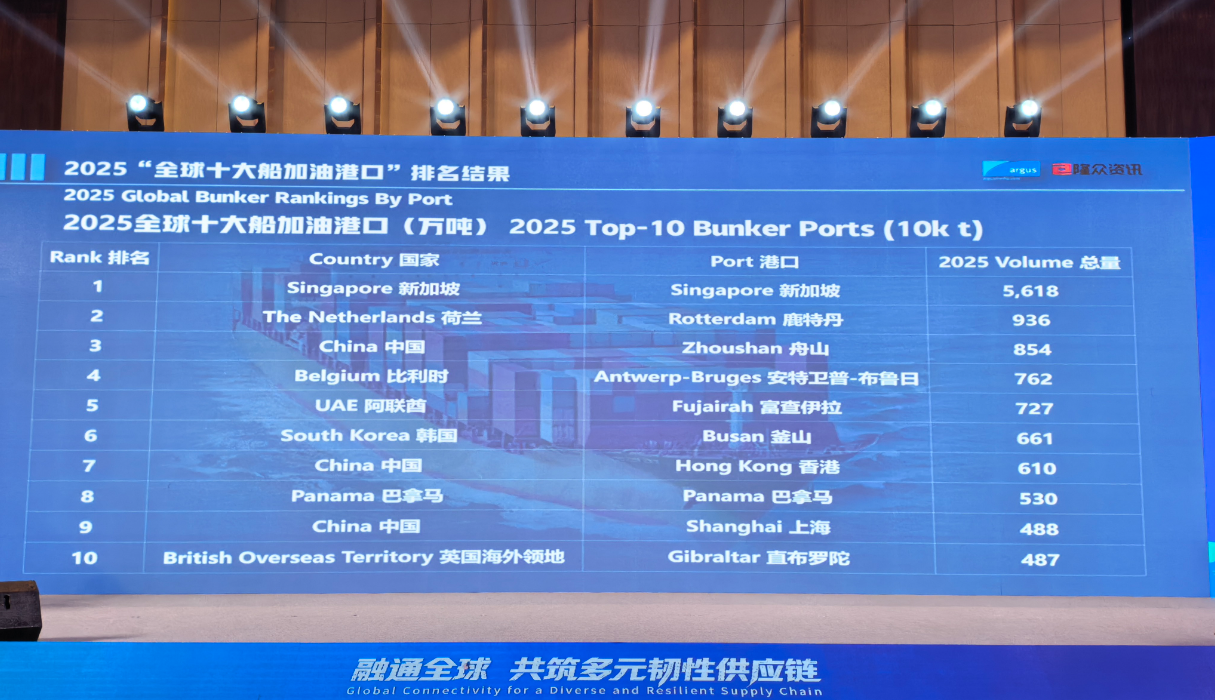
Zhoushan Overtakes Fujairah to Become World's Third-Largest Bunkering Port
 Sustainability
Shiptec China 2026.10.28-10.30 |Invitation of Green Energy for a Smart Future – Forum on New Energy Ship Technology and Ecosystem
 Sustainability
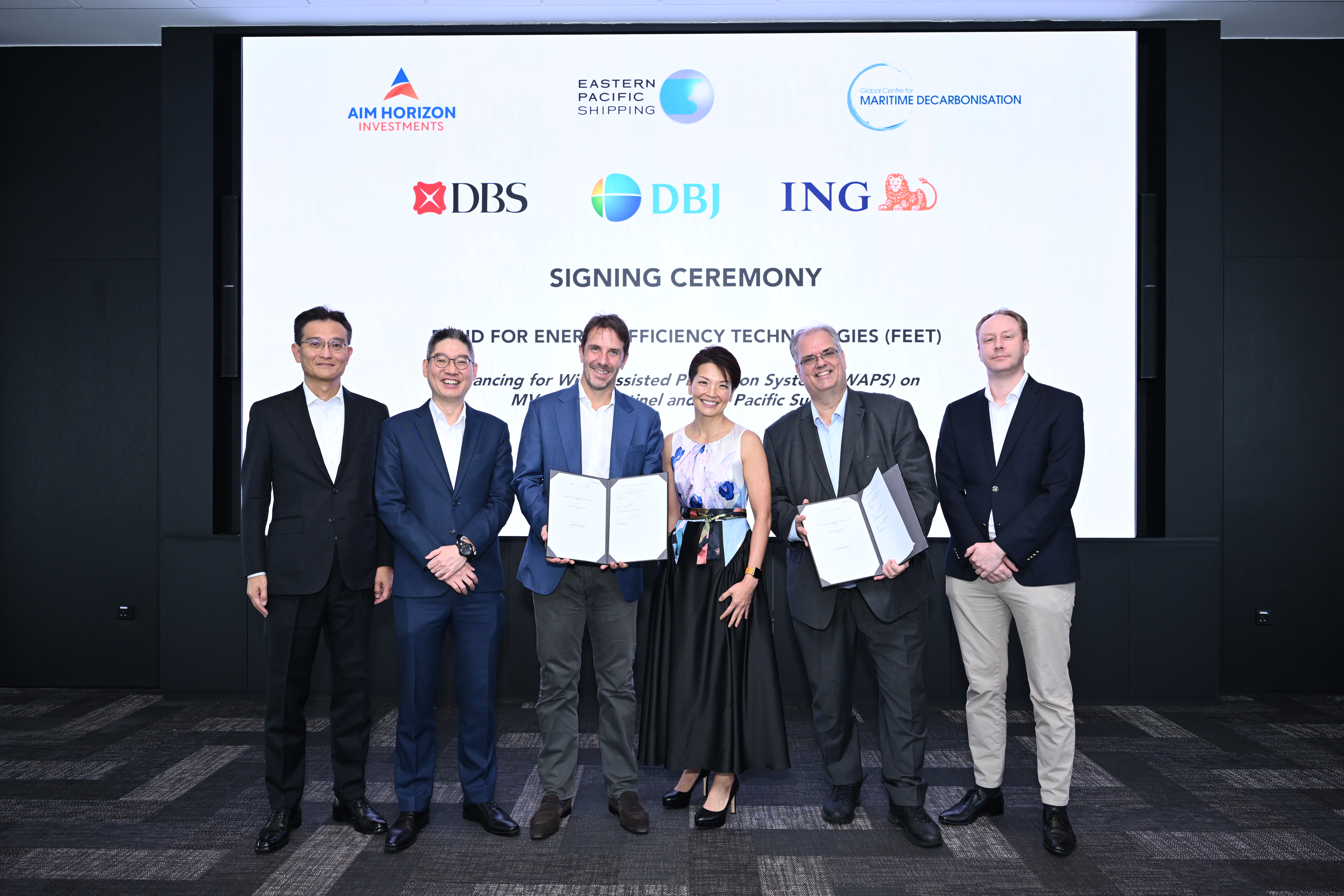
EPS Secures First FEET Financing for Two Wind-Assisted Vessels
 Sustainability
IMO Chief Defends Net Zero Ambition in Shanghai as Shipping Awaits Clearer Rules
 Sustainability
Car Carriers Face Fuel Supply and Emissions Accounting Challenges
 Sustainability
5,000 Tonnes: Maersk Completes World’s Largest Ethanol Bunkering in Singapore
 Sustainability
PetroChina Expands Multi-Fuel Bunkering in Singapore
 Sustainability
MPA, CMA CGM and SLNG Join Forces on Bio-LNG Bunkering
 Sustainability
Singapore Offers Up to S$250,000 for Electric Harbour Craft
 Sustainability