


EPS Secures First FEET Financing for Two Wind-Assisted Vessels
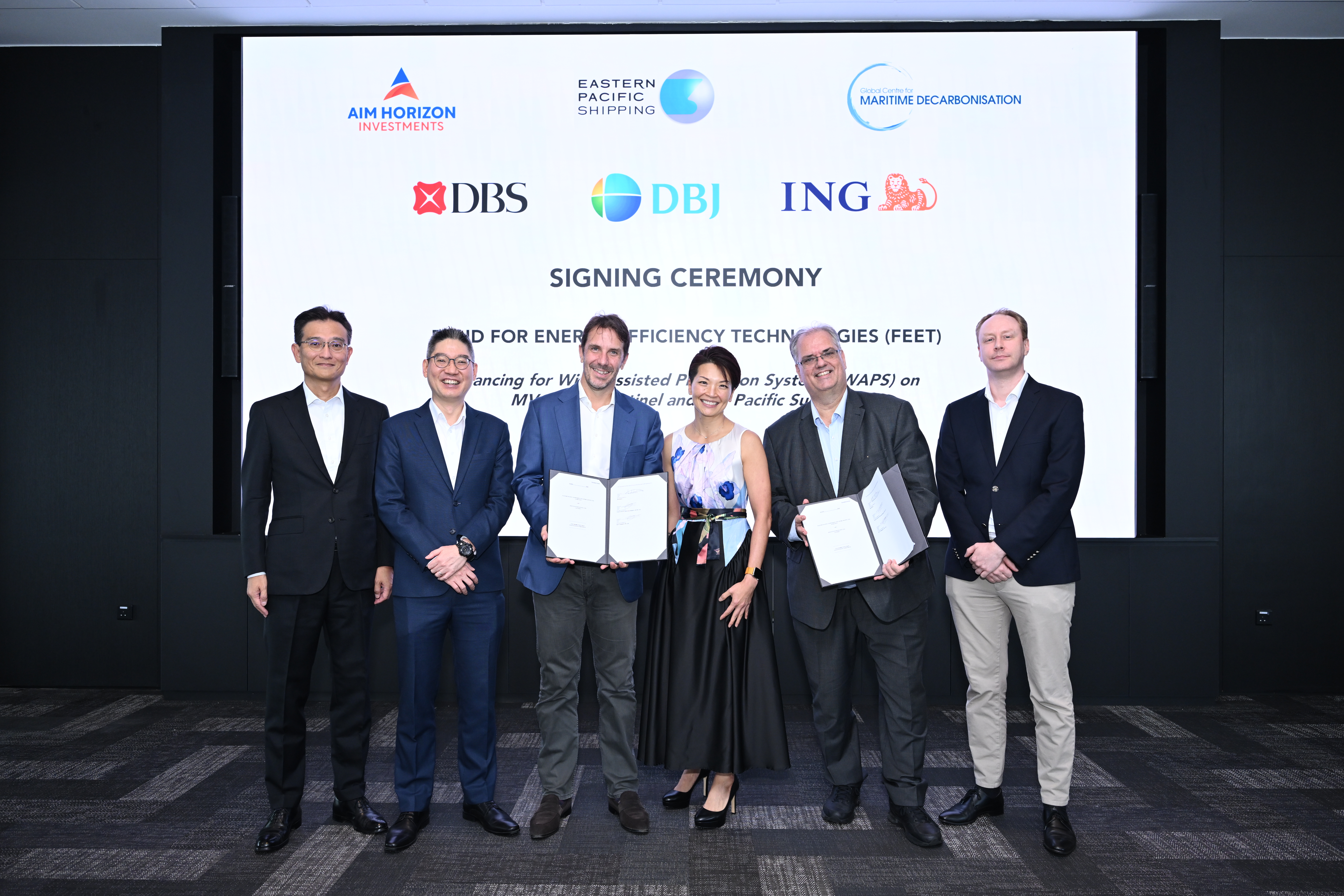

The Global Centre for Maritime Decarbonisation (GCMD), AIM Horizon Investments and Eastern Pacific Shipping (EPS) announced on 20 October 2026 the financing of two wind-assisted propulsion system (WAPS) projects through the Fund for Energy Efficiency Technologies (FEET), marking the fund’s first deployment.
The financing covers WAPS installed on MV Pacific Sentinel and MV Pacific Sunstone, each equipped with three 22-metre suction sails. These are the first two vessels in the EPS fleet to adopt wind-assisted propulsion technology.
FEET is described as the world's first fund to link verified fuel and regulatory savings from onboard energy efficiency technologies to a pay-as-you-save financing mechanism. Through a blended finance structure, the fund offers up to 100% upfront financing, allowing shipowners to invest in energy-saving technologies with repayments linked to verified operational savings.
The fund is managed by AIM Horizon Investments, with GCMD serving as its decarbonisation advisor. It is supported by the Development Bank of Japan (DBJ) as an anchor investor, alongside ING and DBS Bank as debt providers.
The financing builds on earlier collaboration between GCMD and EPS to develop a methodology for measuring fuel savings from wind-assisted propulsion systems under actual operating conditions.
Between mid-May and mid-September 2025, GCMD collected approximately 276 million data points from Pacific Sentinel during four months of spot-market operations in the Americas. Researchers identified 203 valid transitions between activated and deactivated sail conditions to assess fuel savings while accounting for variations in operating conditions.
The methodology, reviewed by an independent third party, will now be applied to FEET-financed projects. Operational data will be audited, and calculated fuel savings independently verified before determining payments from shipowners.
GCMD CEO Lynn Loo said that scaling up energy efficiency technologies requires not only demonstrating their effectiveness but also accurately measuring fuel savings under real-world conditions. The first FEET projects with EPS will test whether verified operational savings can provide a reliable foundation for financing.
EPS CEO Cyril Ducau highlighted the importance of combining technology, operational data and financing to accelerate maritime decarbonisation. He noted that Pacific Sentinel had already demonstrated the practical potential of wind-assisted propulsion, while the new financing arrangement could help more shipowners adopt proven energy efficiency solutions.
Headquartered in Singapore, EPS operates a diversified fleet of more than 350 vessels across the container, car carrier, dry bulk, gas and tanker segments. The latest partnership represents another step in the company's efforts to improve fleet energy efficiency and support shipping decarbonisation.

READ MORE
 Sustainability
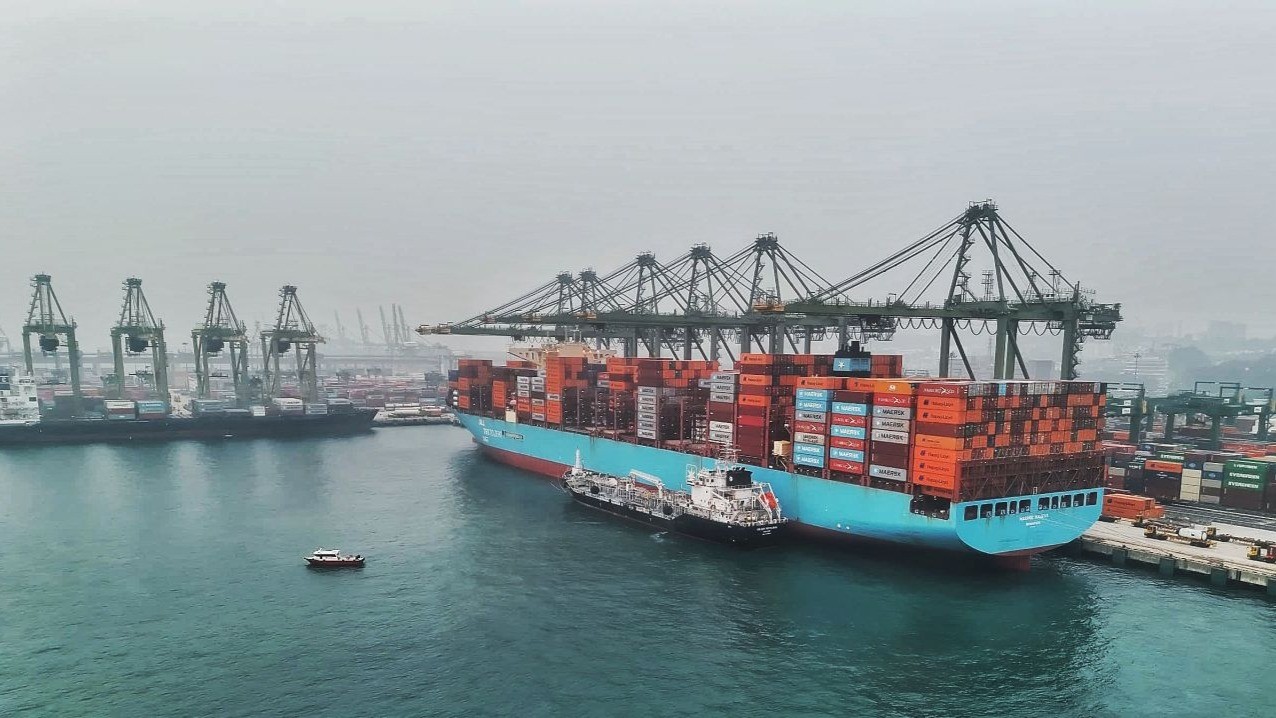
5,000 Tonnes: Maersk Completes World’s Largest Ethanol Bunkering in Singapore
 Sustainability
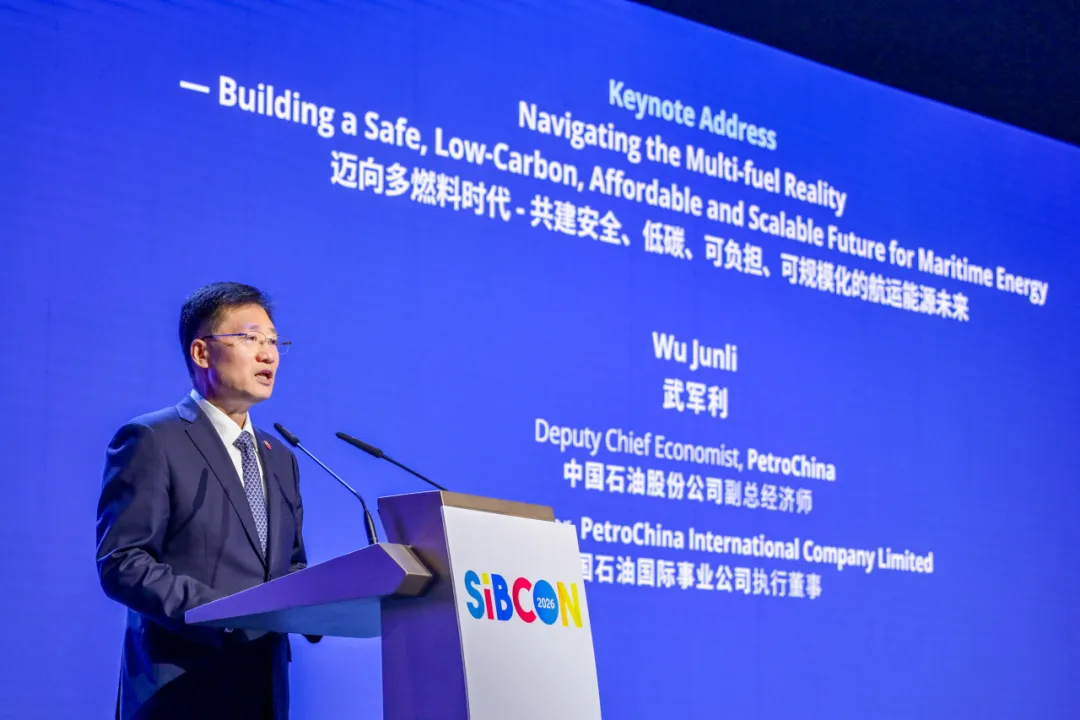
PetroChina Expands Multi-Fuel Bunkering in Singapore
 Sustainability
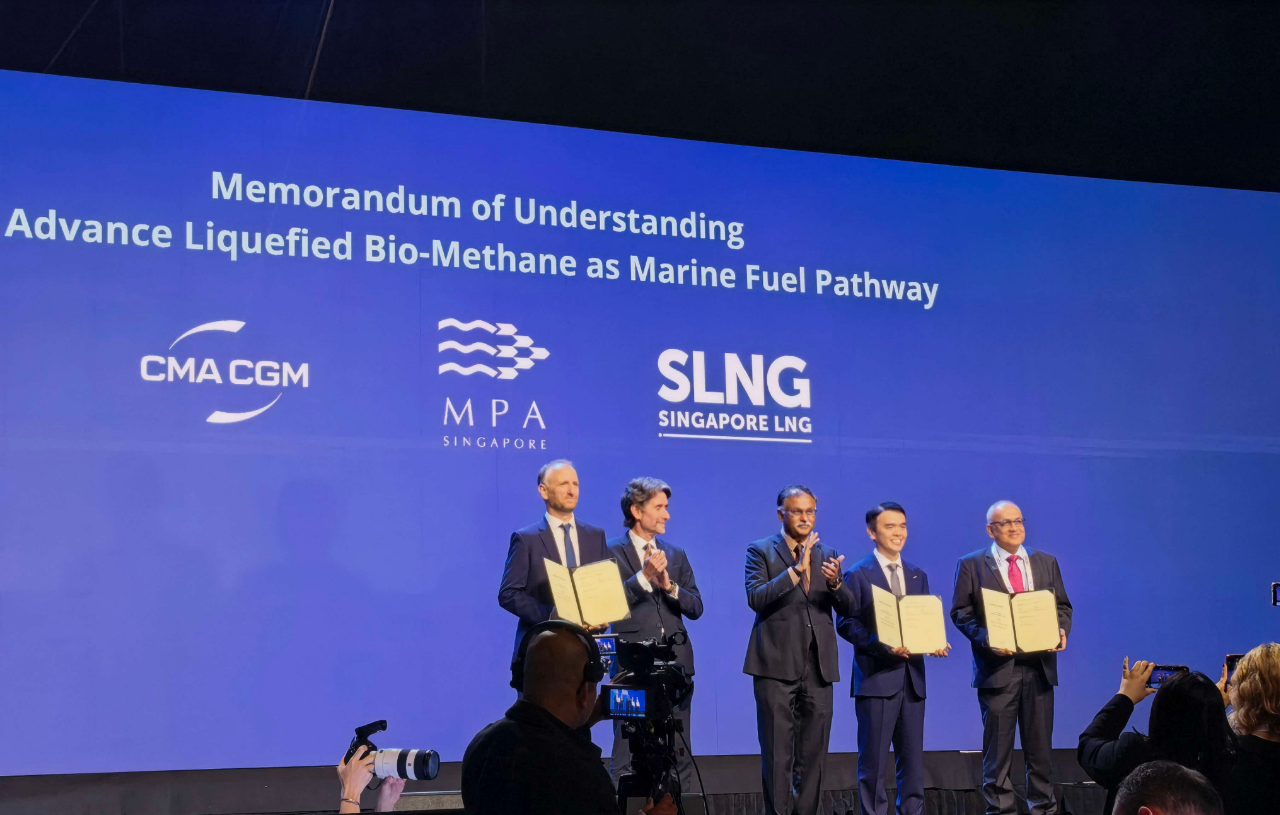
MPA, CMA CGM and SLNG Join Forces on Bio-LNG Bunkering
 Sustainability
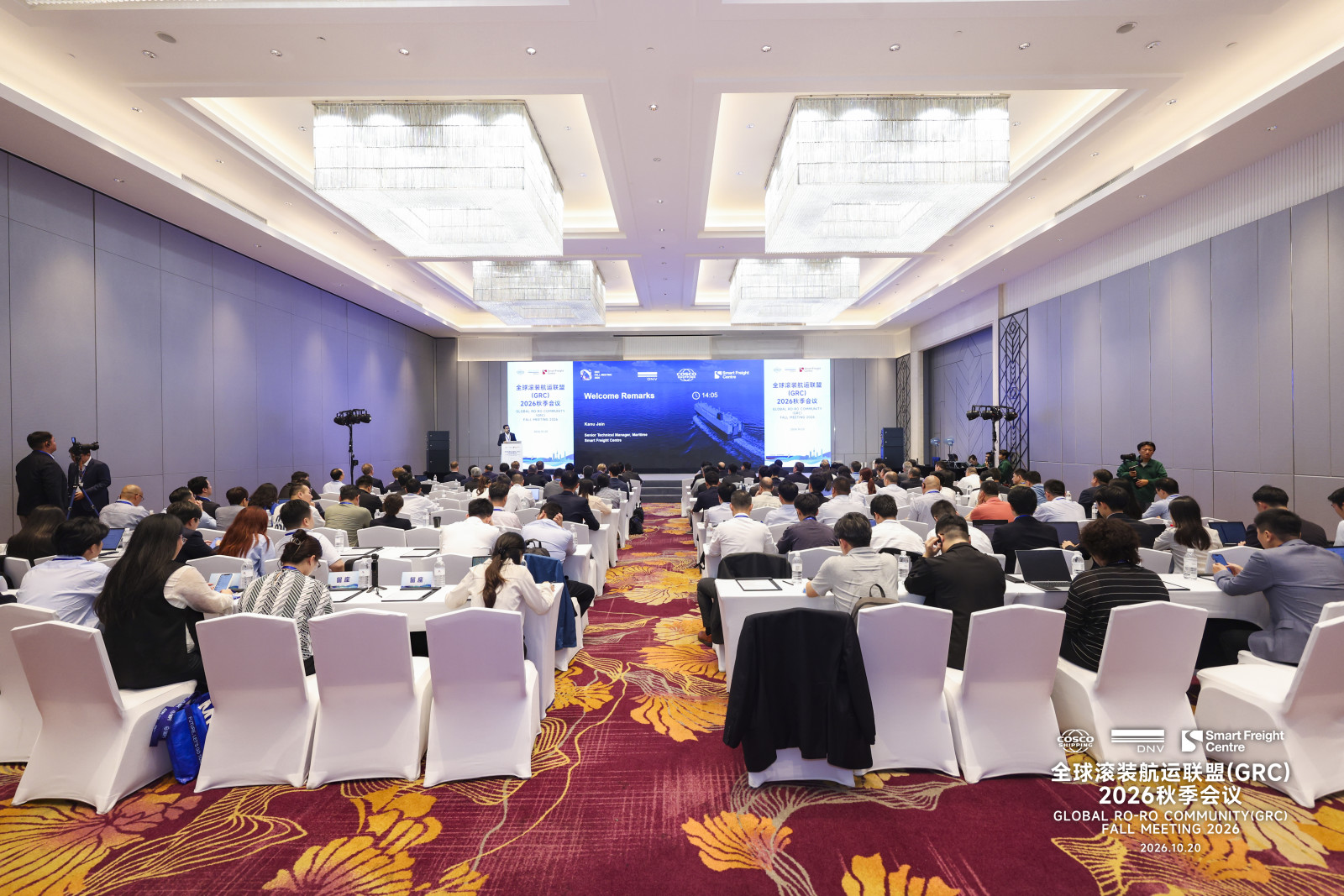
Car Carriers Face Fuel Supply and Emissions Accounting Challenges
 Sustainability
Singapore Offers Up to S$250,000 for Electric Harbour Craft
 Sustainability
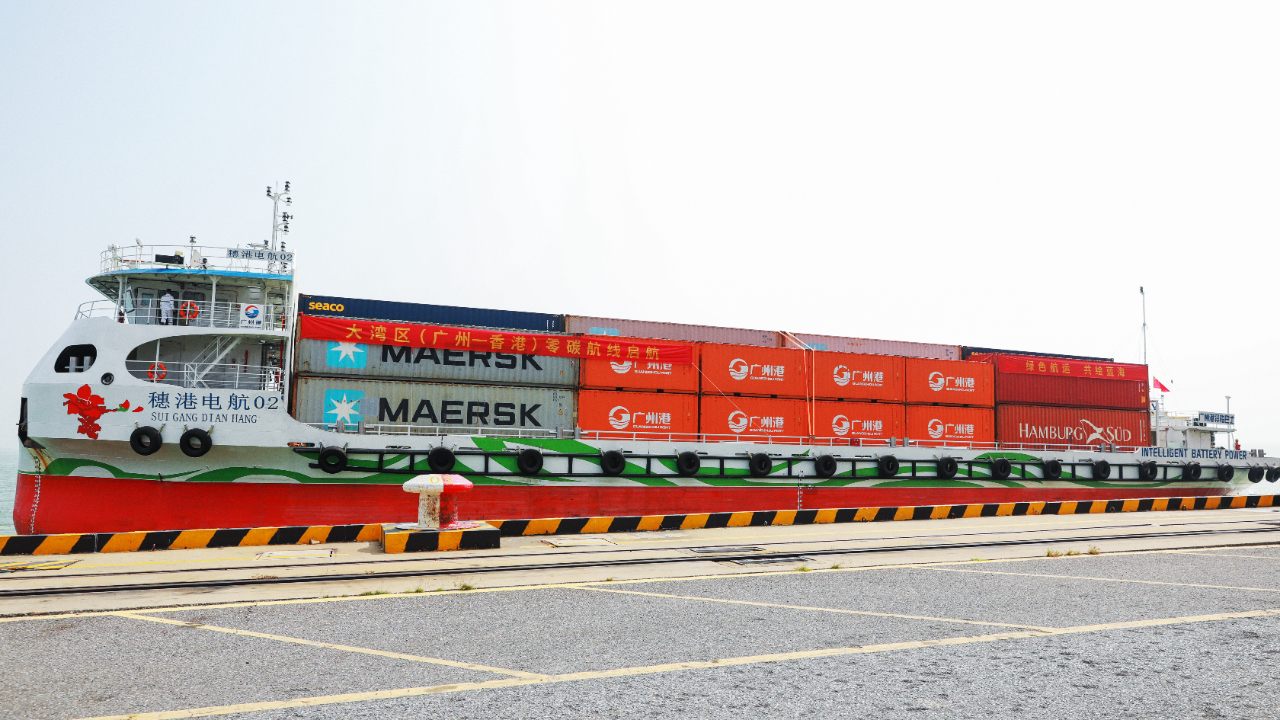
Greater Bay Area Launches First Zero-Carbon Container Shipping Route Between Guangzhou and Hong Kong
 Sustainability
1000Ton! CMB.TECH in World First Commercial STS Green Ammonia Bunkering
 Sustainability
China Sets 2028 Targets for Electric and Methanol-Powered Inland Vessels
 Sustainability
China Merchants Takes Delivery of Third Methanol Dual-Fuel Car Carrier
 Sustainability