


Waigaoqiao Shipbuilding wins RMB 2.76bn contract for China’s deep-ocean research platform
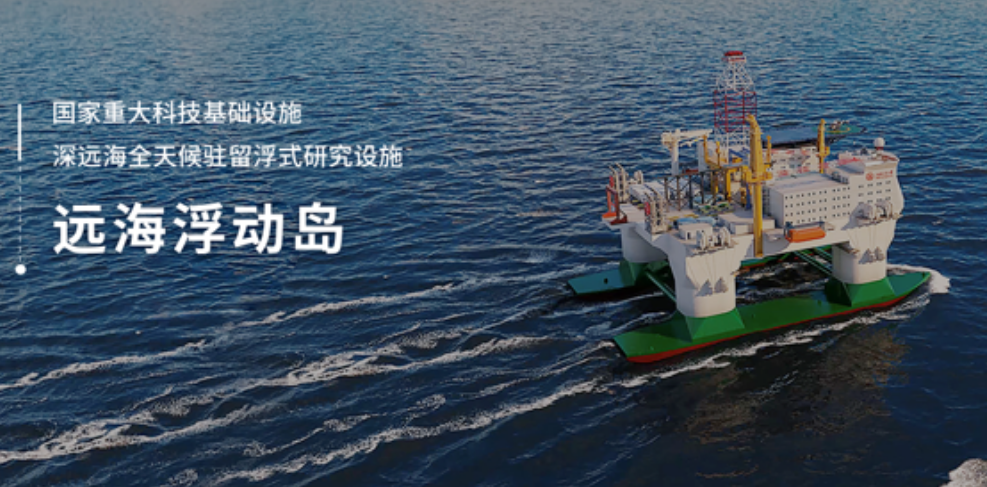

Shanghai Waigaoqiao Shipbuilding has secured a RMB 2.763bn ($412m) contract to build Shanghai Jiao Tong University’s self-propelled deep-ocean floating research facility, a semi-submersible twin-hull platform designed for long-duration offshore residence, full-ocean-depth research and full-scale testing of marine equipment. Delivery is scheduled for June 25, 2030.
Shanghai Waigaoqiao Shipbuilding (SWS) has won the construction contract for one of China’s most ambitious new marine research infrastructure projects, securing an order worth RMB 2.763bn including tax, or around $412m at current exchange rates.
The award was formally announced on September 14 by China National Tendering Corporation, acting for project owner Shanghai Jiao Tong University. SWS received the highest evaluation score of 95.57 and was named the successful bidder. The platform is scheduled for delivery on June 25, 2030.
The contract covers construction of the university’s Deep and Far-Sea All-Weather Resident Floating Research Facility, known in Chinese as the “Ocean Floating Island”. Shanghai Jiao Tong University uses the English project name Mobile-facility of Ocean Science and Technology, or MOST.
Unlike a conventional oceanographic research vessel, MOST is being developed as a large self-propelled floating research base capable of both rapid relocation and extended offshore residence.
Shanghai Jiao Tong University describes the project as a world-first large self-propelled offshore research platform. Its core concept combines the mobility of a ship with the endurance, stability and payload capacity normally associated with offshore floating installations.
Self-propelled research base rather than conventional research vessel
The platform adopts what the university describes as a semi-submersible twin-hull configuration, designed to support long-duration operations in deep and remote waters while retaining self-propelled mobility.
The facility is intended to operate in severe sea states and survive extreme conditions, allowing researchers to remain offshore for extended periods rather than relying on relatively short research-vessel campaigns.
According to Shanghai Jiao Tong University, the platform will support continuous full-water-depth in-situ observation, scientific research at depths of up to 10,000 metres and real-sea testing of large deep-ocean equipment. It will also have the capacity to handle equipment in the 100-tonne class.
The broader facility consists of three systems: the floating platform itself, onboard laboratories and a shore-based support system.
Six onboard laboratories and a marine operations support centre are planned to cover areas including marine engineering, ocean resources, ocean science, meteorological and disaster observation, and long-term marine ecosystem monitoring.
The shore system will provide mission control, operations and maintenance support, scientific data exchange, sample storage and equipment servicing.
That combination makes MOST closer to a mobile offshore research infrastructure platform than a traditional research ship.
Its intended role is not simply to carry scientists to a survey area, but to provide a relatively stable offshore base from which long-duration observations and full-scale engineering trials can be conducted.
Moving marine technology testing from the laboratory to the open ocean
The project addresses a longstanding limitation in offshore research and marine equipment development: the gap between laboratory testing and operation in the real ocean environment.
Model basins, laboratories and nearshore test sites can reproduce selected wave, load and hydrodynamic conditions, but they cannot fully replicate the combined effects of long-duration exposure, deep water, severe sea states, wind, currents, corrosion and operational uncertainty encountered offshore.
Shanghai Jiao Tong University says MOST is intended to provide a full-scale sea-testing platform for technologies including deep-sea mining systems, marine oil and gas equipment and critical ship and offshore systems. It will also support research into marine ecosystems, resources, extreme weather and disaster forecasting.
For marine equipment developers, that distinction is significant.
A technology proven in controlled conditions still faces a substantial validation gap before commercial offshore deployment. Access to a permanent or long-duration research platform could allow propulsion systems, underwater equipment, sensors, materials, robotics and other large-scale marine technologies to be evaluated under actual offshore loads and environmental conditions.
The facility therefore serves both scientific and industrial functions: a long-duration observation platform for ocean science and a full-scale validation environment for offshore engineering.
China formally launched construction of the wider national facility in March 2026, with completion targeted for 2030.
The latest shipbuilding award puts the central floating platform itself into the execution phase.
MARIC leads design, CCS to class the platform
Technical design is being undertaken by the 708th Research Institute of China State Shipbuilding Corporation, one of China’s principal naval architecture and offshore engineering design organisations and widely known in the industry as MARIC.
Shanghai Jiao Tong University and the institute signed the project design contract in December 2024. The university described the facility as its largest single research infrastructure investment to date, while CSSC said there was no existing international reference design on which the project could directly be based.
Tender documentation states that the completed facility will be classed by China Classification Society (CCS).
That design and classification process will have to reconcile requirements that are normally split between different vessel categories: self-propulsion and navigation, semi-submersible hydrodynamics, station-keeping, long-term habitation, scientific laboratories, heavy research equipment and survivability in extreme weather.
The integration challenge is likely to be at least as important as the platform’s physical scale.
Unlike a repeat merchant ship design, the project requires the yard to translate a highly specialised scientific concept into a buildable platform while accommodating laboratory systems, offshore operating equipment and long-duration support requirements.
SWS brings FPSO and complex offshore construction experience
For Waigaoqiao Shipbuilding, the contract extends a product portfolio already spanning large merchant ships, cruise vessels and offshore units.
The Shanghai-based yard is part of state-owned China State Shipbuilding Corporation and has accumulated extensive experience with large floating structures, including semi-submersible and jack-up drilling units and floating production, storage and offloading vessels.
Its most internationally visible offshore programme has been SBM Offshore’s Fast4Ward FPSO hull series.
SWS delivered the first Fast4Ward hull in 2019. The 333-metre hull has a breadth of 60 metres and is designed around storage capacity of about 2.3m barrels. CSSC said SWS provided EPC services for the early series, giving the yard experience in large floating structures, precision construction and integrated offshore project execution.
By late 2024, SWS had delivered its fifth Fast4Ward-type FPSO hull. CSSC says the yard’s broader product history also includes semi-submersible and jack-up drilling platforms, offshore support vessels, large containerships, VLCCs, VLOCs and China’s first domestically built large cruise ship.
That background is directly relevant to MOST.
Although a scientific platform differs fundamentally from an FPSO in mission and onboard systems, both require construction and integration of very large floating structures with complex machinery, accommodation and mission-specific systems.
The award therefore gives SWS a project sitting between conventional shipbuilding and advanced offshore engineering.
Part of China’s national marine science infrastructure programme
MOST is not being developed as a standalone university research vessel.
It is designated as a National Major Science and Technology Infrastructure project under China’s 14th Five-Year Plan framework, with Shanghai Jiao Tong University responsible for construction and future scientific operation.
For international readers, such facilities are broadly comparable to large national research infrastructures in fields such as particle physics, astronomy or polar science: capital-intensive shared research assets designed to support multiple institutions and disciplines rather than a single research group.
China’s marine version is intended to provide a shared offshore base for ocean science, marine engineering, resources research and meteorology, while also offering an environment for testing industrial technologies at full scale.
The programme also fits into Shanghai’s broader effort to strengthen its shipbuilding and offshore engineering technology base. Municipal industrial policy documents have specifically identified the deep-ocean resident floating research facility alongside advanced vessels, deep-sea equipment and specialised marine systems as areas for technology development.
The industrial significance therefore goes beyond the RMB 2.763bn construction contract.
If the platform performs as intended, technologies developed around structural response, seakeeping, station-keeping, onboard energy systems, vibration and noise control, long-duration maintenance and marine equipment integration could feed into other offshore applications.
Delivery set for 2030
The original construction tender was issued on August 6 with a maximum contract value of RMB 2.76342bn and a required execution period of 42 months.
The final award to SWS came in only slightly below that ceiling, at RMB 2.763bn including tax, with delivery fixed for June 25, 2030.
That timeline places the platform among the more complex offshore construction projects now entering Chinese yards.
Its significance is not primarily measured in deadweight, cargo capacity or commercial earning power. MOST is being built as scientific infrastructure: a mobile, long-duration offshore base intended to enable experiments and engineering trials that cannot realistically be conducted from shore or within the operating window of a conventional research ship.
For SWS, the project adds another high-complexity floating structure to its offshore portfolio.
For China’s marine research sector, the more important test will come after delivery — whether a self-propelled “floating island” can turn deep-ocean observation and full-scale offshore testing into a continuously available national research capability.

READ MORE
 Technology
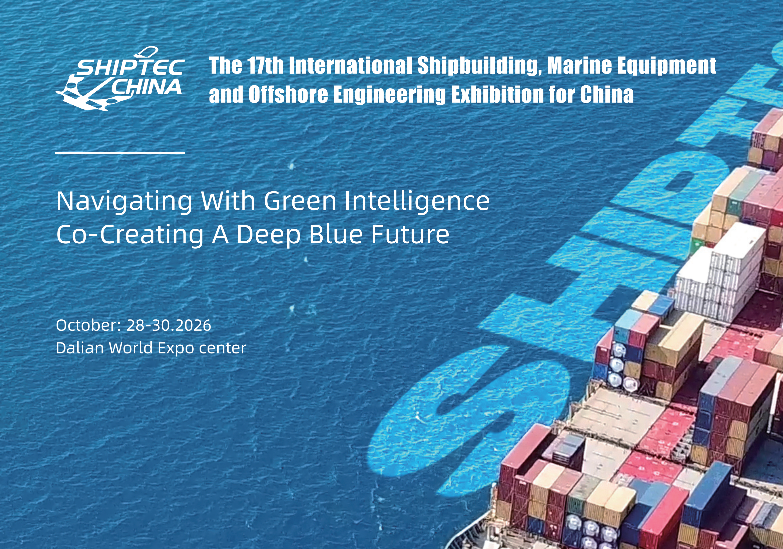
Shiptec China 2026.10.28-10.30 | Russian Delegation to Make a Grand Appearance at the 17th International Shipbuilding,Marine Equipment and Offshore Engineering Exhibition For China
 Technology
AI Is Moving Into Shipping’s Core Business. What Will Set Companies Apart?
 Technology
Shiptec China 2026.10.28-10.30 | German Pavilion | High-Precision Threading Tools & Clamping Systems: NORIS Debuts at Dalian Maritime Exhibition
 Technology
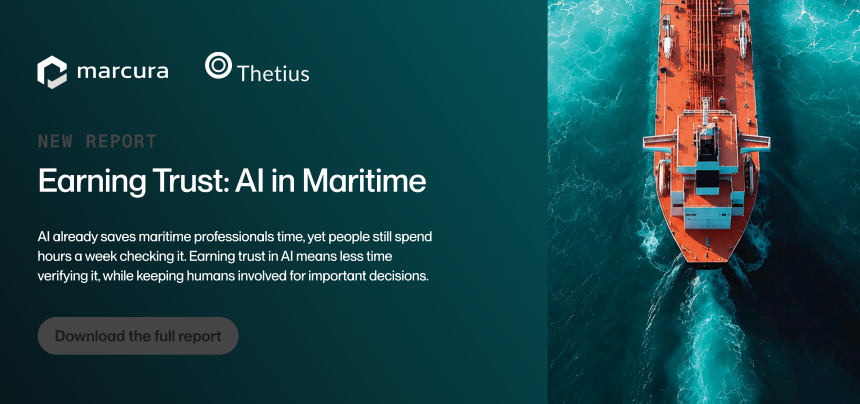
Maritime is using AI every day. Now comes the harder part: trusting it to act.
 Technology
Shiptec China 2026.10.28-10.30 | German Pavilion | Mayr Safety Brakes: Robust, Powerful and Seawater-Corrosion Resistant – Safe and Durable Product Solutions for Harsh Environments
 Technology
Shiptec China 2026.10.28-10.30 | TECHNOBIO with POWER-Z: Improving Power and Thermal Efficiency through Fuel Additives
 Technology
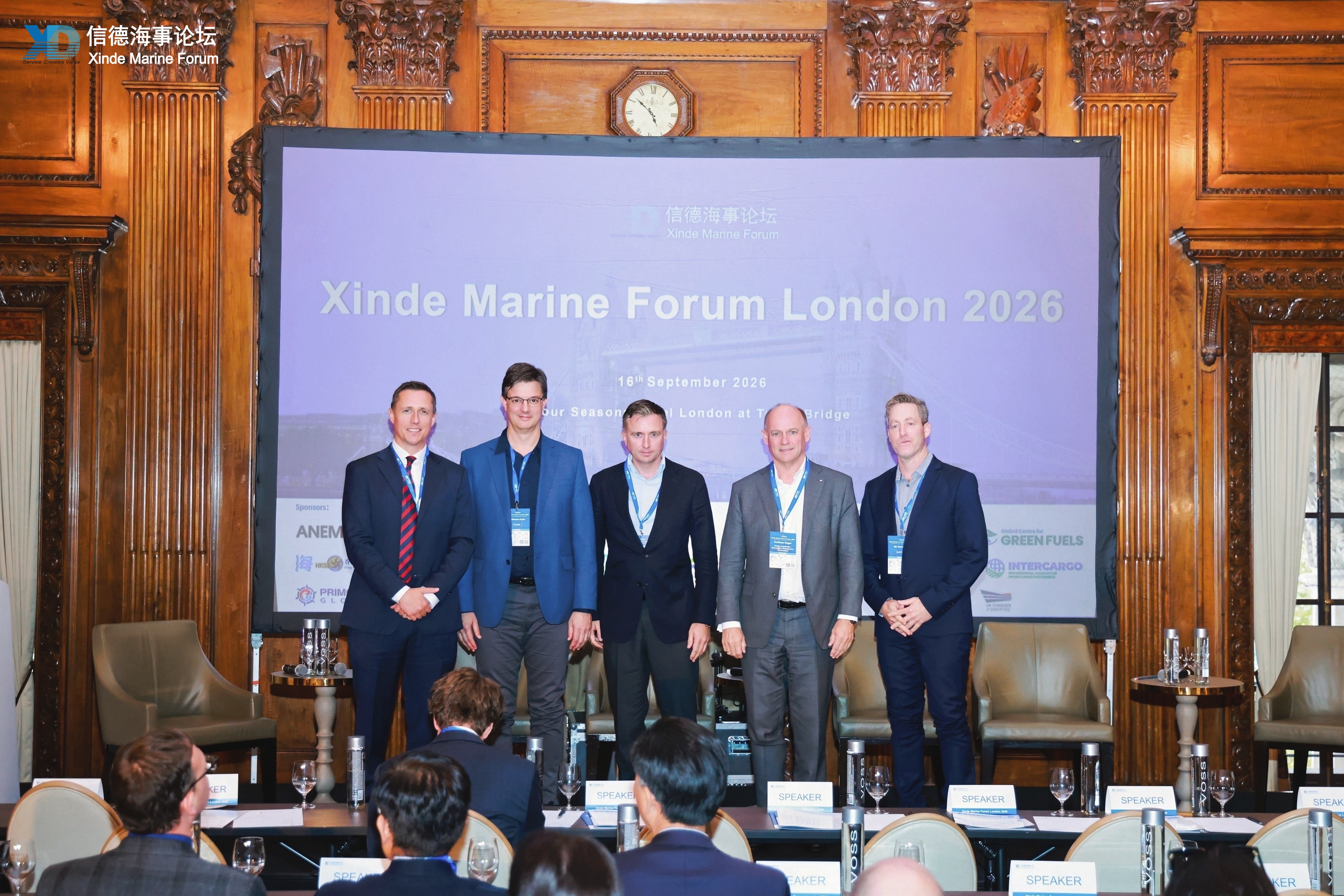
Xinde Marine Forum London 2026: Is Shipping Ready to Trust AI?
 Technology
From Cargo Movement to Market Access: Why China–GCC Project Logistics is Entering a New Phase
 Technology
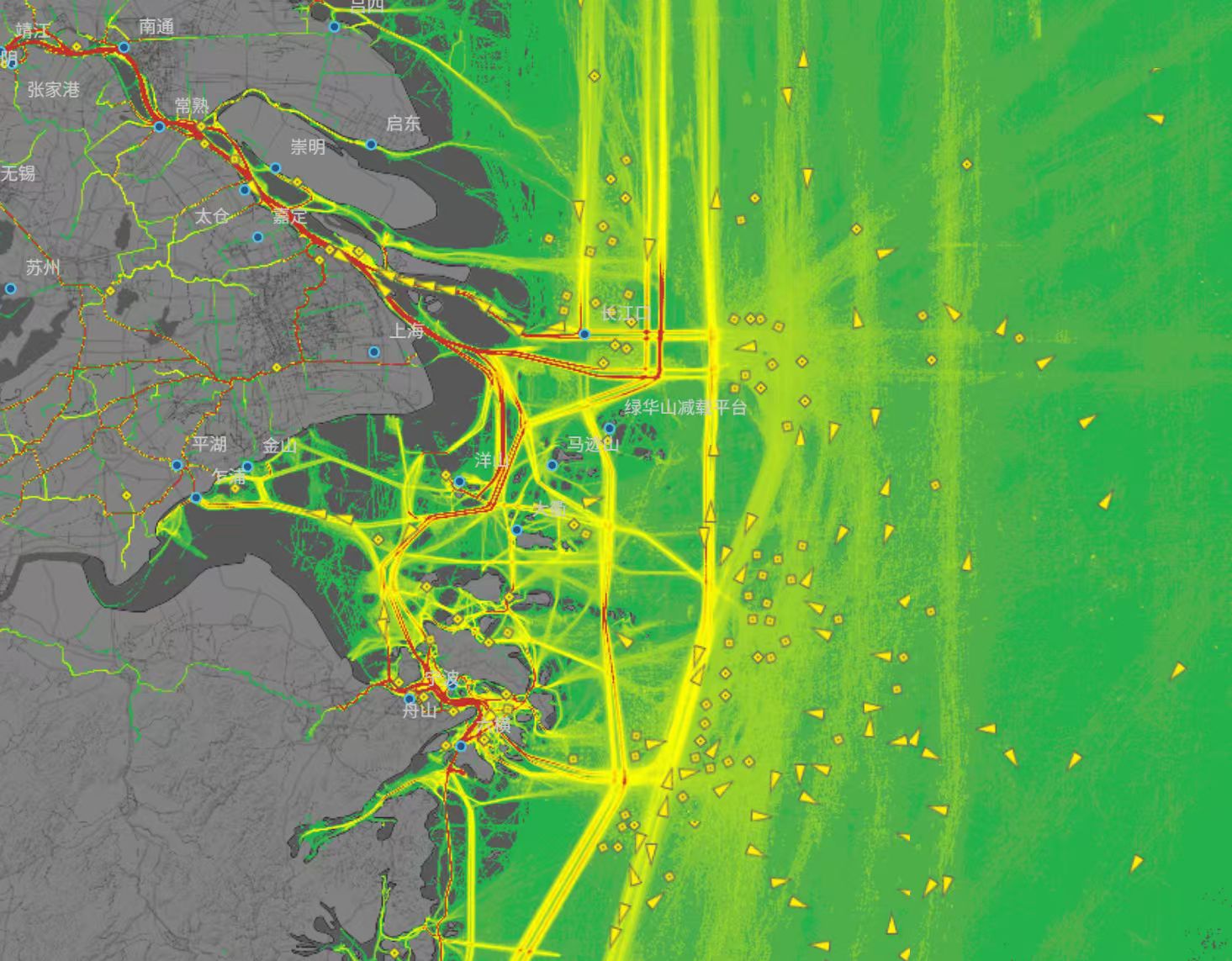
HiFleet Schedule Watch Shanghai Call Omissions Dominate as Ningbo Sees Both Retained and Omitted Calls
 Technology