


The Panama Canal is tightening draft limits again — a reminder that climate risk is now an operational variable for global shipping.
.
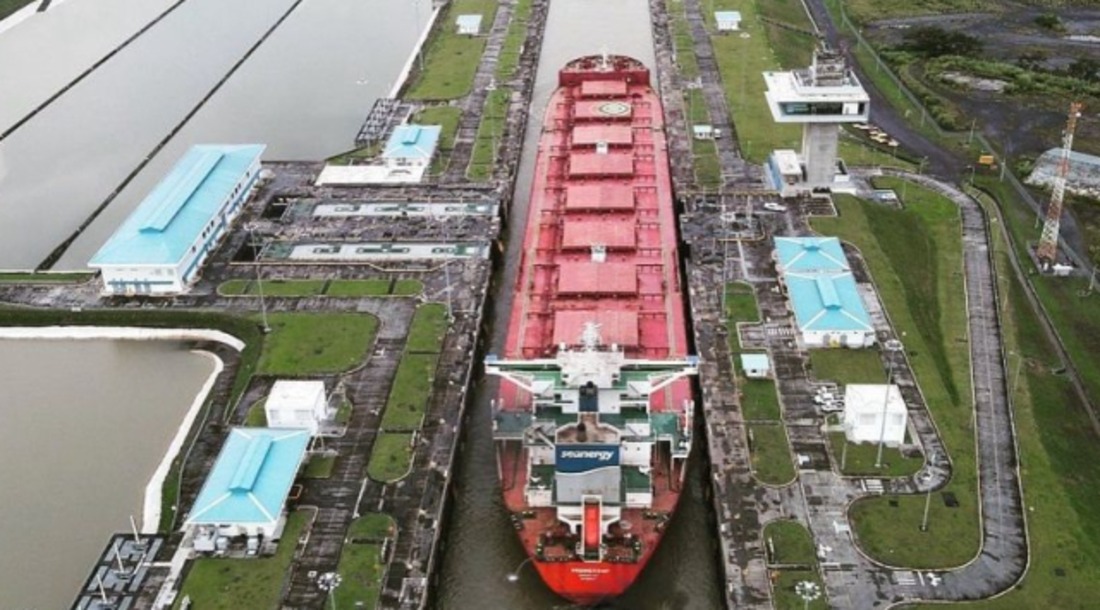

According to the Panama Canal Authority, the maximum authorised draft for vessels transiting the Neopanamax Locks will be reduced in stages:
From July 3: 49.5 feet TFW
From July 24: 49.0 feet TFW
From August 15: 48.5 feet TFW
The move comes as the Canal continues to manage water resources carefully amid changing hydrological conditions and the expected strengthening of El Niño.
This is not yet a repeat of the extreme drought crisis seen in 2023–2024, when strict draft and transit restrictions caused serious disruption to global shipping. Current traffic through the Canal remains relatively stable, with daily transits still close to high operating levels.
But the signal is important.
For container lines, bulk carriers, LNG/LPG players and cargo owners, Panama Canal water levels are no longer just a regional weather issue. They directly affect load planning, vessel deployment, schedule reliability, routing choices and supply chain resilience.
The Panama Canal carries around 5% of global seaborne trade. Its most critical fuel is not oil, LNG or methanol — it is freshwater.
As El Niño strengthens, the industry will need to watch not only freight rates and port congestion, but also rainfall, lake levels and water management.
Climate volatility is becoming part of maritime operations.

READ MORE
 Ports & Terminals
$4 Million for a Panama Canal Slot: The Price of Time Is Surging
 Ports & Terminals
MSC’s Global Expansion Meets Regulatory Limits as Barcelona BEST Terminal Deal Is Terminated
 Ports & Terminals
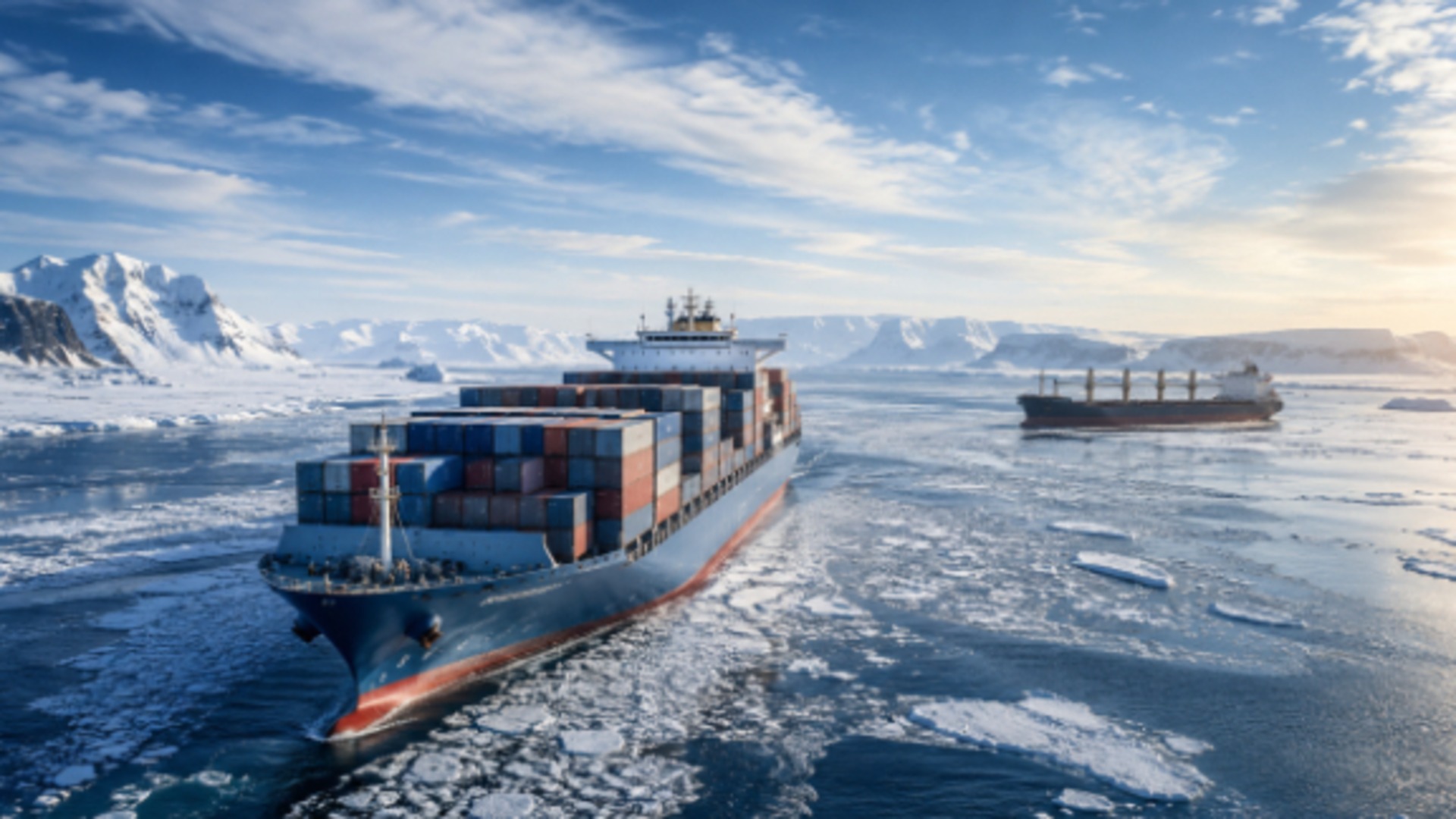
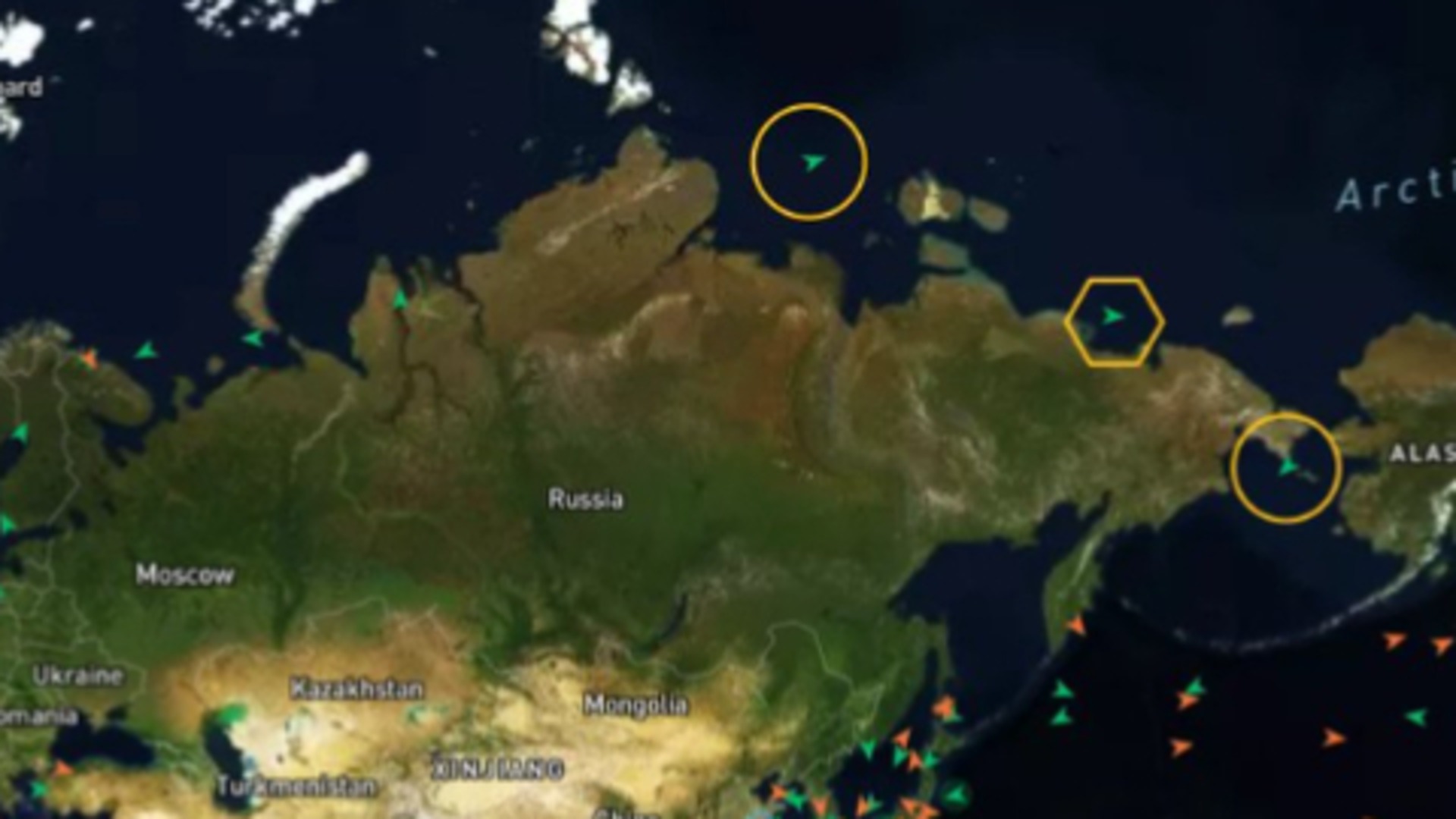
China Lines Up 2026 Arctic Voyages as Six Operators Deploy Container and Bulk Tonnage
 Ports & Terminals
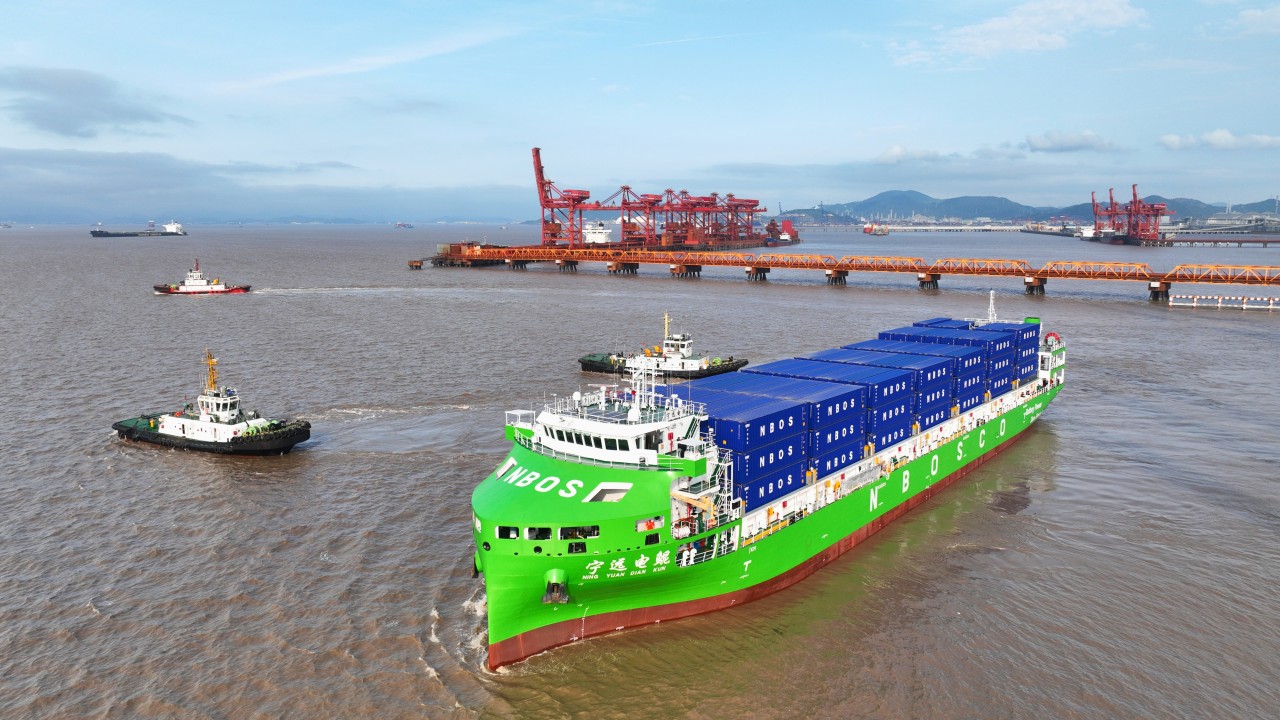
Why Are Two Chinese Port Groups Joining Forces? Ningbo and Beibu Gulf Build a New China–ASEAN Shipping Corridor
 Ports & Terminals
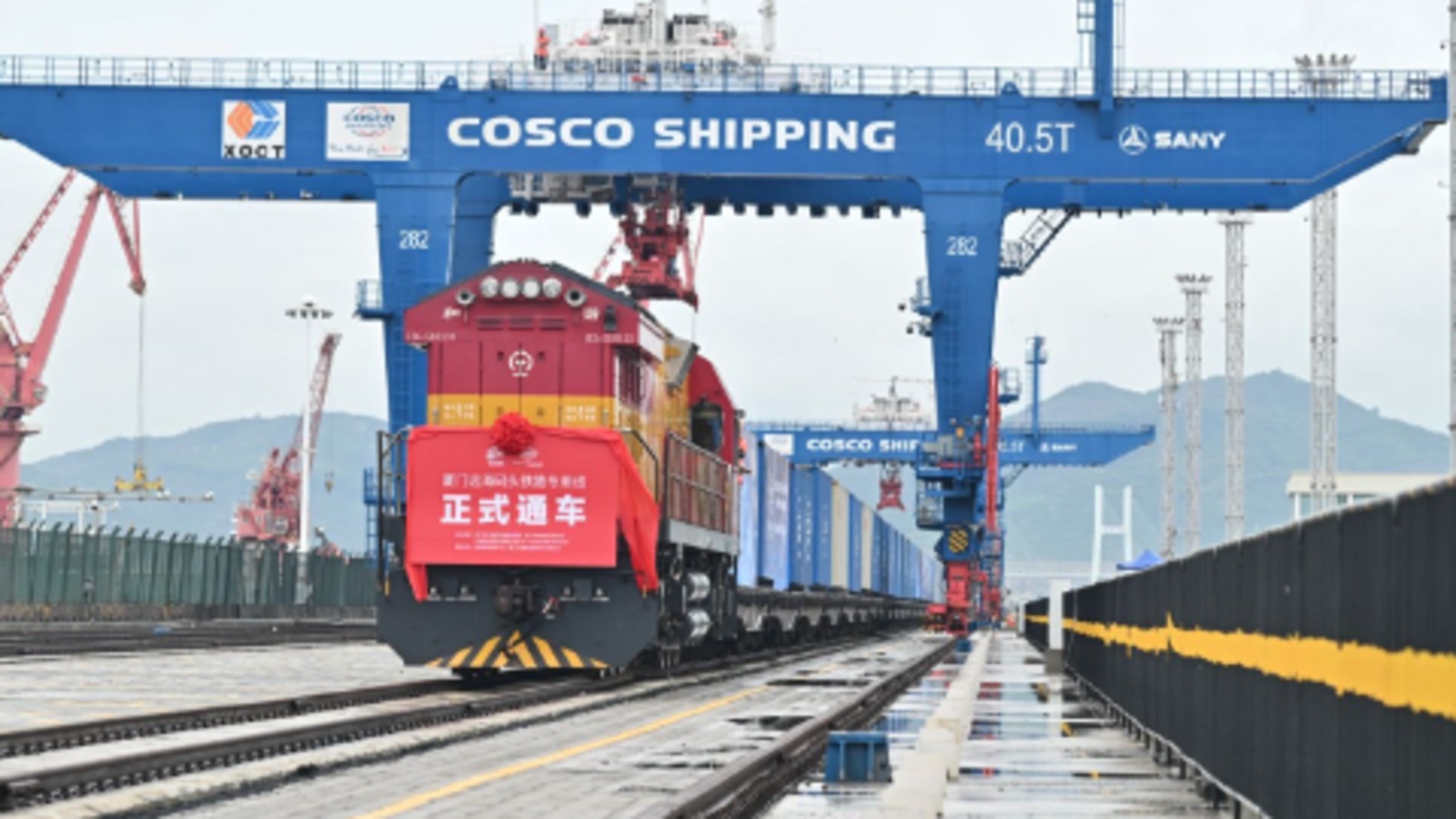
China’s First Rail Link Running Perpendicular to the Quay Opens at COSCO SHIPPING Ports’ Xiamen Ocean Gate Terminal
 Ports & Terminals
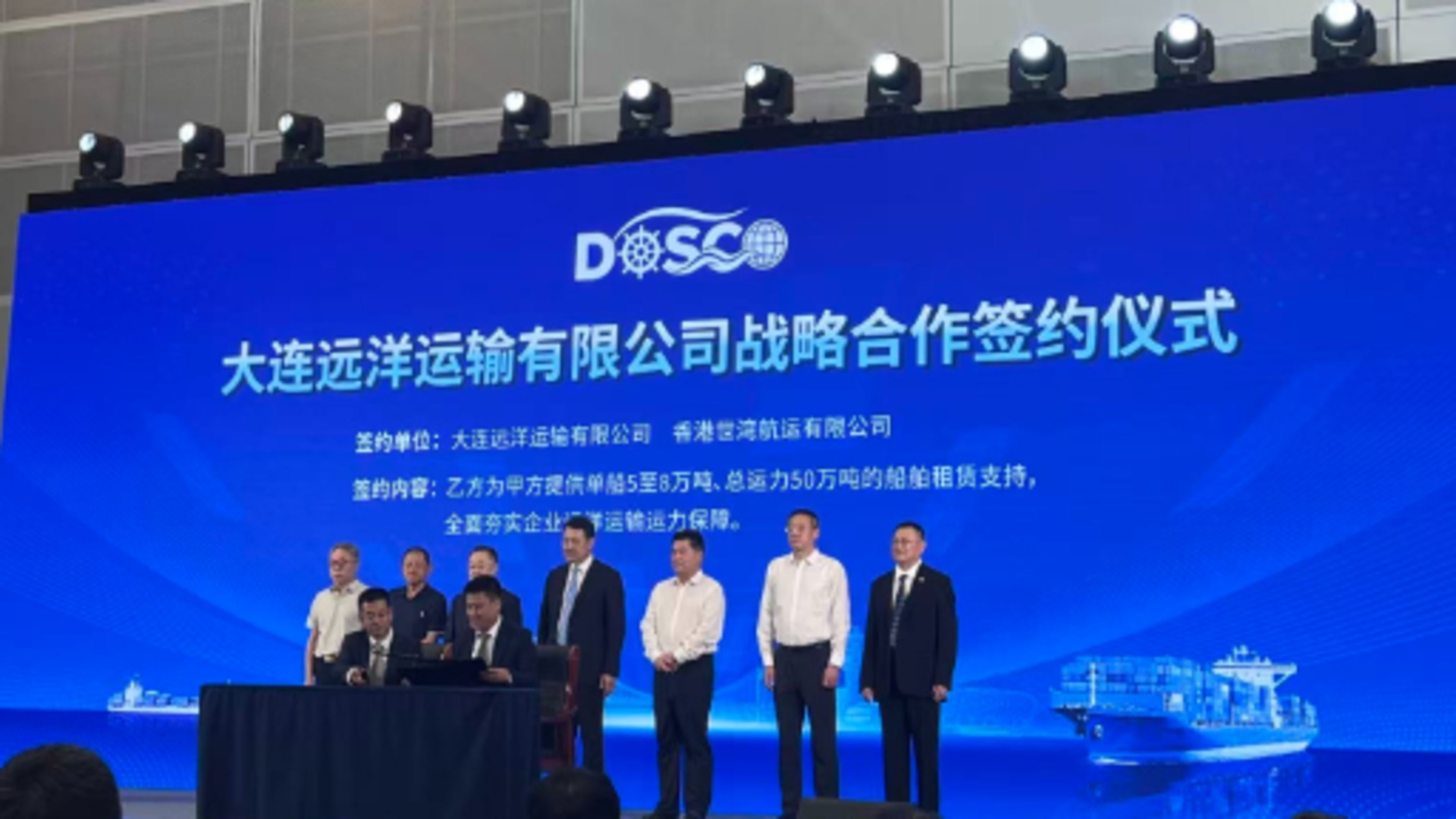
Dalian Launches Local Deep-Sea Shipping Platform, Securing 1.5 Million Tonnes of Cargo and 500,000 DWT of Capacity
 Ports & Terminals
China and Panama move toward renewing maritime transport agreement, signaling a reset in shipping ties
 Ports & Terminals
Shenzhen, Yantian and Los Angeles Deepen Green Shipping Corridor Cooperation
 Ports & Terminals
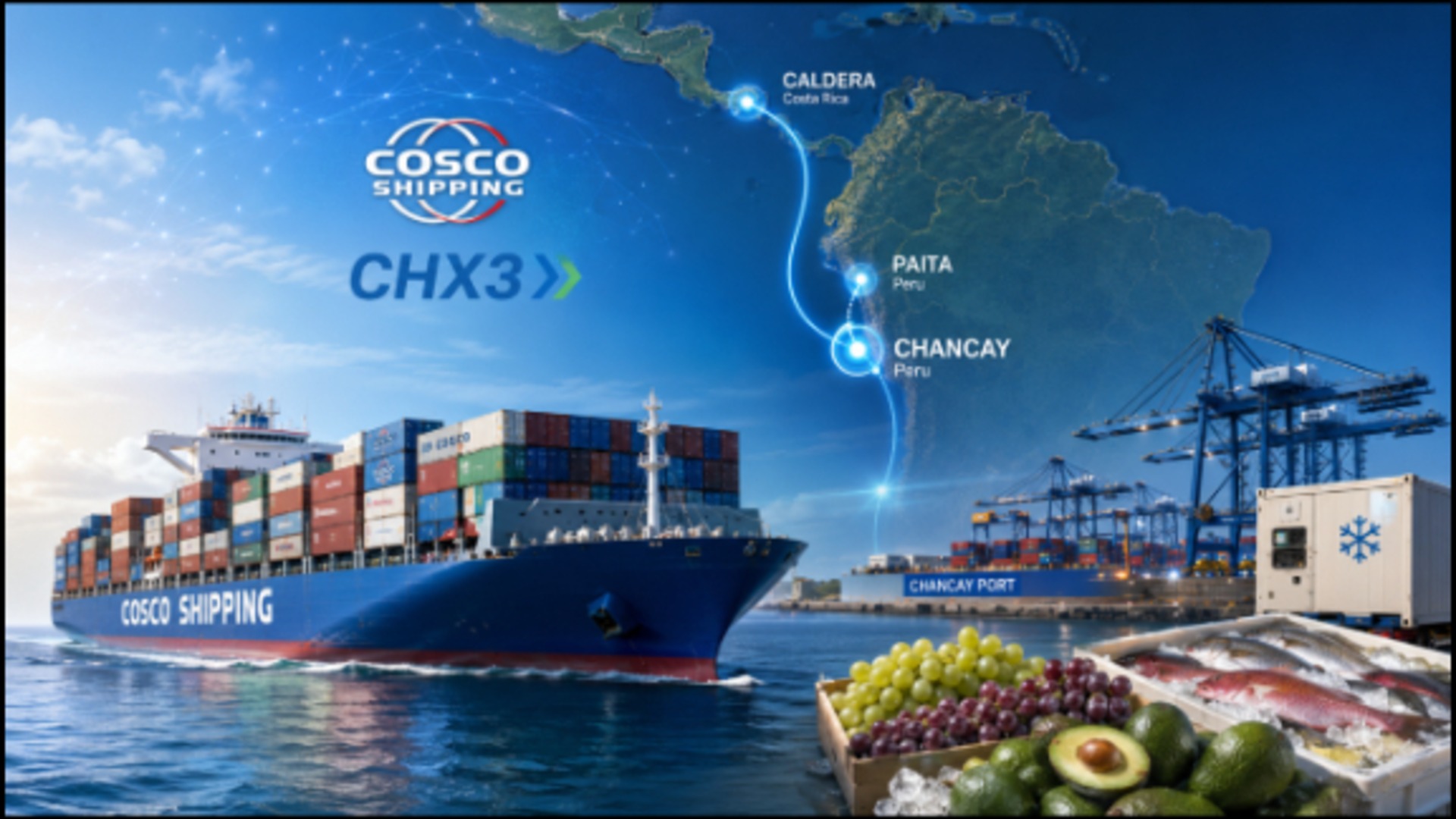
COSCO SHIPPING Holdings is further expanding the regional shipping network centred on the Port of Chancay in Peru.
 Ports & Terminals