


Shenzhen, Yantian and Los Angeles Deepen Green Shipping Corridor Cooperation

Cooperation between Shenzhen Port, Yantian International Container Terminals and the Port of Los Angeles is moving into a deeper and more structured phase, with green shipping corridors, clean marine fuels and low-carbon supply chains placed at the centre of their latest agreement.
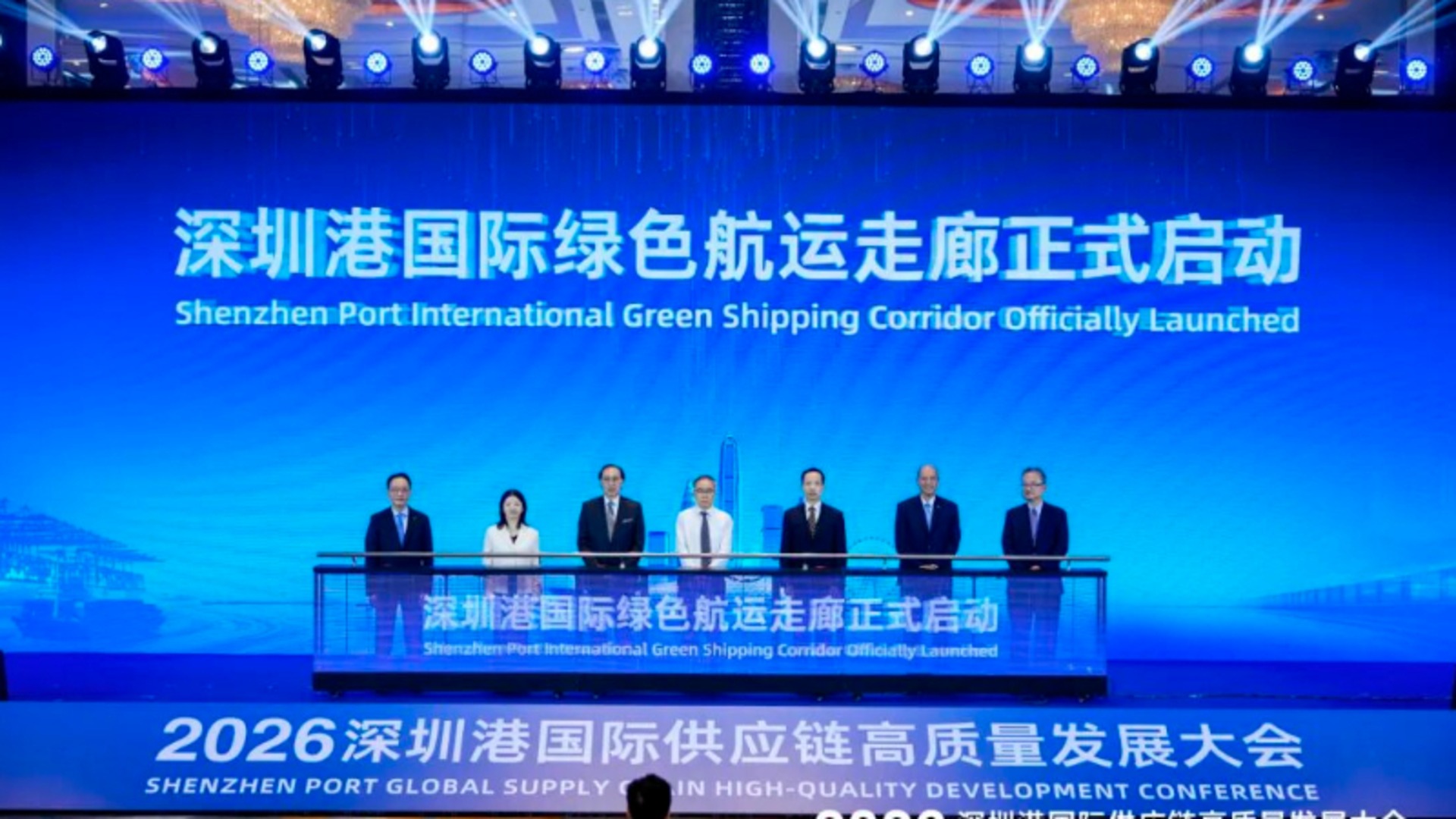
On July 9, the Port of Los Angeles signed a memorandum of understanding with Shenzhen Port Group and Yantian International during the 2026 Shenzhen Port Global Supply Chain High-Quality Development Conference in Shenzhen.
The agreement builds on an existing partnership established several years ago. In May 2024, Yantian International, the Port of Los Angeles, Shenzhen Port Group and the North American Representative Office of Shenzhen signed a memorandum of cooperation in San Francisco covering clean energy, zero- and low-carbon technologies, green infrastructure, port digitalisation and maritime supply chain efficiency.
The latest MOU therefore represents a continuation and expansion of that cooperation, providing a broader institutional framework for the parties to advance green port technologies, clean energy applications, maritime innovation, logistics and global supply chain development.
Port of Los Angeles Executive Director Gene Seroka said the agreement would create new opportunities to share innovation, advance sustainable port operations and build more resilient supply chains.
“Together, we’re helping shape a cleaner, more efficient future for global trade,” Seroka said.
Under the expanded cooperation framework, the three parties will promote technical exchanges, best-practice sharing, joint research, demonstration projects, business development and regular dialogue. Future cooperation will also cover trade facilitation, supply chain optimisation and maritime workforce development.
A major outcome of the conference was the further expansion of the partnership into a multilateral green shipping corridor framework.
The Shenzhen Municipal Transport Bureau, Shenzhen Maritime Safety Administration, Shenzhen Port Group, Yantian International, the Port of Los Angeles and the Port of Long Beach jointly launched the Shenzhen Port International Green Shipping Corridor Cooperation Initiative.
The six-party initiative will focus on port energy transition, cleaner marine fuels, bunkering infrastructure, advanced maritime technologies, operational efficiency and the development of near-zero-carbon ports.
It also aims to establish emissions-reduction pathways that are clearly defined, measurable and verifiable, allowing ports, shipping companies, cargo owners, manufacturers, fuel suppliers and other supply chain participants to coordinate their decarbonisation efforts.
The new initiative broadens the cooperation beyond individual ports and terminal operators. By bringing together transport authorities, maritime regulators and three major container gateways on both sides of the Pacific, it creates a more comprehensive platform for turning earlier bilateral commitments into practical green corridor projects.
Shenzhen Port and Yantian are among the most important gateways connecting South China’s manufacturing base with international markets, while the ports of Los Angeles and Long Beach form the largest container port complex in the United States and play a central role in trans-Pacific trade.
This trade relationship provides a strong commercial foundation for green corridor development. Regular container services, large cargo volumes and established links between shipping companies, cargo owners and terminal operators could support future trials involving lower-emission vessels, cleaner marine fuels and more efficient port operations.
The cooperation is expected to cover the development of clean-fuel supply and bunkering capacity, greater use of digital technologies, improvements in cargo-handling efficiency and stronger coordination among ports, carriers, cargo owners and energy suppliers.
The conference, jointly hosted by Shenzhen Port Group and Hutchison Ports, was held under the theme “Sharing New APEC Development Opportunities, Creating a New Future for Port and Shipping Cooperation.” It attracted around 850 representatives from ports, ocean carriers, cargo owners, manufacturers, government agencies and industry associations.
For the Port of Los Angeles, the Shenzhen cooperation forms part of a wider strategy to build an international network of green shipping partnerships across the Pacific. The port has already developed related cooperation with Shanghai, Singapore, Guangzhou, Tokyo, Yokohama, Nagoya and partners in Vietnam.
The latest agreements signal that cooperation between Shenzhen, Yantian and Los Angeles is progressing from broad commitments on green port development towards a more coordinated green shipping corridor model.
Its longer-term value will depend on the parties’ ability to convert the framework into practical projects involving clean fuel infrastructure, vessel deployment, cargo demand, port technologies and measurable emissions reductions along trans-Pacific supply chains.


READ MORE
 Ports & Terminals
China Lines Up 2026 Arctic Voyages as Six Operators Deploy Container and Bulk Tonnage
 Ports & Terminals
China’s First Rail Link Running Perpendicular to the Quay Opens at COSCO SHIPPING Ports’ Xiamen Ocean Gate Terminal
 Ports & Terminals
Dalian Launches Local Deep-Sea Shipping Platform, Securing 1.5 Million Tonnes of Cargo and 500,000 DWT of Capacity
 Ports & Terminals
MSC’s Global Expansion Meets Regulatory Limits as Barcelona BEST Terminal Deal Is Terminated
 Ports & Terminals
China and Panama move toward renewing maritime transport agreement, signaling a reset in shipping ties
 Ports & Terminals
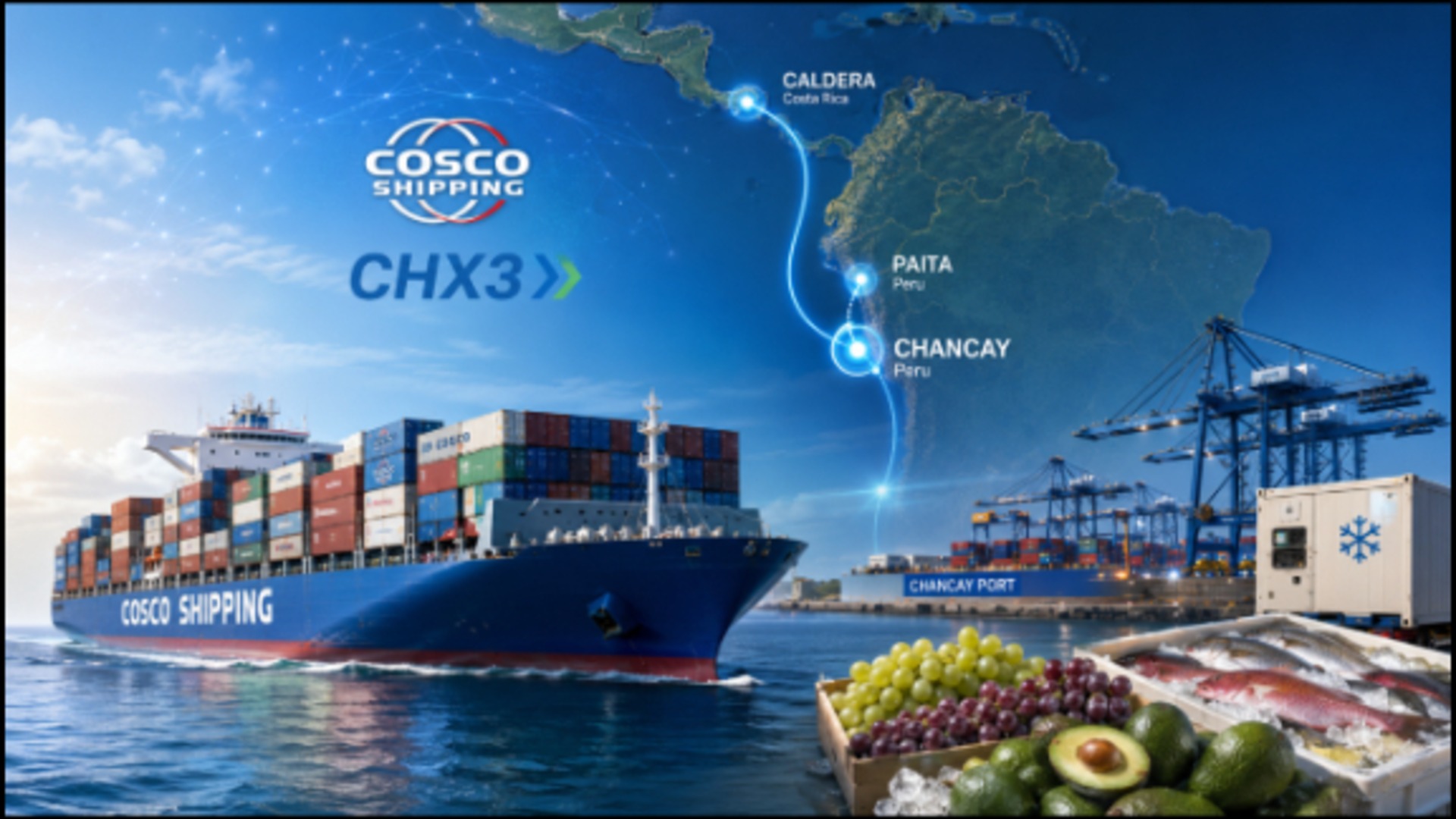
COSCO SHIPPING Holdings is further expanding the regional shipping network centred on the Port of Chancay in Peru.
 Ports & Terminals
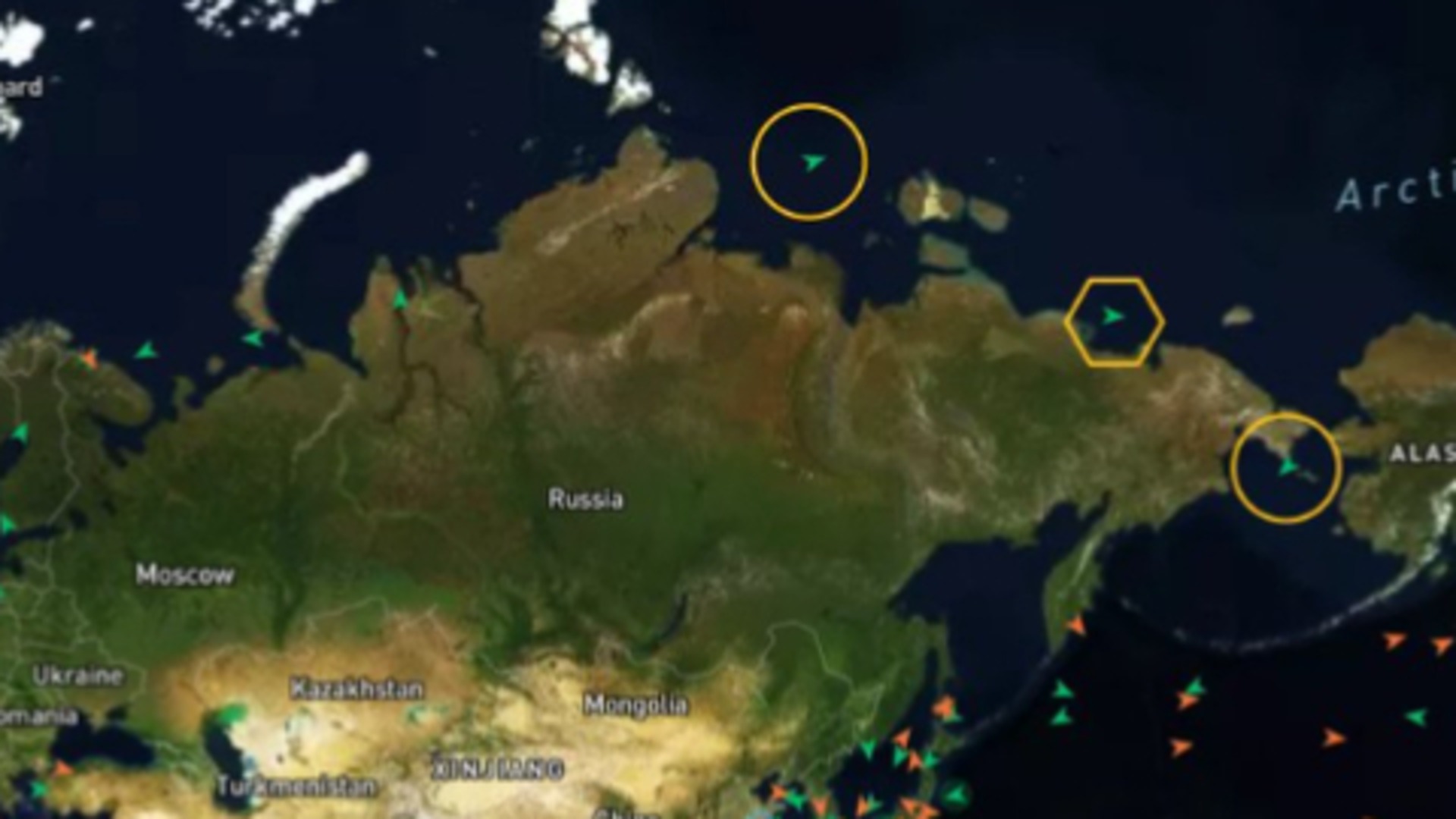
The Northern Route Is Becoming a Specialised Energy Corridor
 Ports & Terminals
Panama Flag Exodus Accelerates as 642 Ships Reflag in First Half of 2026
 Ports & Terminals
Shanghai Overtakes London to Become World’s Second-Leading International Shipping Centre
 Ports & Terminals