


Hapag-Lloyd Presses Ahead With Terminal Expansion
HGT plans 20% stake in Eurogate Container Terminal Hamburg and further investment in Tangier’s TC3 terminal
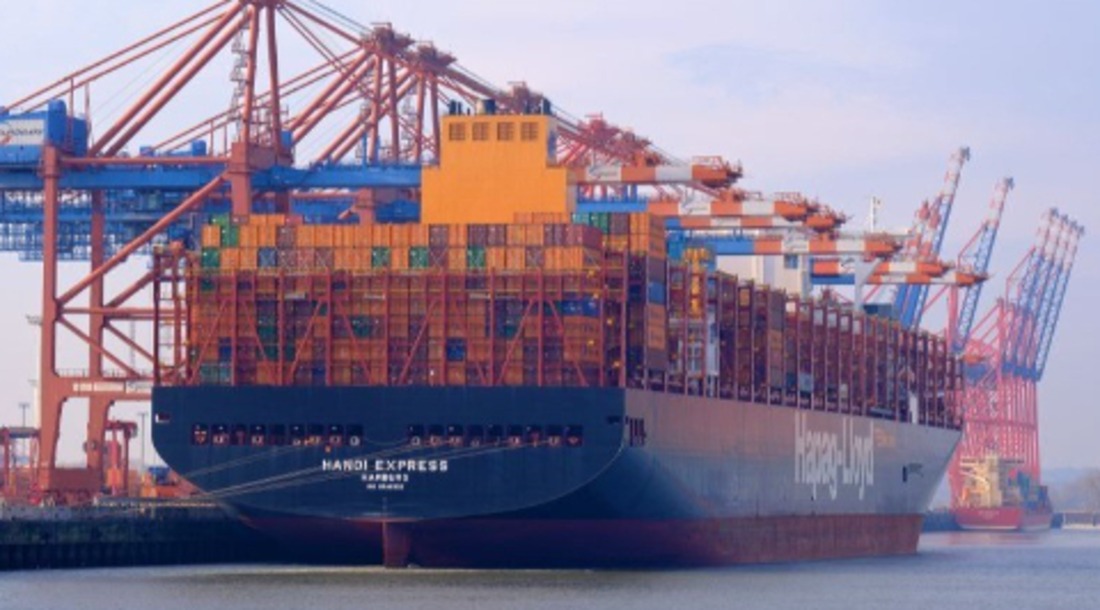
Hapag-Lloyd is taking another step in expanding its global terminal portfolio, as the German liner giant continues to strengthen its position in key port infrastructure.
Hanseatic Global Terminals (HGT), the terminal and infrastructure arm of Hapag-Lloyd Group, has signed a term sheet for the intended acquisition of a 20% stake in Eurogate Container Terminal Hamburg (CTH). In parallel, HGT also plans to increase its stake in the TC3 container terminal at the Moroccan port of Tangier from 10% to 20%.
The transaction remains subject to the negotiation and finalisation of binding agreements, as well as approval by the relevant authorities and regulators. It is therefore still a planned investment rather than a completed acquisition.
Even so, the move underlines a clear direction in Hapag-Lloyd’s strategy: terminal assets are no longer just supporting infrastructure for liner operations. They are becoming a more important part of the group’s long-term growth and resilience strategy.
Hamburg and Tangier: two strategic nodes
CTH is one of the major container handling facilities in the Port of Hamburg, with an annual capacity of up to 2.5 million TEU. Planned investments in the terminal’s Western Extension and automation are expected to further increase its capacity and improve cargo handling efficiency.
Hamburg is not just another port for Hapag-Lloyd. It is the company’s home base and one of the most important locations in its global liner network. HGT already holds a stake in Container Terminal Altenwerder in Hamburg. If the CTH transaction is completed, Hapag-Lloyd’s terminal presence in its home port will be further strengthened.
Tangier is another key location. By increasing its stake in the TC3 terminal from 10% to 20%, HGT would reinforce its position at one of the most important transhipment hubs in the Mediterranean and North Africa. For a global carrier, Tangier is not only a regional gateway, but also an important intersection between east-west trades, African connectivity and Mediterranean networks.
Dheeraj Bhatia, CEO of Hanseatic Global Terminals, said the agreement marks another important step in strengthening HGT’s terminal portfolio in Europe. Eurogate also highlighted the long-standing partnership with Hapag-Lloyd, saying that CTH will be further developed through modernisation, digitalisation, automation and electrification of cargo handling processes.
From selective stakes to a global terminal platform
Hapag-Lloyd has had terminal exposure for years. Earlier investments, including stakes in Hamburg’s CTA, Tangier’s TC3 and JadeWeserPort Wilhelmshaven, were largely focused on strategic positioning in key ports connected to its liner network.
But since 2022 and 2023, the pace of expansion has clearly accelerated.
In Italy, Hapag-Lloyd acquired a 49% stake in Spinelli Group, strengthening its presence in port, terminal, intermodal and logistics activities in Southern Europe.
In the Americas, the acquisition of SAAM’s terminal and logistics business marked one of the most important steps in the company’s terminal expansion. The deal, worth around $1 billion, brought Hapag-Lloyd into a portfolio of terminals across several countries in Latin America, North America and the Caribbean.
In India, Hapag-Lloyd entered J M Baxi Ports & Logistics, one of the country’s major integrated terminal and logistics providers, giving it exposure not only to container terminals but also to depots, rail and inland logistics capabilities.
In 2024, Hapag-Lloyd brought its terminal and infrastructure activities together under the Hanseatic Global Terminals brand. Based in Rotterdam, HGT now operates as an independent entity within the Hapag-Lloyd Group, focused specifically on terminals and related infrastructure.
This organisational step was important. It showed that Hapag-Lloyd’s terminal business had moved beyond a collection of supporting assets and had become a dedicated growth platform.
HGT continues to take shape
Since the creation of HGT, the group’s terminal investment activity has continued.
In France, HGT acquired a 60% stake in CNMP LH, the operator of Atlantique Terminal in Le Havre, giving it a majority position at one of France’s key container gateways.
In Brazil, HGT agreed to acquire a 50% stake in the Aracruz terminal project, a greenfield port development expected to begin operations in mid-2028. The terminal is planned with a long-term annual capacity of around 1.2 million TEU, a 750-metre quay and 17-metre water depth.
In the United States, HGT completed a restructuring of the ownership of Florida International Terminal at Port Everglades, becoming the sole owner of the terminal.
The intended investment in CTH and the planned increase in the TC3 stake continue this pattern: HGT is building a portfolio across strategic gateways, transhipment hubs and growth markets.
According to HGT, the company currently manages stakes in 26 marine terminals and complementary logistics services in 13 countries, with plans to expand its portfolio to more than 30 terminal stakes by 2030.
Why liner companies are moving closer to terminals
Hapag-Lloyd’s terminal expansion is part of a broader industry trend.
In recent years, major liner companies have increasingly invested in terminals, inland logistics, warehousing and supply chain infrastructure. The logic is straightforward. In a market where freight rates remain cyclical and supply chains are exposed to congestion, geopolitical disruption and network instability, control over key logistics nodes is becoming a source of competitive advantage.
For Hapag-Lloyd, terminal investment serves several purposes.
First, it supports more reliable access to efficient terminal capacity at critical ports. Terminal performance is now directly linked to schedule reliability and customer service.
Second, it gives the group a stronger role in the physical infrastructure of global trade. Assets in Hamburg, Tangier, Le Havre, India, Latin America and Florida are not only cargo handling facilities. They are nodes connecting ocean services, feeder networks, inland logistics and customer supply chains.
Third, terminal assets can provide more stable long-term cash flow compared with the highly cyclical container shipping market. For large liner companies, this can help balance exposure to freight market volatility.
From carrier to infrastructure stakeholder
Under Hapag-Lloyd’s Strategy 2030, terminal and infrastructure investments are gaining a clearer role. The intended CTH investment and the planned increase in TC3 ownership fit directly into that direction.
What is notable is that Hapag-Lloyd is not pursuing a single ownership model. Its terminal portfolio includes full ownership, majority stakes, minority stakes, joint ventures and greenfield projects. SAAM and FIT represent stronger control. Le Havre is a majority stake. Spinelli, J M Baxi, JadeWeserPort, Damietta, Aracruz and the planned CTH investment show a more partnership-based approach.
This suggests that Hapag-Lloyd is focused less on owning everything outright and more on securing strategic influence across the global terminal network.
For the liner shipping industry, the message is clear. Future competition will not only be about fleet size, alliance structures and service coverage. It will increasingly depend on how carriers control, access and organise key logistics nodes across ports, terminals and inland corridors.
Hapag-Lloyd’s latest planned investment may look like another equity transaction. In substance, it is another sign that global liner companies are moving deeper into the infrastructure layer of container shipping.

READ MORE
 Ports & Terminals
China and Panama move toward renewing maritime transport agreement, signaling a reset in shipping ties
 Ports & Terminals
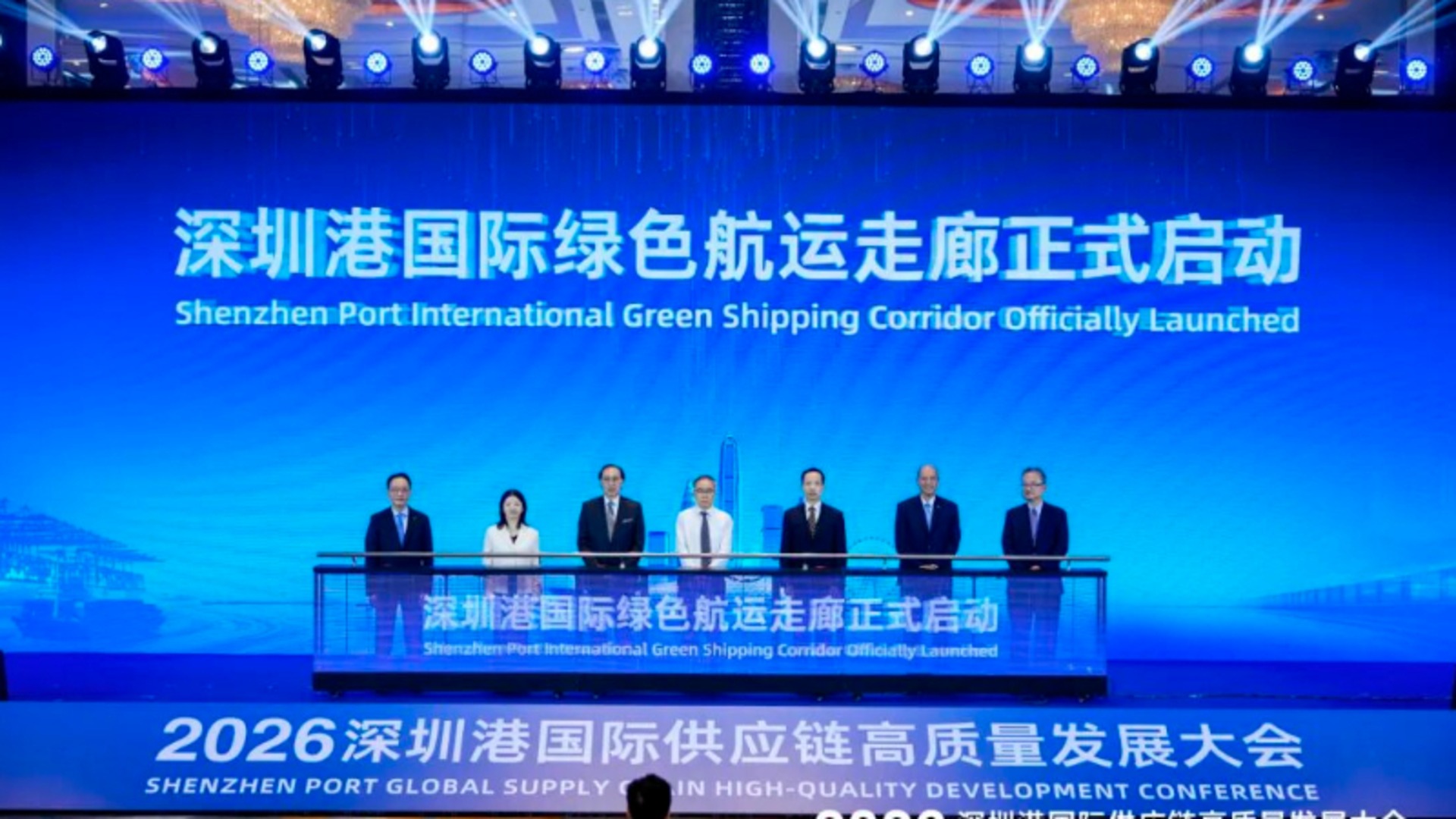
Shenzhen, Yantian and Los Angeles Deepen Green Shipping Corridor Cooperation
 Ports & Terminals
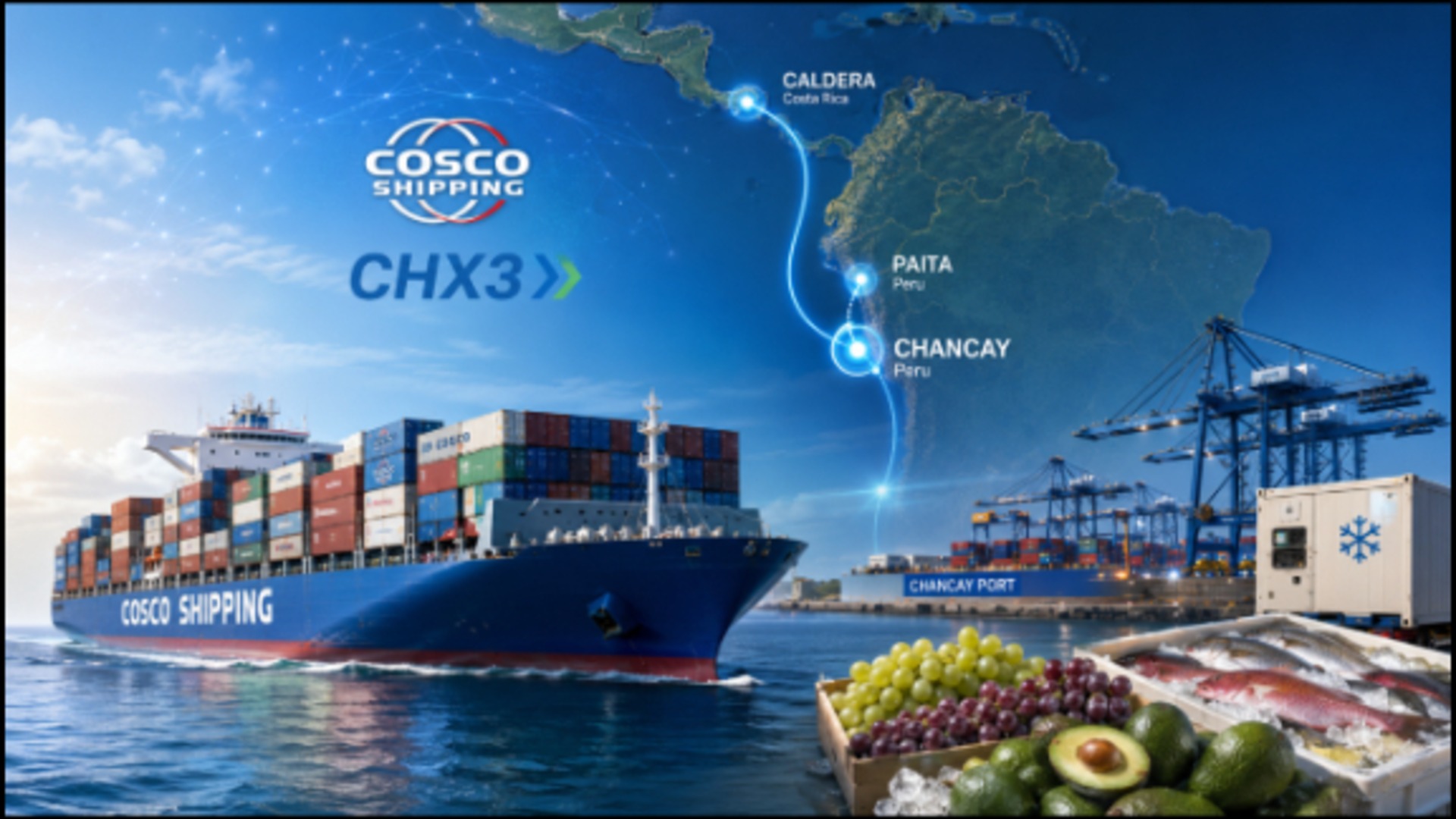
COSCO SHIPPING Holdings is further expanding the regional shipping network centred on the Port of Chancay in Peru.
 Ports & Terminals
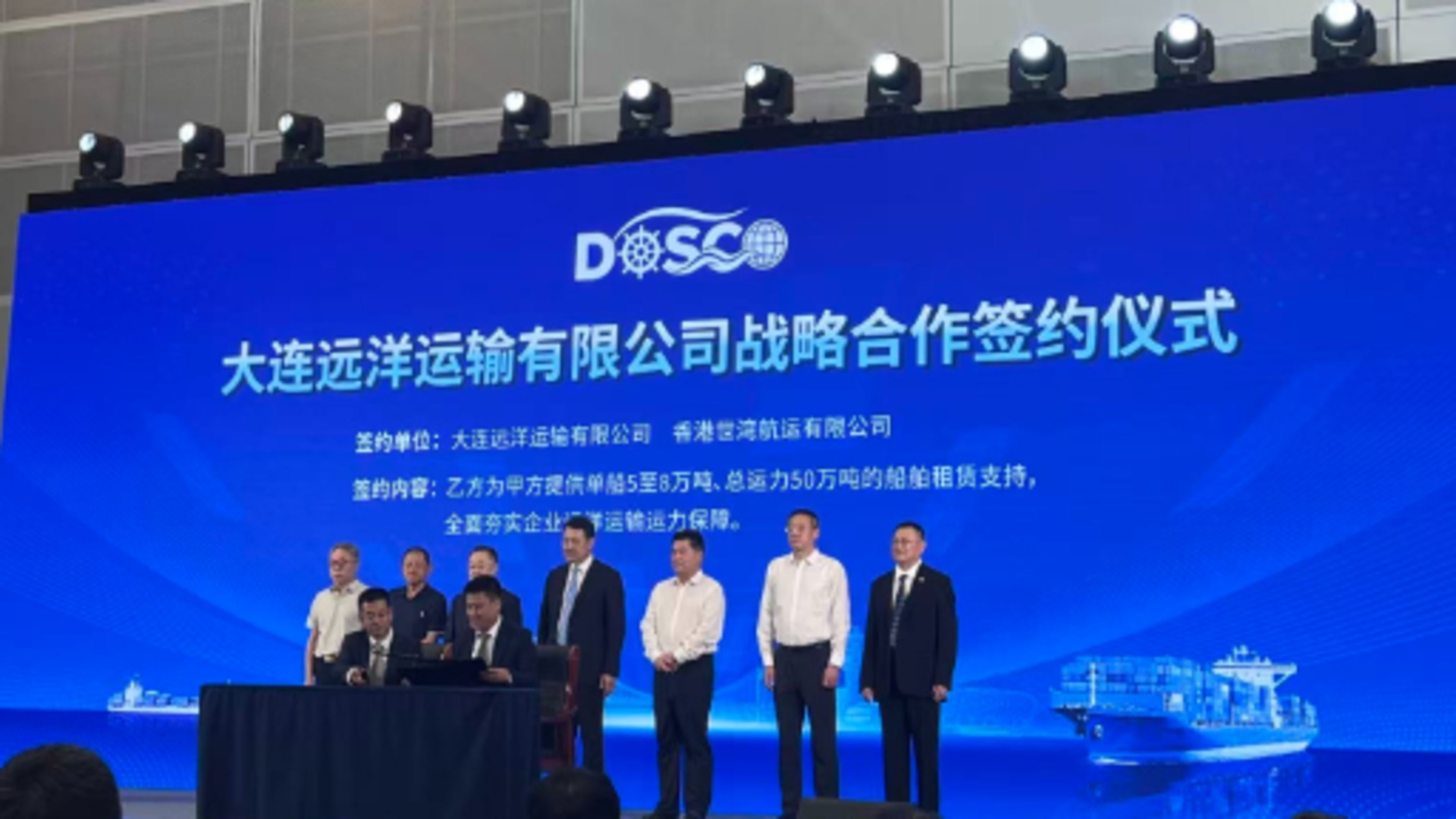
Dalian Launches Local Deep-Sea Shipping Platform, Securing 1.5 Million Tonnes of Cargo and 500,000 DWT of Capacity
 Ports & Terminals
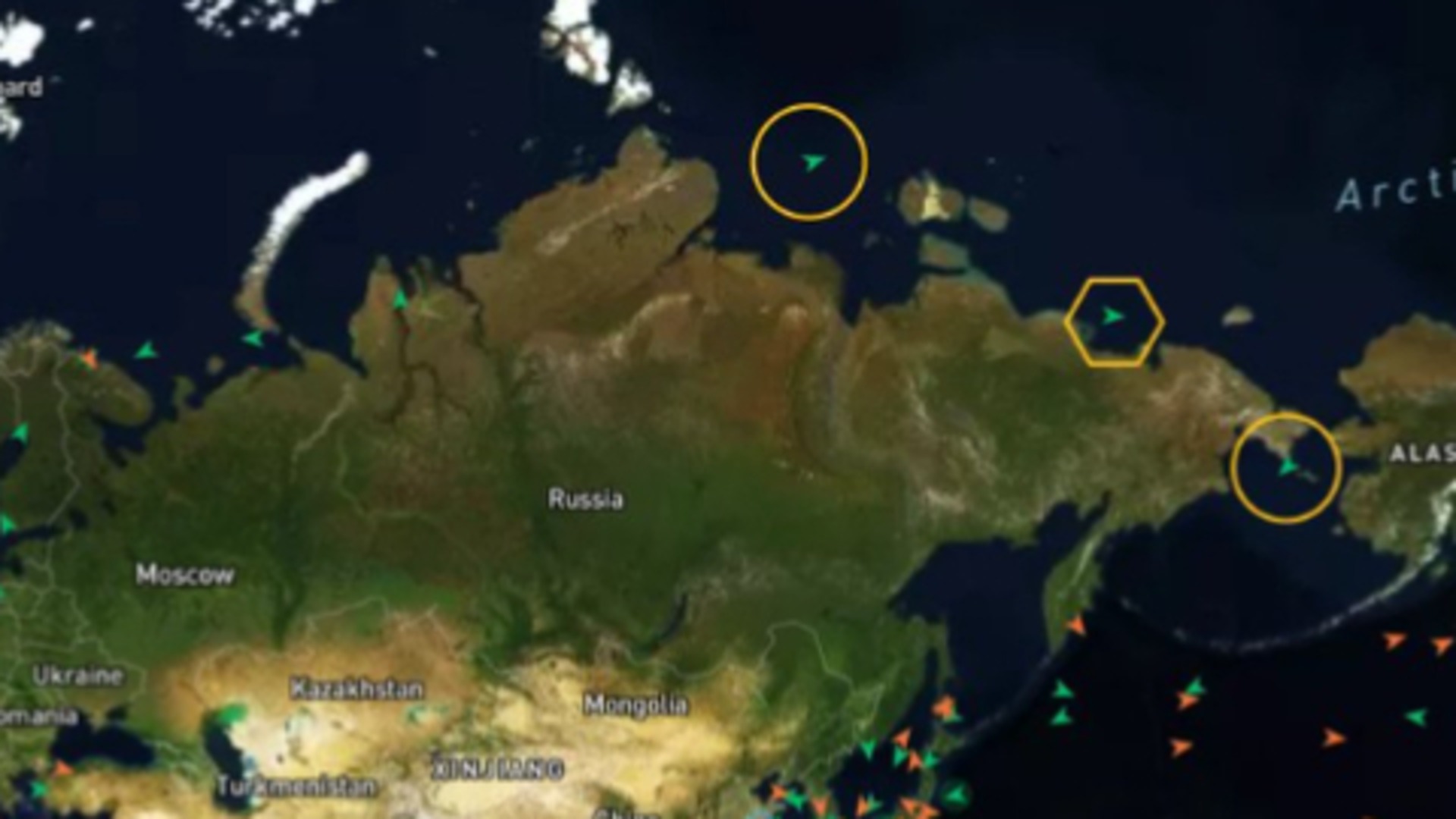
The Northern Route Is Becoming a Specialised Energy Corridor
 Ports & Terminals
Panama Flag Exodus Accelerates as 642 Ships Reflag in First Half of 2026
 Ports & Terminals
Shanghai Overtakes London to Become World’s Second-Leading International Shipping Centre
 Ports & Terminals
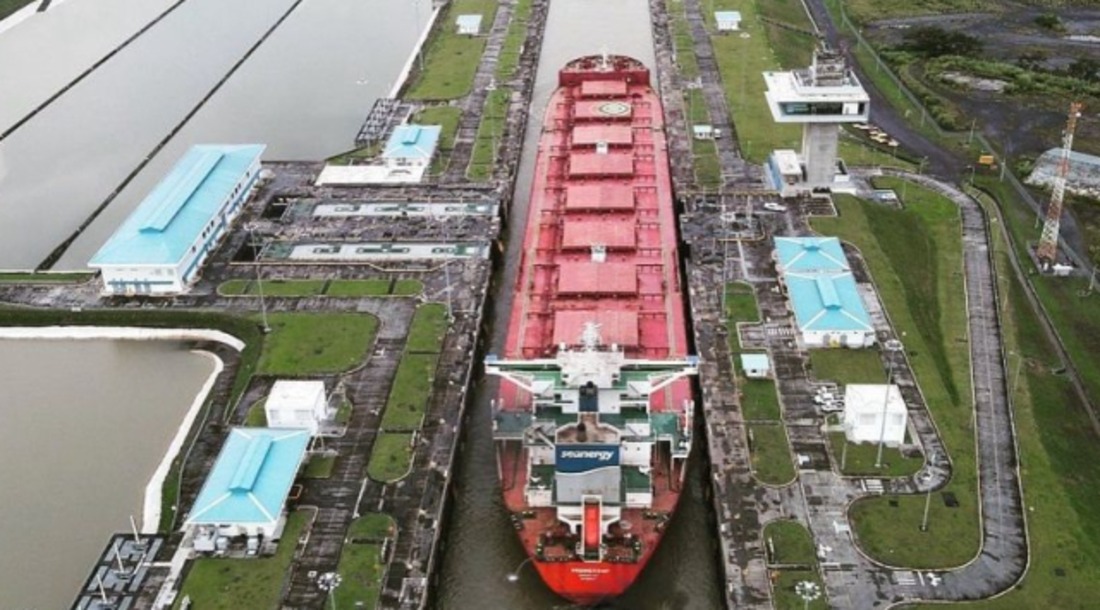
The Panama Canal is tightening draft limits again — a reminder that climate risk is now an operational variable for global shipping.
 Ports & Terminals
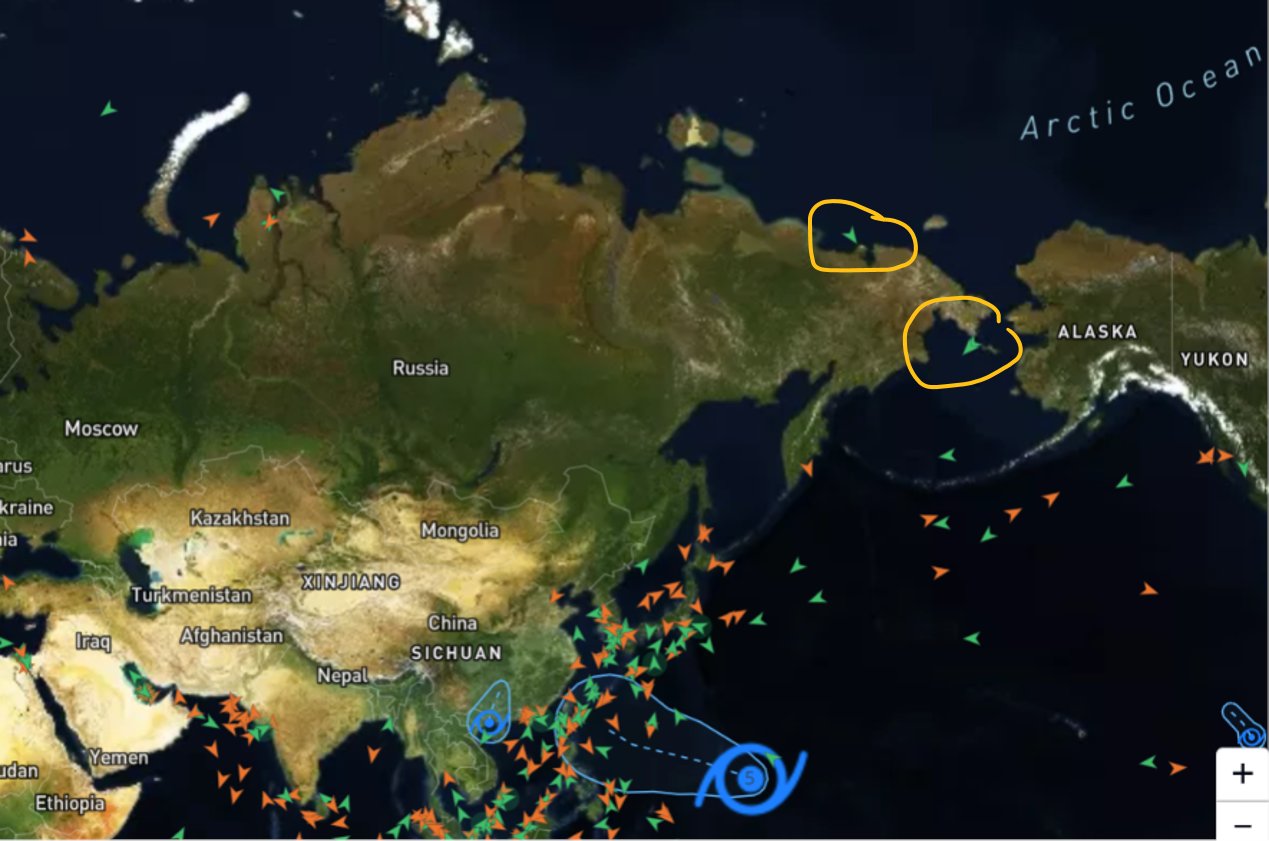
Arctic Route Opens: Two Russian LNG Carriers Head East Along the Northern Sea Route
 Ports & Terminals