

Kinetai Holdings Opens Singapore Base with Fleet Expansion and Tanker Plans
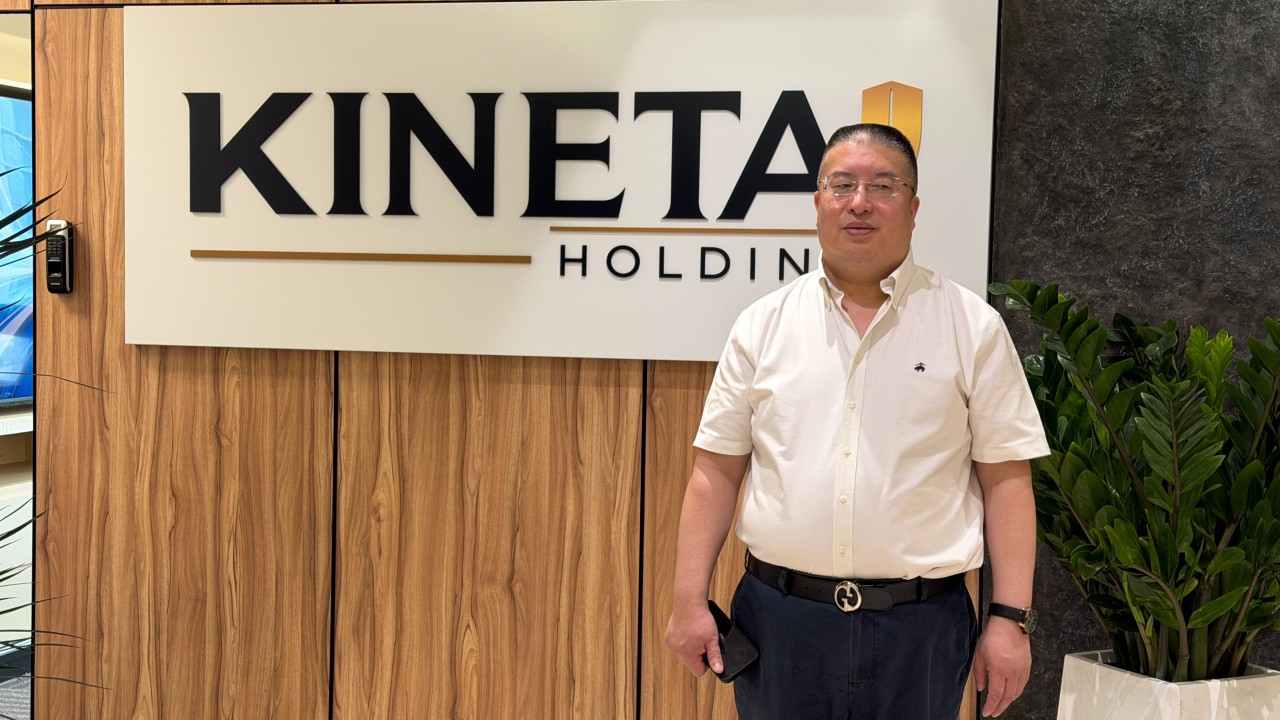

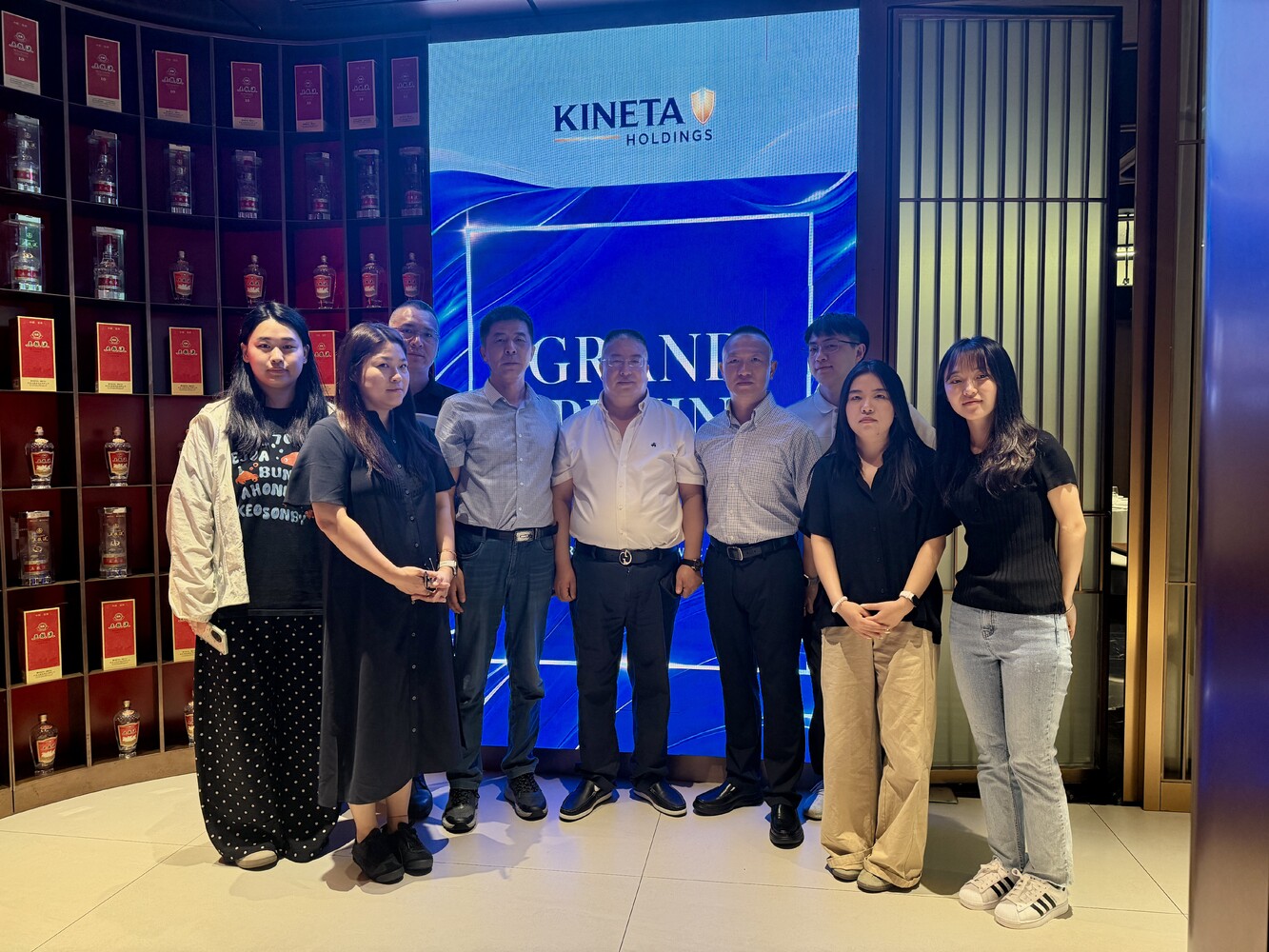
Kinetai Holdings marked the opening of its Singapore base on 8 October 2026, setting out plans to expand its international shipping business, invest in fleet renewal and enter the oil and chemical tanker market. The group intends to use Singapore as a hub for its existing breakbulk, project cargo, steel and dry bulk operations, while developing new trade routes and customer relationships. Its strategy combines further investment in these established activities with a phased approach to tanker operations.
An established shipping business behind the new base
According to Kinetai, the business draws on several years of shipping experience, an established operating fleet and a professional ship management team. Breakbulk transportation remains its core activity, alongside the carriage of heavy equipment, steel products and bulk commodities. The company plans to strengthen its ability to design transport solutions and organise voyages around the requirements of individual cargoes and projects.
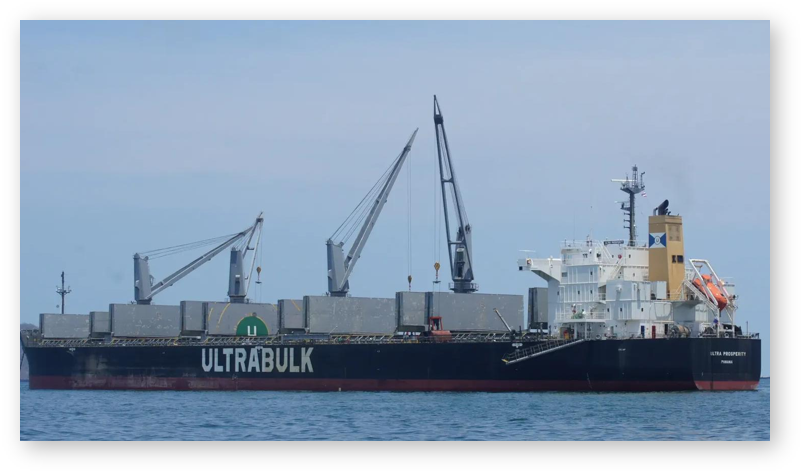
The group identifies T-ZODIAC Shipping Singapore Pte. Ltd., incorporated in Singapore in September 2024, as part of its business. ClassNK’s register lists T-ZODIAC as the registered owner of TZ VIGOR, a 58,779-dwt bulk carrier built by Tsuneishi Group (Zhoushan) Shipbuilding in 2008, with IMO number 9394832. Kinetai says vessels in the 50,000–60,000-dwt range form the backbone of its bulk and breakbulk fleet, supporting operations across different cargo types and port conditions.
This business profile provides a basis for cooperation with steel traders, engineering contractors, equipment manufacturers and commodity shippers. For project cargo customers, discussions can begin with the dimensions and weight of a shipment, its delivery schedule and the handling facilities available at each port. For bulk cargo interests, parcel size, vessel availability and voyage economics are likely to shape the transport arrangement. Recurring shipments could also support longer-term planning of capacity and voyages.
Singapore as a hub for commercial development
Singapore offers access to the professional services needed to support that development. The Maritime and Port Authority of Singapore identifies shipbroking, shipping finance, marine insurance, and maritime legal and arbitration services as components of the country’s maritime offering. For an owner planning fleet investment and entry into another shipping segment, proximity to these services can help with chartering, vessel transactions, financing and the management of international contracts.
Kinetai intends to use its Singapore base to connect Asian cargo demand with international shipping markets. Southeast Asia and the Middle East are among the areas identified for further route development, with deployment to reflect customer demand and available tonnage. This creates potential opportunities for cargo interests, port agents and logistics providers with an established presence in those markets to discuss specific shipments and voyage requirements with the company.
Extending services beyond the sea voyage
Alongside route development, Kinetai plans to bring together logistics, customs clearance, insurance and warehousing resources to offer a more integrated service. For equipment and project cargo, this would involve closer coordination between collection at the factory, delivery to the loading port, ocean transportation and onward movement at destination. The company also intends to strengthen its overseas agency network and develop online booking, cargo tracking and shipment visibility services.

These plans suggest practical areas for cooperation with project forwarders, port agents, warehouse operators and inland transport providers. Partners could contribute to cargo consolidation, port handling or final delivery, depending on the requirements of each project. Shipowners and chartering brokers could explore voyage charters, period employment or supplementary capacity for particular trades. Building these arrangements around recurring cargo demand would give Kinetai and its partners a clearer basis for coordinating vessel availability with customers’ delivery schedules.
Fleet renewal plans extend through the decade
Fleet development is another part of Kinetai’s strategy. Its company-provided plan targets delivery of two 63,000-dwt vessels during 2026–2027 to strengthen breakbulk carrying capacity, with a focus on Asia-Europe trades and emerging markets. A subsequent phase envisages the introduction of three new-generation, energy-efficient bulk carriers in 2028–2029 to support its dry bulk business.
Kinetai has identified lower emissions and operating efficiency as priorities for future vessel investment. Technologies under consideration include LNG dual-fuel and ammonia fuel options, hull optimisation and intelligent energy management. Their suitability will depend on the vessels’ intended employment, fuel availability and operating costs over their service lives. The planning process therefore offers scope for engagement with shipyards, naval architects, equipment suppliers and providers of energy-efficiency technology.
Financing institutions and leasing companies could also participate as individual fleet projects take shape. Matching the financing structure to a vessel’s expected employment and cash flow will be part of turning the development plan into operating capacity. Singapore’s concentration of maritime finance and advisory services provides a setting in which Kinetai can evaluate potential investment and financing arrangements.
A phased entry into oil and chemical tankers
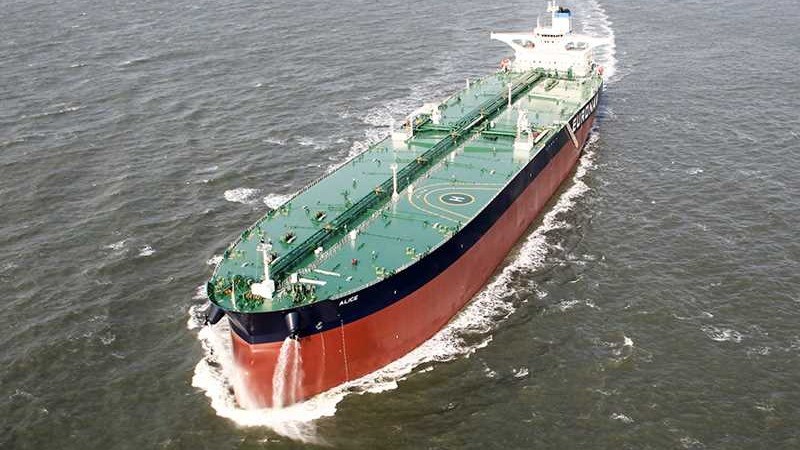
Kinetai’s proposed move into oil and chemical tanker transportation follows a staged timetable. During 2026–2027, the company plans to focus on market research and recruitment, examining trade flows, regional demand and operating models. In 2028–2029, it aims to charter or acquire one or two secondhand oil/chemical tankers for trial operations. Further investment through newbuildings or additional vessel acquisitions is envisaged from 2030 onwards, depending on the results of those initial operations and market demand.
The company plans to recruit personnel with tanker operating and management experience and work with specialist ship managers as it develops the necessary operational and safety management capabilities. This preparation creates potential roles for tanker managers, crew training organisations and other maritime service providers. For energy and chemical cargo interests, discussions could subsequently focus on matching vessel capabilities, trading areas and delivery requirements to specific transport needs.
The timetable gives prospective partners different points of entry: market knowledge and management expertise during the preparation phase, vessels and cargo for trial operations, and potentially longer-term employment or fleet investment as the business develops. Kinetai says safety, compliance, customer service and lower-carbon development will guide its expansion. Its immediate commercial foundation remains bulk and breakbulk transportation, while the planned fleet additions and tanker trials define the next opportunities for cooperation with the wider international shipping industry.



READ MORE
 Tankers
China Merchants Energy Shipping Establishes European Marketing Hub in London to Expand Global Reach
 Tankers
Guohang expands Hong Kong platform for tanker and heavy-lift push
 Tankers
A 15-Year-Old VLCC Sells for $161 Million as Tanker Asset Prices Surge
 Tankers
Emarat Maritime Adds Six LR1s as China Newbuilding Programme Reaches 22 Ships
 Tankers
VLCC Benchmark Tops $1 Million a Day: How Are Owners Using the Windfall?
 Tankers