


China-U.S. Consensus Highlights Free Navigation: No Country or Entity Should Impose Transit Fees on International Waterways
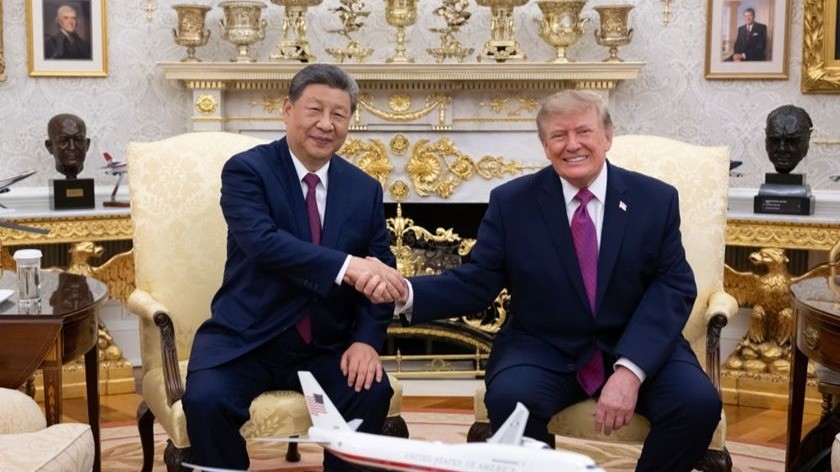

Sept. 25, 2026 — China and the United States have reached an eight-point consensus on advancing bilateral relations and strengthening cooperation in key areas during Chinese President Xi Jinping’s state visit to the United States from Sept. 23 to 25.
During meetings between the two heads of state, the two sides held in-depth exchanges on building a constructive strategic stability relationship and addressing major international and regional issues. The discussions resulted in a series of agreements aimed at promoting dialogue, cooperation, and mutual understanding.
The two countries agreed to develop a constructive strategic stability relationship based on mutual respect, fairness, and reciprocity. Both sides emphasized the importance of maintaining communication and managing differences through dialogue.
China and the United States also agreed to support each other in successfully hosting major international events, including the Asia-Pacific Economic Cooperation (APEC) Economic Leaders’ Meeting and the G20 Leaders’ Summit. The two leaders expressed their intention to attend meetings hosted by the other side.
On international security issues, the two leaders agreed that Iran should fulfill its commitment not to develop nuclear weapons, while emphasizing that no country or organization should impose transit fees on international waterways.
The leaders also recalled that China and the United States were allies during World War II, working together to achieve victory, highlighting the historical foundation of cooperation between the two nations.
In the economic and trade field, both sides recognized the positive role of the China-U.S. economic and trade consultation mechanism. The two countries welcomed the outcomes achieved by their economic teams, including the establishment and advancement of mechanisms such as a trade council, a US$30 billion reciprocal tariff reduction arrangement, and the implementation of previous consultation results reached in Kuala Lumpur.
Cooperation in combating drug-related crimes has also produced tangible results. Law enforcement agencies from both countries have strengthened collaboration, jointly cracking several cases involving new psychoactive substances and precursor chemicals, leading to the arrest of dozens of suspects in both countries.
Regarding emerging technologies, China and the United States agreed to establish a China-U.S. artificial intelligence dialogue mechanism to exchange views on AI-related risks and opportunities. The next dialogue is scheduled for November, and both sides agreed to establish communication channels for addressing artificial intelligence-related incidents.
In cultural and people-to-people exchanges, the United States welcomed the arrival of a pair of giant pandas from China through a cooperative panda loan program to the Atlanta Zoo.
In addition to the eight-point consensus, the Chinese and U.S. militaries agreed to work toward signing a memorandum of understanding on strengthening crisis communication and prevention mechanisms. The two sides also agreed to continue cooperation in searching for the remains of U.S. military personnel missing in China.
The latest agreements reflect efforts by both countries to expand cooperation, manage differences, and maintain communication on issues of shared interest.


READ MORE
 Safety
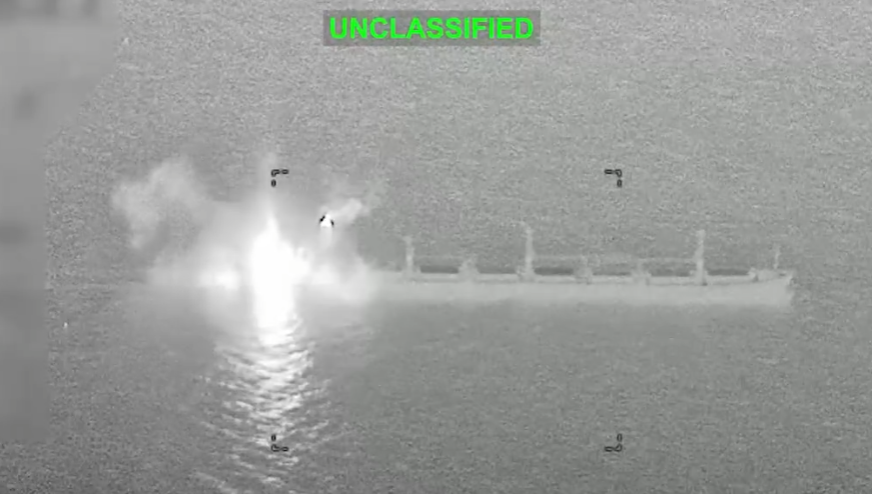
US Says It Disabled Hong Kong-Owned Bulker off Oman
 Safety
Attacked Just 42Days After Delivery: George Prokopiou’s 115,000-Dwt Tanker Hit in Hormuz
 Safety
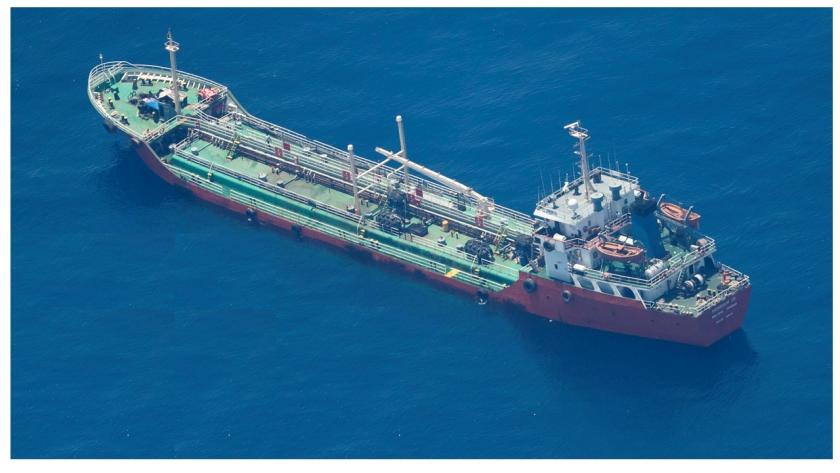
Five Seafarers Reported Dead as Puntland Retakes Hijacked Tanker Honour 25
 Safety
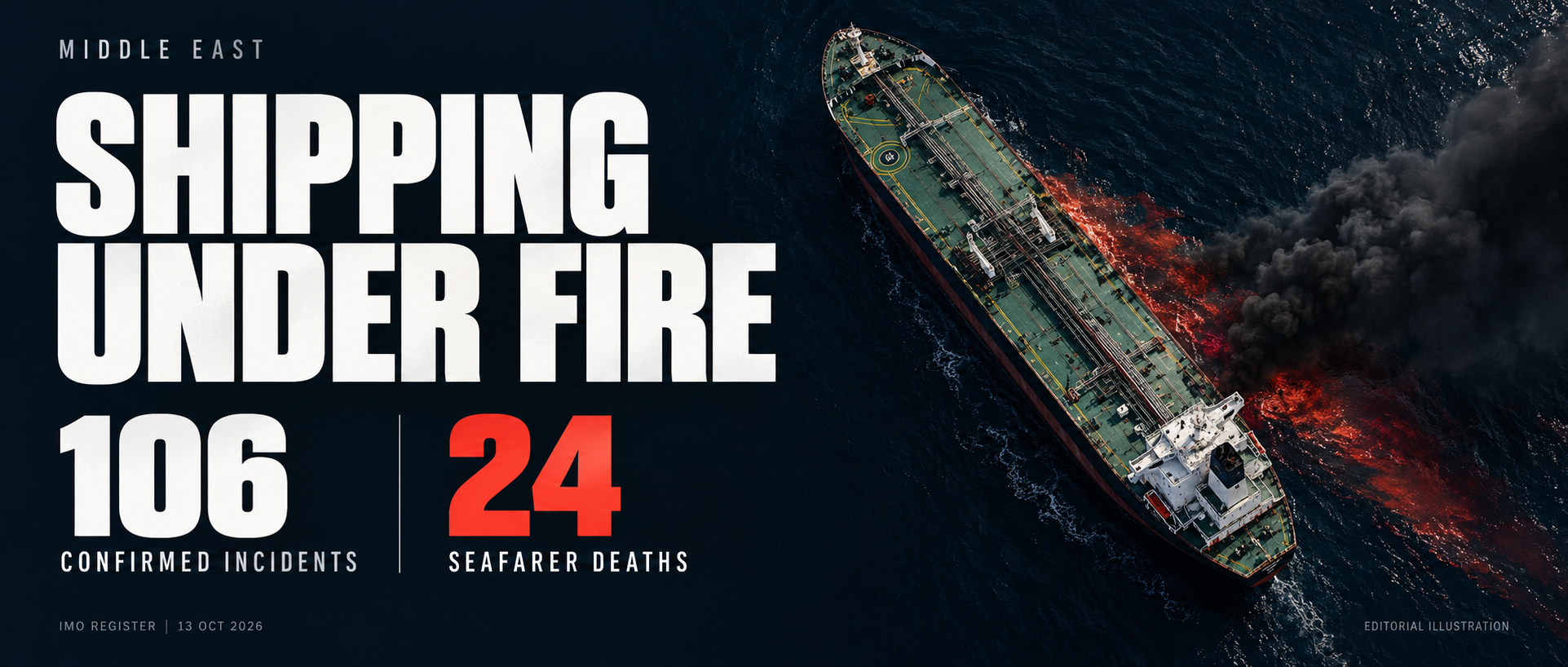
Middle East war leaves mounting toll on merchant shipping
 Safety
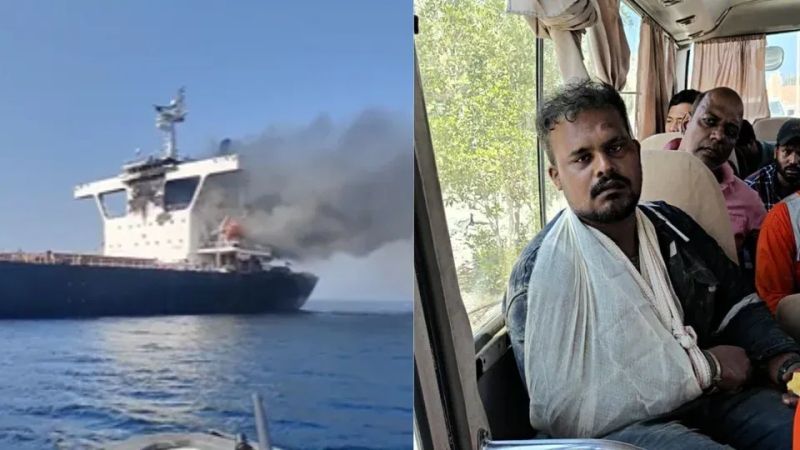
1 seafarer killed, Fatal attack in the Strait of Hormuz: Capesize bulker CAPE DAO hit by unknown projectile
 Safety
25 Crew Abandon MSC Container Ship in the South China Sea — All Rescued, Vessel Still Adrift
 Safety
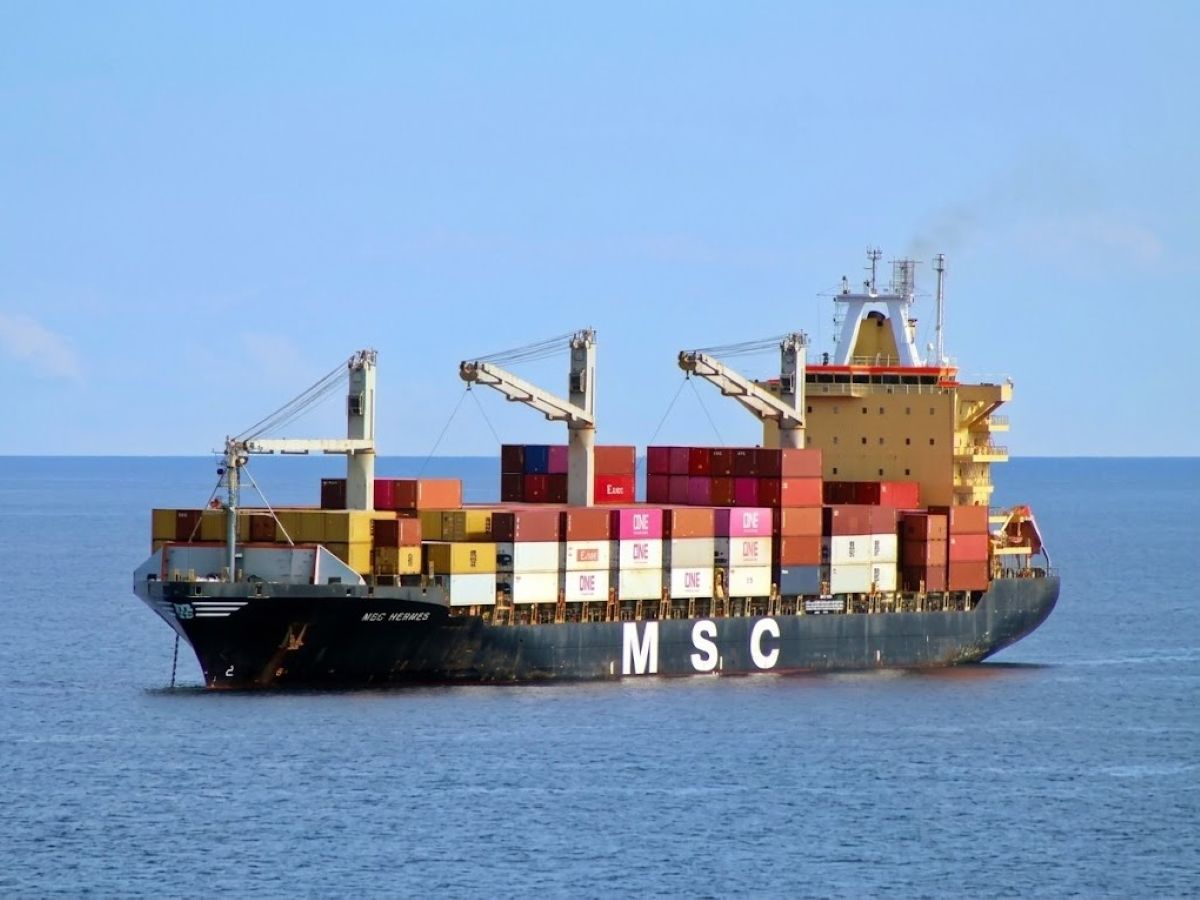
MSC Hermes III Adrift Unmanned in South China Sea After 25 Crew Abandon Ship
 Safety
Dangerous Goods Container Fire Reported at NPCT1 Terminal in Jakarta
 Safety
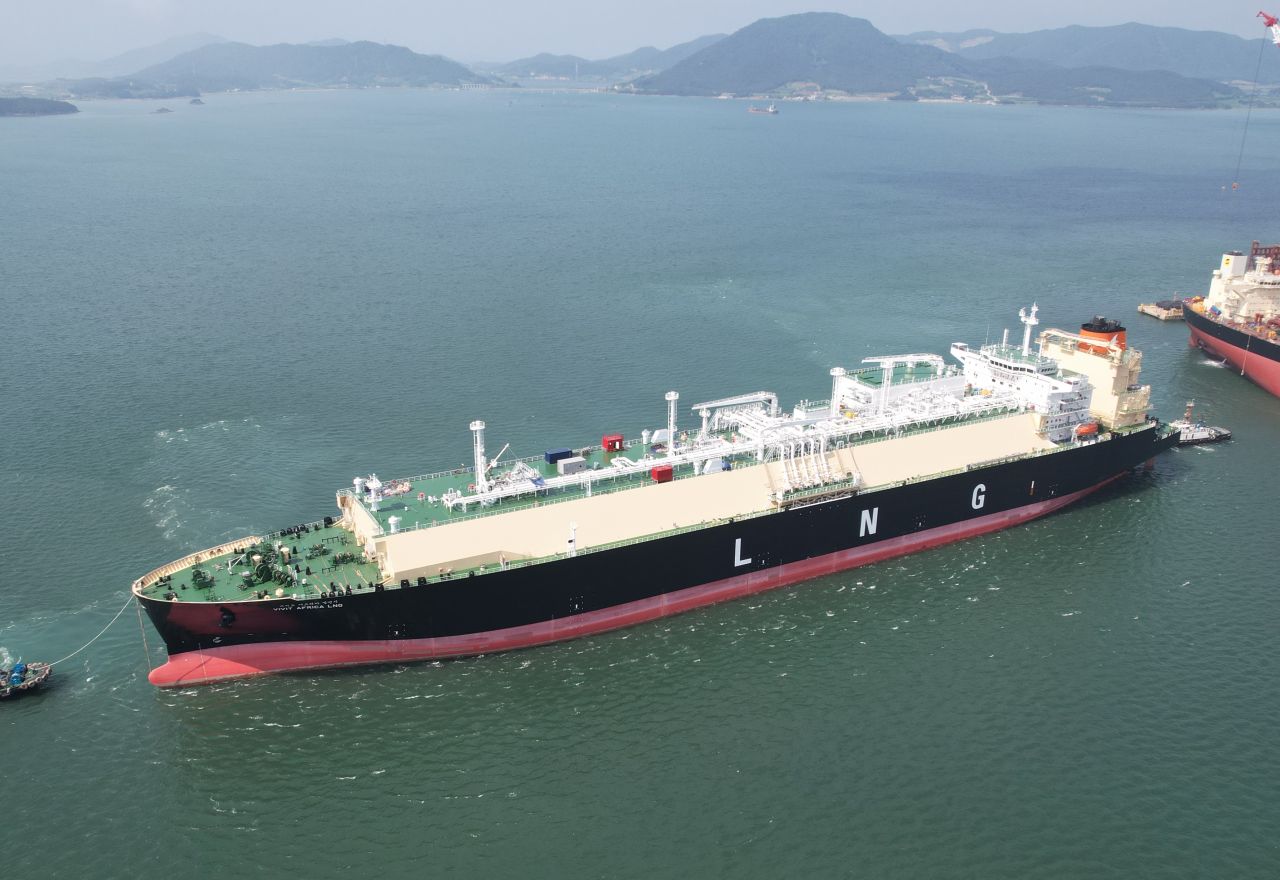
Suspected Cyber Incident Diverts LNG Carrier After Cargo-Control Failure
 Safety