


Engine Room Fire Epidemic Prompts Global Safety Alert After Qingdao Shipyard Tragedy
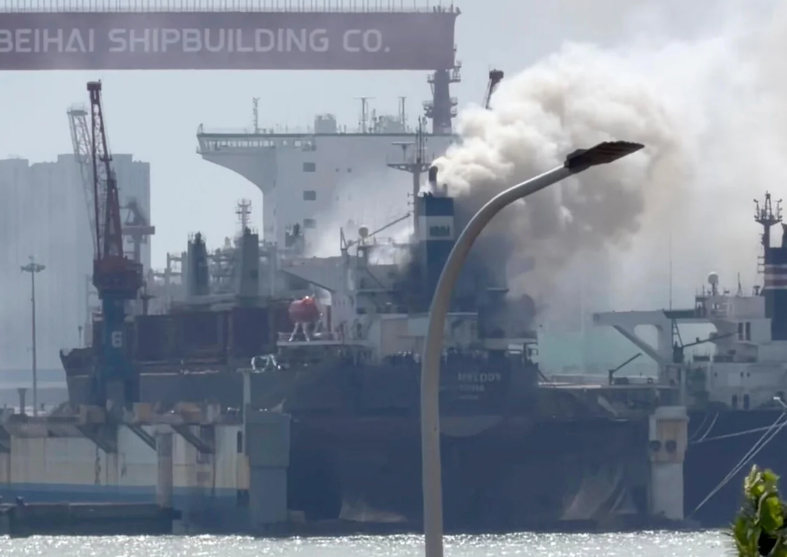
A fatal engine room fire aboard a foreign-flagged cargo vessel under overhaul at Qingdao Beihai Shipbuilding Co., Ltd. has claimed 25 lives and left 5 injured, triggering an upgraded investigation by China’s State Council. The incident has cast a spotlight on engine room fire as a systemic maritime hazard, with a surge of similar incidents worldwide in 2026 across sailing, berthing and shiprepair scenarios.

Recent Global Engine Room Fire Incidents
2 September: Newbuilding ro-ro vessel SKIPANES suffered an engine room fire while transiting the Taiwan Strait.
6 September: A coastal cargo ship off the Philippines caught fire at sea, preliminarily blamed on a ruptured fuel line spraying diesel onto a hot exhaust manifold. Two engineers were killed, with multiple crew injured by smoke inhalation and burns.
10 August: Bahamian-flagged reefer Dole Colombia had a generator fire while berthed at Wilmington, US – marking the vessel’s second engine room fire at the same port.
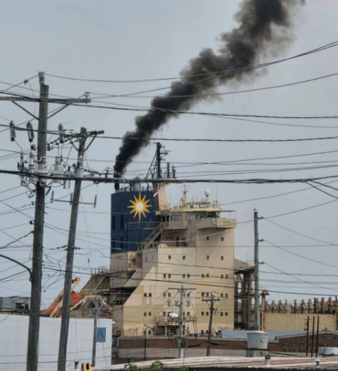 July: An LNG carrier suffered an auxiliary pipeline explosion and fire at Wuhan Yangluo Port, China. The blaze was quickly contained with no casualties, but exposed leakage risks in LNG vessel engine room auxiliary systems.
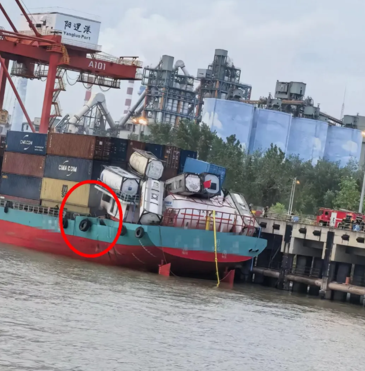 July: An inland cargo ship grounded on the Guangyangba Waterway after an engine room fire caused by a high-pressure fuel pump seal failure.
17 February: Singaporean bulk carrier MANDY caught fire in Chinese waters, losing propulsion and drifting. Two crew were confirmed dead and one injured.
26 January: Bahamian car carrier Thames Highway had an engine room fire after departing Emden, Germany. The crew contained the fire by compartment sealing, and all 18 crew members survived.
Three Root Causes of Engine Room Fires
Uncontrolled hot work (highest risk during shiprepair) High-temperature sparks from welding, cutting and grinding easily ignite oil vapour and combustibles. Common violations include repairing fuel lines on running equipment, waiving hot work permits, and skipping gas concentration testing. Poor coordination between shipyard and ship’s crew, inadequate combustible clearance and absent fire watch further escalate the risk.
Hidden failures from aged equipment Corroded pipelines, degraded seals, cable insulation faults and extended service intervals are common ignition sources during navigation. Hazard inspections on many vessels remain perfunctory, leading to repeated incidents on the same ship.
Operational violations and weak emergency capability Improper fuel system maintenance, pro forma hot work procedures and poorly maintained firefighting equipment are widespread. The severity of casualties is largely determined by on-site emergency response level.

Amplified Risks in Shiprepair Phase
Shiprepair periods create four major management blind spots: blurred responsibility between shipyard and shipowner; token permit approval and unenforced gas testing; absent or unqualified fire watch personnel; and blocked escape routes with disabled emergency lighting. Compounding the danger, firefighting systems are often deactivated during overhaul, and external workers unfamiliar with vessel layout face much higher evacuation risk.
Four Lines of Defence
Strict end-to-end hot work control: Conduct pre-work gas testing and combustible clearance; enforce formal work permits and dedicated fire watch; prohibit fuel system repairs on running machinery; classify grinding operations as hot work.
Full-lifecycle equipment maintenance: Establish regular inspection regimes for fuel lines, main engines and generators, prioritising corrosion and seal checks on older vessels; insulate hot pipes and protect fuel joints from splashing; maintain calibrated firefighting systems.
Practical emergency response training: Conduct regular engine room fire drills covering fuel shut-off, electrical isolation, compartment sealing and evacuation; ensure escape routes and emergency lighting remain operational during repair.
Dual accountability of shipowner and shipyard: Define clear fire safety demarcation for repair work and issue joint fire plans; ensure shipowners allocate adequate safety budgets for equipment upgrade and maintenance; strengthen regulatory inspection and penalties for poorly managed sites.


READ MORE
 Safety
The accident often starts when the job feels safe
 Safety
Opinion:Why a Rapid Return to Calm in the Middle East Looks Unlikely
 Safety
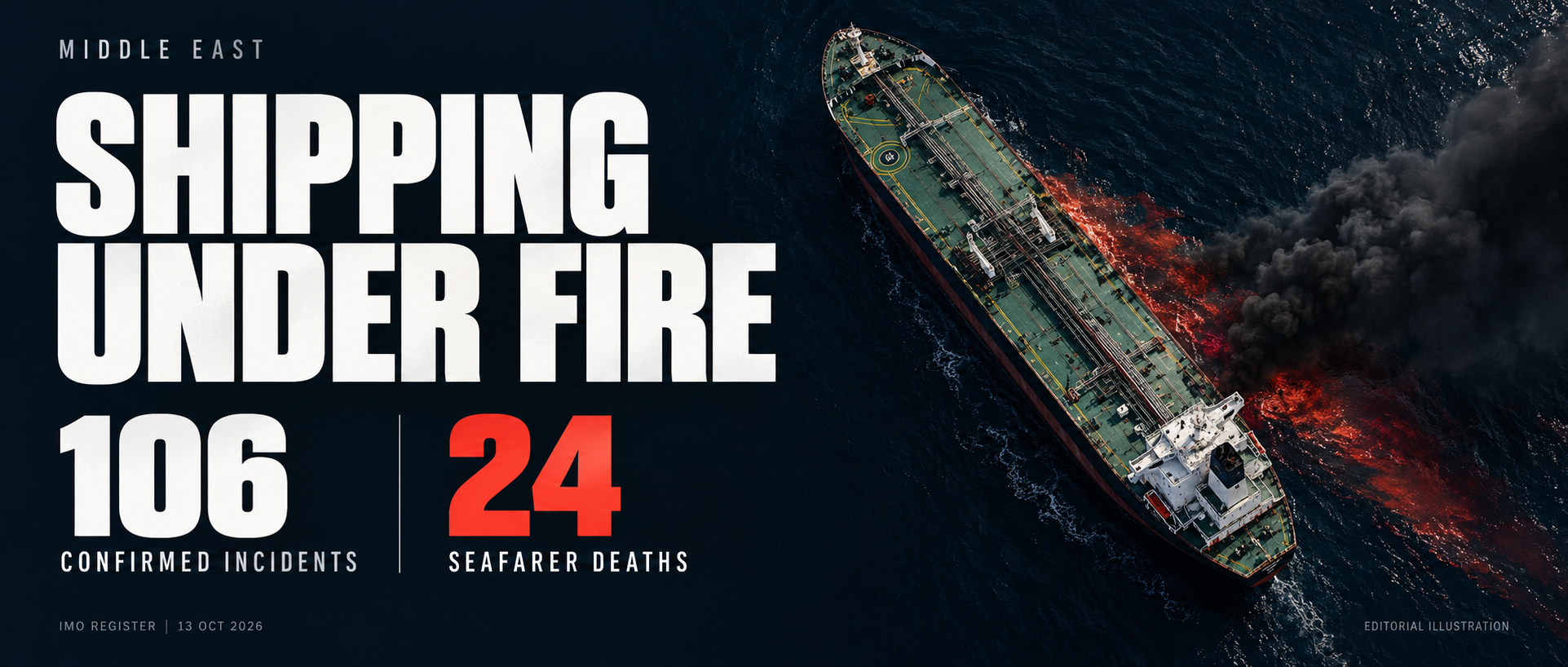
Middle East war leaves mounting toll on merchant shipping
 Safety
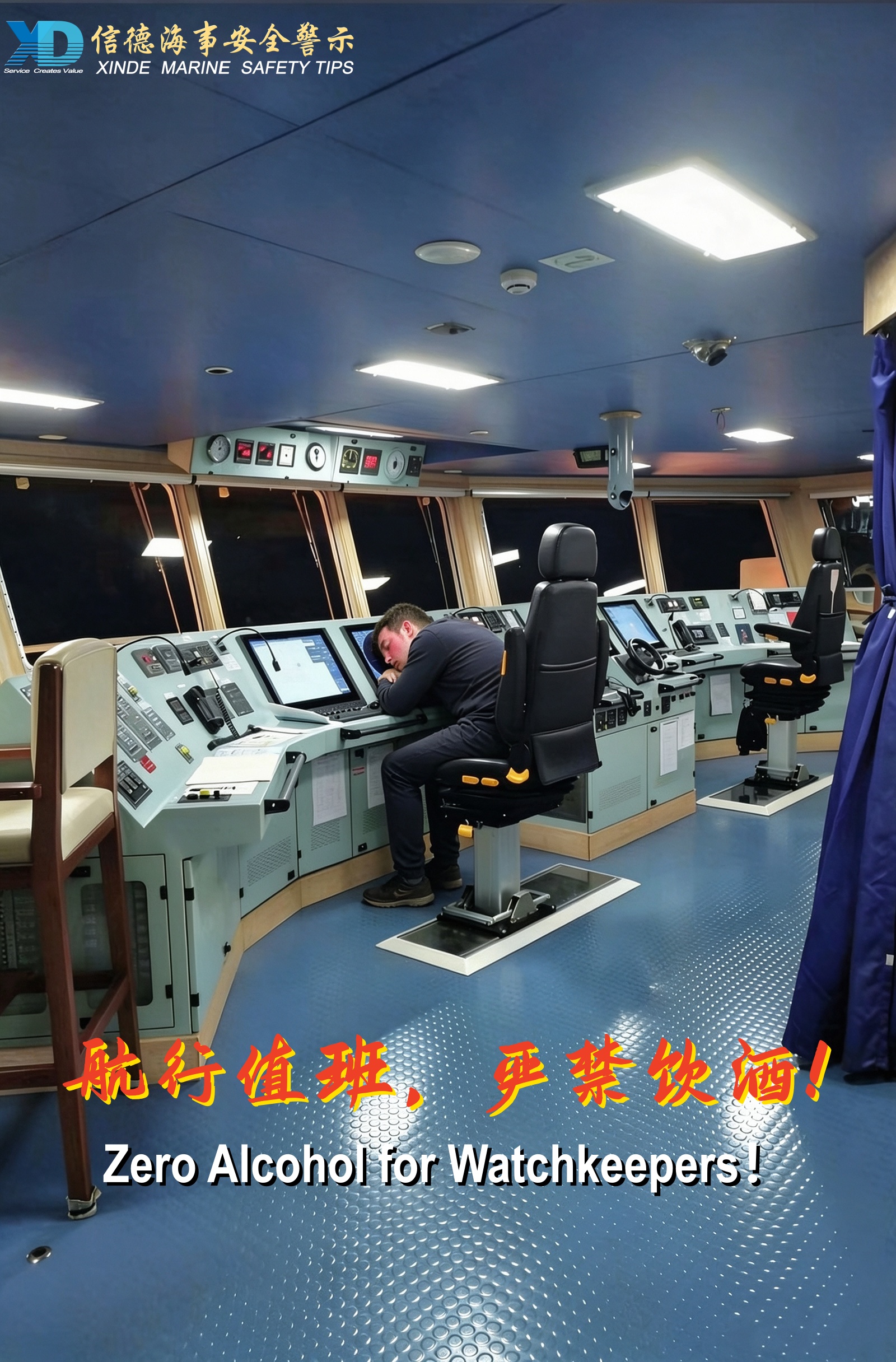
Alcohol‑Control for Seafarers and Key Points for PSC Inspections
 Safety
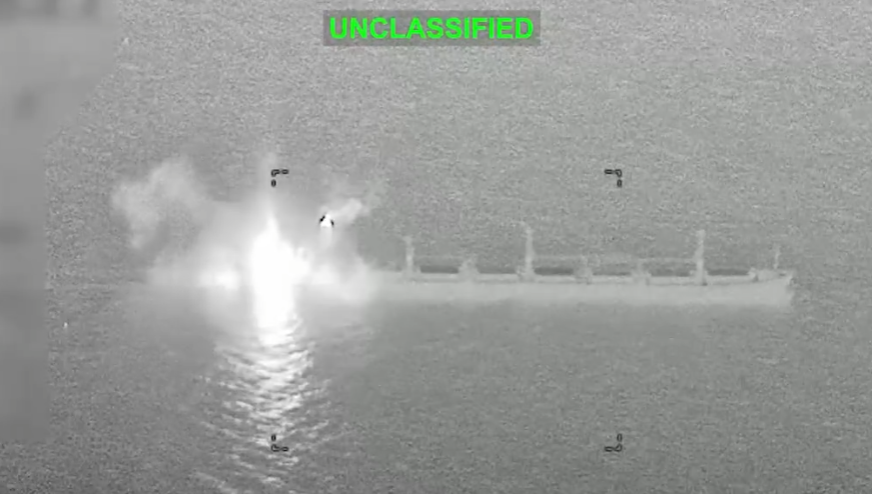
US Says It Disabled Hong Kong-Owned Bulker off Oman
 Safety
Attacked Just 42Days After Delivery: George Prokopiou’s 115,000-Dwt Tanker Hit in Hormuz
 Safety
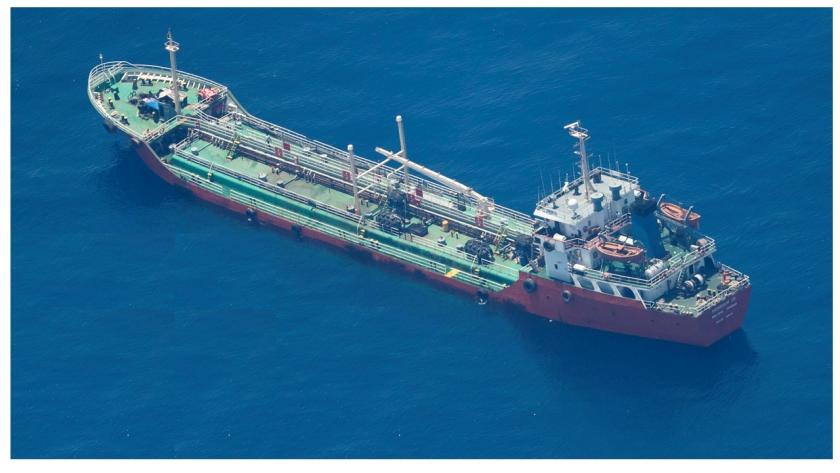
Five Seafarers Reported Dead as Puntland Retakes Hijacked Tanker Honour 25
 Safety
China-U.S. Consensus Highlights Free Navigation: No Country or Entity Should Impose Transit Fees on International Waterways
 Safety
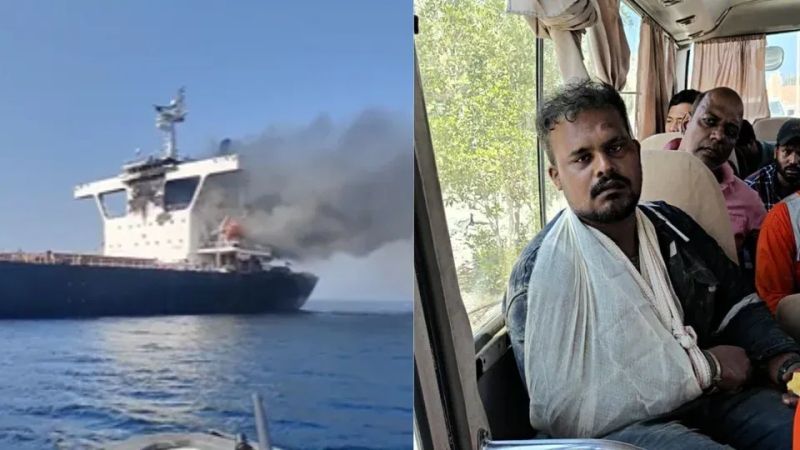
1 seafarer killed, Fatal attack in the Strait of Hormuz: Capesize bulker CAPE DAO hit by unknown projectile
 Safety