


Seafarer Jailed 3 Years for Bartering Seafood with Fishing Boat; Company Fined USD 140 Million
Recently, smuggling-related cases in Togo’s waters have been on the rise. Barter or any exchange of goods between vessels at anchorage and local fishermen is directly deemed a serious customs violation by Togo Customs, exposing vessels and crews to multiple consequences including hefty fines, ship detention and long-term imprisonment of seafarers.
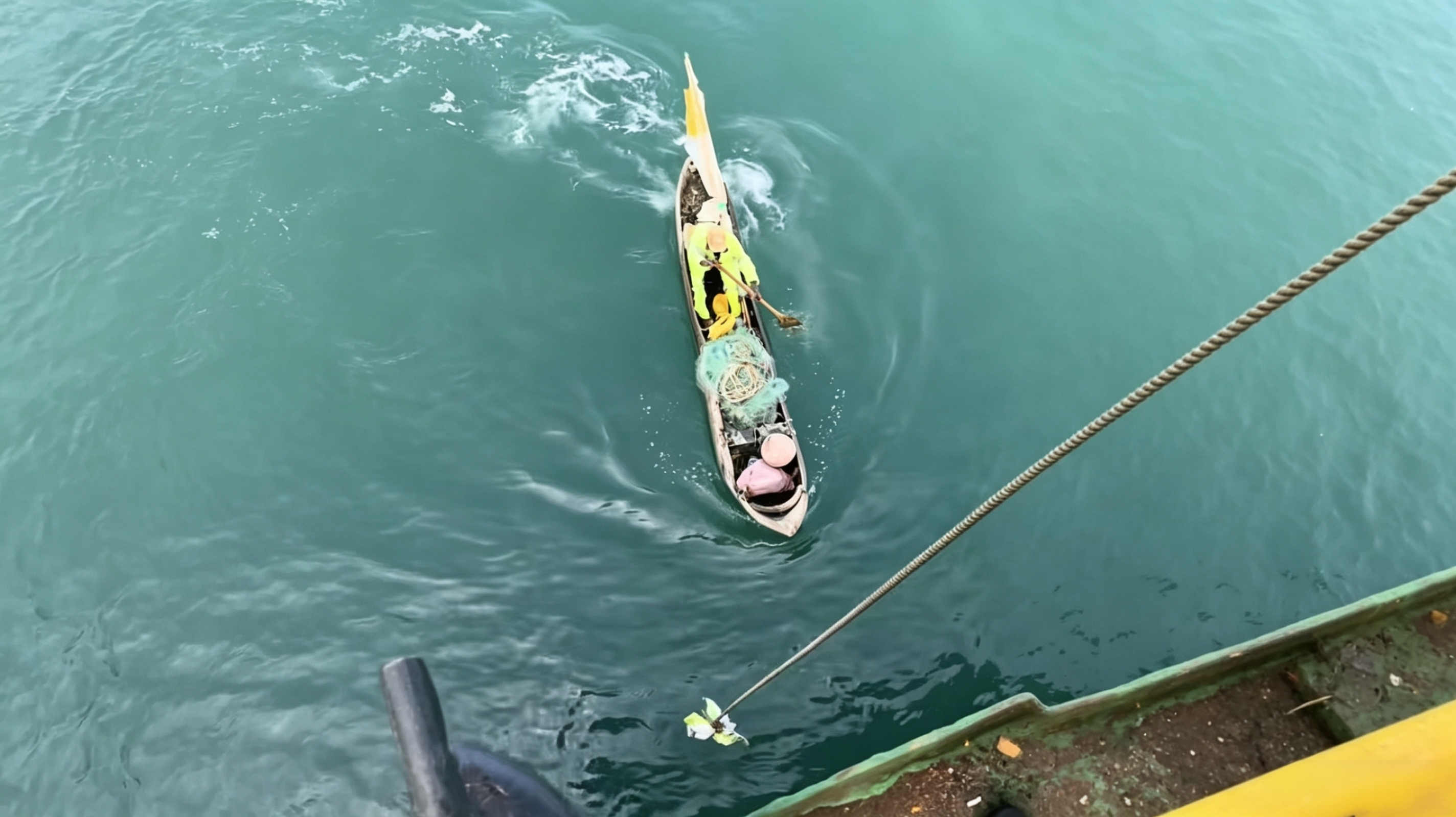

Under the Togo Customs Code, no goods or materials may be unloaded or transferred within Togo’s territorial waters without prior written authorization from customs authorities.
In enforcement practice, all unreported barter transactions are legally classified as undeclared importation or smuggling, regardless of the transaction value or type of goods involved. Common barter scenarios include vessels delivering sludge barrels, bottled water, scrap metal, old ropes or small amounts of fuel to local fishing boats in exchange for seafood, cigarettes, SIM cards and other items — all of which fall under the strict customs crackdown.
Fines are not calculated solely based on the value of the exchanged goods. Instead, the penalty base combines the value of the goods involved, corresponding customs duties and the full market value of the vessel, and the final fine is imposed as a multiple of this combined total. For modern commercial merchant ships, a single fine can soar to tens of millions or even hundreds of millions of euros.
According to the latest ruling disclosed locally, an ocean-going vessel transferred 35 cans of fuel residue (totaling approximately 875 liters) to local canoes at the Lomé anchorage in exchange for fish, cigarettes and mobile phone SIM cards. The act was found to be a customs violation by Togo Customs, and the final penalties far exceeded industry expectations:
- Criminal sanctions: The involved seafarer faces 1 to 3 years of imprisonment
- Total fine: Over 84.6 billion CFA francs (approximately €129 million / USD 140 million)
- Calculation logic: The fine is levied at four times the sum of fuel value + customs duties + estimated market value of the vessel
Local fishermen involved in the transaction were handed similar penalties, with fines calculated proportionally to the value of their own vessels.
Port Call Prevention & Emergency Response Requirements
To avoid triggering customs violations and prevent vessel delays, heavy financial losses and legal risks for seafarers, Xinde Marine strongly recommends all member and insured vessels strictly implement the following three measures:
- Pre-arrival compliance briefing for all crew Before a vessel calls at any port in Togo, the master must organize a special compliance training session for all crew members, clearly informing them of the red lines of customs enforcement in Togo’s waters and strictly prohibiting any crew member from engaging in any form of goods exchange with local small boats for any reason.
- Proactive control of small boats at anchorage Implement security measures during anchorage and proactively drive away all unauthorized local small boats. If local small boats approach the vessel without authorization, immediately record key information such as time, boat type and personnel, capture visual evidence, and promptly report to port authorities and local agents.
- Standardized response to customs investigations If subject to law enforcement investigations by Togo Customs or issued a Procès-Verbal (PV), do not sign any official documents without authorization. Contact the shipowners’ association and local correspondent immediately, and proceed with follow-up responses with professional legal assistance.

READ MORE
 Safety
Dangerous Goods Container Fire Reported at NPCT1 Terminal in Jakarta
 Safety
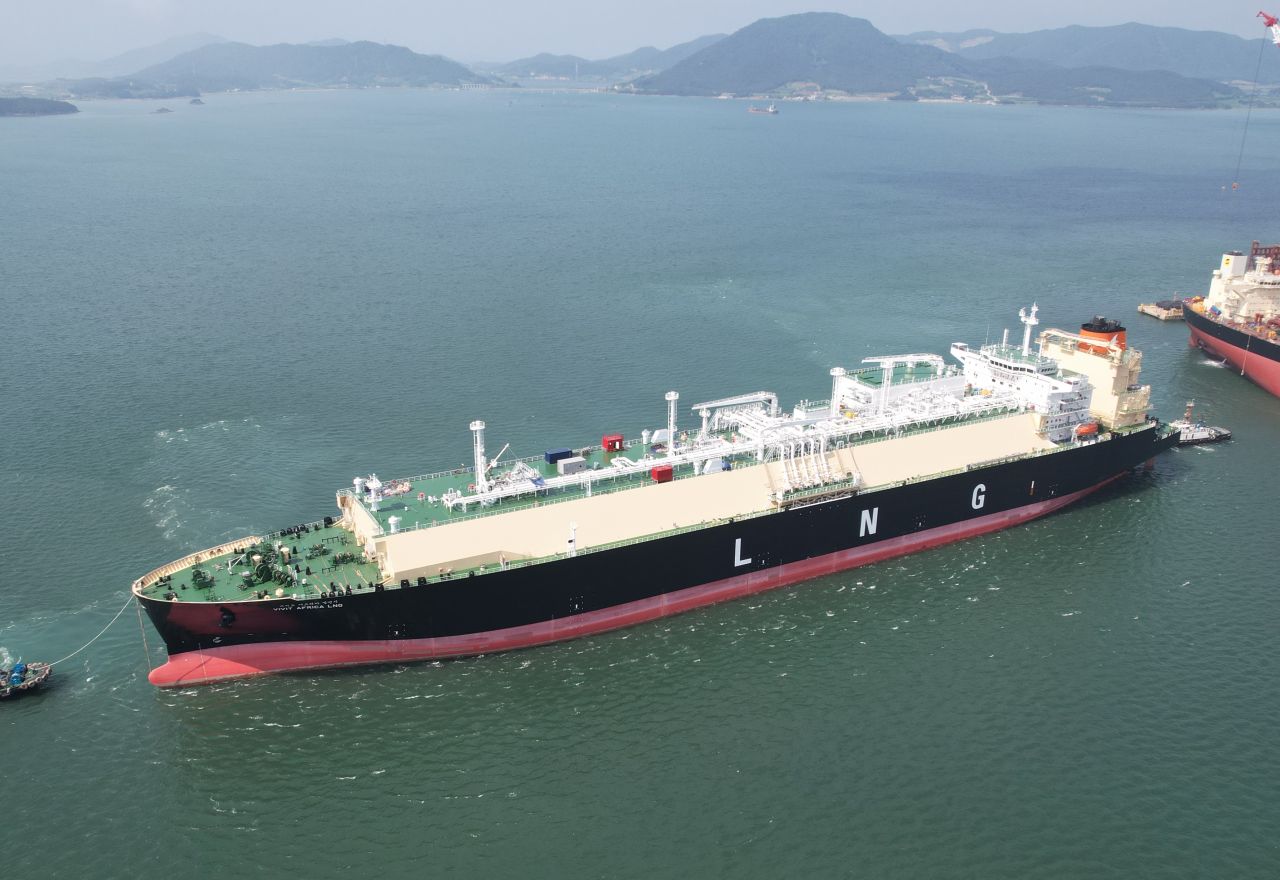
Suspected Cyber Incident Diverts LNG Carrier After Cargo-Control Failure
 Safety
Xinde Marine Forum London 2026: Shipping Moves from Lean Logistics to Resilience by Design
 Safety
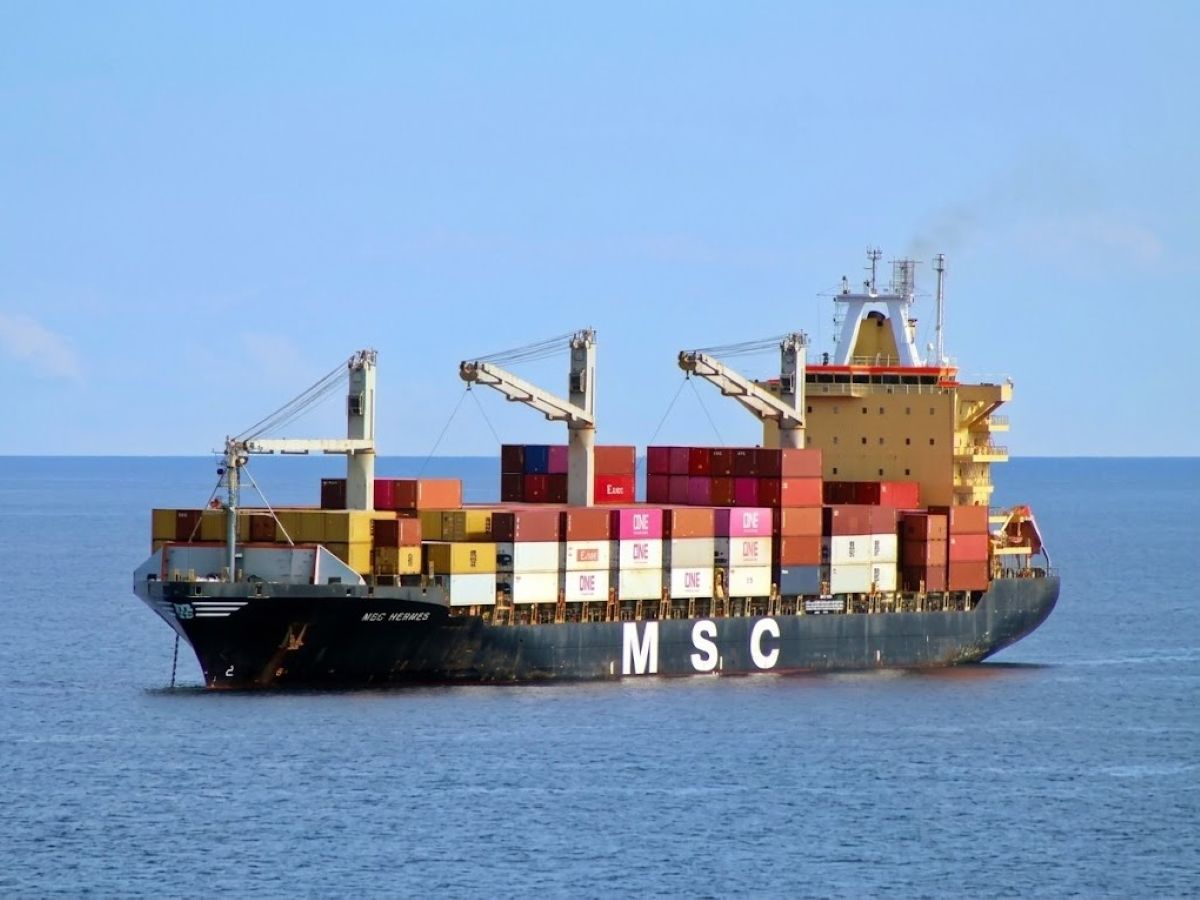
MSC Hermes III Adrift Unmanned in South China Sea After 25 Crew Abandon Ship
 Safety
Almost the Entire Black Sea Is Now a War-Risk Listed Area
 Safety
Saudi pipeline attack exposes limits of Hormuz bypass strategy
 Safety
Engine Room Fire Epidemic Prompts Global Safety Alert After Qingdao Shipyard Tragedy
 Safety
Major Collision Off India: 21 Crew Evacuated After KMAX EMPEROR Suffers Heavy Damage
 Safety
Houthis Seize Mocha as Bab el-Mandeb Risks Rise — but Signal “Safe Passage” for Non-Saudi Shipping
 Safety