


CSSC Shipping Signs $481m Contracts for 10 Grain Carriers
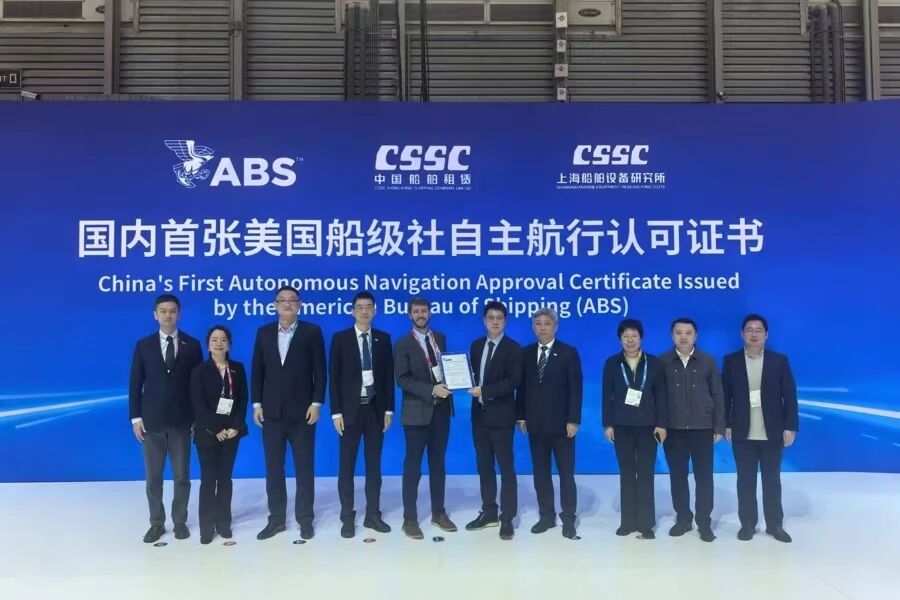

The Hong Kong-listed ship lessor has signed contracts for ten 80,000-dwt bulkers worth CNH3.235bn, with deliveries stretching into 2030. The contracts remain subject to independent shareholder approval, while COFCO International is reported — but not confirmed — to be the long-term charterer.
CSSC (Hong Kong) Shipping Company Limited has signed shipbuilding contracts for ten 80,000-dwt grain carriers in a CNH3.235bn ($481m) investment that will add about 800,000 dwt of modern dry bulk capacity to its portfolio.
The Hong Kong-listed leasing arm of China State Shipbuilding Corporation (CSSC) entered into the ten contracts on September 1 with Chengxi Shipyard and China Shipbuilding Trading Co Ltd (CSTC). Each vessel is priced at CNH323.5m, with deliveries scheduled between September 30, 2029 and December 31, 2030.
The transaction is significant not only for its size but also for its delivery window. CSSC Shipping said in its first-half results that core shipyard orderbooks now cover about 4.3 years of production, reflecting the continued scarcity of attractive forward berths at major yards.
The contracts are signed but are not yet unconditional. Because Chengxi, CSTC and CSSC Guangxi are all controlled by the same state-owned parent as CSSC Shipping, the deal is classified as both a major and connected transaction under Hong Kong listing rules and requires approval from independent shareholders.
Deal at a glance
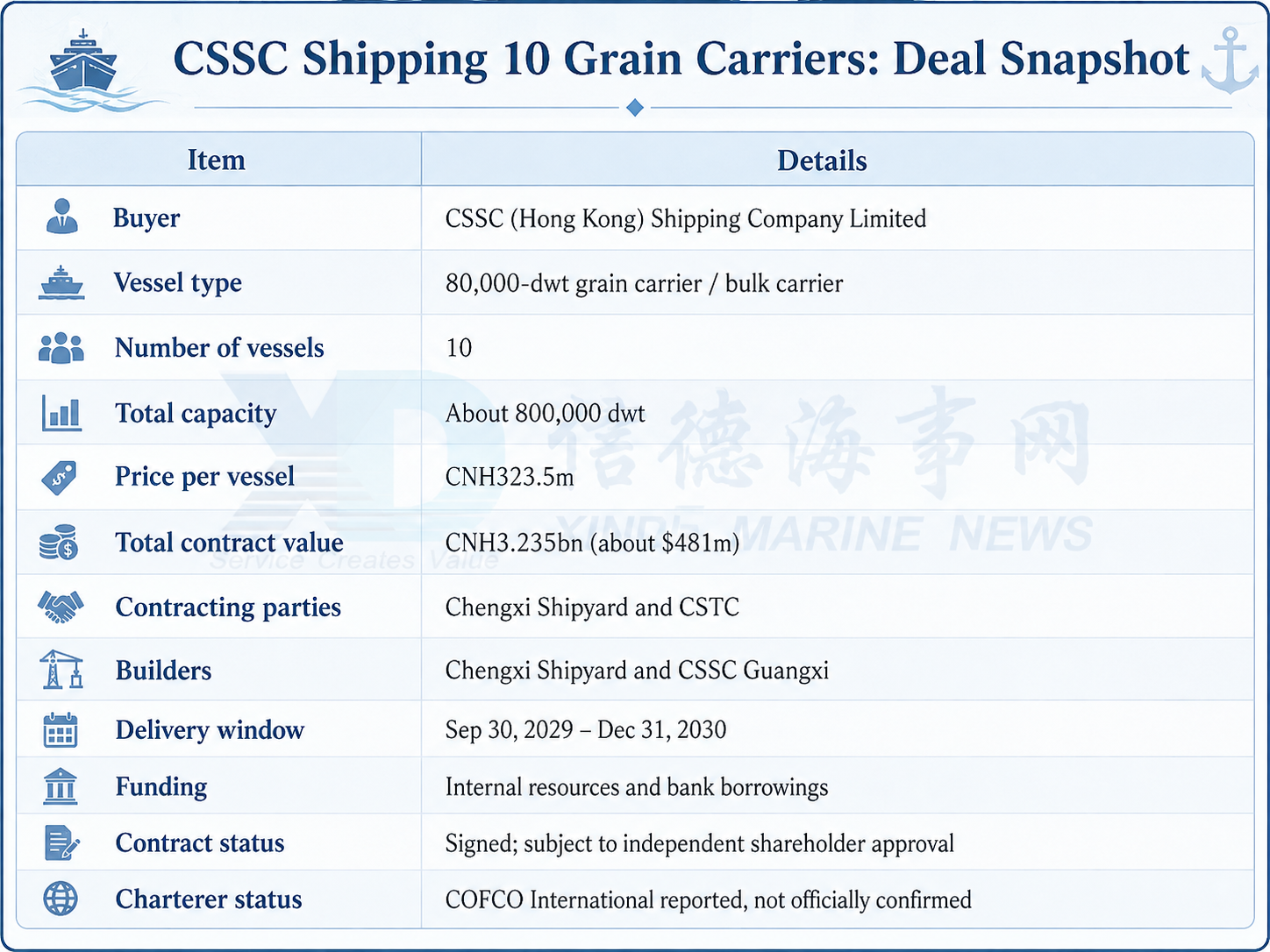
Chengxi and CSSC Guangxi to share builder responsibility
The contractual structure is more nuanced than a straightforward order placed with a single yard.
The Hong Kong filing identifies Chengxi Shipyard and CSSC Guangxi as the builders, jointly responsible for the design, construction and delivery of the vessels. CSTC will act as trading intermediary, coordinating between the buyer and builders and supporting the construction and delivery process.
TradeWinds reported that the ships will physically be constructed at CSSC Guangxi's facilities in Qinzhou, Guangxi, which operate under Chengxi's management. The stock exchange announcement, however, does not allocate individual hulls between the two builders and formally assigns joint responsibility to both Chengxi and CSSC Guangxi.
That distinction matters because the transaction sits within CSSC's integrated shipbuilding and leasing structure. China State Shipbuilding Corporation indirectly controls about 74.17% of CSSC Shipping and also controls Chengxi, CSTC and CSSC Guangxi. The relevant connected shareholders will therefore abstain from voting when the transaction is put before an extraordinary general meeting.
A shareholder circular containing further transaction details, the recommendation of the independent board committee and advice from Somerley Capital is expected by October 31.
Most of the cash payment comes at delivery
The payment schedule is also important for a ship lessor committing capital to vessels that will not arrive for another three to four years.
Each CNH323.5m contract will be paid in five instalments. CSSC Shipping said the first four instalments represent smaller proportions of the purchase price, while the majority will be paid in the fifth instalment upon delivery. The group expects to finance the programme through a combination of internal resources and bank borrowings.
That structure limits the amount of capital tied up during construction and leaves a substantial portion of the financing requirement closer to the point when the ships can begin generating lease income.
As of June 30, CSSC Shipping had a portfolio of 130 vessels, comprising 107 ships in operation and 23 under construction. Its operating fleet had an average age of about 4.8 years, while bulk carriers accounted for 11.88% of the operating portfolio. The company also signed six sale-and-leaseback transactions involving newbuilding orders worth a combined $324m during the first half of 2026.
The ten new grain carriers therefore represent a material addition to its dry bulk exposure, but one that will be phased into the fleet relatively late in the current shipbuilding cycle.
Why are the deliveries stretching into 2030?
The long delivery schedule reflects conditions across the wider newbuilding market.
CSSC Shipping said global newbuilding orders reached 1,481 vessels worth $132.6bn in the first half of 2026, while the Clarksons Newbuilding Price Index reached 185.2. Core shipyards were carrying around 4.3 years of forward production, with orderbook coverage second only to levels seen during the 2007-2008 shipbuilding boom.
Forward Kamsarmax-sized capacity is already being booked well into 2029. Safe Bulkers, for example, has contracted several 82,000-dwt Kamsarmax newbuildings in Japan for delivery during 2029, illustrating how owners are having to make fleet decisions several years ahead of delivery.
The dry bulk market has meanwhile strengthened sharply in 2026. CSSC Shipping reported that the Baltic Dry Index averaged 2,347 points in the first six months, up 81.94% year on year, while the global bulker fleet expanded from 1.07bn dwt at the end of 2025 to 1.09bn dwt by the end of June.
But the company's own outlook remains cautious. It expects dry bulk fleet capacity to grow by about 3.9% in 2026, compared with ton-mile demand growth of around 3.1%, suggesting that today's stronger freight market should not automatically be extrapolated into the 2029-2030 delivery period.
That makes employment strategy particularly important for vessels ordered this far ahead.
How does the price compare?
At roughly $48.1m per vessel using TradeWinds' dollar conversion, the CSSC Shipping contracts sit above some headline market benchmarks for standard 82,000-dwt Kamsarmax newbuildings.
Korea Ocean Business Corporation's newbuilding data put an 82,000-dwt Kamsarmax at $37.8m on August 27, 2026.
EuroDry, meanwhile, announced in May that it had ordered two 82,000-dwt eco Kamsarmaxes at Hengli Shipbuilding in China for about $74m in total, or approximately $37m each, with delivery scheduled for the first and second quarters of 2028.
Those numbers are useful reference points but are not directly comparable contract prices. Detailed specification, equipment packages, construction scope, delivery dates, payment schedules and commercial structure can all materially affect the final price.
CSSC Shipping said it benchmarked the contracts against independent industry reports and recent quotations offered by the builders to unrelated third parties. According to its filing, the agreed price is the same as that recently offered by the builders for the same vessel type to independent buyers and below the market price of comparable vessels used in its assessment.
The company has not yet disclosed the detailed machinery package or full technical specification required to make a precise like-for-like comparison.
Is COFCO International the charterer?
This remains the biggest unanswered commercial question surrounding the programme.
Industry sources cited by TradeWinds said the ten vessels were ordered against long-term charters to COFCO International, the global agribusiness trading arm of China's state-owned COFCO Group.
A CSSC Shipping official, however, declined to confirm the charterer's identity, while neither the charter duration nor the hire rates have been disclosed.
The distinction is important. At present, it is appropriate to say that COFCO International is reported to be the charterer, not that the company has officially confirmed a ten-ship charter commitment.
If ultimately confirmed, the arrangement would give the transaction a wider strategic significance. Rather than simply adding speculative dry bulk assets, CSSC Shipping would be financing a large block of new tonnage against long-term cargo-related demand from one of the world's major agricultural traders.
Such a structure would also fit CSSC Shipping's stated approach to new investment. The company said in its first-half results that it is prioritising projects backed by long-term charter commitments and charterers with strong credit quality while developing more direct capacity cooperation with energy companies and cargo owners. Its leases of more than one year had an average remaining term of 7.5 years at the end of June.
TradeWinds also cited Clarksons data showing COFCO International is due to take four 82,000-dwt newbuildings associated with Wuhu Shipyard, with deliveries expected in 2029. That information has not been separately confirmed by COFCO International or the yard in the material reviewed and should therefore remain treated as database and market information.
Fuel choice remains another key detail
CSSC Shipping said the vessels will use tailor-made designs that meet the latest environmental requirements and will be more fuel-efficient and operationally efficient than its existing bulk carriers. The filing does not specify the engines, alternative-fuel capability or other major emissions-related equipment.
TradeWinds cited a shipping source as saying the ships are designed for grain trades and will use conventional marine fuel, but that propulsion detail has yet to receive official confirmation.
That will be particularly relevant for vessels entering service around 2030.
IMO's MEPC 84 in April-May 2026 did not complete adoption of the IMO Net-Zero Framework. Instead, member states agreed to further intersessional work ahead of MEPC 85 and the expected resumption of the extraordinary MEPC session later in 2026.
For a conventional-fuel bulker ordered today but trading well into the 2040s, fuel efficiency, retrofit capability and future compliance costs will therefore be important determinants of long-term asset value.
For now, four issues will determine how the programme develops: approval by CSSC Shipping's independent shareholders; the eventual division of construction work between Chengxi and CSSC Guangxi; disclosure of the vessels' detailed technical and propulsion specifications; and, most importantly, whether COFCO International is ultimately confirmed as long-term charterer, together with the duration and pricing of any charter agreements.


READ MORE
 Shipbuilding
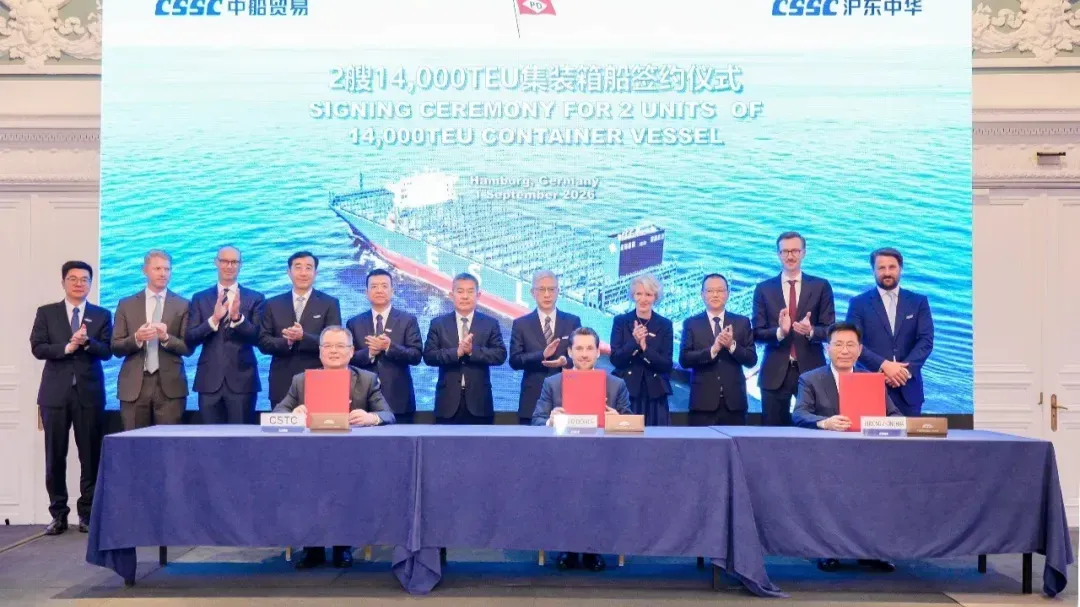
Peter Döhle Adds Two More 14,000 TEU Boxships at Hudong-Zhonghua After Five-Month-Early Delivery
 Shipbuilding
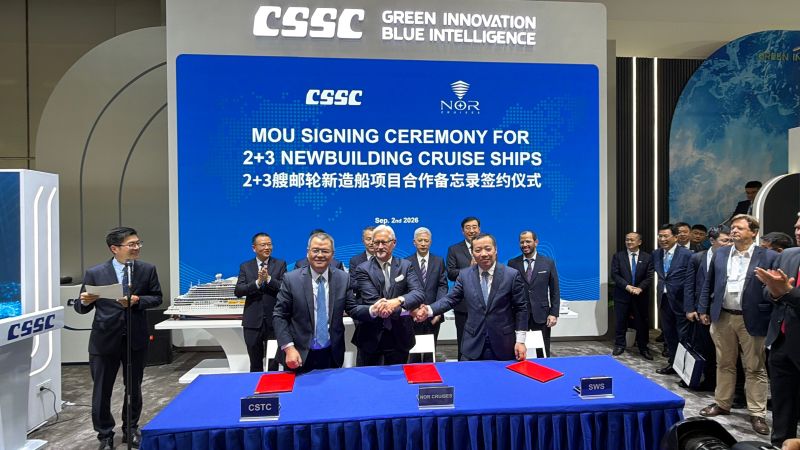
Breaking from Hamburg: CSSC and NOR Cruises have signed an MoU for up to five new cruise ships.
 Shipbuilding
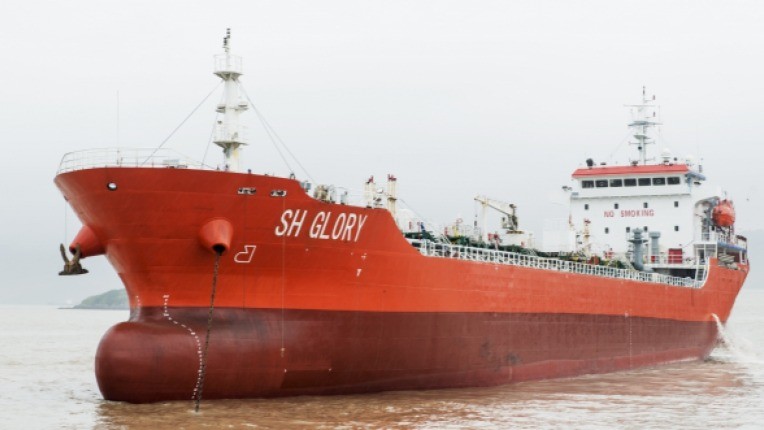
US$148 Million for Six Ships: Shenghang Launches a New Fleet Renewal Cycle
 Shipbuilding
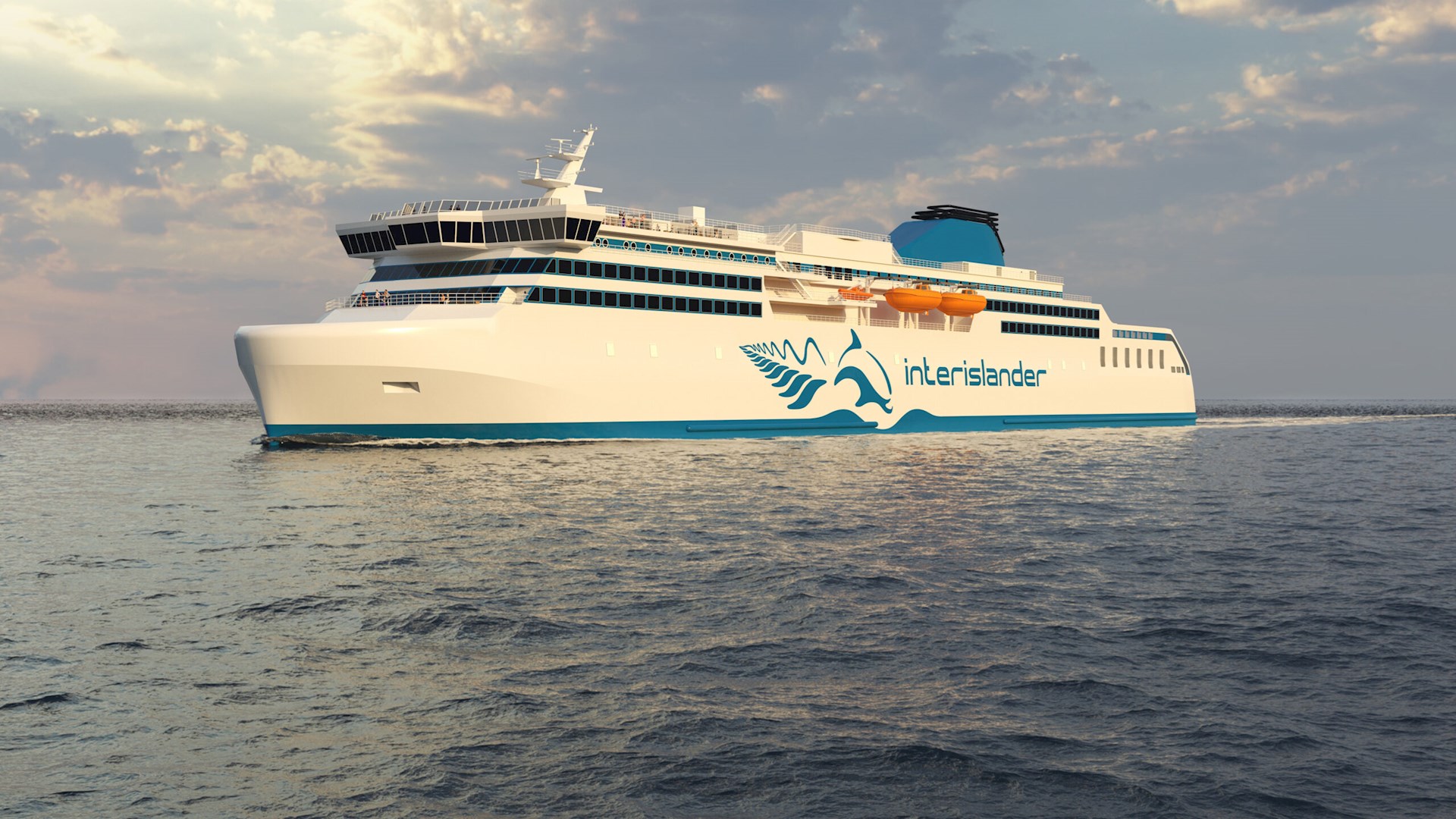
ABB Sets 8.2MWh Hybrid Power Package for GSI-Built New Zealand Rail Ferries
 Shipbuilding
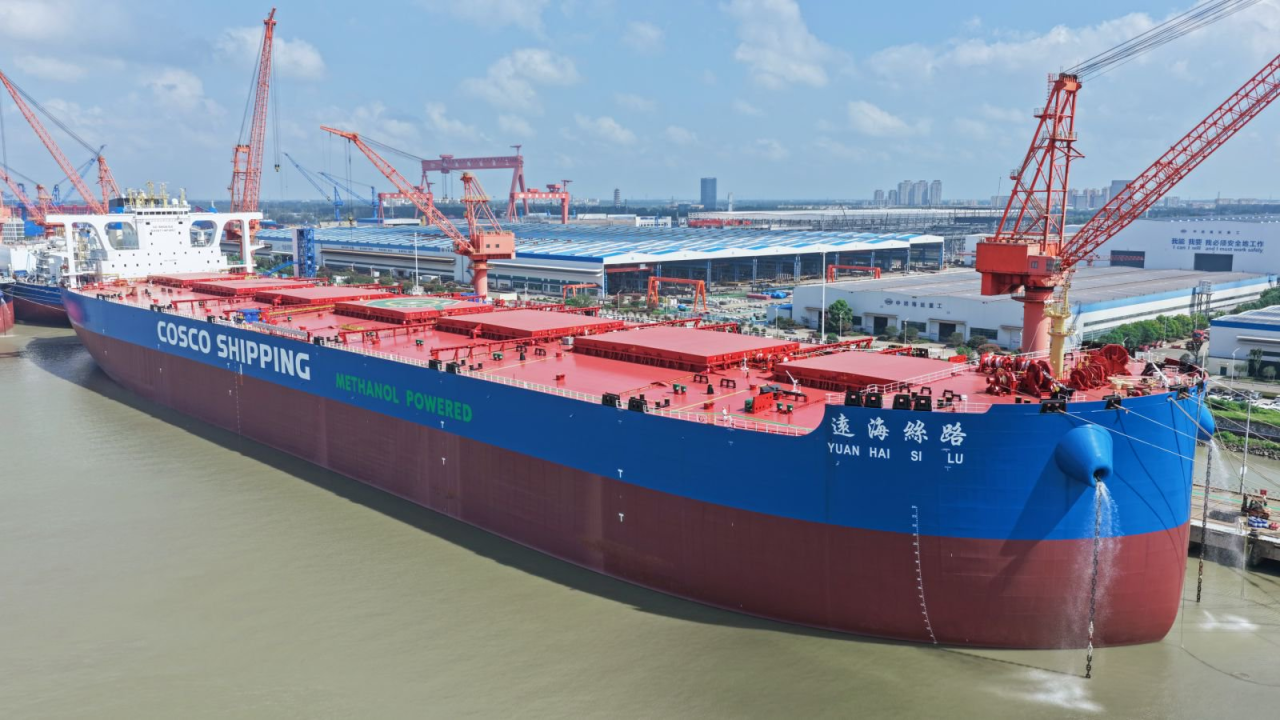
World’s First 325,000-dwt Methanol Dual-Fuel Ore Carrier Named in China
 Shipbuilding
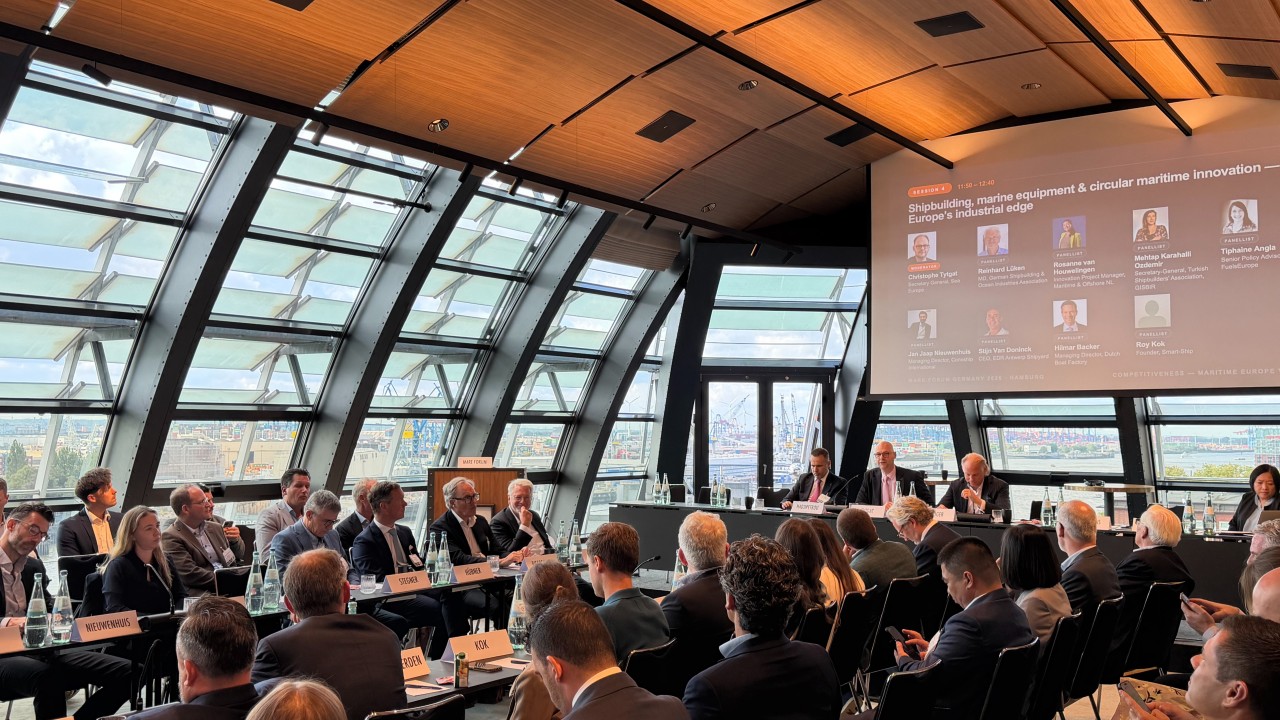
Europe Is Losing More Than Ship Orders: The System Behind China’s Shipbuilding Lead
 Shipbuilding
Nanjing Shenghang Plans CNY995m Fleet Renewal With Six Stainless Steel Chemical Tankers
 Shipbuilding
MSC Adds 15 Firm ULCVs at Chinese Yards, With Five More on Option
 Shipbuilding
From LR2s to 3,200-TEU Boxships: Hengli Expands Its Greek Owner Footprint
 Shipbuilding