


China PSC: Detention Rate Hits 13.51% in H1 2026
According to statistics recently released by China PSC for January‑June 2026, a total of 5,203 initial PSC inspections were carried out across Chinese ports in the first half‑year, with 703 vessels detained, translating into an overall detention rate of 13.51%.

China PSC: Detention Rate Hits 13.51% in H1 2026
Port‑wise Performance
| Port | Detained Vessels | Detention Rate |
|---|---|---|
| Shanghai Port | 104 | 21.27% |
| Zhoushan Port | 43 | 19.72% |
| Ningbo Port | 43 | 13.87% |
| Guangzhou Port | 42 | 15.50% |
| Tianjin Port | 41 | 9.30% |
1. Port of Shanghai — Nation‑leading detention volume; container and bulk carriers under tight oversight
2. Port of Zhoushan — Heavy concentration on bulk carriers, underpinned by its ship‑repair base
3. Port of Ningbo — Diversified vessel mix with moderate detention level
4. Port of Guangzhou — South‑China hub showing highest deficiency density
5. Port of Tianjin — Northern hub maintaining low detention rate
Flag, Ship‑type & Classification Society: Flags of Convenience bear the brunt
By ship type
| Vessel Type | Detained Count |
|---|---|
| Bulk Carrier | 318 |
| Container Ship | 118 |
| Multi‑purpose Ship | 116 |
| Other Vessels | 151 |
Bulk carriers: Top‑ranked detained segment with a large proportion of aged tonnage. Frequent issues include structural failures, watertightness defects and ageing fire‑fighting equipment.
Container ships: Second‑highest detention volume. Deficiencies centre on navigational equipment, fire‑safety systems and working‑condition related items.
Multi‑purpose / general‑cargo ships: Generally advanced in age, suffering from widespread equipment obsolescence, frequent certificate lapses and operational non‑compliance.
By flag
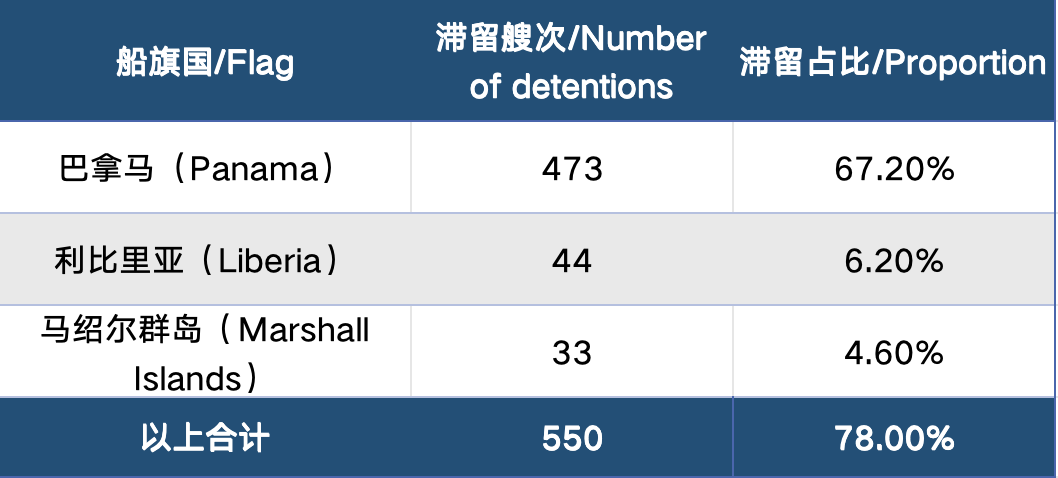 Source: China PSC
High‑frequency Deficiency Categories
1. Fire Safety — Most prevalent detention trigger
Damaged fire‑resistance divisions and defective sealing at penetrations through bulkheads and decks
Insufficient capacity or breakdown of fire pumps and emergency fire pumps
Inadequate pressure or missing operating instructions for fixed fire‑extinguishing systems
Inoperable dampers for engine‑room ventilation
Unprotected high‑pressure fuel pipelines and defective oil‑leak alarms
Blocked escape routes and non‑self‑closing fire‑doors
2. Life‑Saving Appliances — Traditional high‑risk domain
Damaged lifeboat hulls, missing or expired fittings
Corroded launching appliances and defective brakes for lifeboats
Defective embarkation and launch gear for rescue boats
Expired life‑raft surveys and faulty hydrostatic release units
Insufficient crew proficiency in lifeboat‑raft operations
3. Navigation Safety — Rising share of electronic‑equipment failures
Missing or defective lights, shapes and sound‑signal apparatus
Malfunctioning radar, echo‑sounders and other navigational aids
Non‑compliant ECDIS installation and out‑of‑date nautical charts
Inoperative VDR/S‑VDR and BNWAS
Incomplete nautical publications and non‑conforming voyage plans
4. Anti‑Pollution — Growing enforcement under MARPOL Annexes
Malfunctioning 15 ppm oily‑water separators and defective alarm systems
Improperly operated sewage‑treatment plants with non‑compliant discharges
Incinerator breakdowns and inadequate operational records
Defective ballast‑water‑management systems and falsified ballast‑water log‑book entries
Non‑compliant equipment for atmospheric‑emission control
5. Emergency Preparedness & ISM‑Code — Systemic management failures
Failure of emergency generators to start and supply power
Non‑compliant drills for fire, abandon‑ship and enclosed‑space entry
Ineffective ISM‑Code implementation, missing or falsified maintenance records
Non‑conforming crew certificates and under‑manning
6. Watertight & Structural Deficiencies — Major pain‑point for aged vessels
Poor hatch‑cover watertightness and deteriorated sealing gaskets
Inoperative closing devices for ventilators and air pipes
Hull corrosion, cracked decks and bulkheads
Mal‑functioning watertight doors and defective bilge‑level detectors
Compliance Recommendations
Pre‑arrest self‑checks for high‑risk ports: Prior to calling high‑detention‑rate ports including Shanghai, Zhoushan and Guangzhou, conduct comprehensive self‑inspections targeting fire safety, life‑saving appliances and navigational equipment. Rectify identified deficiencies in advance; deploy shore‑based superintendents on‑board when necessary.
Enhanced maintenance for ageing tonnage: For bulk carriers and liquid‑bulk vessels aged above 15 years, prioritise inspections covering structural corrosion, watertight integrity and mechanical wear. Roll out dedicated maintenance schemes to prevent minor defects from escalating into detention‑worthy items.
Improve crew proficiency and record‑keeping: Reinforce hands‑on training on emergency‑equipment operations and drill execution. Ensure competent practical performance and complete, authentic records to avoid detention caused by poor familiarity or administrative lapses.
Validate RO surveys and certificate status: Regularly verify statutory and class‑survey status. Confirm survey coverage by Recognised Organisations ahead of surveys to maintain continuous certificate validity.
Track evolving environmental regulations: Keep abreast of updates governing ballast‑water management, ship‑energy‑efficiency requirements and atmospheric‑emission standards. Upgrade equipment and update management systems pro‑actively to mitigate regulatory‑driven compliance risks.


READ MORE
 Safety
Global shipping industry voices concern over potential Strait of Hormuz tolls
 Safety
Indian Cargo Ship Sinks After Attack in Red Sea, All 14 Crew Rescued
 Safety
Houthi Militants Expand Strikes on Saudi Oil Tankers Across Red Sea and Gulf of Aden
 Safety
World Shipping Council presents Cargo Safety Program at China MSA forum
 Safety
Container Ship Sunk as Three Major Carriers Suspend Ukraine Black Sea Services
 Safety
Hapag-Lloyd Suspends Calls at Ukraine’s Three Main Black Sea Ports
 Safety
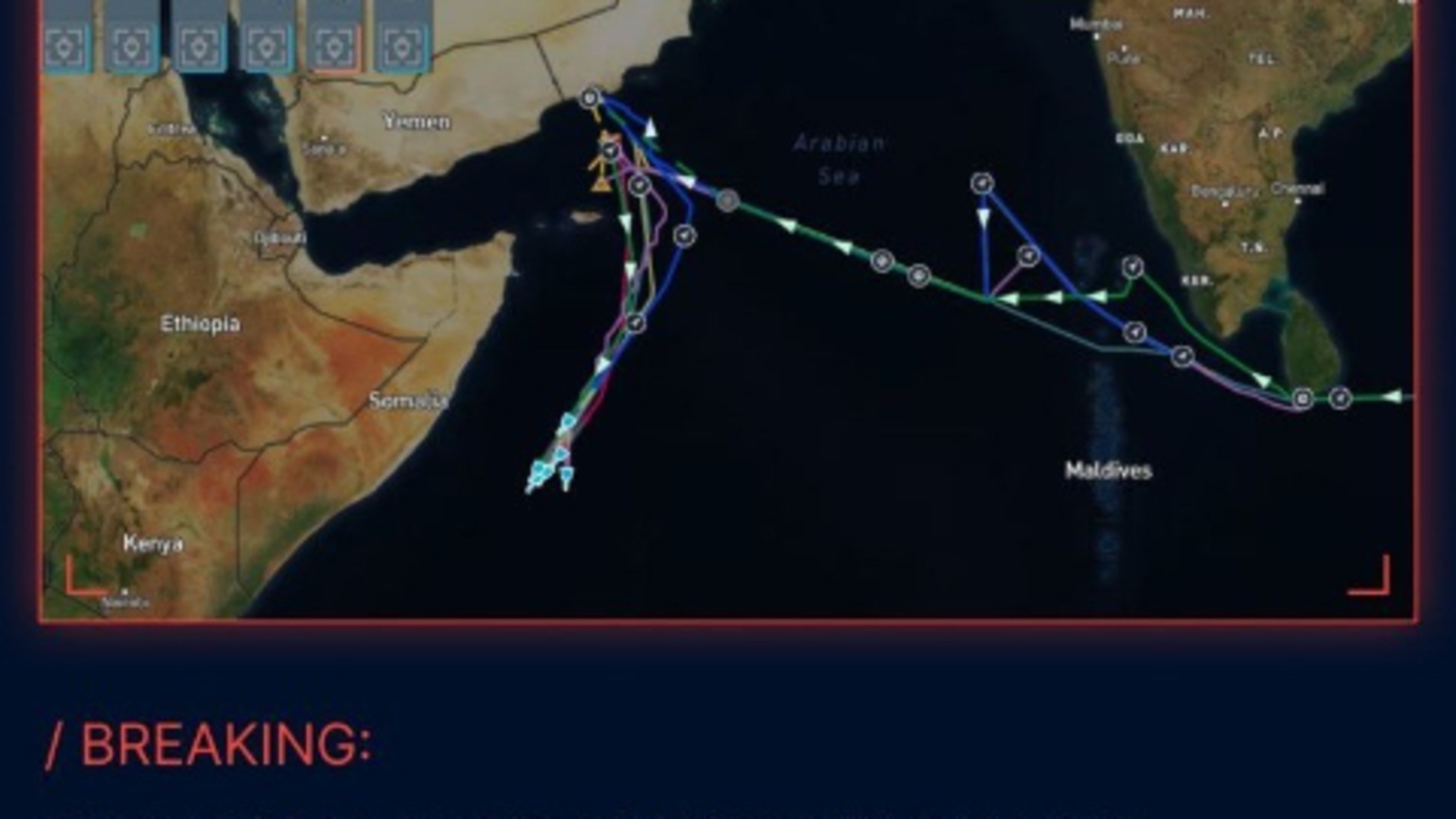
6 VLCCs Reroute via the Cape of Good Hope
 Safety
Five Dead as Fire Engulfs Indonesian Ferry: Vehicle Deck, Delayed Alert and Safety Failures Under Investigation
 Safety
Not Yet Broken Apart, but the Disaster Has Already Begun: Shadow Tanker Leaks Oil off Oman
 Safety