

Container Ship Sunk as Three Major Carriers Suspend Ukraine Black Sea Services
FESCO’s Yanina goes down after a maritime drone attack, while Hapag-Lloyd, Maersk and CMA CGM withdraw direct calls from key Ukrainian ports
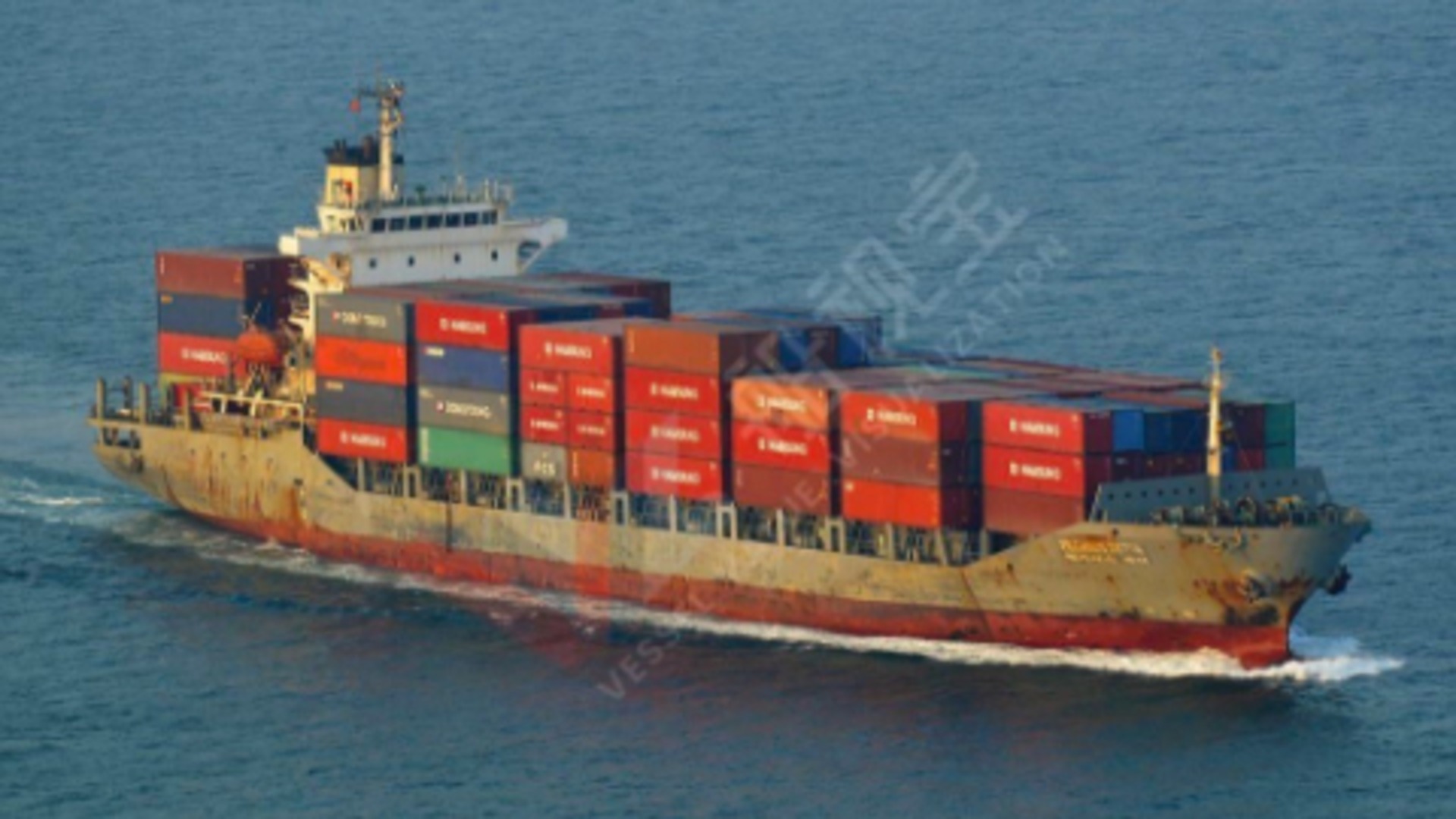

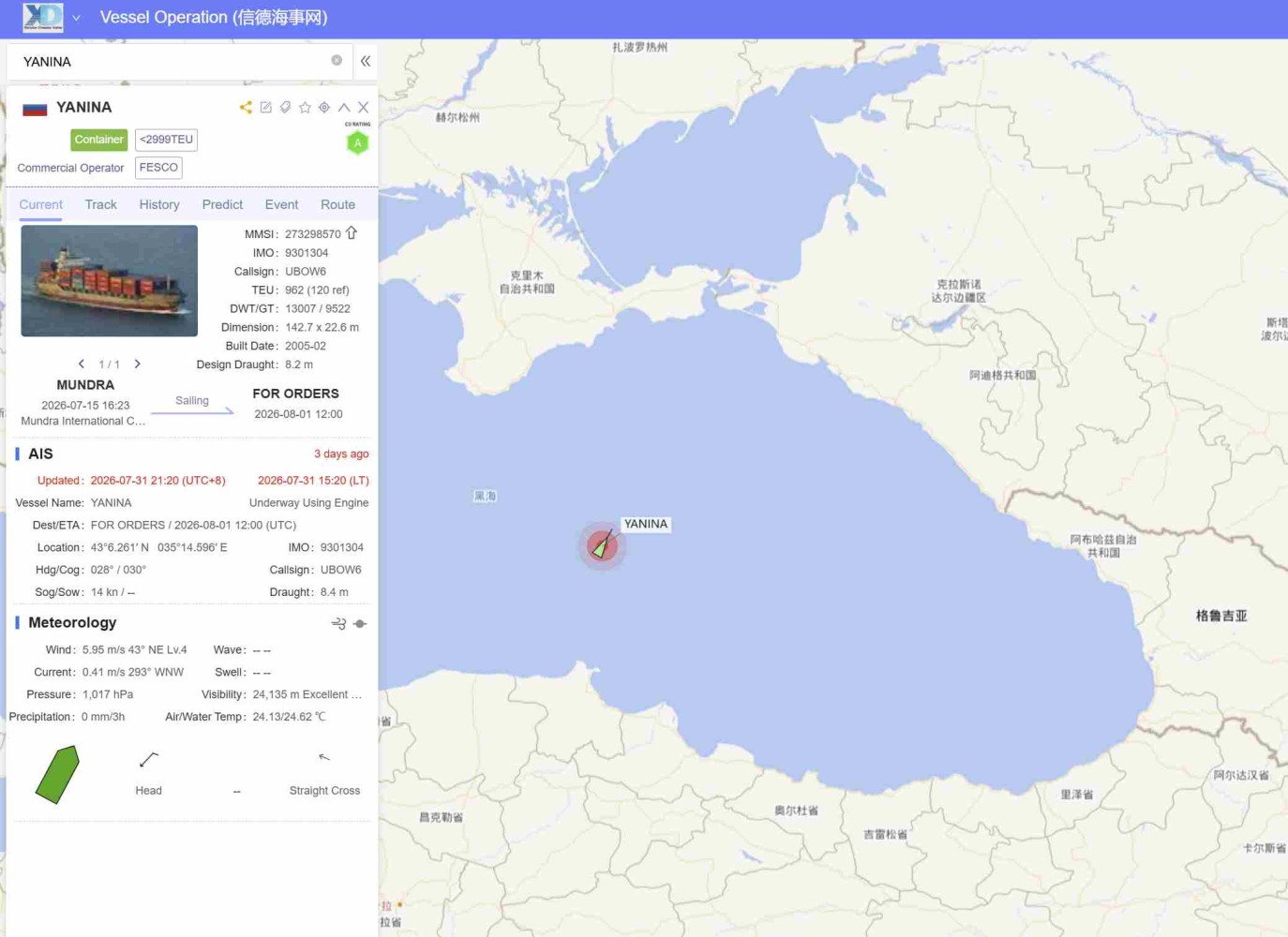
A Russian container ship has sunk in the Black Sea after being struck by maritime drones, adding to growing concerns that the war is spreading deeper into commercial shipping lanes.
The FESCO-operated Yanina was attacked on August 1 while sailing in the eastern Black Sea, around 130 nautical miles from the Russian port of Novorossiysk.
According to Russian reports, the vessel was hit by two unmanned surface vessels and later sank after sustaining serious damage. All 17 crew members abandoned ship and were rescued.
The nearby merchant vessel Delphinus picked up 16 seafarers, while the final crew member was recovered by Russian naval aviation and taken ashore.
FESCO confirmed the loss of the vessel and said all crew members were safe. The company added that its wider operations were continuing as normal.
FESCO is part of the transport and logistics business managed by Russia’s state nuclear corporation Rosatom.
Russian officials said Yanina was operating as a civilian merchant vessel and was carrying frozen food, construction materials and interior products.
Rosatom chief executive Alexey Likhachev described the attack as an act of maritime piracy and said the vessel had been engaged in normal commercial operations.
Ukraine presented a different account.
Ukrainian President Volodymyr Zelensky said the vessel was a sanctioned Russian ship and described it as a target linked to support for Russia’s military operations.
The claims made by the two sides regarding the vessel’s role and cargo have not been independently reconciled.
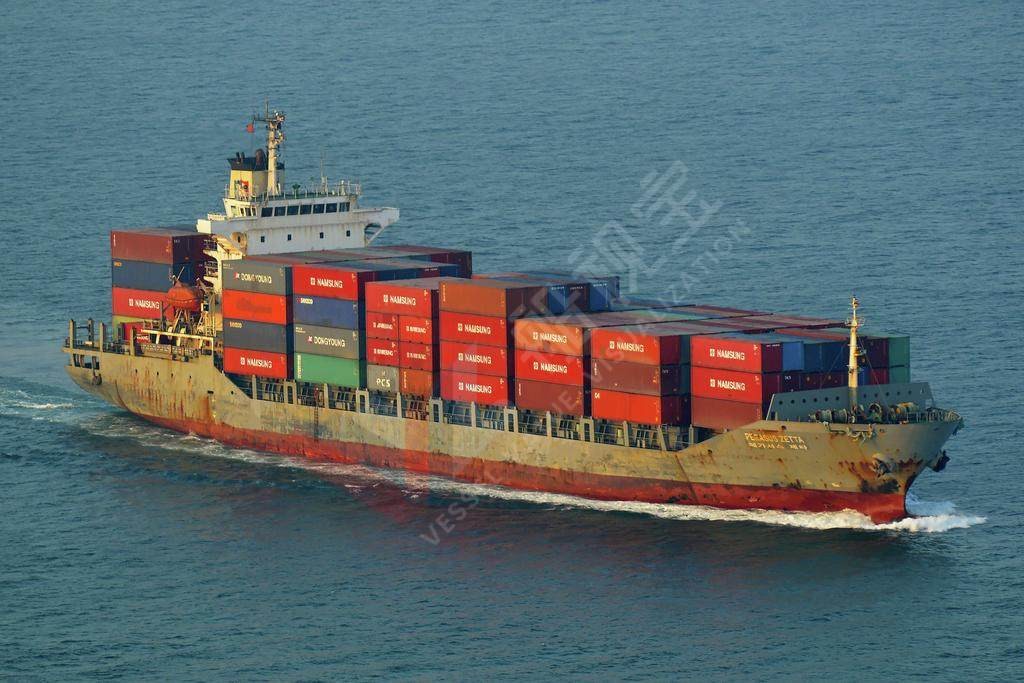
Built in 2005, the Russian-flagged Yanina had a capacity of around 962 teu. The vessel was approximately 142 metres long and had a deadweight of about 13,000 tonnes, placing it firmly in the small feeder container ship segment.
Black Sea risk is spreading in both directions
The location of the attack is particularly significant.
Yanina was not operating close to the Ukrainian ports that have faced repeated Russian missile and drone attacks. It was sailing in the eastern Black Sea, well away from the Odesa region and closer to Russia’s main southern maritime gateway.
For much of the war, commercial shipping concerns have centred on Odesa, Chornomorsk and Pivdennyi.
Russian attacks on Ukrainian grain terminals, warehouses, port infrastructure and merchant vessels have steadily increased the risks faced by ships and crews entering the country’s Black Sea ports.
The sinking of Yanina shows that those risks are no longer confined to the Ukrainian side of the sea.
Ukraine has expanded its attacks against Russian vessels, ports, energy infrastructure and maritime logistics targets across the Black Sea and the Sea of Azov.
Shipowners, charterers, insurers and seafarers must now consider risks around Russian ports, the Kerch Strait, the Azov shipping corridor and the approaches to Novorossiysk, as well as the traditional high-risk areas near Ukraine.
Commercial shipping is increasingly exposed from both directions.
In recent weeks, a growing number of merchant ships and port facilities have been drawn into the conflict.
Ukraine has said that 28 civilian vessels were attacked by Russia between June 20 and July 20, resulting in 21 deaths.
Among them was the grain carrier Golden Leo, which was hit after departing Chornomorsk with a cargo of corn. Nine crew members were killed, and the vessel later sank near Odesa.
Ukraine has also intensified attacks on Russia-linked tankers, cargo ships and port infrastructure.
Russian authorities have temporarily restricted traffic through the Don–Azov shipping route and imposed limits on night-time vessel movements around Novorossiysk.
The loss of Yanina marks a further escalation: the confrontation has now reached feeder container shipping.
Maersk suspends Chornomorsk service
International container lines had already started withdrawing direct capacity from Ukrainian Black Sea ports before the sinking of Yanina.
On July 22, Maersk announced that its feeder operator was no longer able to continue serving Chornomorsk Fishing Port because of changes in local operating conditions.
The service was suspended until further notice.
Import cargo originally scheduled to move to Chornomorsk aboard MEDKON MIRA, as well as affected containers already at or approaching Port Said for transshipment, was redirected to Constanța in Romania.
Maersk allowed export customers to cancel existing Chornomorsk bookings without cancellation or amendment charges.
Containers already delivered to the terminal could also be transferred to Constanța as the new port of loading, subject to the carrier’s operational requirements.
Maersk has not stopped accepting all Ukraine-related cargo.
Instead, the company has removed vessels from direct calls at Chornomorsk and shifted the final stage of transportation to road, rail and other inland connections through Romania.
CMA CGM withdraws direct Odesa calls
CMA CGM followed one day later.
On July 23, the French carrier said it was no longer able to serve Odesa by sea because of the security situation affecting Ukrainian ports.
The company said it could not determine when maritime operations might resume under conditions that would ensure the safety of vessels, crews and cargo.
CMA CGM has continued to accept Ukrainian import and export bookings, but cargo is now being routed through Constanța and the Polish port of Gdańsk.
From those gateways, cargo can move to and from Ukraine by road or rail.
The arrangement allows trade to continue, but it also adds border crossings, inland transport legs, handling costs and potential delays.
Ukraine’s container supply chain is increasingly shifting from direct maritime access to a model built around foreign gateway ports and cross-border logistics.
Hapag-Lloyd suspends calls at three major ports
Hapag-Lloyd expanded the scope of the withdrawal on July 31.
The German carrier said its feeder operators had suspended calls at Chornomorsk, Odesa and Pivdennyi because of the continued deterioration of the security situation in the Odesa region.
The suspension will remain in place until further notice.
The three ports form the core of the Greater Odesa port system and are among Ukraine’s most important outlets for containers, grain and other commodities.
Hapag-Lloyd said cargo booked for the affected ports might need to be discharged elsewhere.
The carrier is considering Reni, on the Ukrainian stretch of the Danube, as the preferred alternative where operating and commercial conditions allow.
Where Reni is not suitable, cargo may be redirected to ports in Romania or Poland on a case-by-case basis.
Additional storage, inland transport, change-of-destination and handling costs may be passed on to cargo interests under the applicable bill of lading terms.
Hapag-Lloyd has not withdrawn from the entire Black Sea.
Its suspension applies specifically to the three Ukrainian ports and does not cover services to ports in Romania, Bulgaria, Türkiye or Georgia.
Greater Odesa is close to losing direct liner connectivity
The three carrier decisions were announced before Yanina was sunk.
Maersk suspended its Chornomorsk service on July 22, CMA CGM withdrew direct calls at Odesa on July 23, and Hapag-Lloyd halted calls at the three Greater Odesa ports on July 31.
The sinking of Yanina was therefore not the direct trigger for those decisions.
It does, however, reinforce the broader concern behind them: the Black Sea security environment is deteriorating well beyond the immediate approaches to Ukrainian ports.
Avoiding Odesa may no longer be enough to reduce exposure.
Ships sailing towards Russian ports or operating in international waters far from the Ukrainian coast may also fall within the range of maritime drones and other long-range weapons.
This is likely to influence war-risk premiums, crew availability, vessel supply, chartering decisions and the use of war-risk clauses in shipping contracts.
With Maersk, CMA CGM and Hapag-Lloyd all suspending direct calls at key Ukrainian ports, the Greater Odesa region is now close to losing its direct connection with the global container liner network.
The ports have not been formally closed by the Ukrainian authorities.
The withdrawal is being driven by commercial decisions taken by shipowners, feeder operators, insurers and crews faced with rising security risks.
Ukraine-related container cargo is increasingly being redirected through three main corridors: the Danube ports, especially Reni; Constanța in Romania; and Polish ports such as Gdańsk.
These alternatives can keep cargo moving, but at a higher cost.
More transshipment, longer inland journeys, additional border procedures and greater operational uncertainty are becoming part of the price of serving Ukraine.
For the container lines, suspending direct port calls does not mean abandoning the Ukrainian market. It means shifting risk away from ships and crews and into inland transport and multimodal logistics.
The sinking of Yanina adds a further warning.
The Black Sea is entering a phase in which merchant ships themselves can become direct military targets, even outside the immediate vicinity of the main conflict-zone ports.
As ports, shipping lanes, merchant vessels and logistics infrastructure all move within the reach of long-range weapons, the disruption is becoming more than a temporary suspension of port calls.
It is turning into a structural reorganisation of Black Sea trade and transportation.


READ MORE
 Safety
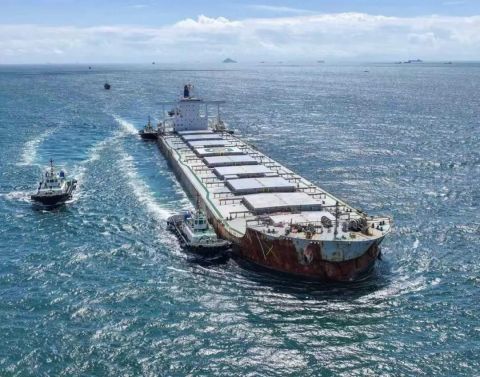
Collision-Damaged 181,000-dwt Capesize CAPE XL Safely Berthed in Qingdao — Three Months After Singapore Strait Collision
 Safety
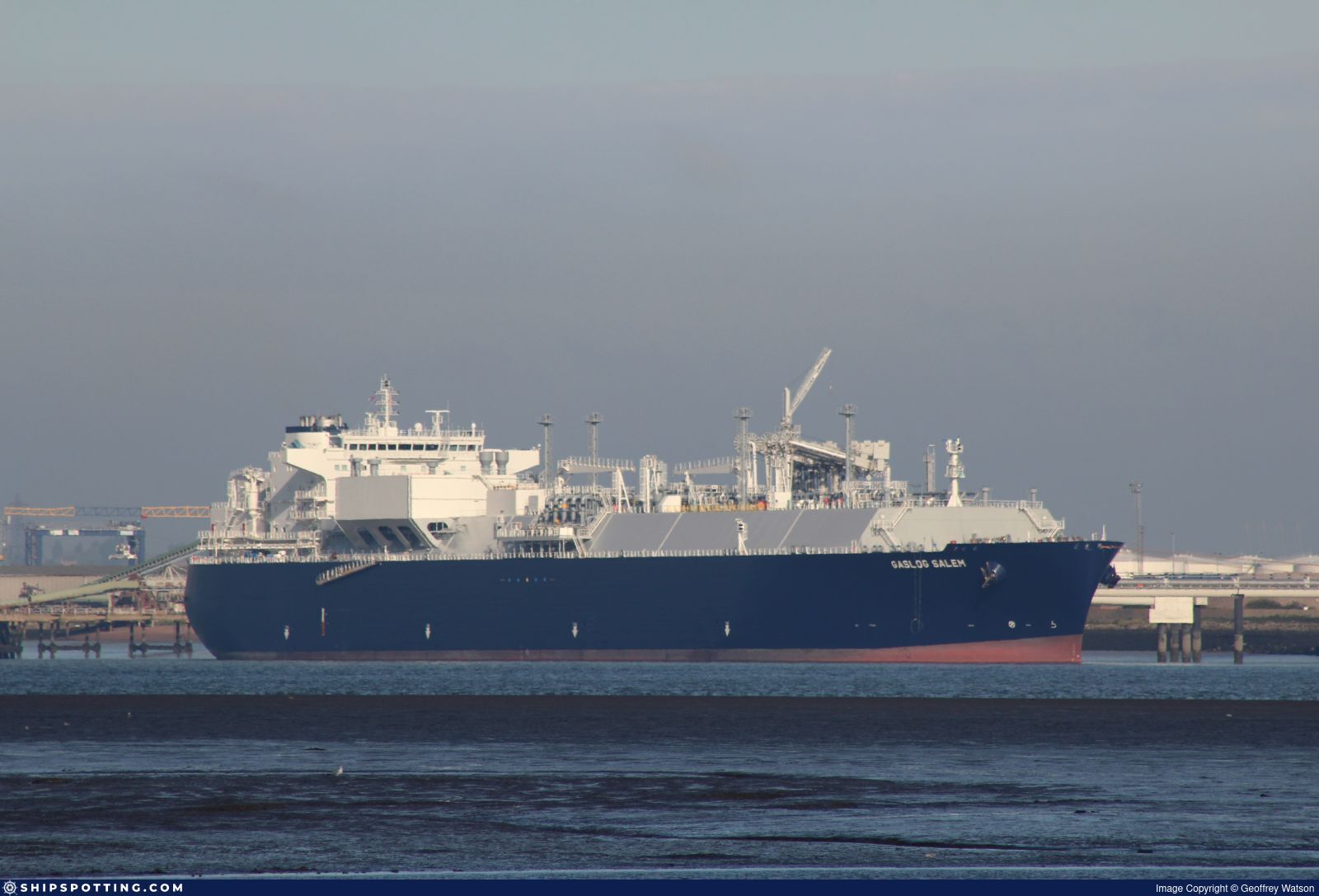
CDB Leasing Moves to Auction Fire-Damaged LNG Carrier GasLog Salem as Lease Nears End
 Safety
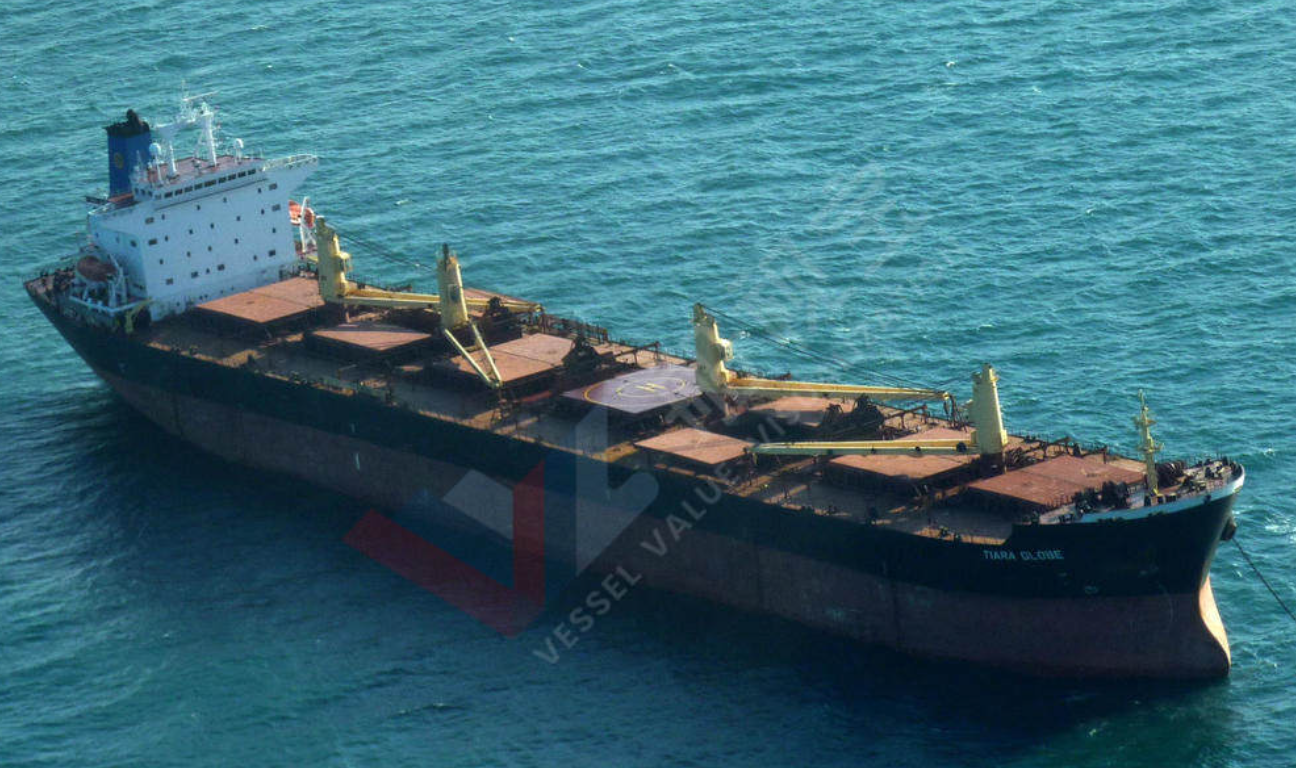
Panama-Flagged Bulker Sinks in Bay of Bengal; 2 of 24 Crew Rescued, 20 Chinese Nationals Missing
 Safety
Rescued From One Drone Attack, Turkish Cook Dies in Second Black Sea Strike
 Safety
Five Grain‑Carrying Bulkers Hit in Succession; Novorossiysk‑Tuapse Shipping Route Under Siege
 Safety