


CMA CGM Shipping EBITDA Surges 42% as Freight Rates and Volumes Rebound
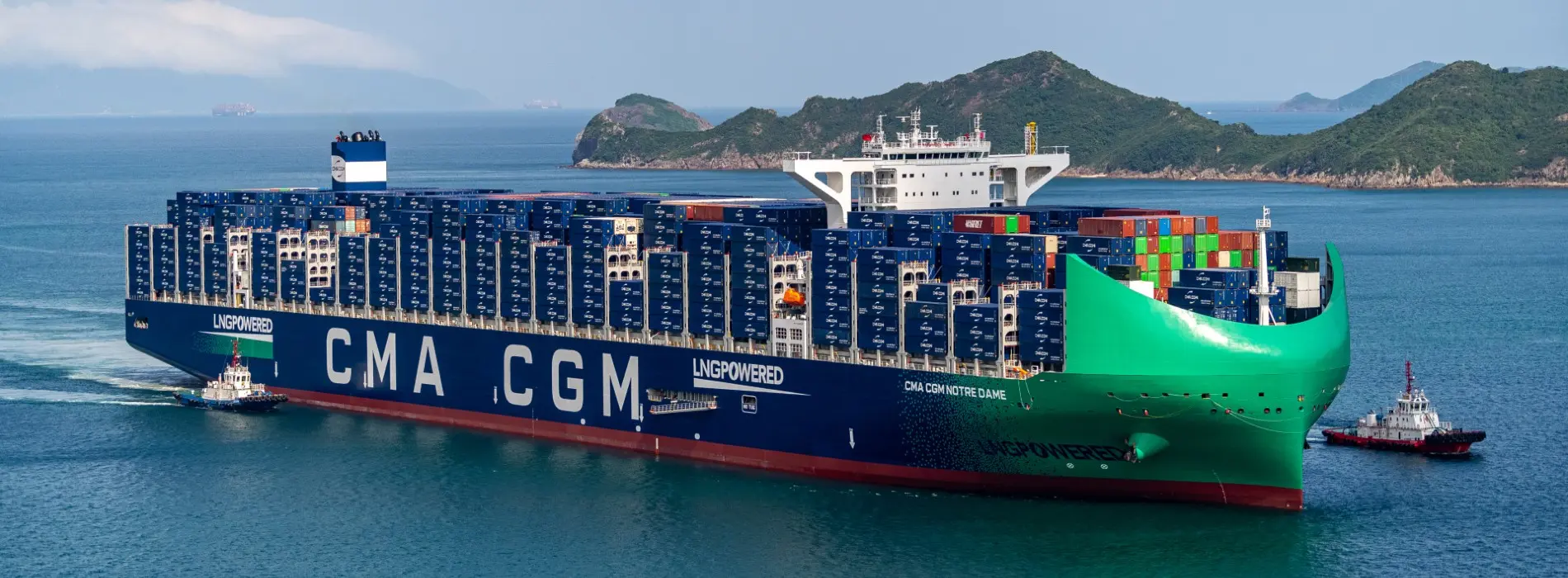

French shipping and logistics giant CMA CGM reported a sharp improvement in its second-quarter performance, supported by resilient global trade, higher freight rates and sustained cargo demand despite escalating geopolitical disruption in the Middle East.
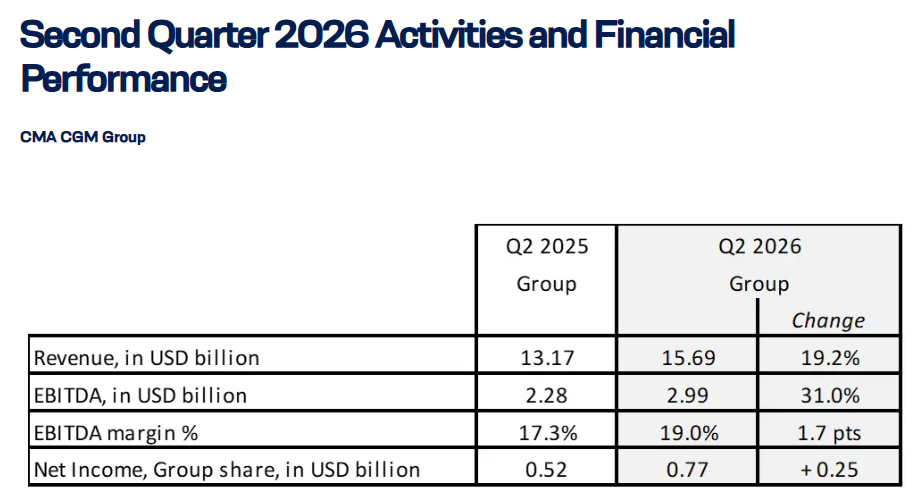
For the second quarter of 2026, CMA CGM generated revenue of $15.69 billion, up 19.2% year on year. Earnings before interest, taxes, depreciation and amortisation rose 31% to $2.99 billion, while the group’s EBITDA margin improved from 17.3% to 19.0%.
Net income increased from $520 million in the same period last year to $770 million, representing growth of approximately 48%.
The improvement was even more pronounced compared with the first quarter of 2026. On a sequential basis, second-quarter revenue increased by around 18.6%, EBITDA rose by approximately 41.7%, and net income more than tripled from $250 million in the first quarter.
The recovery largely reversed the earnings pressure seen at the beginning of the year, when weaker freight rates and higher costs associated with disruption in the Middle East weighed on the group’s performance.
Volumes and Revenue per Container Rise Together
Shipping remained CMA CGM’s principal earnings driver.
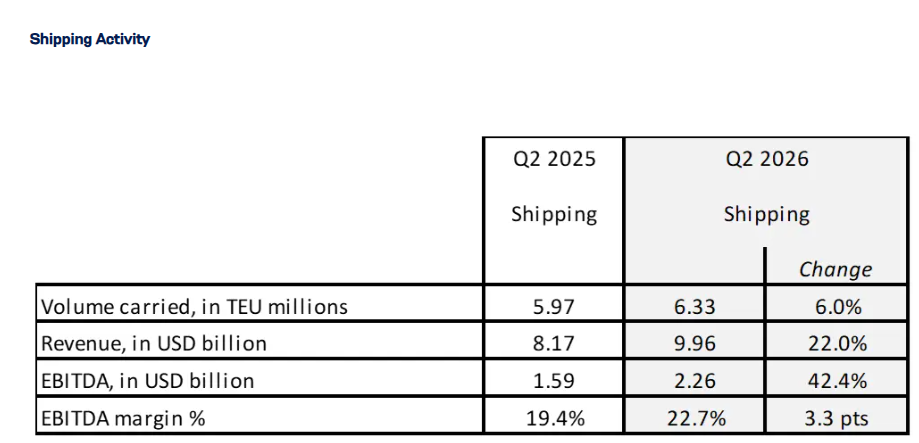
The group carried approximately 6.33 million TEU during the quarter, an increase of 6% year on year. Shipping revenue rose 22% to approximately $10 billion, while shipping EBITDA surged 42.4% to $2.26 billion.
The shipping division’s EBITDA margin improved from 19.4% a year earlier to 22.7%.
CMA CGM’s average revenue per TEU reached $1,575 during the quarter, up 15.1% year on year. This compared with average revenue of $1,351 per TEU in the first quarter, when the figure had fallen by 9.8% from the previous year.
The results indicate that the recovery in shipping profitability was driven by both higher cargo volumes and stronger freight rates. The improvement in revenue per container provided the most direct contribution to the increase in earnings.
CMA CGM said global trade remained resilient during the second quarter, supported by relatively stable consumer demand, continued corporate investment, inventory replenishment and the front-loading of shipments ahead of possible new tariffs.
Chief Financial Officer Ramon Fernandez said the group’s container volumes rose by slightly more than 6% during the first five months of the year, outperforming estimated global container market growth of around 4.7%.
In addition to underlying consumption and inventory demand, some customers brought shipments forward because of concerns over tariff increases and possible supply chain disruption.
This suggests that second-quarter cargo growth was not entirely generated by the natural expansion of final consumption. Tariff expectations, inventory strategies and geopolitical risk also contributed to a temporary acceleration in shipments.
Such front-loading can support volumes and freight rates in the near term, but its durability will depend on the implementation of trade policies, inventory levels and consumer demand during the remainder of the year.
Middle East Disruption Raises Costs but Tightens Effective Capacity
The situation in the Middle East remained one of the most significant external factors affecting CMA CGM’s operations.
The conflict prevented some vessels from operating normally, raised insurance costs and reduced cargo activity on certain Middle East routes. Fernandez said eight CMA CGM vessels remained trapped in the Gulf region.
At the same time, the group maintained supply chain services to Gulf countries by adjusting its network, developing alternative multimodal corridors, redeploying vessels and using its own terminal and logistics assets.
CMA CGM said higher freight rates and cargo volumes offset the additional costs associated with stranded vessels, higher insurance premiums and weaker regional activity.
The company also increased overall deployed capacity by approximately 9% during the quarter and launched several new services, including the Mekong Transpacific Express between Vietnam and the US West Coast and the Ocean Rise Express connecting Japan, southern China and Northern Europe.
The results highlight the unusual impact of geopolitical disruption on the container shipping market.
Conflict increases fuel, insurance and operating costs. However, it can also tighten effective capacity by extending sailing distances, restricting access to certain regions and reducing vessel turnaround efficiency.
When cargo demand remains resilient, the revenue generated by higher freight rates may exceed the additional operating costs. Large carriers with extensive fleets, global networks and terminal assets are generally better positioned to benefit from this dynamic.
The balance could change rapidly, however, if tensions ease and disrupted routes reopen. The return of effective capacity to the market could place renewed pressure on freight rates.
CMA CGM has also announced an emergency fuel surcharge from August 1 in response to renewed cost pressures linked to the situation around the Strait of Hormuz.
Logistics Revenue Grows but Profitability Remains Under Pressure
The performance of CMA CGM’s logistics division was weaker than that of its shipping business.
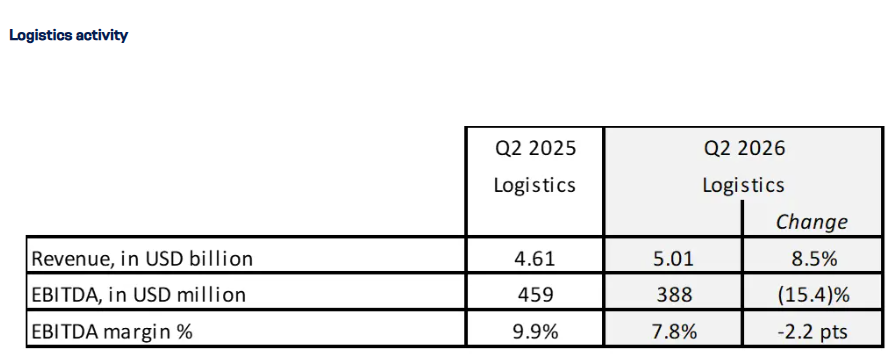
CEVA Logistics generated revenue of approximately $5 billion during the second quarter, up 8.5% year on year. Growth was supported by organic expansion, changes in the group’s consolidation scope and currency effects.
However, logistics EBITDA fell 15.4% to $388 million, while the division’s EBITDA margin declined from around 10% to 7.8%.
CMA CGM attributed the decline to intense competition and margin pressure in freight forwarding, as well as continued weakness in the automotive sector. Vehicle logistics, road transport and parts of the automotive supply chain remained particularly challenging in Europe.
CEVA reported a similar trend during the first quarter, when revenue increased by 6.6% but EBITDA declined by 17.2%.
The logistics division has therefore recorded two consecutive quarters in which revenue increased but earnings fell. CMA CGM’s integrated logistics platform continues to expand, but additional scale has yet to translate fully into stronger margins.
By contrast, the group’s terminals, air cargo and other activities delivered stronger growth. Revenue from these businesses increased 47.6% to approximately $1.5 billion, while EBITDA rose 44.5% to $338 million.
The improvement was driven by terminal operations, air freight and recently consolidated businesses.
These figures show that CMA CGM’s investments in terminals, aviation and integrated logistics are gradually creating additional earnings streams outside container shipping. Nevertheless, maritime transport continues to determine the group’s overall profitability and exposure to the shipping cycle.
Based on the first two quarters, CMA CGM generated approximately $28.9 billion in revenue during the first half of 2026, an increase of around 9.4% year on year.
First-half EBITDA reached approximately $5.1 billion, still around 5% lower than in the same period of 2025, while net income fell approximately 38% to $1.02 billion.
The strongsecond-quarter rebound has therefore not fully offset the substantial decline in profitability recorded during the first three months of the year.
CMA CGM expects relatively strong cargo demand to continue into the third quarter, but remains cautious about the longer-term outlook.
A large number of new container ships continue to enter the market, making freight rate developments over the next six to 18 months difficult to predict.
Carriers may seek to manage supply through slower sailing speeds, idling vessels, restructuring services or scrapping older tonnage. However, tariff policies, Middle East disruption and the pace of newbuilding deliveries will remain decisive factors shaping the market balance.
CMA CGM Chairman and Chief Executive Rodolphe Saadé said the second-quarter results reflected growth in shipping, terminals and air freight, as well as the benefits of greater integration with the group’s logistics activities.
The figures show that CMA CGM has returned to a period of simultaneous improvement in volumes, freight rates and shipping margins.
However, part of the current growth is linked to front-loaded cargo and a geopolitical freight premium. The key question for the second half of the year will be whether global cargo demand can continue to absorb incoming capacity, and how Middle East risks will affect vessel availability and operating costs.


READ MORE
 Containers
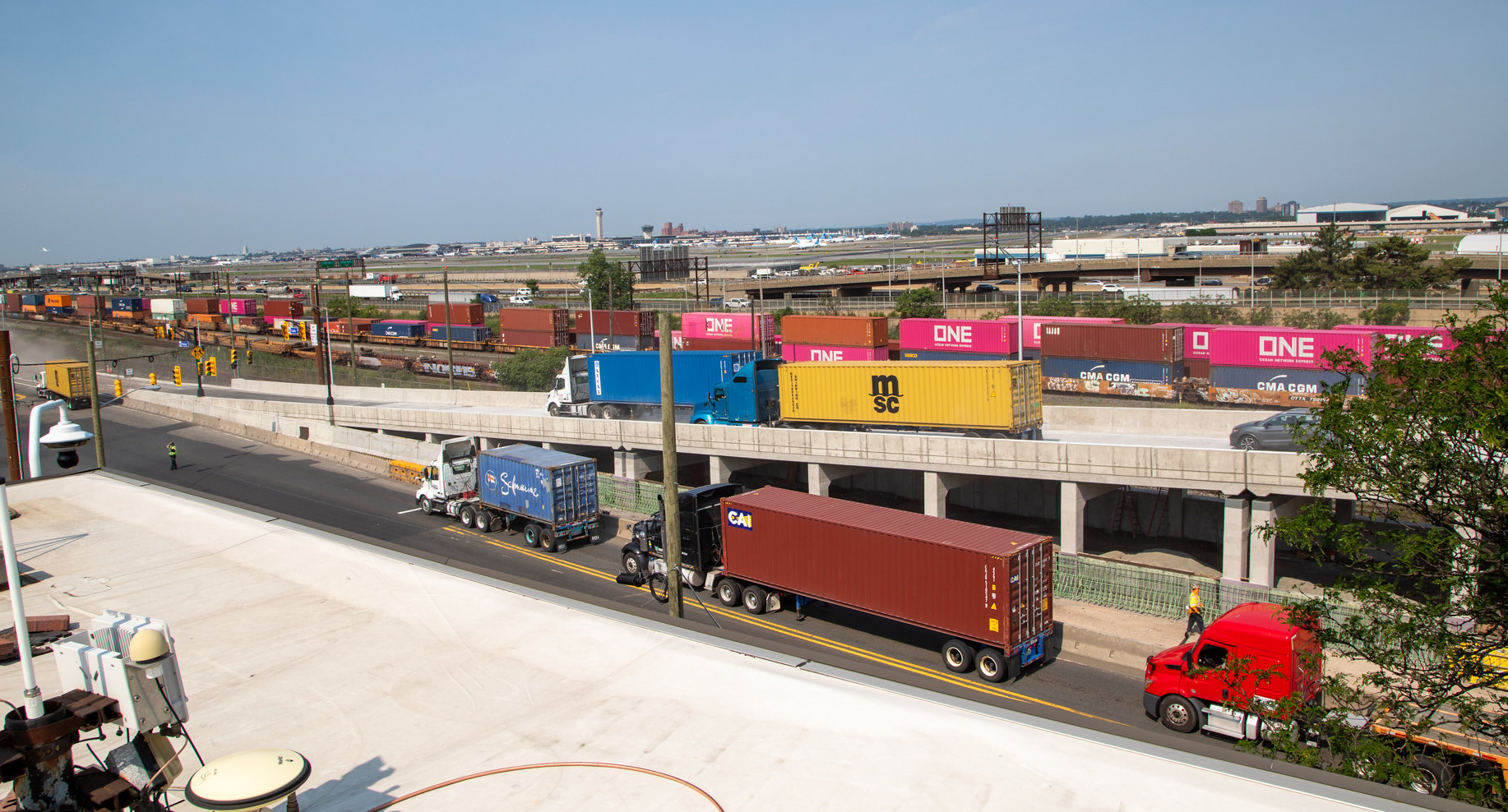
Is Peak Season Really Over? Asia–U.S. East Coast Rates Reach $9,400
 Containers
Ningbo Containerized Freight Index Weekly Commentary Freight Rate Trends Diverged Across Routes; Composite Index Continued Its Upward Trend
 Containers
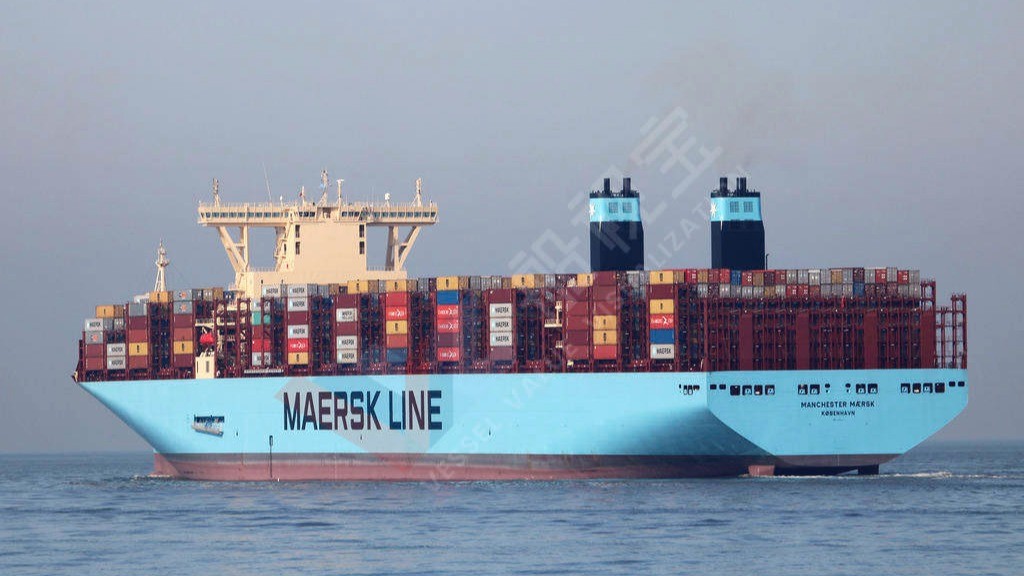
Gemini Expands Red Sea Comeback: More Maersk-Hapag Lloyd Services Return to Suez
 Containers
Ningbo Containerized Freight Index Weekly Commentary North America Freight Rates Rose at High Levels; Overall Divergence Pattern Remained
 Containers
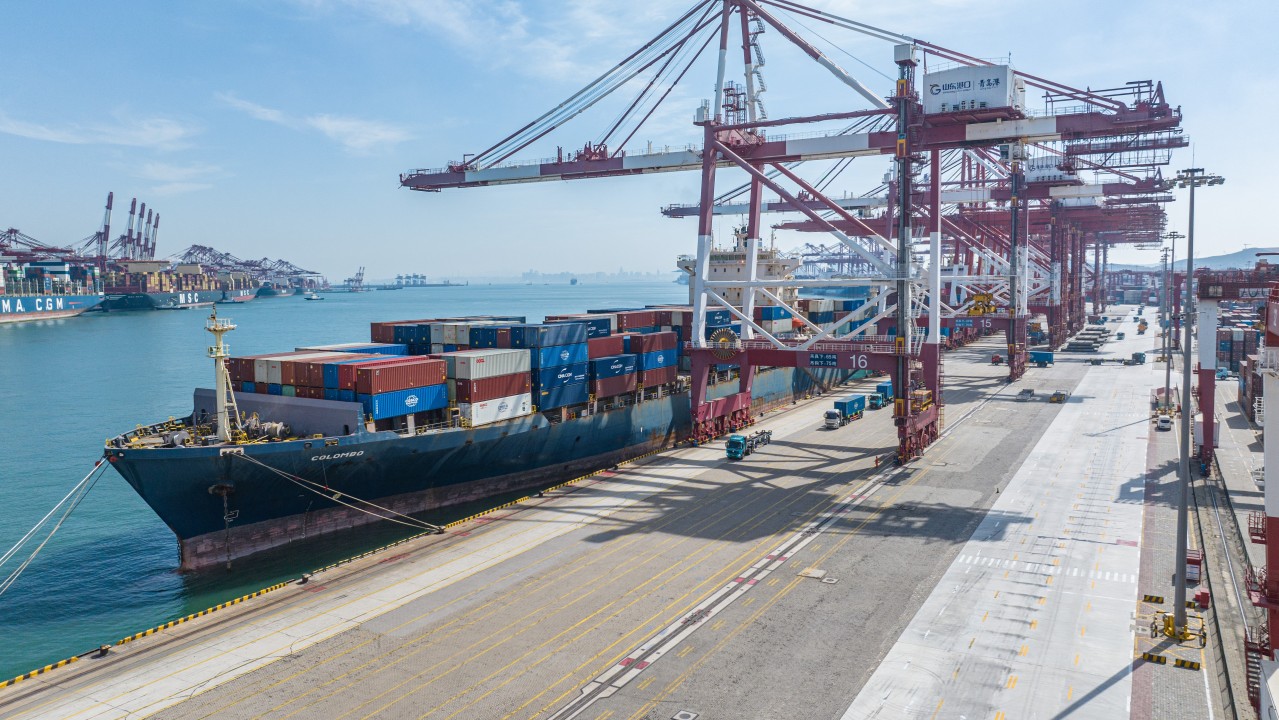
COSCO, OOCL and ANL Launch New Weekly Qingdao–Australia East Coast Service
 Containers
Bernhard Schulte Shipmanagement has reached a new milestone, with its global managed fleet surpassing 700 vessels.
 Containers
PIL strengthens India–East Africa connectivity with new Imara Express service
 Containers
Ningbo Containerized Freight Index Weekly Commentary Middle East Freight Rate Gains Widened; Composite Index Reversed Decline and Rose
 Containers
Evergreen Tightens Sanctions Compliance: Bans High-Risk Shipper-Owned Containers
 Containers