

The Greek owner has booked three 1,800-teu Bangkokmax vessels at China Merchants’ Qingshan Shipyard
marking its first container newbuilding programme and the yard’s first known overseas order since restarting shipbuilding.
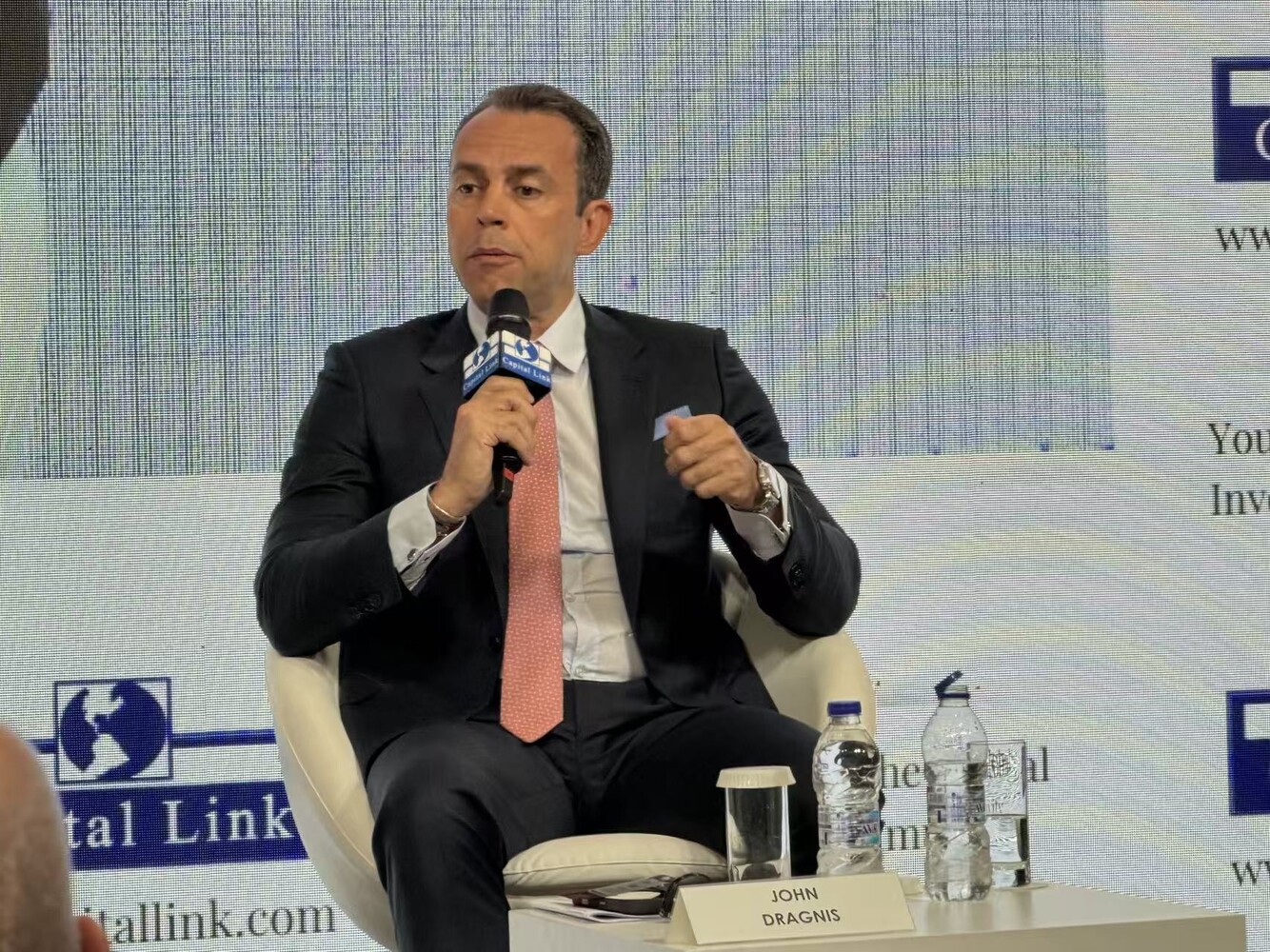
Greek shipowner Goldenport Group , controlled by John Dragnis, has ordered three 1,800-teu feeder container ships at China Merchants Shipbuilding’s Qingshan Shipyard in Wuhan.
The vessels are scheduled for delivery between 2027 and 2028. The contract marks Goldenport’s first move into the container newbuilding market, although the company has been active in the container sector for years through a small fleet acquired mainly from the secondhand market.
Alphaliner reported that the order covers three Bangkokmax vessels in the 1,800-teu to 1,900-teu range. Clarksons data indicates that the contract was signed earlier in 2026, while Goldenport subsequently confirmed that the ships are intended as replacement tonnage for its existing fleet.
Neither Goldenport nor the shipyard has disclosed the contract value, technical specifications or future employment arrangements.
Based on Alphaliner’s assessment of current newbuilding prices, modern Bangkokmax vessels of this size are typically valued at about $31m to $33m each. That would place the total investment at approximately $93m to $99m, although the actual contract price may differ depending on equipment selection, specification and the relatively early delivery slots secured by the owner.
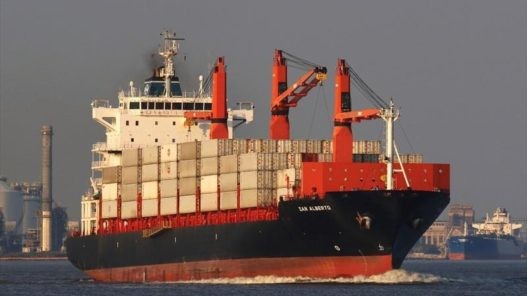
Goldenport’s first container newbuilding programme
Goldenport is not a newcomer to container shipping.
The company currently manages 31 vessels, comprising 25 dry bulk carriers and six container ships. Its container exposure is concentrated in the feeder and sub-panamax segments, broadly matching the size profile of the latest order.
According to Alphaliner, the existing container fleet includes three older vessels of about 1,841 teu, one relatively modern 1,930-teu Bangkokmax ship, as well as units of around 1,500 teu and 2,500 teu.
Until now, Goldenport has expanded this part of its fleet mainly through secondhand acquisitions.
In 2025, the company acquired the 2023-built feeder Norderney and renamed it Ithaca. The three newbuildings therefore represent another step in the renewal of its feeder fleet, while also moving the company into a segment of asset investment it had not previously entered.
Goldenport has extensive experience in sale-and-purchase transactions and ship construction supervision. The company says it has participated in more than 200 vessel transactions since its establishment and maintains newbuilding supervision teams in both China and South Korea.
Its previous newbuilding activity, however, has been focused mainly on dry bulk tonnage.
The Wuhan order can therefore be accurately described as Goldenport’s first container ship newbuilding contract, rather than its first entry into container shipping.
A measured fleet renewal strategy
The choice of the 1,800-teu Bangkokmax design fits closely with Goldenport’s existing fleet profile and commercial model.
Bangkokmax vessels are designed to serve ports with draft and dimensional restrictions, including terminals in Thailand and other regional markets. Their flexibility also allows deployment across intra-Asia, Mediterranean, North European feeder and other short-haul trades.
The size remains highly liquid in the charter market.
As of early July, Alphaliner assessed one-year charter rates for 1,800-teu Bangkokmax vessels at around $33,000 per day, while standard 1,700-teu ships were earning about $32,000 per day. Modern, fuel-efficient tonnage can command additional premiums when suitable ships are in short supply.
Goldenport’s existing container ships are largely within the 1,500-teu to 2,500-teu range. The latest order therefore preserves the company’s established market focus while providing younger and more efficient replacement assets for ageing vessels.
Goldenport’s own description of the ships as replacement tonnage also suggests that the programme is intended primarily as a controlled fleet renewal rather than an aggressive expansion into liner shipping.
The company is an independent shipowner and tonnage provider, not a container liner operator. The new vessels are therefore expected to support its chartering business, although no charterer has yet been identified.
More newbuildings in China
The container ship order forms part of a broader round of fleet investment by Goldenport.
The company has also been linked to two 63,500-dwt Ultramax bulk carriers at Nantong Xiangyu Offshore Engineering, with delivery expected in 2029.
Market reports have placed the combined value of the three feeder ships and two bulk carriers at around $166m.
If the three container ships are valued at approximately $93m to $99m in total, the implied investment in the two Ultramax vessels would be around $67m to $73m. No official price breakdown has been released.
The five vessels will all be built in China, with deliveries spread from 2027 to 2029.
The programme reflects Goldenport’s continued multi-sector strategy. The container ships will renew its feeder fleet, while the Ultramax vessels will strengthen its established dry bulk operations.
First known overseas order for the revived Qingshan yard
The contract is also significant for Qingshan Shipyard.
Located on the Yangtze River in Wuhan, the yard has a shipbuilding history stretching back to the 1950s. It previously built container ships, bulk carriers, chemical tankers, multipurpose vessels and other commercial tonnage, delivering more than 600 ships over several decades.
Qingshan withdrew from newbuilding activities after delivering its final ship in 2018 and subsequently shifted its focus towards ship repair and large steel structures.
In 2026, the yard was reorganised within China Merchants Group and transferred into the China Merchants Shipbuilding platform. It has since started rebuilding its commercial shipbuilding capacity, with feeder container ships, chemical tankers and multipurpose heavy-lift vessels identified among its target products.
Its first major batch order after the restart came from Chinese domestic carrier Zhonggu Logistics, which placed ten 1,800-teu container ships at the yard. The contract has a value of up to RMB2.7bn, with deliveries scheduled for 2028 and 2029.
A further four 1,800-teu vessels have been allocated to Qingshan for Sinotrans Container Lines, part of China Merchants Group.
Including the Goldenport order, the yard has now secured at least 17 vessels in the same size segment:
ten for Zhonggu Logistics;
four for Sinotrans Container Lines;
three for Goldenport.
The 17-vessel series will provide Qingshan with a substantial production base as it rebuilds its workforce, supply chain and shipbuilding management systems.
For the yard, Goldenport is particularly important because it represents the first known overseas container ship customer since the restart.
The contract expands Qingshan’s orderbook beyond domestic and intra-group business and brings an international independent owner into its revived newbuilding programme.
Alphaliner has suggested that the ships could be based on an established third-party design, potentially related to the SDARI Sealion 1800 platform or an adapted version. Neither the owner nor the yard has confirmed the design.
Feeder ordering remains active
Goldenport’s move comes amid renewed investment by Greek owners in feeder and mid-sized container ships.
Costamare, Danaos, Capital Group, Euroseas and Erasmus Shipinvest are among the Greek-controlled companies that have placed container ship orders over the past year.
Data cited by Xclusiv Shipbrokers indicates that feeder ships accounted for about 36% of the Greek-owned container orderbook by the end of May 2026.
Globally, around 112 feeder container ship orders had been recorded during the year by that point. Despite the rise in contracting, the feeder orderbook remains lower than that of the larger container ship segments when measured as a percentage of the existing fleet.
For owners such as Goldenport, the attraction is clear. The secondhand market offers limited availability, modern feeder values remain firm, and charter earnings are still strong. Newbuildings provide access to younger, more efficient tonnage while offering greater certainty over long-term fleet renewal.
For Qingshan Shipyard, the order carries a different significance. Delivering the three ships for an overseas owner will test the yard’s restored capabilities in international project management, class compliance, equipment procurement and delivery execution.
Goldenport’s first container newbuilding programme therefore serves two purposes: it renews the Greek owner’s feeder fleet and gives Qingshan Shipyard an early international reference as it returns to the commercial shipbuilding market.

READ MORE
 Shipbuilding
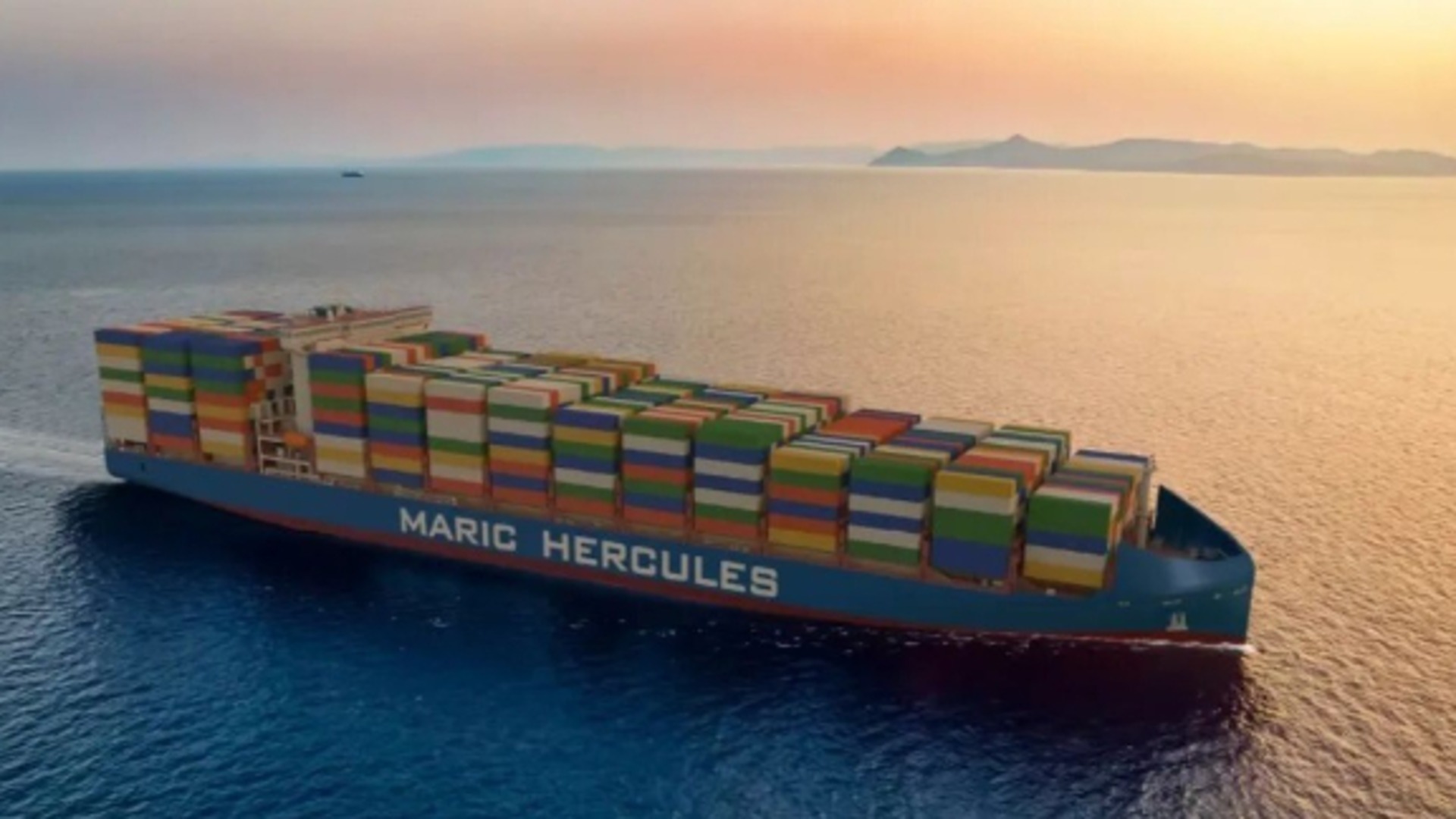
Container Shipping’s Supply Paradox: Ships Are Scarce Today, but Nearly 5 Million TEU Could Arrive in 2028
 Shipbuilding
Liaoning Port Moves to Add Two 5,200-hp Electric Tugs
 Shipbuilding
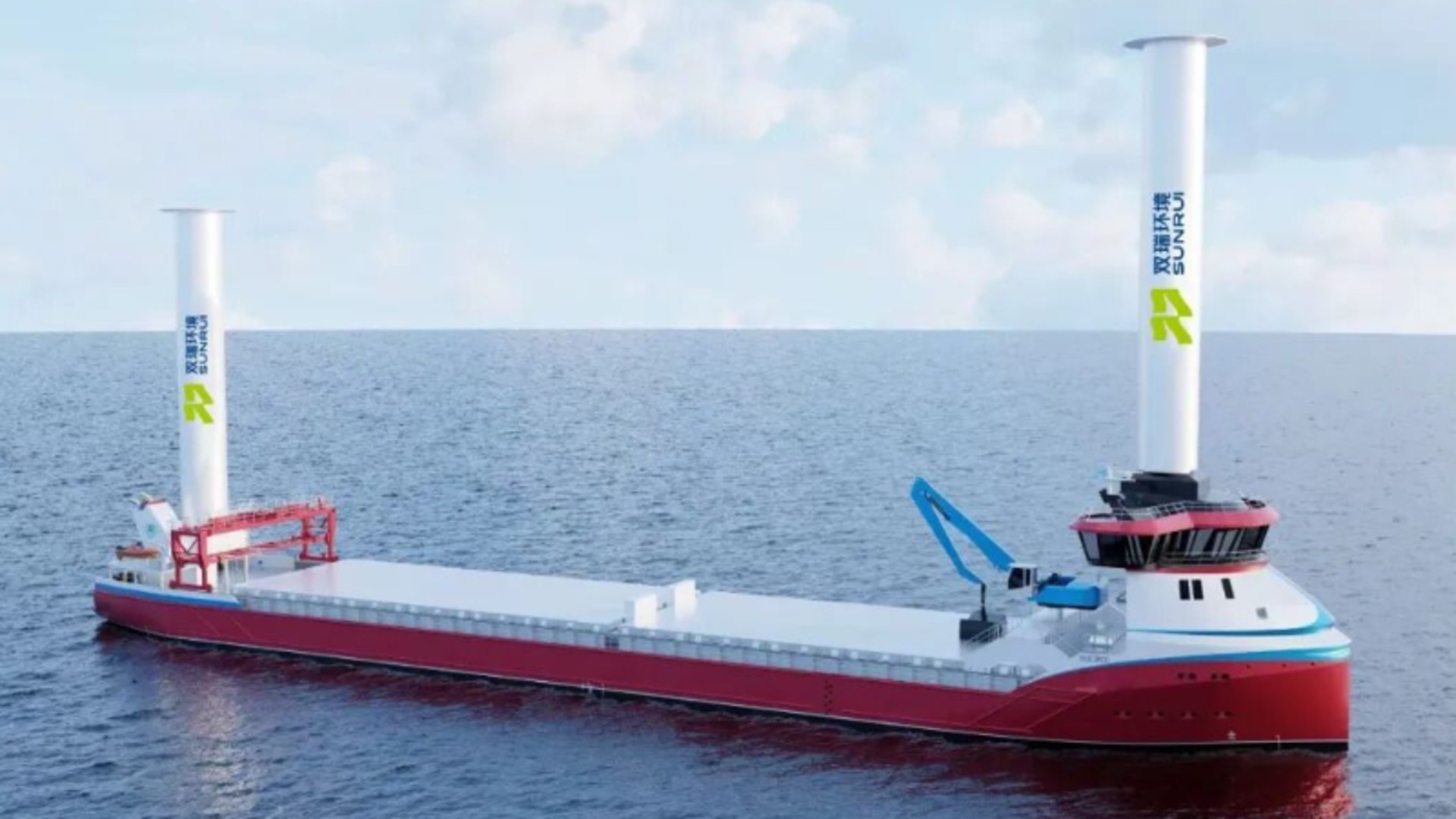
SunRui Secures Rotor Sail Systems for Two Vessels, Deliveries to Begin in 2027
 Shipbuilding
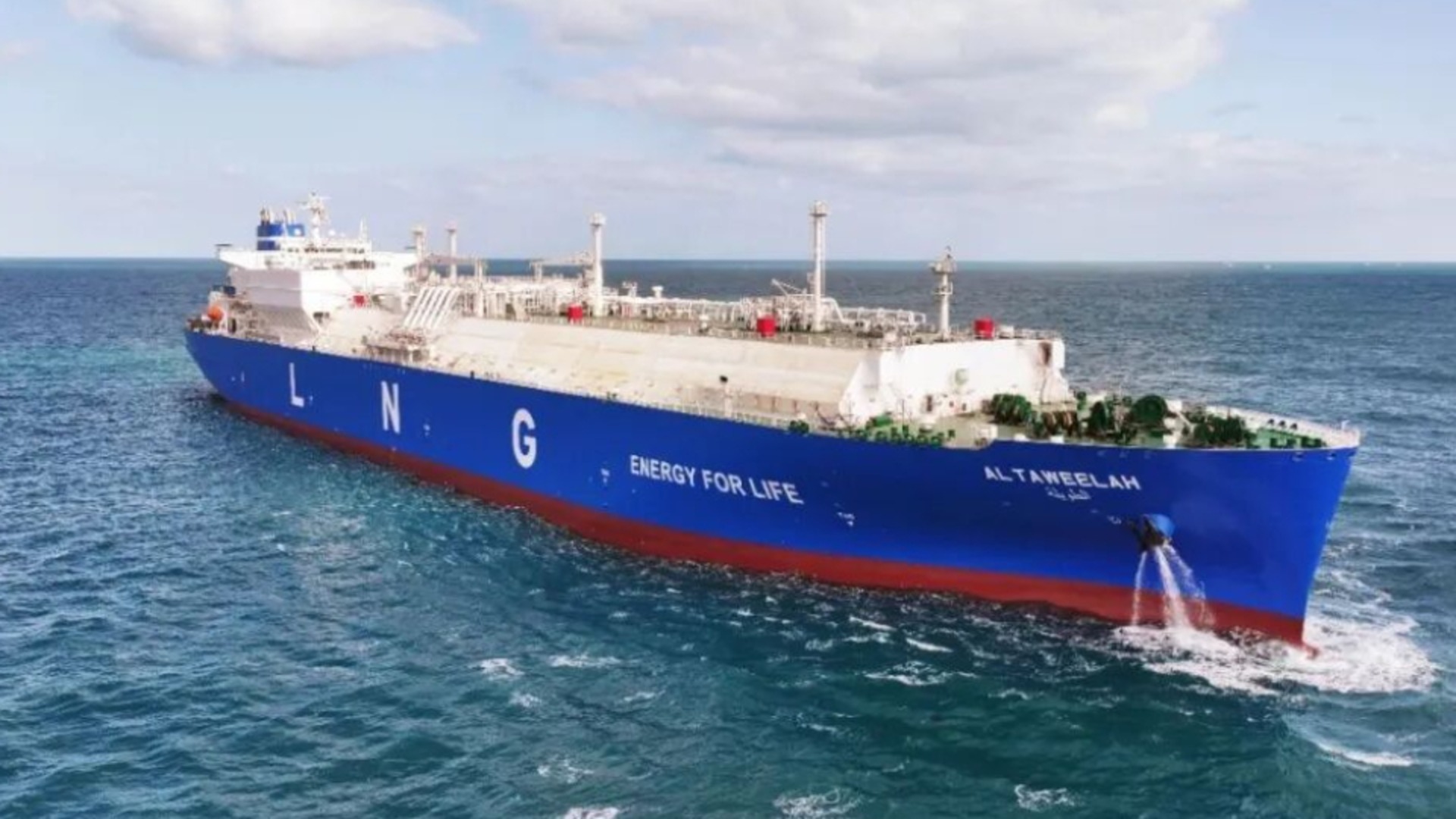
ADNOC L&S Returns to Jiangnan with $900m LNG Carrier Order
 Shipbuilding
Dajin Heavy Industry Lands New Shipbuilding Orders, Parent Provides Guarantees
 Shipbuilding
China's Largest Full-Revolving Semi-Submersible Crane Vessel Delivered in Jiangmen
 Shipbuilding
Hengli ’s First-Half Profit Surge as Newbuilding Orders Reach 207 Vessels
 Shipbuilding
CATL’s Electric Ship Arm Takes Stake in Jiangsu Kaiyang Shipbuilding
 Shipbuilding
Pan Ocean Orders Two More VLCCs at Beihai Shipbuilding
 Shipbuilding