


Zhejiang Completes First Ship-to-Ship Methanol Bunkering Operation
JIA CHEN 17 supplied 795 tonnes of methanol to Maersk’s new 5,900 TEU methanol dual-fuel containership MAERSK FLINDERS
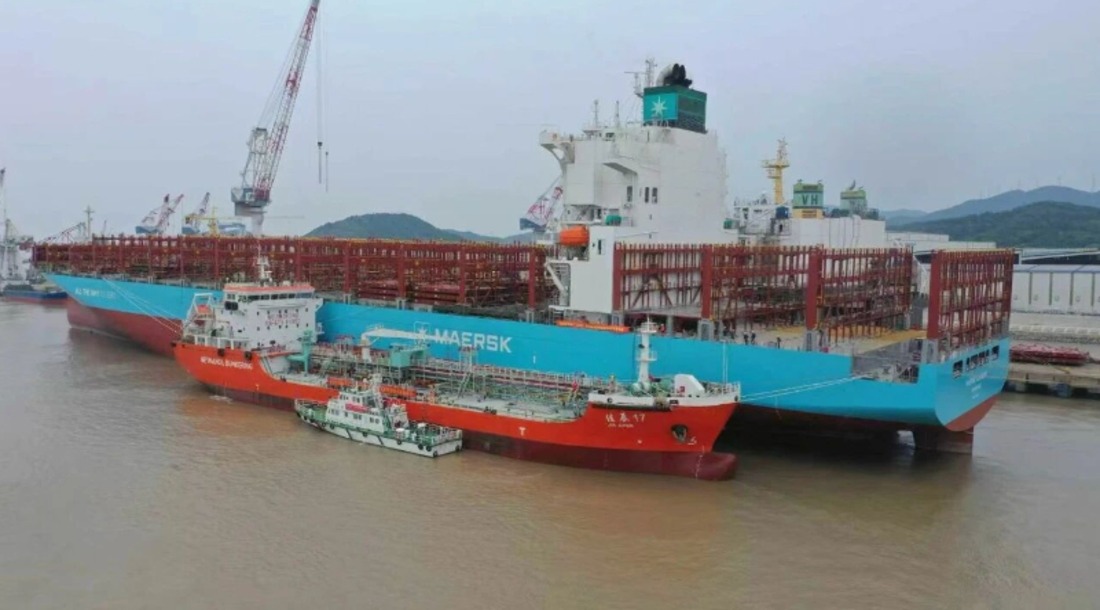

Zhejiang has completed its first ship-to-ship methanol bunkering operation, marking another step forward in the province’s green marine fuel supply capability.
On 27 June, the methanol bunker tanker JIA CHEN 17, operated by Zhejiang Free Trade Zone PetroChina Fuel Oil Co., Ltd., successfully completed the operation at Tsuneishi Group (Zhoushan) Shipbuilding Inc. in Zhoushan. The vessel supplied methanol fuel to MAERSK FLINDERS, a newly built 5,900 TEU methanol dual-fuel containership.
The operation marks the first ship-to-ship methanol bunkering service carried out at a shipyard berth in Zhejiang Province.
It also represents another important step for Zhoushan in expanding its clean marine fuel bunkering capabilities, following previous operations involving truck-to-ship methanol bunkering, truck-to-ship and ship-to-ship LNG bunkering, and blended biofuel bunkering. With this latest operation, Zhoushan has further strengthened its ability to provide ship-to-ship bunkering services for mainstream clean marine fuels.
The receiving vessel, MAERSK FLINDERS, is a 5,900 TEU methanol dual-fuel containership built by Tsuneishi Group (Zhoushan) Shipbuilding Inc. Compared with truck-to-ship bunkering used for earlier vessels of the same type, ship-to-ship methanol bunkering offers clear advantages in terms of single-operation supply capacity, operational efficiency and berth-side coordination. It is particularly suitable for large methanol-fuelled vessels requiring fuel supply at shipyard berths before delivery or deployment on international services.
The bunkering vessel JIA CHEN 17 is an important asset in Zhoushan’s methanol marine fuel supply infrastructure. The vessel was invested by Zhoushan Runji Shipping Co., Ltd., built by Zhoushan Hetai Shipbuilding & Repair Co., Ltd., and is operated by Zhejiang Free Trade Zone PetroChina Fuel Oil Co., Ltd. Total investment in the vessel is approximately RMB 65 million.
According to Xinde Marine News’ count based on publicly available information, JIA CHEN 17 is the fifth methanol bunkering vessel in China. It follows HAIGANG ZHIYUAN, which entered service in Shanghai as China’s first operational methanol bunkering vessel; DAQING 268, the country’s first methanol dual-fuel bunker tanker; CHIMBUSCO GREEN ENERGY 85, a newly built methanol bunkering and transport vessel with nationwide coastal operating capability; and JIANHANG LIDA, a dual-function chemical tanker that has already carried out methanol bunkering operations.
According to available information, JIA CHEN 17 was launched on 7 December 2025 and entered operation at Ningbo-Zhoushan Port in 2026. The vessel has an overall length of 109.95 metres and a deadweight of 6,670 tonnes. It is a coastal methanol bonded fuel bunkering vessel with a double-bottom, double-hull chemical tanker structure, mainly serving ship-to-ship bonded methanol bunkering for vessels engaged in international voyages.
To ensure the smooth completion of Zhejiang’s first shipyard-berth ship-to-ship methanol bunkering operation, the Zhoushan High-Tech Industrial Park Management Committee, together with the China (Zhejiang) Pilot FTZ Comprehensive Coordination Bureau, the Zhoushan Municipal Port and Shipping Authority, the Zhoushan Maritime Safety Administration, the Daishan County People’s Government and relevant enterprises, carried out risk assessments, prepared and reviewed a comprehensive emergency response plan, and held a pre-operation coordination meeting. The parties further refined the bunkering procedures, safety boundaries, emergency response arrangements and on-site control measures.
As global shipping continues its low-carbon transition, methanol is becoming one of the key alternative fuels being adopted by shipowners and liner operators. More than 450 methanol-fuelled or methanol-ready vessels are now either in operation or on order worldwide, covering containerships, bulk carriers, chemical tankers and other vessel types. As more methanol dual-fuel newbuildings are delivered, demand for methanol bunkering infrastructure and operational capability at ports, shipyards and fuel suppliers is rising rapidly.
For Zhoushan, the successful completion of this first operation is more than a single bunkering case. It marks another step in the city’s efforts to extend its marine fuel bunkering system towards greener fuels, multiple fuel types and more diverse operational scenarios.
In recent years, Zhoushan has accelerated the green transition of its marine fuel supply sector. The city has completed China’s first offshore anchorage LNG bunkering operation and its first blended biofuel bunkering operation, issued China’s first liquid ammonia bunkering licence, granted Zhejiang’s first LNG truck-to-ship bunkering filing certificate, and launched methanol truck-to-ship bunkering trials.
The completion of this shipyard-berth ship-to-ship methanol bunkering operation further connects shipbuilding and repair, green marine fuel supply and international-voyage bunkering services. It also supports Zhoushan’s efforts to enhance its comprehensive maritime service capabilities by leveraging the shipping resources of Ningbo-Zhoushan Port, its local shipyard base and its established bonded marine fuel supply system.
As methanol, LNG, biofuels, liquid ammonia and other clean marine fuel bunkering scenarios continue to expand, Zhoushan is moving from a traditional bonded bunker fuel supply centre towards a diversified green marine fuel bunkering hub.

READ MORE
 Sustainability
Port of Hamburg Moves Closer to Ammonia Bunkering Readiness
 Sustainability
U.S. DOT and Port of Long Beach Sign Agreement to Explore Nuclear-Powered Shipping
 Sustainability
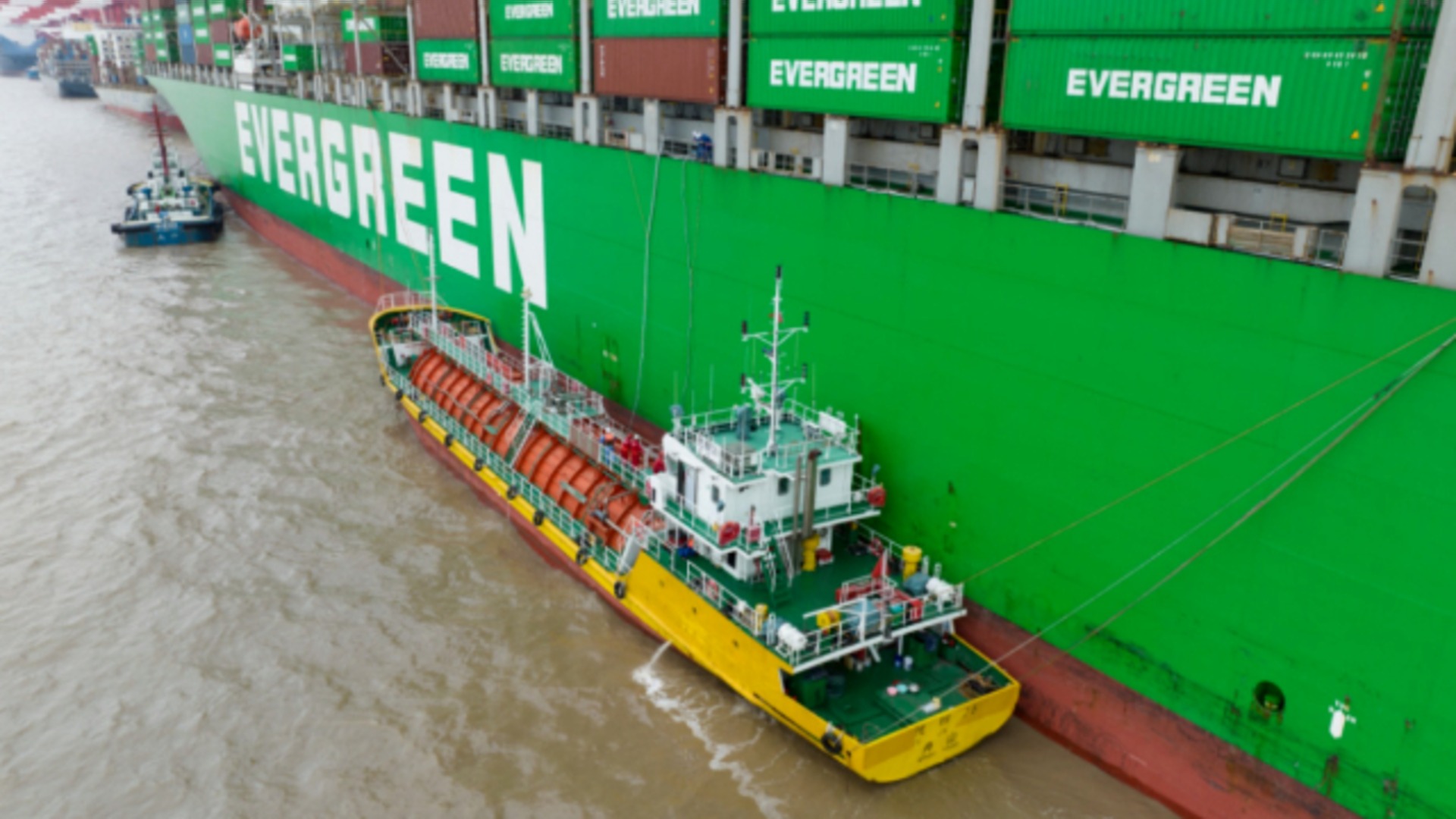
Onboard carbon capture wins EU ETS deduction
 Sustainability
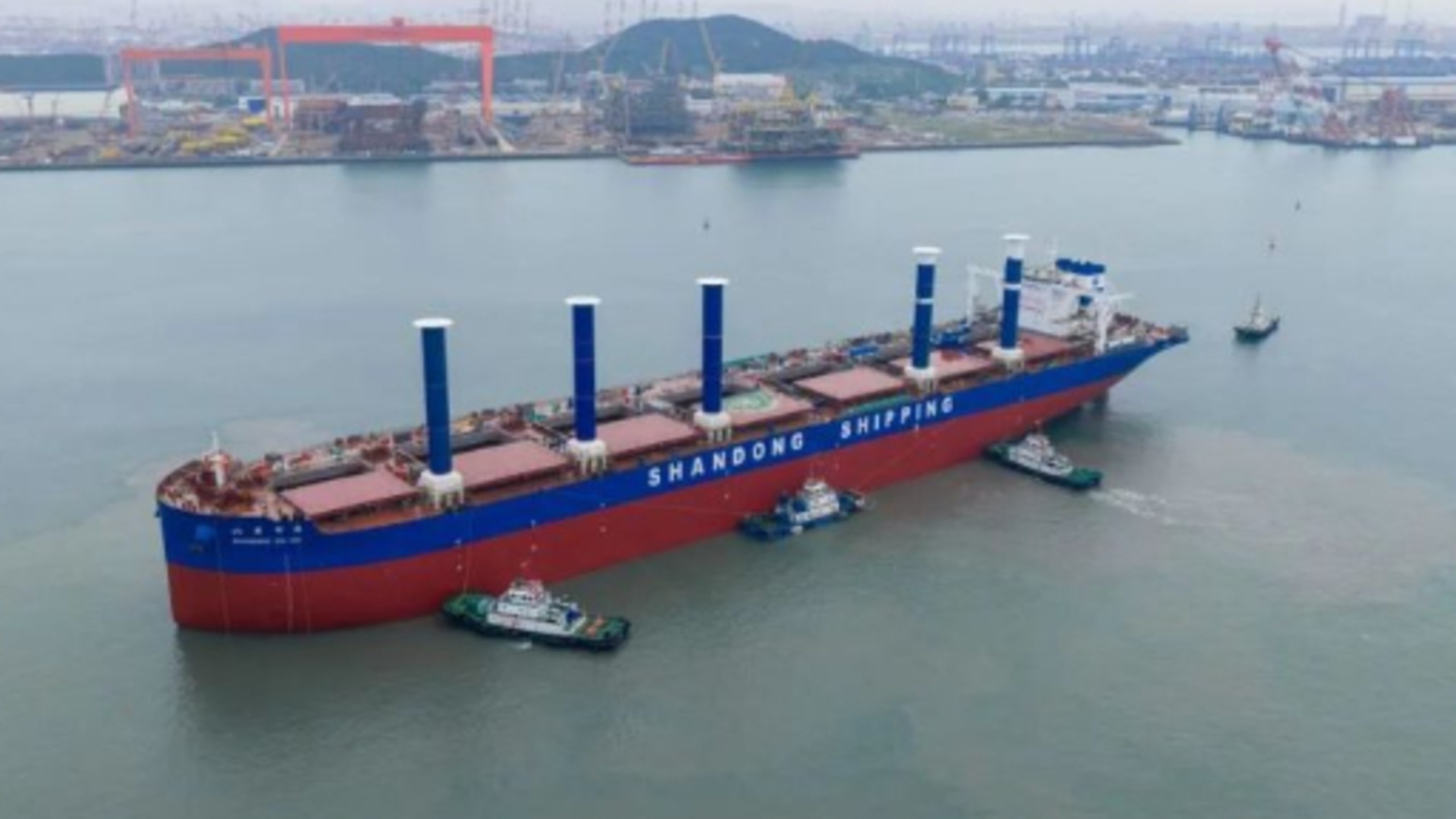
First public appearance of Shandong Shipping’s new-generation 325,000-dwt Guaibamax
 Sustainability
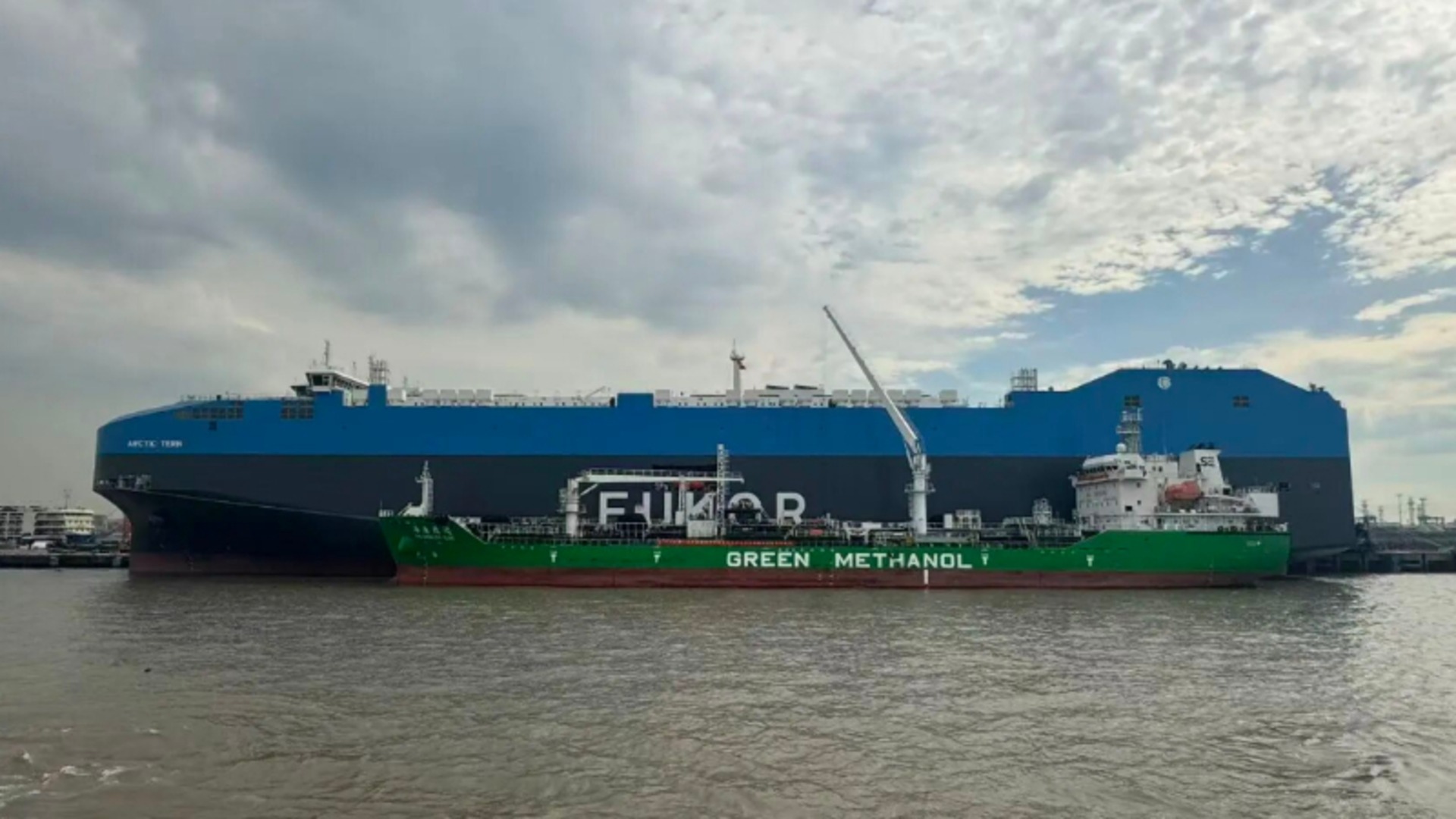
Shanghai Bunkers Locally Produced Green Methanol for the First Time
 Sustainability
Richard Liu's Sea Expandary Docks in Qingdao with Bold Plan for $14,000 Electric Yachts
 Sustainability
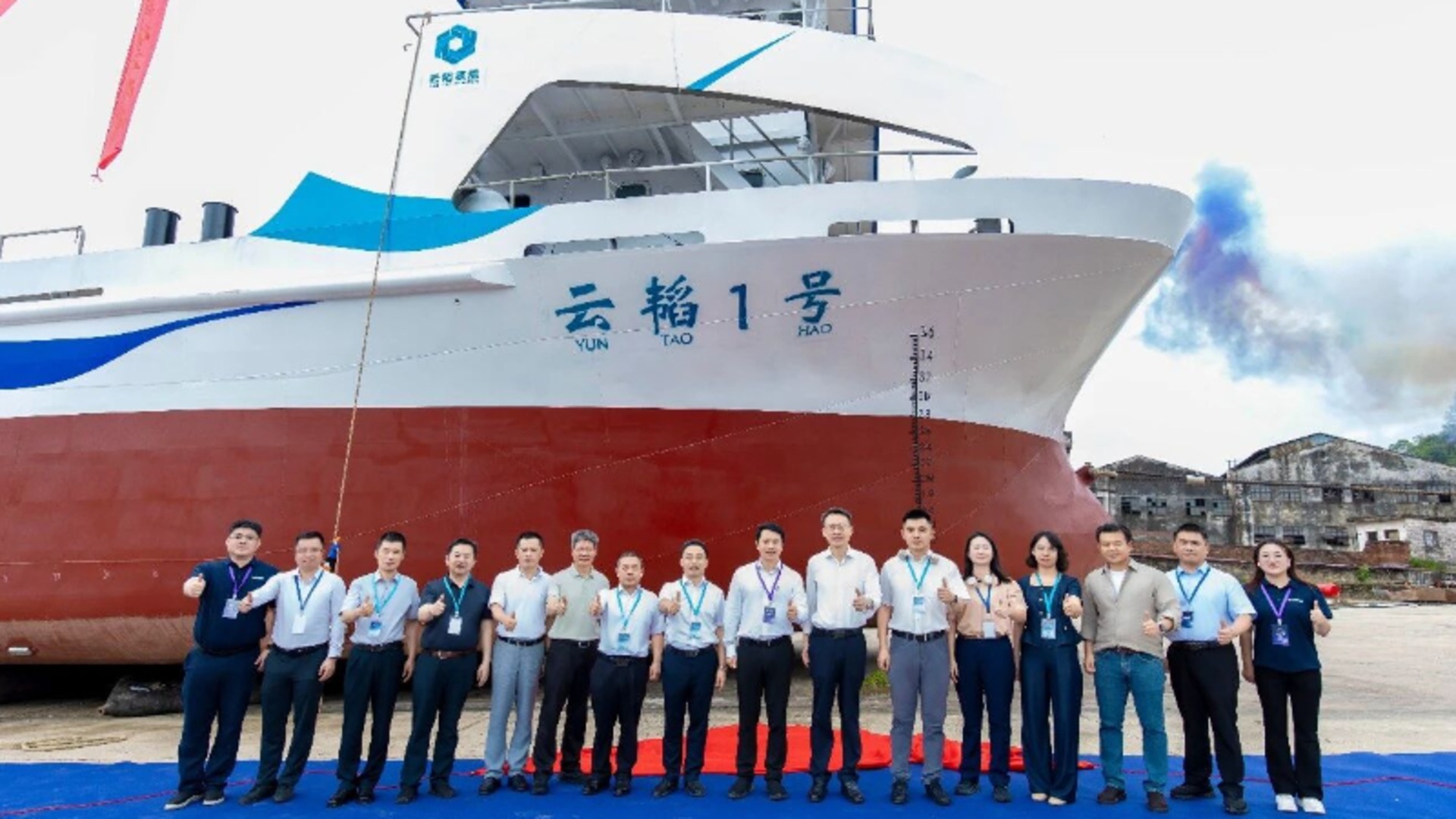
China’s Largest Hydrogen-Powered Vessel, Yuntao No. 1, Launched
 Sustainability
Shiptec China 2026 | South Korean Marine Equipment Suppliers to Make a Major Group Debut, Bringing Core Equipment to Dalian for the First Time- HANDOL PUMPS LIMITED
 Sustainability
CMA CGM Conducts Brazil’s First Bioethanol Bunkering for a Deep-Sea Container Ship
 Sustainability