


Exclusive Interview with Hapag-Lloyd’s Rajiv Ghose: How Gemini’s 90% Schedule Reliability Is Reshaping Shipping Resilience
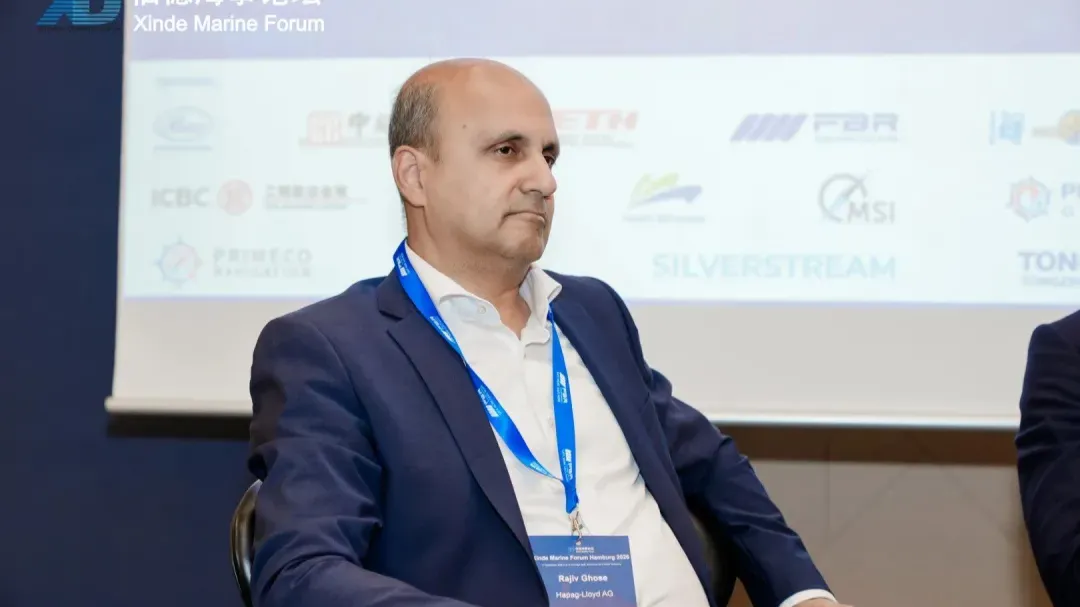

At the inaugural Xinde Marine Forum Hamburg 2026, Xinde Marine News sat down with Rajiv Ghose , Managing Director Network Operations at Hapag-Lloyd AG, for an in-depth discussion on the operating logic behind the Gemini Cooperation and the broader question of how container shipping networks can be made more resilient in an era of persistent disruption.
Ghose has spent 36 years in shipping. He began his career at sea, sailed for around a decade and qualified as a master mariner before moving ashore in 2001. That background gives him a perspective that connects shipboard operations with the increasingly complex task of managing a global liner network. In his current role, the challenge is no longer simply whether an individual ship can maintain its schedule, but how hundreds of ships, hubs, terminals, shuttle services and inland connections can be coordinated in a way that keeps disruption from spreading across the system.
That question lies at the heart of Gemini. Since its full implementation in 2025, the cooperation between Hapag-Lloyd and Maersk has placed schedule reliability at the centre of its value proposition, with a target of around 90%. According to Hapag-Lloyd, the network has broadly maintained that level and has reached approximately 92% in some periods. Yet Ghose’s explanation suggests that the real significance of Gemini is not the number itself. The more important change is the architecture behind it: fewer mainline port calls, greater use of hubs, carefully structured shuttle services and contingency plans designed before disruption occurs. In effect, Gemini is trying to redesign how delays move through a liner network.
Click here to watch the video: https://lnkd.in/p/gycExAxz
Reliability is no longer only a vessel-level question
For decades, schedule reliability in liner shipping was discussed largely in terms of whether a vessel arrived at a port on time. Gemini starts from that conventional measure, but Ghose argues that the objective must ultimately extend much further. A container journey involves not only the ocean leg, but also origin transport, terminal operations, transshipment, feeder or shuttle connections, inland rail, truck or barge movements and final delivery. A container can therefore arrive on a ship that is technically “on time” and still fail to reach the customer when promised if one of the surrounding interfaces does not perform.
This distinction is critical because the commercial value of reliability is increasingly measured at cargo level rather than ship level. Ghose described Gemini as a proven operating concept, noting that even when individual weeks or months are affected by weather, congestion or other disruptions, the network has been able to recover relatively quickly towards its targeted reliability level. He also stressed that this performance is not limited to the mainline services. Shuttle services are part of the same network architecture and, in some cases, can achieve even stronger reliability because their rotations are simpler and contain fewer operational variables.
The significance of that point goes beyond feeder performance. It suggests that the industry’s traditional preference for direct services may need to be reconsidered. A direct call removes a transshipment step, but it also adds another port call to a mainline rotation. If that additional call increases the probability of cascading delay, then the apparent simplicity of a direct service can mask greater system-level fragility. Gemini’s proposition is therefore that a slightly more modular network, built around reliable hubs and tightly controlled shuttle connections, can in some cases produce a more dependable end-to-end product than a network dominated by long sequences of direct calls.
That operating philosophy is also intended to support a broader ambition. Hapag-Lloyd and Maersk have set out the objective of lifting end-to-end container delivery reliability to above 80%, compared with levels around 50% that have often characterised the wider market. Whether that level can be achieved consistently across different trade lanes and inland networks remains an operational challenge, but the logic is clear: 90% vessel schedule reliability is not the end product. It is the foundation required to improve the predictability of the entire container journey.
Fewer mainline calls are not about serving fewer markets
The most visible difference in Gemini’s network design is the reduction in the number of mainline port calls. Traditional liner networks have often prioritised direct connectivity, with ships calling at multiple ports in succession within the same region before proceeding to the next geographical leg. Commercially, that model is easy to understand: more direct calls appear to offer broader coverage and fewer transshipments. Operationally, however, the structure creates a cumulative risk. If a vessel loses time at an early port, that delay is carried into the next call, and then into the one after that. Each additional call reduces the room available for recovery.
Ghose explained that Gemini attempts to break that chain. On some Far East-Europe services, the mainline vessel may call at only two or three major ports in Asia and another two or three in Europe, while additional ports are connected through one or two hubs and a network of shuttle services. The important point is that this is not simply a reduction in network coverage. It is a reorganisation of how that coverage is delivered.
In this structure, the hub becomes far more than a transshipment location. It becomes a mechanism for controlling the transmission of delay. A disruption at one outport can be handled within the regional shuttle system without necessarily forcing the mainline vessel to carry that delay across an entire ocean basin. The network therefore gains an additional layer of separation between local disturbances and the interregional schedule.
Ghose described the principle as making the hub absorb delay rather than amplify it. That distinction goes to the core of Gemini’s resilience logic. Traditional networks often rely on schedule buffers to recover lost time after a disruption has already propagated through several ports. Gemini instead attempts to reduce the number of points through which a disruption can propagate in the first place. The objective is to enter the next geographical region as close to schedule as possible, even if problems have occurred earlier in the rotation.
This represents a shift from a network designed primarily around connectivity to one designed around recoverability. Connectivity remains essential, but it is no longer treated as an absolute objective detached from operational consequences. A port does not necessarily need a direct mainline call if it can be served through a highly reliable hub-and-shuttle product that delivers comparable transit time and stronger schedule consistency.
Predictability may matter more than theoretical transit time
The debate between direct services and transshipment has traditionally been framed around transit time. Direct services are often assumed to be inherently superior because they eliminate an intermediate handling step. Ghose’s explanation of Gemini challenges that assumption by focusing instead on the reliability of the promised transit time.
A theoretically faster service has limited commercial value if it regularly fails to meet its advertised schedule. For a manufacturer or retailer managing inventory, the difference between a shipment that reliably takes 20 days and one that is marketed at 18 days but frequently takes 21 or 22 days can be significant. The former allows planning; the latter introduces uncertainty into working capital, production schedules and inventory management.
From that perspective, a one-day difference in nominal transit time may be less important than the consistency of delivery. Ghose noted that some shuttle-connected products can match or even outperform traditional direct services in total transit time, while others may be slightly slower but significantly more reliable. The central question is therefore not whether the box is transshipped, but whether the network can deliver it when promised.
This is an important change in how liner products are being evaluated. The industry has historically sold frequency, port coverage and transit time. Gemini is placing much greater emphasis on predictability as a commercial product in its own right. That becomes especially relevant in a market where supply-chain managers have experienced years of volatility from pandemic congestion, canal disruption, geopolitical risk and extreme weather. The ability to offer a consistently predictable transport window can carry economic value that is not fully captured by the headline transit time.
The real test comes after disruption begins
No liner network can eliminate port congestion, bad weather, berth delays or geopolitical shocks. The more meaningful measure of resilience is therefore how the system behaves once something has already gone wrong. Ghose used weather-related disruption at Chinese ports as an example of how Gemini seeks to contain the impact.
If necessary, a mainline vessel may temporarily omit a heavily disrupted port in order to protect the wider schedule. This does not mean that the market itself is abandoned. Shuttle or feeder services can be used to maintain connectivity and move cargo through the network while the mainline service continues its rotation. In operational terms, the disruption is compartmentalised.
That distinction is important. Port omission is often understood simply as a service failure because cargo at the omitted port is delayed or rerouted. At network level, however, the decision can prevent a local problem from becoming a regional or global one. If a vessel waits indefinitely at one congested port, the resulting delay can affect every subsequent port call, every connecting service and, potentially, the next voyage rotation. The cost of protecting one scheduled call can therefore become a much larger loss of reliability across the network.
Gemini’s approach is to evaluate the network consequence rather than the individual port consequence in isolation. Ghose summarised the objective clearly: even if a vessel cannot leave Asia on time, the network should still attempt to ensure that it reaches the next region on time. That requires a degree of flexibility that a tightly coupled, multi-port rotation may not possess.
The same logic applies to capacity management. Disruptions in one geographical area do not necessarily affect all trades equally. Different security conditions, routing choices and voyage patterns can create temporary flexibility elsewhere in the fleet. Ghose indicated that this capacity can sometimes be used to absorb delays caused by congestion or weather. In other words, resilience is not only a property of the individual service string; it is increasingly a function of how quickly capacity can be reallocated across the wider network.
Contingency planning is becoming part of network design
Another important element behind Gemini’s performance is that contingency planning is conducted before disruption occurs. Ghose referred to internal contingency handbooks covering delays of 24, 48 and 72 hours, with predefined decision frameworks and corresponding operational responses.
Click here to watch the video: https://lnkd.in/p/g_8u8Mj2
The significance of this approach is not simply procedural. In a global liner network, the speed of decision-making has direct operational value. A vessel that loses 24 hours may still have several options available to recover the schedule. The same vessel, after another day of delayed decision-making, may have far fewer. If every incident has to move through multiple layers of internal discussion before action is taken, the network can lose the very recovery window it is trying to protect.
Predefined scenarios reduce that problem. They allow the organisation to move more quickly from diagnosis to action, whether that action involves omitting a port, adjusting a shuttle connection, reconfiguring a rotation or reallocating capacity. The system is therefore designed not only to react to disruption but to shorten the reaction time itself.
This is a subtle but important component of resilience. Shipping networks have traditionally been discussed in terms of ships, ports and schedules. Gemini’s model shows that resilience also depends on governance and decision architecture. A network can have sufficient physical capacity and still perform poorly if its decision-making processes are too slow. Conversely, a well-defined operational framework can extract more resilience from the same fleet by enabling faster and more consistent responses.
Gemini reflects a broader change in how liner networks are valued
The strategic relevance of Gemini extends beyond Hapag-Lloyd and Maersk. The container shipping industry has spent decades pursuing scale, vessel size, frequency and direct connectivity. Those factors remain important, but recent disruptions have exposed another dimension of competitiveness: the ability to stop local problems from becoming system-wide problems.
Pandemic-era port congestion demonstrated how quickly delays could spread across interconnected networks. Red Sea diversions and the uncertainty around Suez routing have shown how geopolitical shocks can alter voyage durations and absorb large amounts of effective capacity. Weather disruption, terminal congestion and labour shortages continue to affect individual ports. In such an environment, resilience can no longer be treated as a temporary emergency-management function. It has to be built into the network structure itself.
Gemini can therefore be understood as an attempt to modularise liner shipping. Mainline services provide the interregional backbone; hubs provide transfer and recovery points; shuttle services extend market coverage; contingency rules determine how the system responds when one component is disrupted. The structure resembles other complex logistics systems in which modularity is used to prevent failures from propagating unchecked.
This does not mean that the model is without trade-offs. Hub-and-spoke networks increase dependence on the performance of key transshipment hubs. Additional handling can create terminal complexity. Shuttle reliability becomes critical because a missed connection can undermine the reliability of the entire product. Concentrating more cargo through major hubs can also create new bottlenecks if those hubs themselves experience disruption. The success of Gemini therefore depends not only on reducing mainline complexity, but on maintaining exceptionally disciplined execution at the hub and shuttle level.
That is precisely why the reported 90% reliability is strategically interesting. It suggests that the operational trade-off may, at least so far, be working. The question is no longer whether transshipment is inherently worse than direct service, but whether a modular network can outperform a more complex direct-call network when measured by end-to-end predictability.
From master mariner to global network operator
Ghose’s own career gives additional context to this discussion. He entered shipping partly through family influence; his uncle was a captain, and the prospect of seeing the world initially attracted him to a seagoing career. He began sailing in 1991, spent around ten years at sea and qualified as a master mariner before moving ashore in 2001.
That experience matters because network strategy can easily become abstract when discussed only through optimisation models and schedule data. At sea, delays are physical. Weather changes, berth windows are missed, tug availability shifts, pilots are delayed and port productivity varies. A vessel may have a carefully designed schedule, but execution is always exposed to real-world operational friction.
Today, Ghose is dealing with those same variables at network scale. The task is no longer to bring one ship into port on time, but to manage the consequences when one ship, one terminal or one region falls out of sequence. In that sense, the Gemini model reflects a shift in container shipping from vessel optimisation towards system optimisation.
Ghose was attending the Xinde Marine Forum for the first time. Held in Hamburg, one of the world’s major maritime centres, the forum brought together representatives from shipping companies, classification societies, fuel organisations and the wider maritime industry to discuss resilience, decarbonisation and the long-term transformation of shipping. Ghose said the exchange with other participants had provided useful perspectives and described the forum as a valuable opportunity to discuss the industry’s future.
The 90% figure matters, but the recovery mechanism matters more
Gemini’s schedule reliability is often presented as a headline number. Yet the deeper significance lies in how that number is produced. The network does not rely solely on faster ships, larger buffers or more spare capacity. It attempts to control the architecture through which disruption travels.
Fewer mainline port calls reduce the number of direct dependencies. Hubs create points at which disruption can be isolated. Shuttle services preserve market connectivity without forcing every port into the mainline rotation. Predefined contingency plans shorten decision time. Capacity can be reallocated when different trades experience different levels of disruption.
Taken together, these measures amount to a different definition of resilience. Resilience is not simply the ability to survive a disruption. It is the ability to prevent that disruption from spreading through the entire network and to restore the schedule before the next stage of the transport chain is affected.
That distinction may become increasingly important for liner shipping. Customers are unlikely to stop demanding competitive transit times, broad coverage and sufficient capacity. But after several years of severe supply-chain volatility, predictability has become a much more valuable part of the transport product. A carrier that can consistently deliver a box within a known window can create value even without offering the shortest theoretical transit time.
Gemini is effectively testing whether network simplicity, modularity and controlled recovery can become a competitive advantage in their own right.
So far, its roughly 90% schedule reliability suggests that the concept has moved beyond theory. The more consequential question for the industry is whether this type of network architecture will become a broader template for how liner shipping designs resilience in the years ahead.

READ MORE
 People
PIL Names Wan Chee Foong as Next CEO: A New Chapter Driven by Ports, Logistics and Strategy
 People
DNV’s Norbert Kray: China’s Shipbuilding Edge Now Extends Far Beyond Cost and Scale
 People
Martin Roolvink has been appointed Managing Director of Bernhard Schulte Shipmanagement (Deutschland),
 People
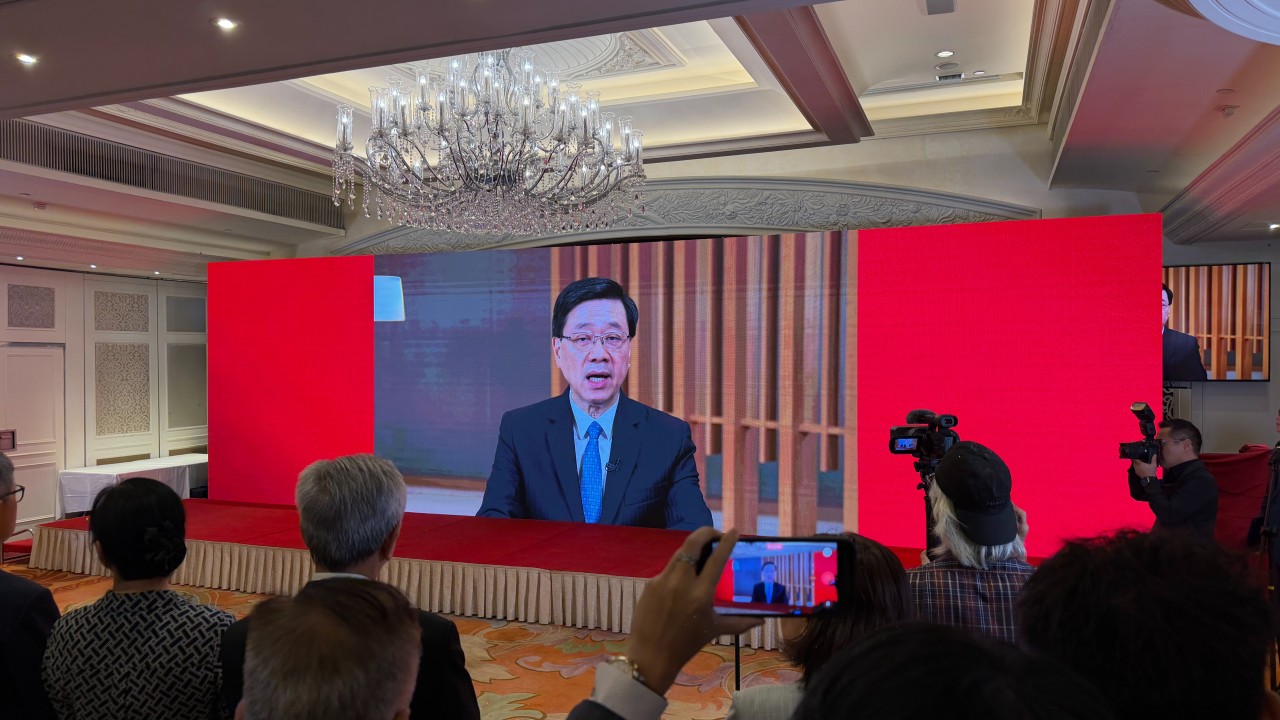
What John Lee’s Speech Signals for Hong Kong’s Maritime Industry over the Next Five Years
 People
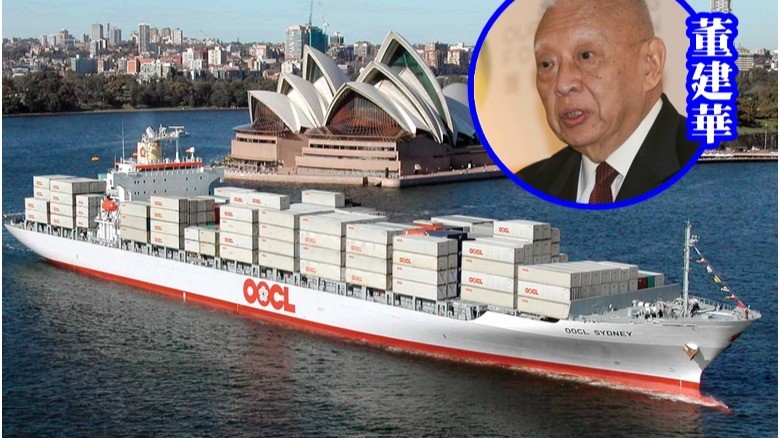
Tung Chee-hwa Dies at 89: From Shipping Executive to Hong Kong’s First Chief Executive
 People
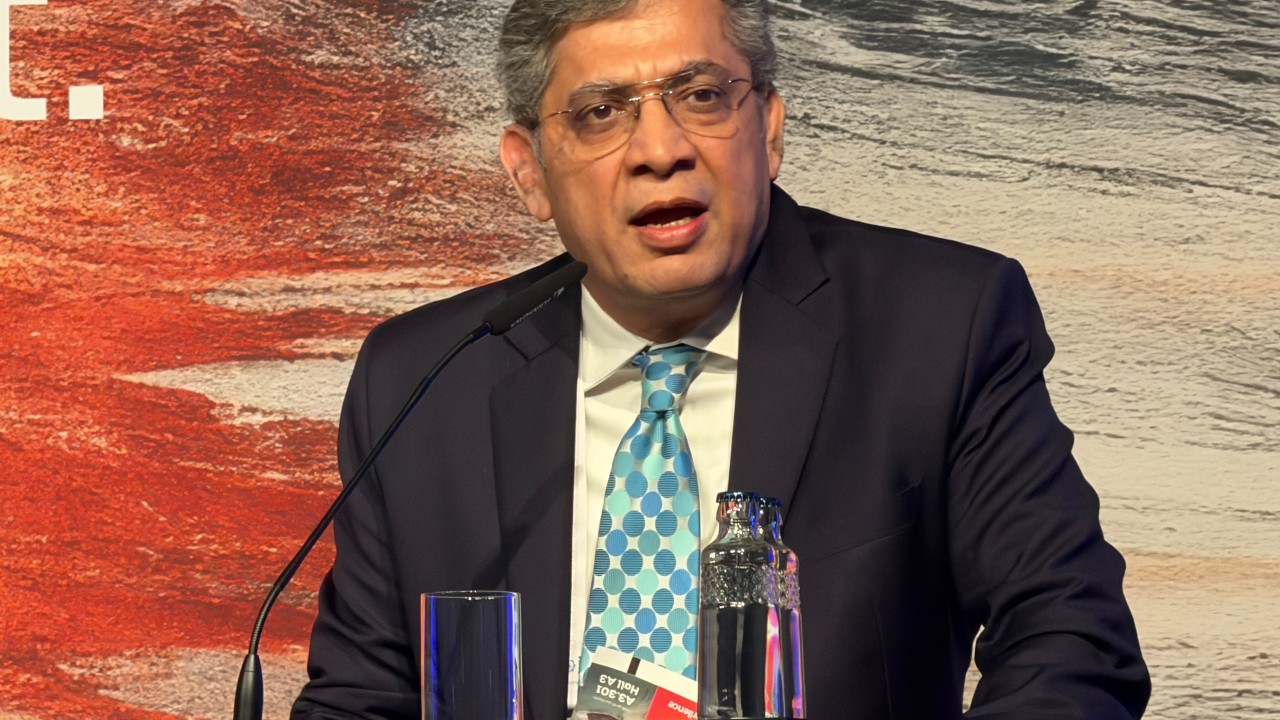
India Declares Its Maritime Ambition in Hamburg: Becoming a Global Shipping and Shipbuilding Power
 People
Euroseas Ltd.: Sustained Earnings, Disciplined Growth and Further Upside
 People
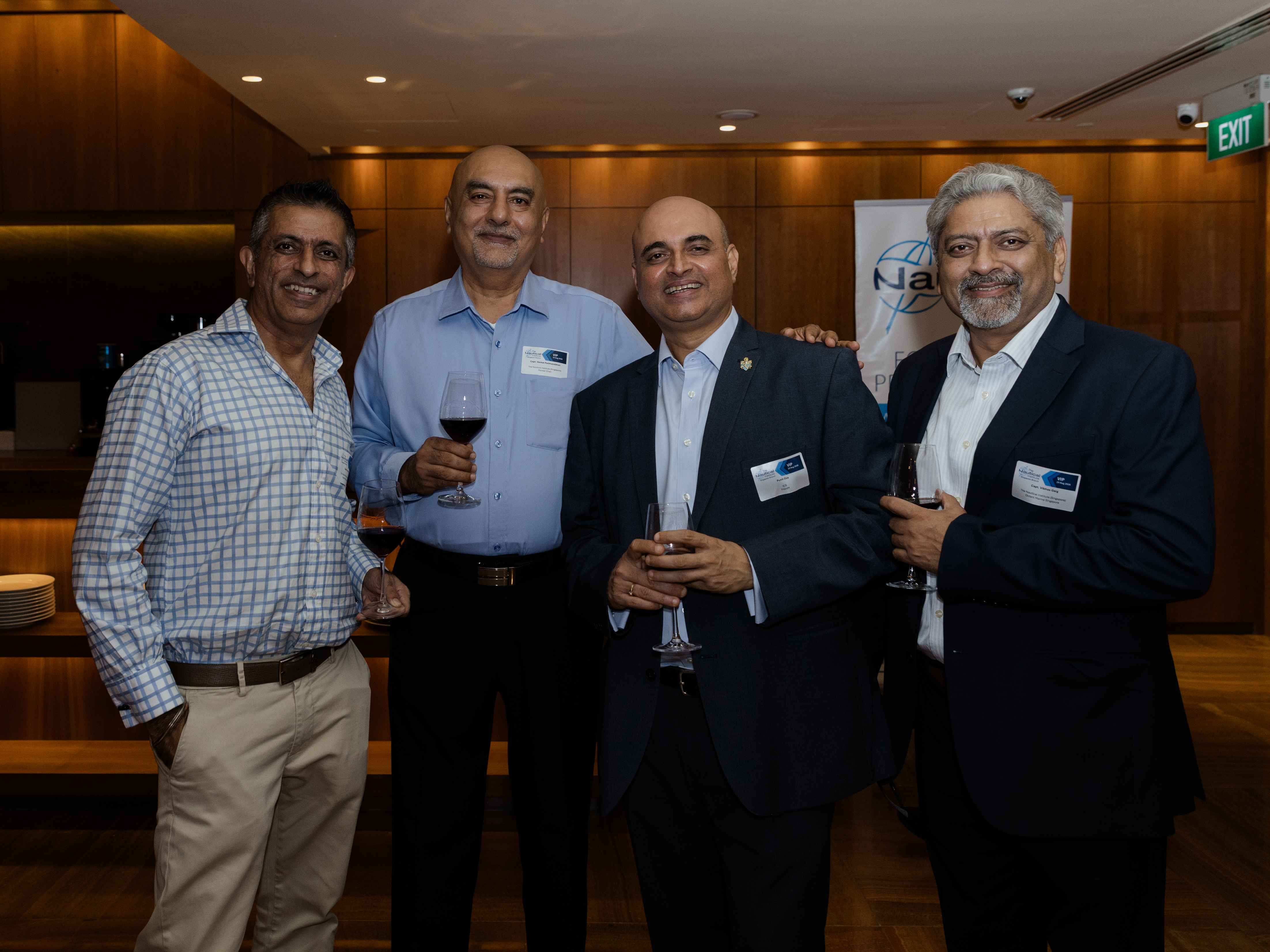
Nautical Institute (Singapore) Conference 2026 Brought Seaworthiness and the Future of Seafarers to Centre Stage
 People
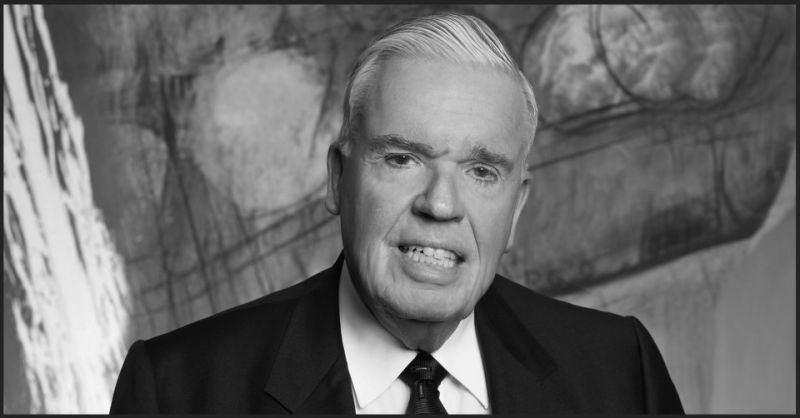
Klaus-Michael Kühne, one of the most influential figures in global shipping and logistics, has died at the age of 89
 People