


Chinese Shipyard Starts Work on First Wärtsilä 25 Ammonia Newbuild: Not Just “Ready”—It Will Run on Ammonia from Day One
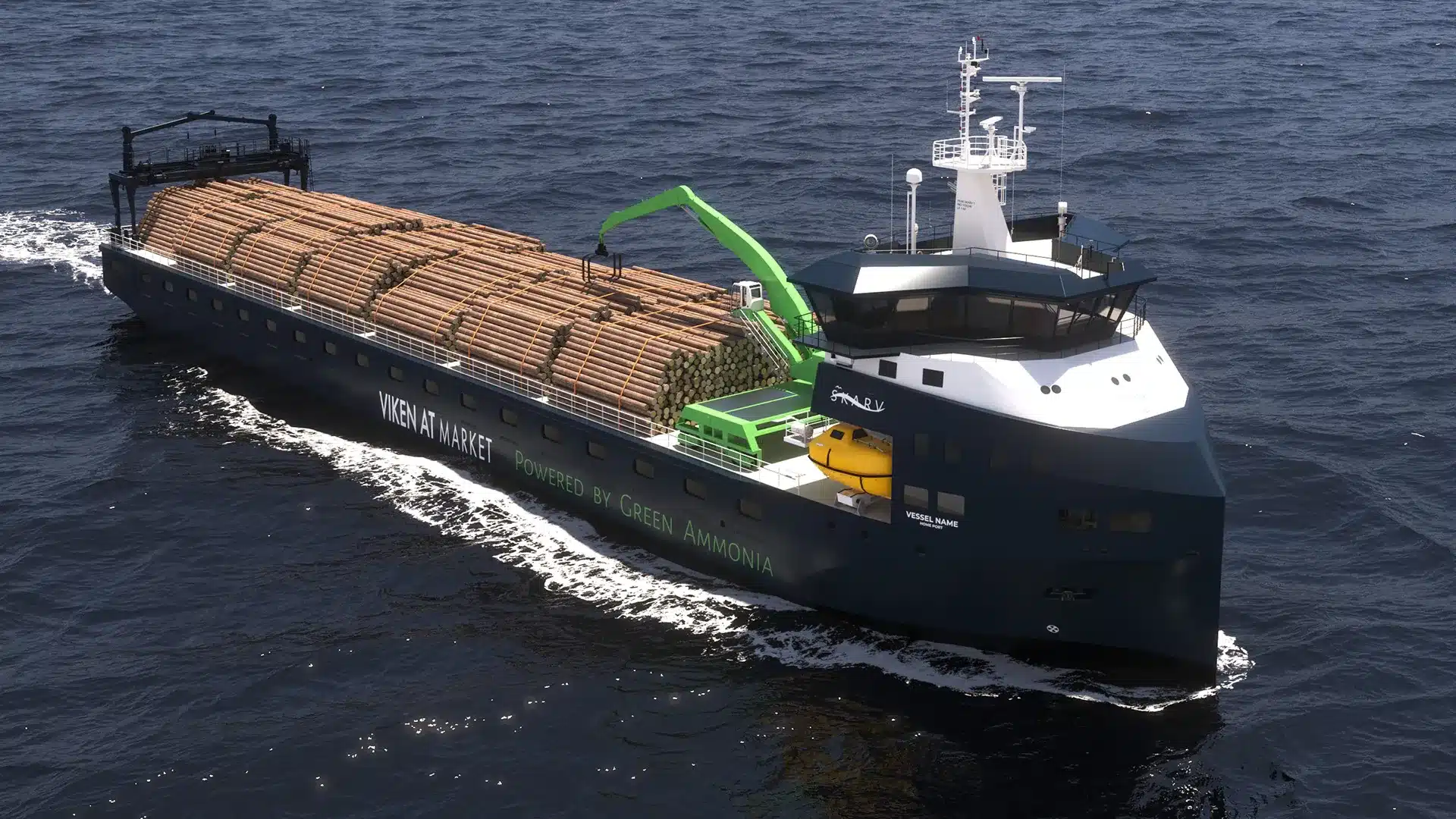

The 7,800-dwt vessel has secured a long-term cargo commitment, an experienced commercial operator and a defined trading route. What remains unclear is the most critical part of the equation: where its low-emission ammonia will come from, and at what price.
Two milestones recorded at Huanghai Shipbuilding in China on 12 August illustrate how quickly the maritime ammonia conversation is moving from future-proofing to actual deployment.
Norway’s Skarv Shipping Solutions took delivery of Peak Skarv 3, the third vessel in a four-ship series of low-emission multipurpose vessels. On the same day, the company cut the first steel for hull 247, a 7,800-dwt general cargo vessel scheduled to operate on ammonia from the day it enters service.
The two ships may look similar, but they represent very different levels of commitment.
From “ammonia-ready” to ammonia-powered
The 7,890-dwt Peak Skarv 3 has a 10,121-cubic-metre cargo hold, 1,600 square metres of open deck space and a service speed of 12 knots. It is equipped with batteries, shore-power capability and an ammonia-ready engine.
“Ammonia-ready”, however, does not mean that a vessel currently runs on ammonia. It normally indicates that sufficient space, structural arrangements and technical provisions have been incorporated to facilitate a future conversion.
Hull 247 goes considerably further.
The new vessel is scheduled for delivery in the second quarter of 2027 and is intended to operate on ammonia from day one. It will be the first newbuild application of the Wärtsilä 25 Ammonia solution, moving the technology beyond engine testing and retrofit planning into the construction of a commercial cargo ship.
Wärtsilä’s scope includes its four-stroke Wärtsilä 25 ammonia dual-fuel engine, the AmmoniaPac fuel-supply system, the Wärtsilä Ammonia Release Mitigation System, or WARMS, and a selective catalytic reduction system designed for ammonia operation. Deliveries of the equipment are scheduled to begin in the fourth quarter of 2026.
Ammonia will provide the primary energy source, while marine gas oil will be used as pilot fuel to initiate and stabilise combustion. The engine will also be connected to an electric propulsion system incorporating batteries and shore power.
According to Wärtsilä, the complete solution can reduce total greenhouse-gas emissions by at least 90% compared with an equivalent diesel installation when the engine is operated on sustainable ammonia. That qualification—“sustainable”—is central to the project’s environmental credibility.
The cargo is secured before the ship is built
Unlike many alternative-fuel demonstration projects that first secure technology and later look for employment, the Skarv vessel has been developed around a defined commercial requirement.
It will carry Norwegian timber for Viken AT Market, while Arriva Shipping will take the vessel on time charter and manage its commercial operation. Viken AT Market ships approximately one million tonnes of timber to continental Europe each year and has entered into a long-term transport arrangement for part of that volume.
The ship has consequently been designed around a relatively predictable cargo flow and trading pattern rather than speculative employment.
A 160-cubic-metre ammonia tank, together with MGO pilot fuel, is expected to provide sufficient capacity for a 14-day round voyage between Norway and continental Europe. The vessel has also been optimised for efficient operation at lower speeds, helping to reduce energy consumption and offset some of the price premium that ammonia currently carries over conventional marine fuels.
This gives the project several important elements of a commercial loop: a shipowner willing to invest, a cargo owner prepared to commit volume, an experienced short-sea operator and a clearly defined route.
The most difficult part of that loop, however, has yet to be disclosed.
Where will the ammonia come from?
Skarv Shipping has not publicly identified the vessel’s ammonia supplier, bunkering location, contracted fuel price or the production pathway of the fuel that will be used when the ship enters service.
It therefore remains uncertain whether the initial supply will consist of renewable ammonia produced with green hydrogen, lower-carbon ammonia involving carbon capture, or conventional fossil-based “grey” ammonia.
This distinction determines whether the vessel delivers a genuine lifecycle emissions reduction.
Ammonia contains no carbon and therefore produces no carbon dioxide when the ammonia itself is burned. But producing conventional ammonia remains highly emissions-intensive. The International Energy Agency has estimated average direct emissions from conventional ammonia production at around 2.4 tonnes of CO₂ for every tonne of ammonia produced.
The vessel will also continue to consume a limited amount of MGO as pilot fuel. It should therefore not be described as absolutely “zero-emission”, even if renewable ammonia ultimately supplies most of its energy.
For the project to deliver the emissions reduction being promoted, Skarv and its partners will need a traceable supply of low-emission ammonia, credible lifecycle certification and a bunkering arrangement that works within the vessel’s fixed operating schedule.
“Ammonia from day one” should consequently be understood as the shipowner’s operating plan, rather than confirmation that the entire fuel-supply chain has already been secured.
Safety will be tested in daily operation
Fuel availability and price are not the only challenges.
Ammonia is toxic and corrosive, and even a relatively small leak can pose an immediate danger to crewmembers. Ship design must therefore address fuel segregation, ventilation, gas detection, containment, emergency shutdown, safe venting and the treatment of ammonia released from fuel systems.
Hull 247’s AmmoniaPac and WARMS systems are designed to control fuel supply and mitigate accidental releases, while its ammonia-specific SCR installation will manage exhaust emissions. Their real value, however, will be demonstrated only through repeated bunkering, engine load changes, maintenance work and emergency drills.
The International Maritime Organization has adopted interim safety guidelines for ships using ammonia as fuel under MSC.1/Circ.1687. Nevertheless, the regulatory framework is not yet as mature or extensively proven as the rules governing conventional fuels or LNG.
Close cooperation between the shipowner, Huanghai Shipbuilding, Wärtsilä, the vessel designer, classification society and flag administration will therefore remain essential. Crew selection and training will be just as important as the machinery installed on board.
A significant step for Huanghai Shipbuilding
The project also marks a notable progression for Huanghai Shipbuilding.
The four S-series vessels ordered by Skarv have allowed the Chinese yard to build experience with energy-efficient short-sea tonnage incorporating batteries, shore power and ammonia-ready arrangements. Hull 247 takes the next step by requiring the integration of ammonia storage, fuel supply, combustion, exhaust treatment and leak-mitigation systems into an operational vessel.
For Chinese shipbuilders, the opportunity extends beyond constructing steel hulls. As alternative-fuel projects move from “ready” notation to actual fuel use, competitiveness will increasingly depend on system integration, safety engineering, class approval and coordination with international equipment suppliers.
But cutting the first steel is only the beginning.
The real test will come after delivery in 2027: whether certified low-emission ammonia is available at the required port; whether long-term cargo commitments and carbon-related savings can absorb the additional cost; whether the engine and fuel systems operate reliably; and whether the crew can handle the fuel safely in daily service.
Hull 247 matters not simply because it will be capable of burning ammonia. It matters because it is attempting to answer the more difficult commercial question: can an ammonia-fuelled ship operate safely, reliably and profitably as part of an ordinary European short-sea logistics chain?


READ MORE
 Shipbuilding
“The Whole World Is Asking for Chinese Cars”: Why PCTC Capacity Is Still Tight Despite Record Deliveries
 Shipbuilding
Up to $489 Million, 17 Yards in the Running: Why Norway’s High-End Wellboats Are Heading to China
 Shipbuilding
Can a Ship Be Sold in Pieces? A $1,000 Ticket to Becoming a Digital “Shipowner”
 Shipbuilding
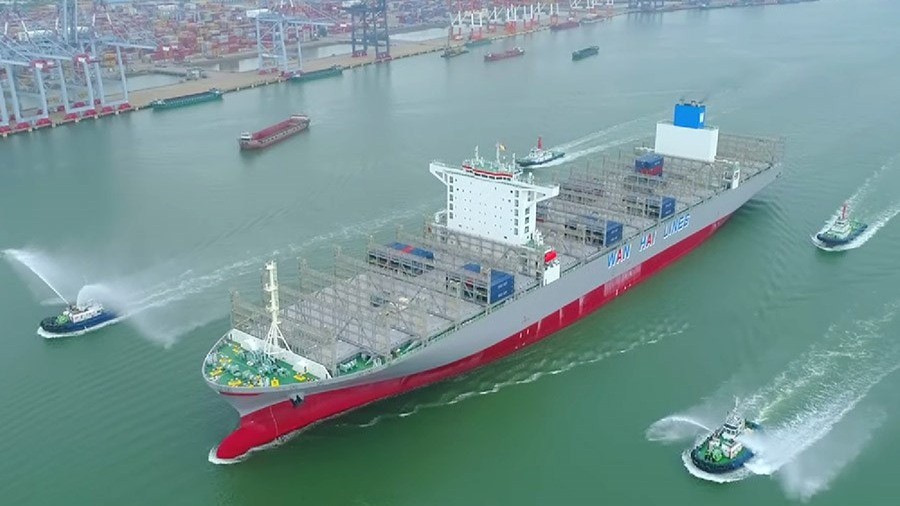
8 more!Wan Hai Steps Up Fleet Expansion with 50-Vessel Newbuilding Programme
 Shipbuilding
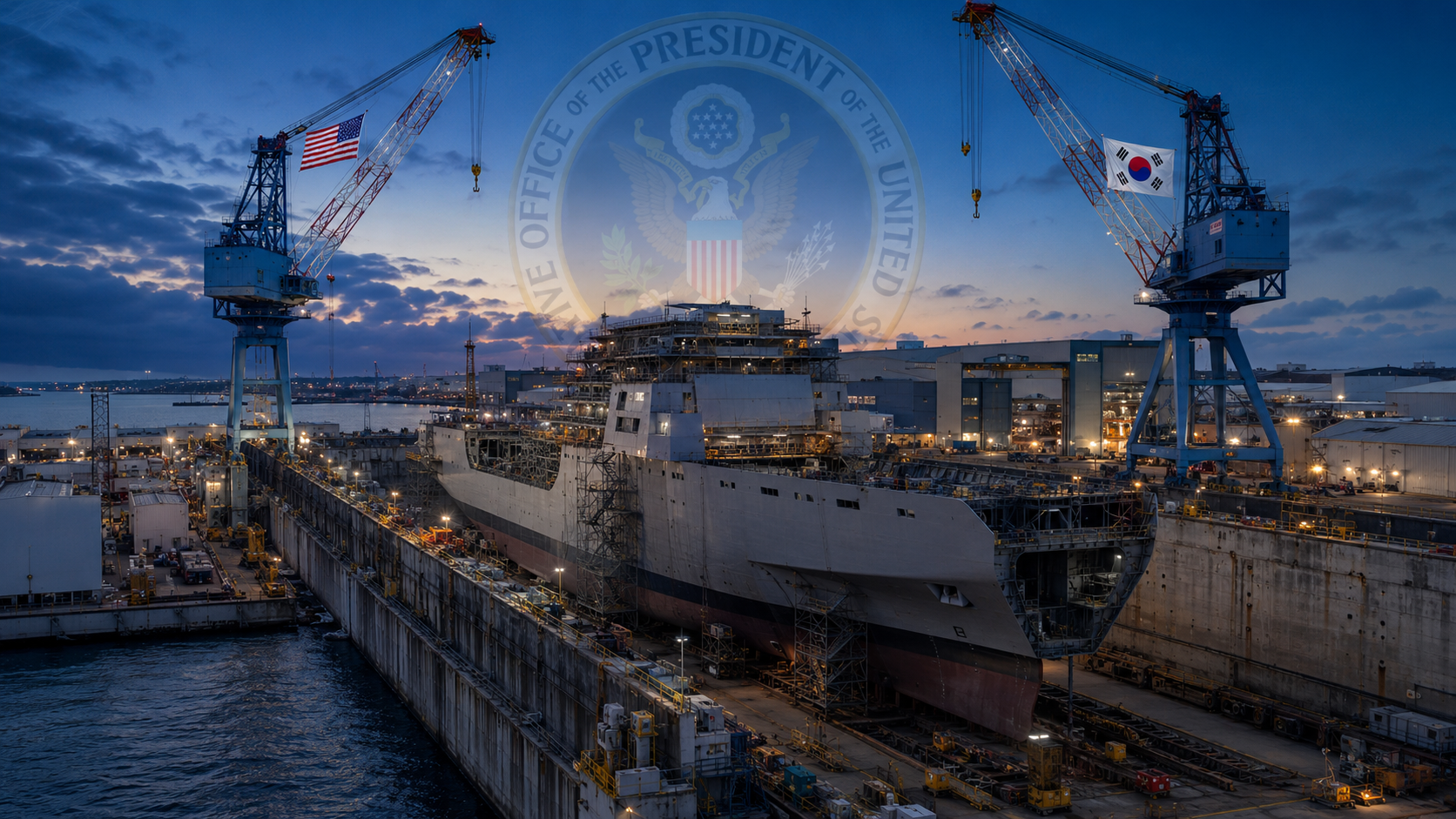
Hanwha Makes $1.2 Billion Bid for Austal USA in Major U.S. Naval Shipbuilding Push
 Shipbuilding
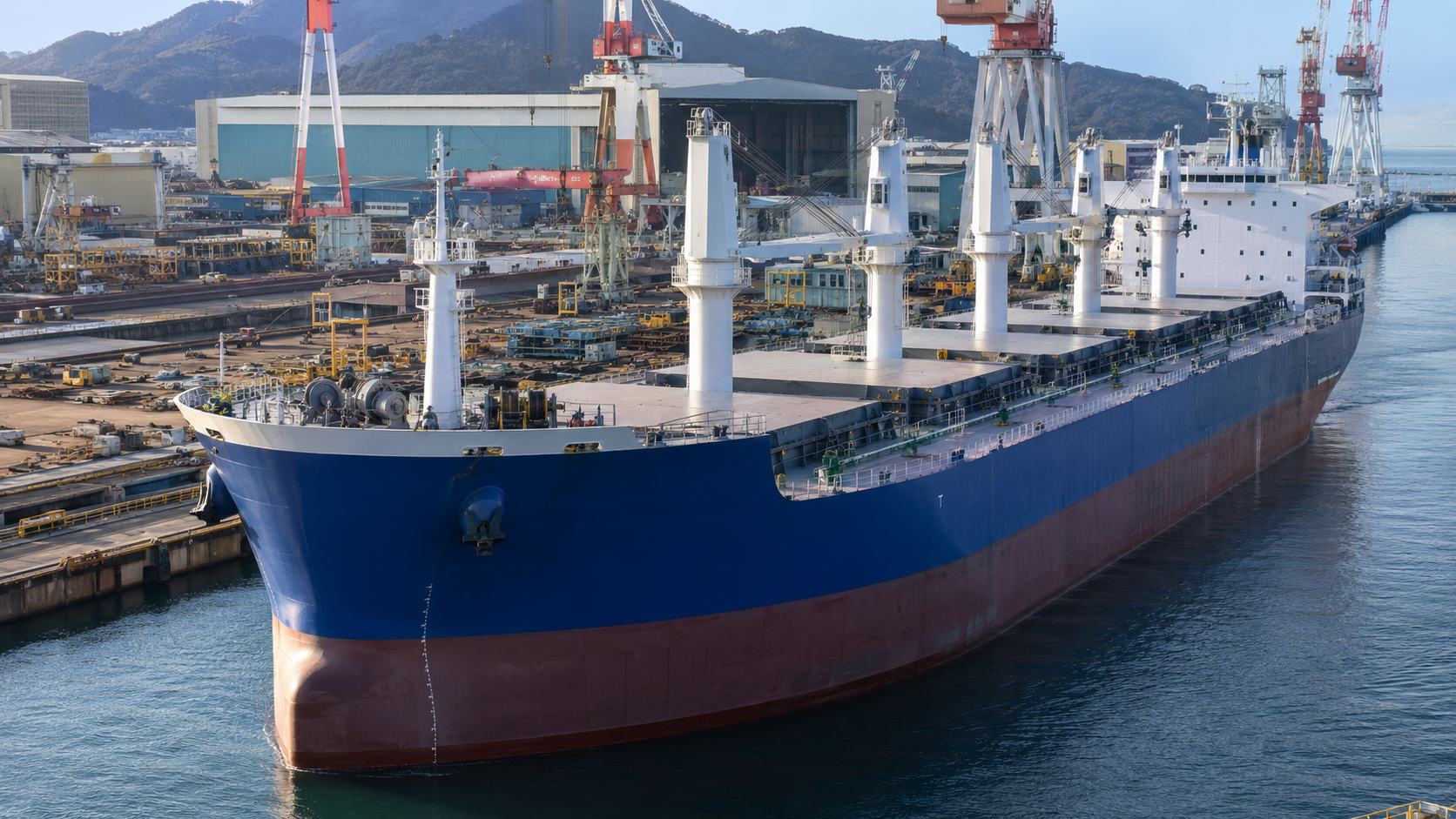
Why Uni-Asia Still Chose Japan for Its Return to Newbuilding
 Shipbuilding
Dynacom Orders Four More VLCCs at Hengli
 Shipbuilding
Just Sold Four, Now Ordering Six More: Ren Yuanlin’s Capital Recycling Model Gathers Pace
 Shipbuilding
Hengli Heavy Industries Wins Orders for 2 LR2s and 4 VLCCs from Leading European Owners
 Shipbuilding