


One Killed, Three Injured As Grain Ship MERA QUEEN Attacked in Black Sea
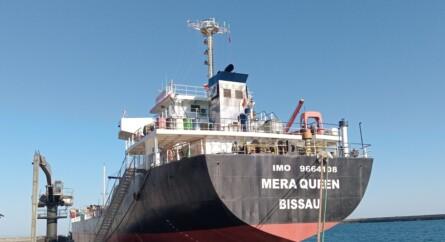
One Ukrainian crew member was killed and three others injured after the Guinea-Bissau-flagged grain carrier MERA QUEEN sustained an armed strike and caught fire in the Black Sea on the night of August 5, 2026. The vessel was transporting Ukrainian wheat when the attack breached its hull; all remaining crew were evacuated ashore, while the wounded received medical treatment.

Published
13:16
One Killed, Three Injured As Grain Ship MERA QUEEN Attacked in Black Sea
One Ukrainian crew member was killed and three others injured after the Guinea-Bissau-flagged grain carrier MERA QUEEN sustained an armed strike and caught fire in the Black Sea on the night of August 5, 2026. The vessel was transporting Ukrainian wheat when the attack breached its hull; all remaining crew were evacuated ashore, while the wounded received medical treatment.
Confirmed by Odesa Oblast’s military administration chief Oleh Kiper, the attack triggered an immediate onboard blaze. The Ukrainian Sea Ports Authority added that the damaged ship was safely berthed by the early morning of August 6, with ongoing technical stabilization and damage assessment work to prevent secondary accidents.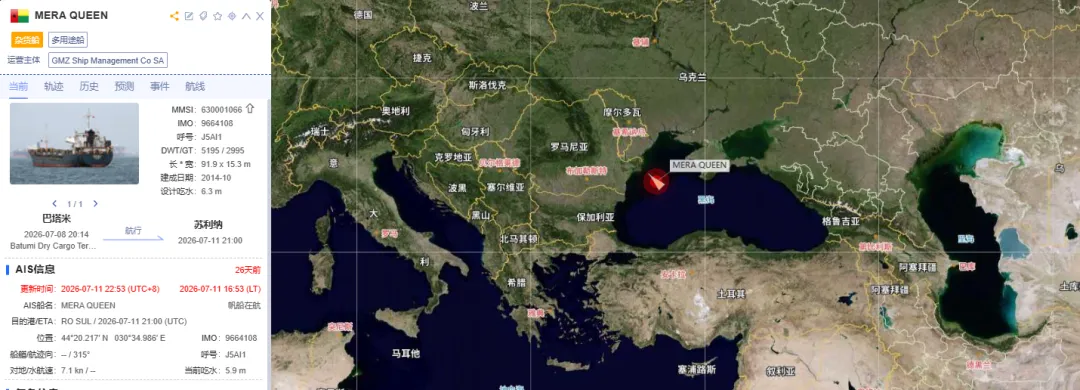
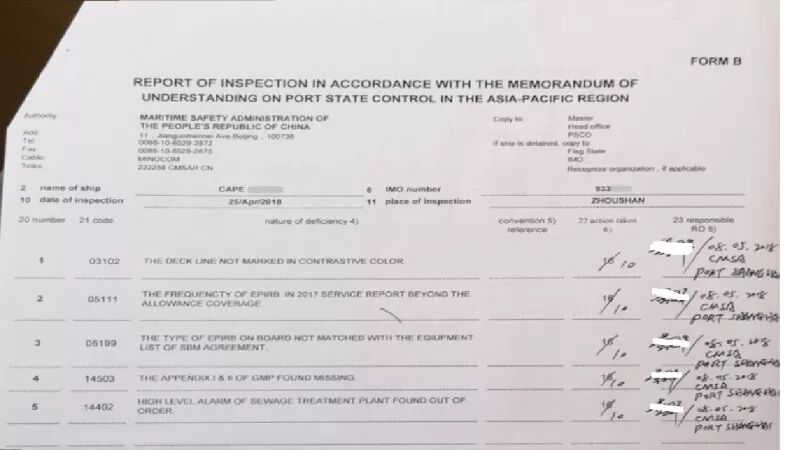
Built in 2014, the 2,995-gross-ton general cargo ship (IMO: 9664108) has a summer deadweight of around 5,195 tons. It was detained in February 2026 at Egypt’s Damietta Port over multiple operational safety deficiencies flagged by Mediterranean PSC authorities.
The incident is the latest in a string of attacks on civilian merchant vessels, highlighting soaring maritime security threats in the Black Sea. Per Lloyd’s List data, 35+ commercial ship attacks occurred in July 2026, killing 23 seafarers — the deadliest month for mariners since the Russia-Ukraine conflict escalated. Analysts warned that military strikes are increasingly targeting civilian shipping, erasing the line between military and commercial targets.
August has seen continued assaults: the Russian-linked container ship Yanina sank after a USV attack off Novorossiysk on August 1 (all 17 crew rescued), while two Turkey-associated civilian vessels suffered drone strikes on August 3, causing multiple serious injuries.
On August 4, Turkey issued a statement condemning the spillover of hostilities, warning that ongoing attacks threaten regional stability and global food security, and calling on both parties to protect Black Sea navigation safety.
Escalating risks have driven a sharp hike in Black Sea war insurance premiums, with major insurers classifying the waters as maximum-risk zones. Many shipowners are rerouting vessels, bringing severe uncertainty to key Black Sea grain export routes.


READ MORE
 Safety
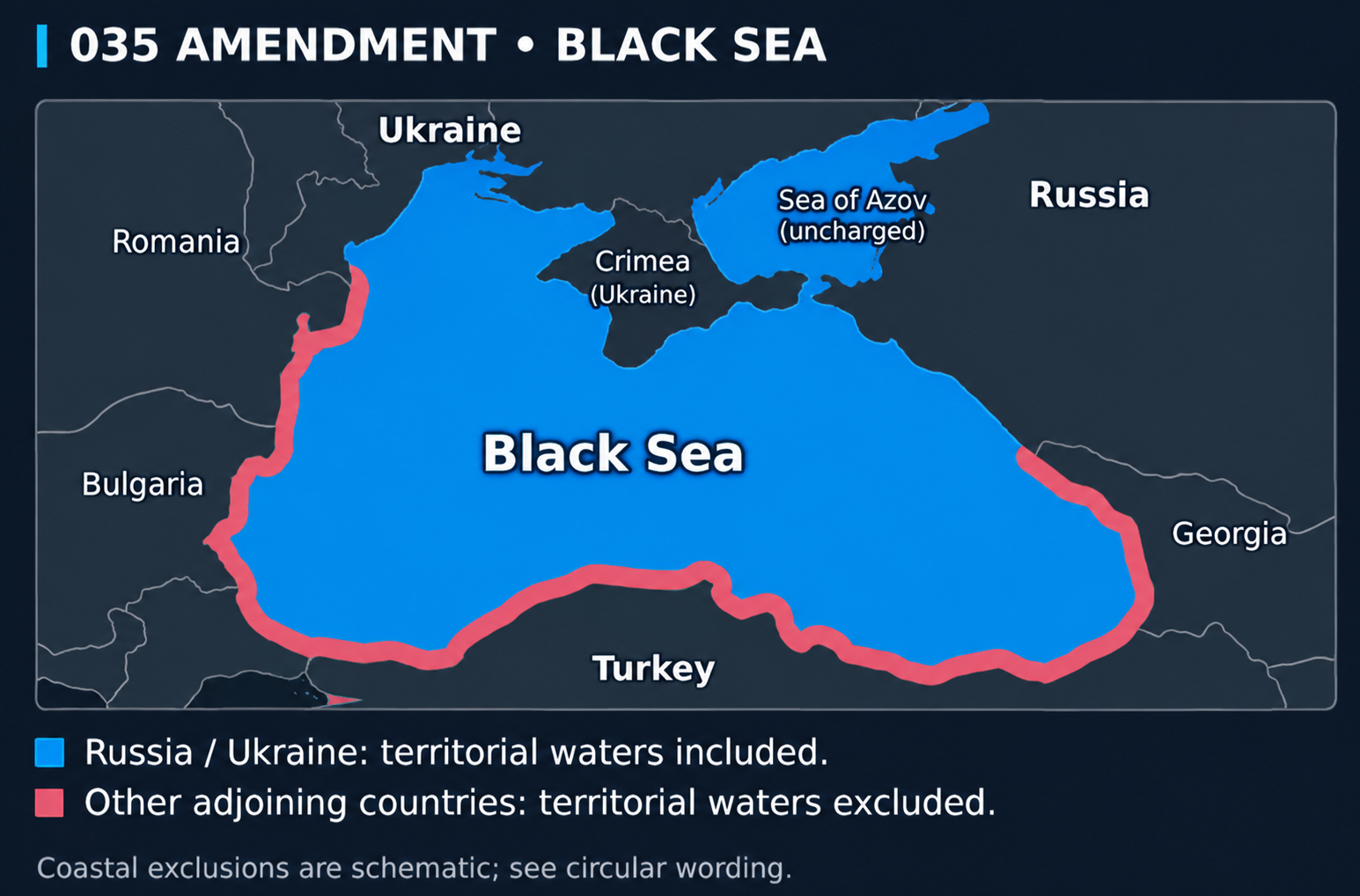
Almost the Entire Black Sea Is Now a War-Risk Listed Area
 Safety
Saudi pipeline attack exposes limits of Hormuz bypass strategy
 Safety
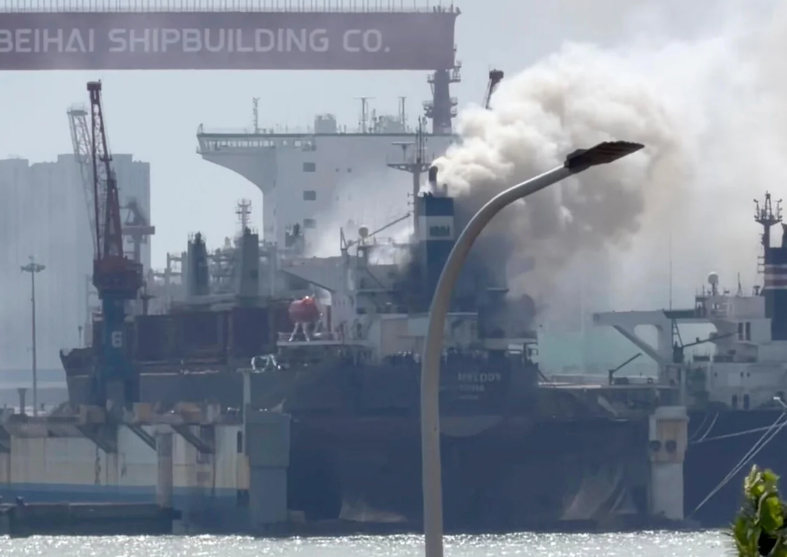
Engine Room Fire Epidemic Prompts Global Safety Alert After Qingdao Shipyard Tragedy
 Safety
Xinde Marine Forum London 2026: Shipping Moves from Lean Logistics to Resilience by Design
 Safety
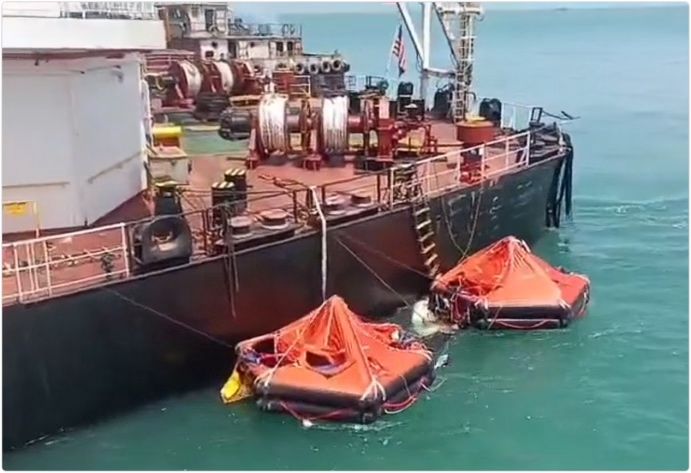
Major Collision Off India: 21 Crew Evacuated After KMAX EMPEROR Suffers Heavy Damage
 Safety
Houthis Seize Mocha as Bab el-Mandeb Risks Rise — but Signal “Safe Passage” for Non-Saudi Shipping
 Safety
Shipping’s New Risk Equation: Flexibility Becomes the Premium Asset
 Safety
25 Killed in Fire Aboard Ocean Melody at Qingdao Beihai Shipyard
 Safety
Hormuz Crisis Exposes Shipping’s Three Fault Lines. Shipping Leaders Confront the Lessons of the Hormuz Crisis
 Safety