


Explosion Aboard Sulphuric Acid Carrier in Norway Highlights the Persistent Risks of Ageing Chemical Tankers
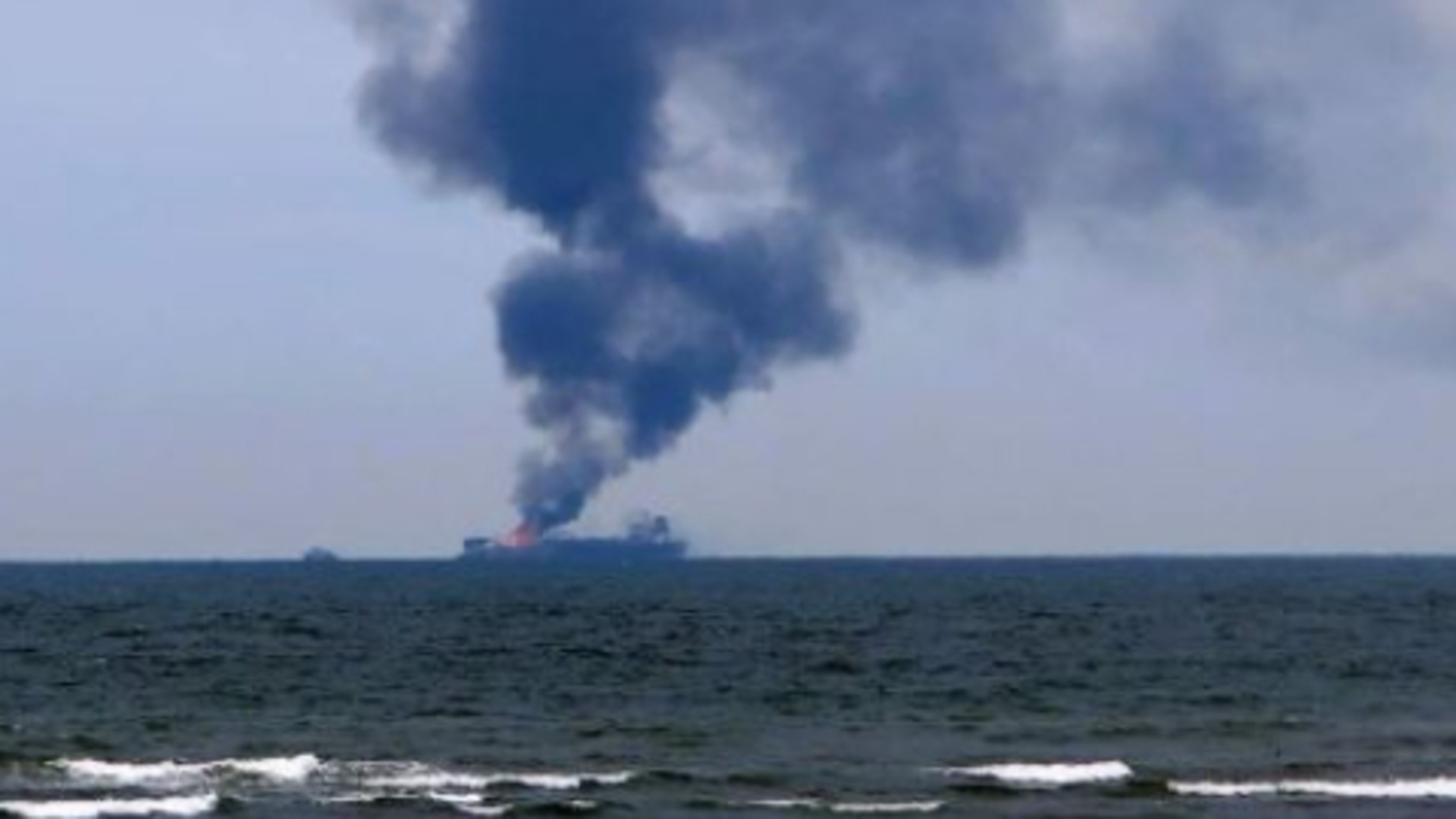

A 30-year-old chemical tanker carrying sulphuric acid suffered an explosion and fire off southern Norway on 28 July, raising fresh concerns over hot-work safety, ageing tonnage and the management of hazardous liquid cargoes.
The Norwegian-flagged BERGSTRAUM, a 9,494-dwt chemical and product tanker built in 1996, was anchored near Skjærhalden in the Hvaler area, close to Fredrikstad and the entrance to the Oslofjord, when the incident occurred at around 15:30 local time.
According to vessel manager Utkilen, the explosion took place inside an empty tank and did not affect the vessel’s main cargo. The fire was subsequently brought under control, while all 15 crew members were confirmed safe. Authorities reported no cargo leakage, marine pollution or injuries.
Norwegian police later indicated that preliminary evidence suggested the explosion may have occurred while welding work was being carried out on board. The force of the blast reportedly displaced a metal hatch, although the exact sequence of events remains under investigation.
The vessel was able to proceed to Fredrikstad under its own power following the incident.
BERGSTRAUM had departed the Skellefteå port area in Sweden on 24 July and was carrying sulphuric acid, a Class 8 corrosive substance whose transport requires strict cargo containment, segregation, ventilation and emergency-response controls.
Sulphuric acid itself is non-flammable, but it can cause severe corrosion and may react dangerously with water, metals and incompatible materials. In an enclosed tank environment, welding and other hot work therefore require rigorous risk assessment, gas testing, ventilation, isolation and permit-to-work procedures.
Although the incident resulted in no casualties or pollution, it again demonstrates how quickly routine maintenance operations can escalate aboard vessels transporting hazardous chemicals.
The age of the ship will inevitably attract attention. However, the central issue for investigators will be whether the tank had been properly cleaned, ventilated, tested and isolated before hot work began, and whether all safety-management procedures were followed.
For the chemical tanker sector, the BERGSTRAUM incident offers another reminder that safe operations depend on disciplined execution at every stage—from cargo handling and tank preparation to maintenance planning, crew communication and shore-side oversight.
The absence of injuries and pollution is a fortunate outcome. The findings of the investigation will now be closely watched across the industry.

READ MORE
 Safety
Around 1,400 Ship Transits This Month as Traffic Through Hormuz Falls by 90% and Bab el-Mandeb Slows Sharply
 Safety
48 Rescued After Vietnamese Vessel Sinks in the South China Sea
 Safety
London Market Draws a Red Line on Hormuz Tolls: Pay, and Cover for the Vessel Terminates
 Safety
Three Fatal Accidents in Half a Month: Why HD Hyundai Heavy Industries Had to Stop
 Safety
Red Sea and Hormuz crisis: Shipping’s strategic routes are being tested again
 Safety
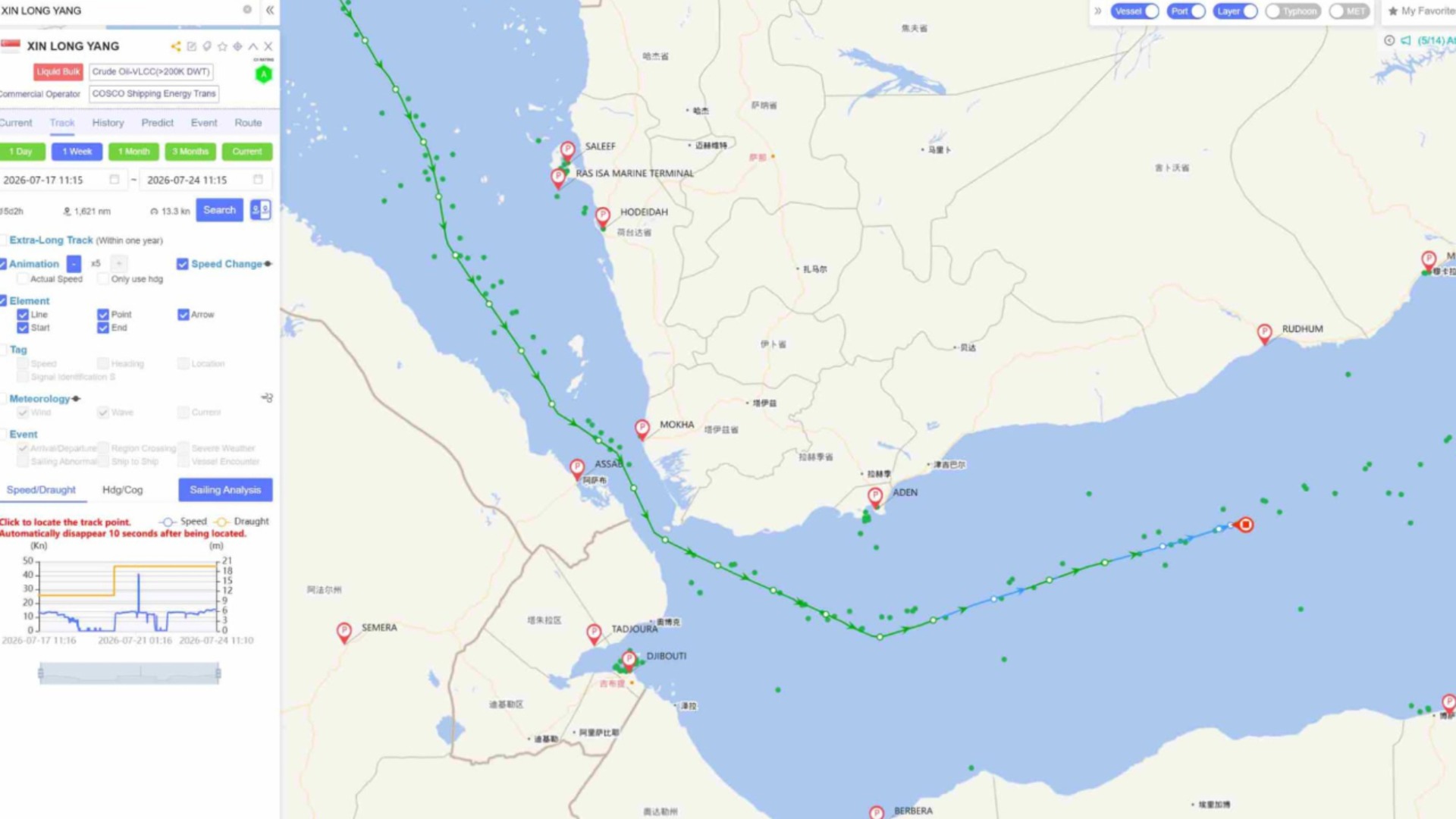
Two China-linked VLCCs cross Bab el-Masndeb amid Red Sea tension
 Safety
Why Does Marine War Risk Insurance Become “Unavailable” Once a Real War Starts?
 Safety
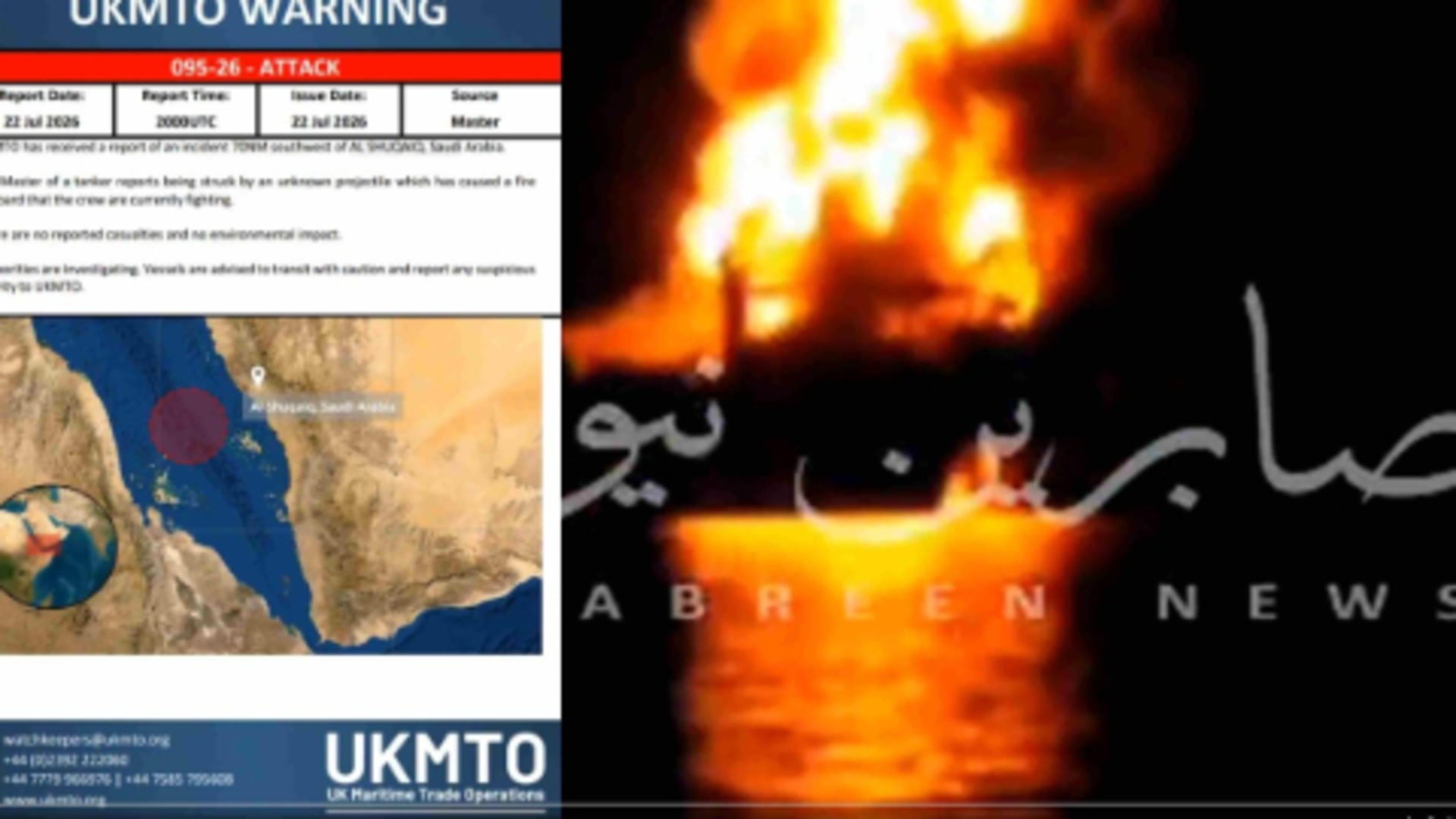
Houthi Blockade Turns Violent: Saudi Tanker Hit as Red Sea Traffic Falls
 Safety
Maersk tightens its network as security risks spread across the Middle East and Black Sea
 Safety